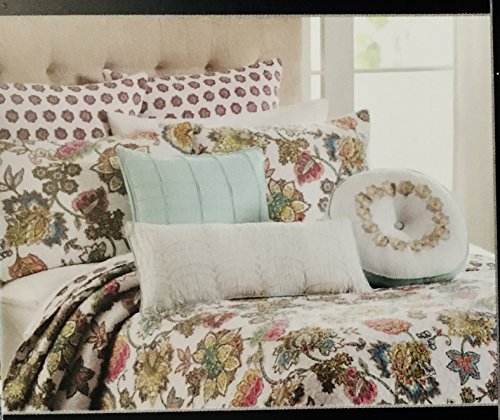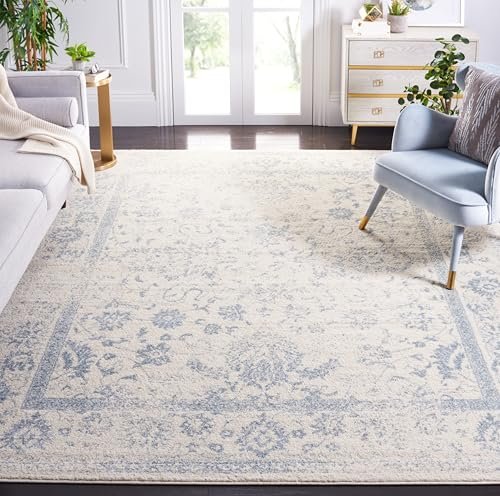
Choosing the right colors for your bedrooms can change how you feel the moment you walk in. But have you ever wondered if your guest bedroom and master bedroom should have different colors?
The answer might surprise you. The colors you pick don’t just affect the look—they influence mood, comfort, and even how well you sleep. You’ll discover why separating the color schemes could make a big difference for you and your guests.
Keep reading, and you’ll find simple tips to create inviting spaces that feel just right for everyone who stays.
Color Psychology In Bedrooms
Colors affect how we feel in a room. Choosing the right color can change the mood.
Bedrooms need colors that help us relax and feel comfortable. Guest and master bedrooms may need different colors.
Impact Of Colors On Mood
Colors influence emotions and energy. Warm colors like red and orange can feel exciting or intense.
Cool colors like blue and green tend to calm us down. Bright colors can boost energy, while soft colors soothe.
- Red: Can increase energy and passion
- Blue: Promotes calm and peace
- Green: Feels fresh and natural
- Yellow: Adds cheer and warmth
- Gray: Neutral and relaxing
Colors That Promote Relaxation
Relaxing colors help the body and mind rest. They are good choices for bedrooms.
| Color | Effect |
| Light Blue | Calms nerves, lowers blood pressure |
| Soft Green | Reduces anxiety, refreshes mind |
| Lavender | Soothes and balances emotions |
| Beige | Creates warmth and comfort |

Purpose Of Guest Bedroom Colors
Choosing colors for a guest bedroom is important. The right colors create a comfortable space for visitors. Colors affect how guests feel during their stay.
Guest bedroom colors should make the room warm and inviting. They should also match the room’s purpose and style.
Creating A Welcoming Atmosphere
Colors in a guest bedroom help set a calm and friendly mood. Soft and light colors often make a room feel cozy and peaceful.
- Use warm tones like beige, soft yellows, or light blues
- Choose shades that make the room feel bright and open
- Avoid very dark or very bright colors that might feel overwhelming
- Consider adding accent colors for a touch of personality
Neutral Vs Bold Choices
Neutral colors are popular for guest rooms because they suit many tastes. Bold colors can also work, but they need careful use to avoid discomfort.
| Color Type | Benefits | Considerations |
| Neutral | Calm, easy to match, suits many guests | Can feel plain if overused |
| Bold | Adds character, makes a statement | May not appeal to all guests, can feel intense |
Master Bedroom Color Ideas
Choosing the right color for your bedroom sets the mood for rest and relaxation. The master bedroom deserves a color that reflects your style and comfort.
Colors can make your room feel calm, cozy, or even energizing. Think about how you want to feel in your space before picking a shade.
Personal Style And Comfort
Colors should match your personality and create a peaceful place. Soft blues and greens bring calm, while warm tones like beige and soft pink feel cozy.
- Light gray for a modern and clean look
- Deep navy blue for a rich and restful space
- Earth tones like brown or taupe for warmth
- Pastel shades for a gentle and airy feel
- Neutral white to keep things simple and bright
Trends For Master Bedrooms
Current color trends focus on balance and nature. People like colors that make the room feel open but also snug.
| Color Trend | Effect | Best Use |
|---|---|---|
| Warm Terracotta | Invites warmth and comfort | Accent walls or soft furnishings |
| Soft Sage Green | Promotes calm and freshness | Wall paint or bedding |
| Muted Lavender | Creates a soothing atmosphere | Decor accessories or curtains |
| Charcoal Gray | Adds depth and modern feel | Furniture or feature walls |
| Off-White Cream | Brightens and enlarges space | Entire room or ceilings |
Benefits Of Different Colors
Using different colors in guest and master bedrooms helps create clear room identities. It makes each room feel unique and welcoming.
Choosing distinct colors can improve the mood and use of each bedroom. It reflects different purposes and helps guests and owners feel comfortable.
Defining Spaces With Color
Colors define the look and feel of a room. They separate the guest bedroom from the master bedroom visually and emotionally.
- Guest bedrooms often use calm, neutral colors to suit many tastes.
- Master bedrooms can have richer, personalized colors that reflect the owner's style.
- Different colors help guests know they have their own special space.
- Colors can highlight unique features like windows or furniture in each room.
Enhancing Functionality
Color choice can affect how people use each bedroom. Different colors support different activities and feelings.
| Room | Color Effect | Function Benefit |
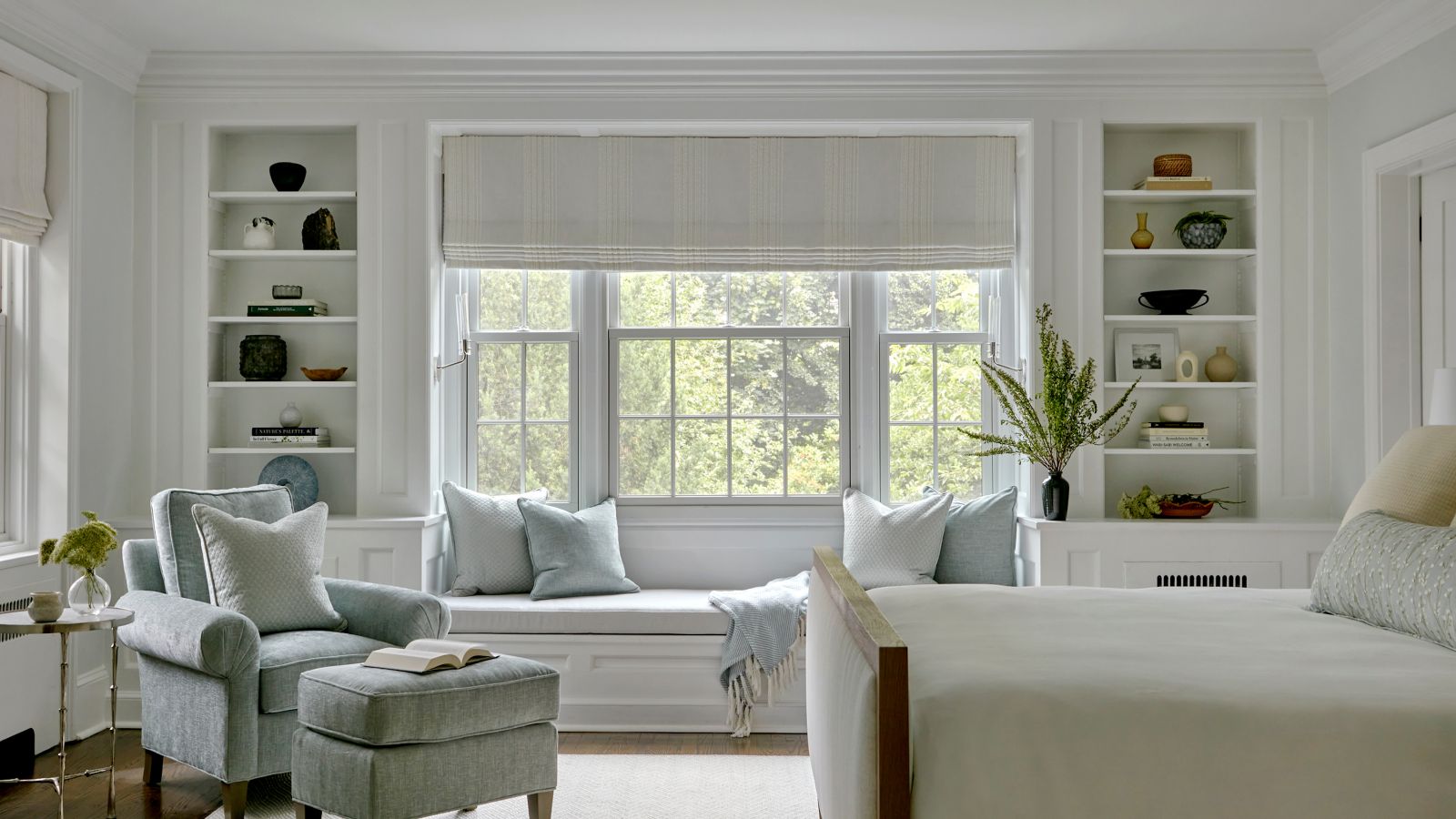
| Guest Bedroom | Soft blues or greens | Calms guests and helps them rest |
| Master Bedroom | Warm earth tones or deep hues | Creates a cozy, personal retreat |
When To Use Similar Colors
Choosing colors for bedrooms can change how the rooms feel. Sometimes, using similar colors in guest and main bedrooms works well.
Similar colors can create a smooth look in your home. They also help if rooms are small or close to each other.
Cohesive Home Aesthetic
Using similar colors keeps your home looking connected. It makes moving from one room to another feel easy on the eyes.
Colors that match or complement each other help create a calm and balanced space. This is good if you want a peaceful home.
- Choose shades from the same color family
- Use neutral tones like beige, gray, or soft white
- Add small color differences with pillows or curtains
Small Space Considerations
In small homes, using similar colors can make rooms feel bigger. Bright or light colors reflect more light, opening up the space.
Different colors in small rooms may make the space feel cramped or busy. Similar colors create a smooth flow that feels larger.
- Use light colors like soft blues or light grays
- Keep wall colors the same or close in shade
- Match bedroom colors to make the home feel more open

Tips For Choosing Bedroom Colors
Choosing the right colors for bedrooms can set the mood and comfort level. Different rooms might need different colors to reflect their purpose and feel.
When selecting colors, consider the size and light exposure of each room. Colors can change the perception of space and affect emotions.
Testing Paint Samples
Testing paint samples helps you see how colors look in the actual room. This is crucial before making any decisions.
- Buy small paint samples of your top color choices.
- Paint small sections of the wall with each sample.
- Observe how the colors look at different times of the day.
Considering Lighting Effects
Lighting plays a major role in how colors appear. Natural and artificial light can change the look of paint.
Consider using different light sources to test colors:
- Lamps with warm bulbs
- Ceiling lights with cool tones
- Natural sunlight during various times of the day
Frequently Asked Questions
Should Guest And Master Bedrooms Have Different Colors?
Yes, different colors help create distinct moods. Master bedrooms often use calming tones, while guest rooms can be more neutral or vibrant to welcome visitors.
How Do Colors Affect Bedroom Ambiance?
Colors influence emotions and energy. Soft hues promote relaxation in master bedrooms, while lively colors in guest rooms can make guests feel comfortable and energized.
Can Bedroom Color Impact Sleep Quality?
Yes, calming colors like blues and greens improve sleep quality. Bright or intense colors may disrupt rest, so choose soothing shades for bedrooms.
What Colors Suit Master Bedrooms Best?
Neutral, soft blues, greens, and warm earth tones suit master bedrooms. These colors create a peaceful, restful environment for better relaxation.
Conclusion
Choosing different colors for guest and master bedrooms helps create unique moods. The master bedroom can feel calm and personal. The guest bedroom can be bright and welcoming. This difference makes both rooms special. It also helps guests feel comfortable.
Color choice reflects your style and needs. Think about lighting and room size too. Simple color changes can refresh your home’s look. It’s a small step with big impact. Trust your taste and enjoy the process. Your rooms will tell their own story.