Are you curious about growing hemp at home but unsure if it’s legal? You’re not alone.
Many people want to enjoy the benefits of hemp without breaking the law. But the rules around hemp cultivation can be confusing and vary depending on where you live. You’ll discover what the law really says about growing hemp at home.
By the end, you’ll know exactly what you can and can’t do—so you can make smart decisions without any worries. Keep reading to find out the truth behind home hemp growing.
Hemp Growing Laws
Growing hemp at home is a topic many want to understand. Laws about hemp vary widely. Knowing the rules is important before planting hemp.
This guide covers federal, state, and international hemp growing laws. It helps clarify what is legal and what is not.
Federal Regulations
The 2018 Farm Bill legalized hemp at the federal level in the United States. Hemp must contain less than 0.3% THC. Growing hemp requires following strict rules.
- Growers must get licenses or permits from state or tribal authorities.
- Hemp crops must be tested for THC levels.
- Producers must keep records and report to authorities.
- Transporting hemp across state lines needs proper documentation.
State-specific Rules
Each state has its own laws about hemp growing. Some states allow home growing, while others restrict it. Checking local laws is necessary.
| State | Home Growing Allowed | License Required |
| Colorado | Yes | Yes |
| Texas | No | Yes |
| California | Yes | Yes |
| New York | Yes | Yes |
| Florida | No | Yes |
International Perspectives
Many countries have different hemp laws. Some countries allow small-scale home growing. Others ban hemp completely.
- Hemp must have low THC levels.
- Licenses are often required for growing.
- Home growing may be limited or banned.
- Import and export rules vary widely.

Credit: signalcleveland.org
Licensing And Permits
Growing hemp at home requires understanding local laws. Licensing and permits ensure you follow legal rules.
Each state or country may have different rules for hemp cultivation. You must check what applies to your area.
How To Get Licensed
To grow hemp legally, you often need a license from a government agency. This process may include an application and background check.
You may have to provide details about your growing site and agree to testing of your plants for THC levels.
- Find your state or local hemp program office
- Submit a license application form
- Pay any required fees
- Pass background checks if needed
- Wait for approval before planting
Requirements And Restrictions
There are strict rules on growing hemp. You must follow limits on THC content and plant types allowed.
Restrictions may include how much land you can use and where you can grow hemp near schools or public places.
- THC content usually must be below 0.3%
- Only approved hemp seed varieties may be grown
- Regular testing of crops may be required
- Growing near certain zones may be banned
- Reporting crop data to authorities is often needed
Costs Involved
Getting a hemp growing license usually involves fees. These cover application and inspection costs.
You may also pay for seed, equipment, and testing of your crops to meet legal standards.
| Cost Type | Typical Range |
|---|---|
| License Application Fee | $50 - $500 |
| Seed Purchase | $100 - $1,000+ |
| Crop Testing | $50 - $200 per test |
| Equipment and Supplies | Varies widely |
Hemp Vs. Marijuana
Hemp and marijuana both come from the Cannabis plant family. They look similar but have different uses and laws.
Many people confuse hemp with marijuana. Knowing the differences helps you understand what is legal to grow at home.
Legal Differences
Laws treat hemp and marijuana very differently. Hemp is legal in many places, but marijuana has stricter rules.
Growing hemp at home is often allowed if it meets certain laws. Marijuana usually needs special permits or is banned.
Thc Content Limits
THC is the chemical that makes people feel "high." Hemp has very low THC, so it does not cause a high.
Legal hemp must have less than 0.3% THC by dry weight. Marijuana has higher THC levels, often over 10%.
- Hemp THC limit: below 0.3%
- Marijuana THC level: usually above 10%
- THC levels affect legality and use
Common Misconceptions
Many people think hemp and marijuana are the same. This is not true because their THC content differs greatly.
Some believe growing any cannabis is illegal. The law allows hemp growing if rules are followed carefully.
- Hemp does not cause a high
- Legal hemp growing requires low THC
- Marijuana growing needs special permission
- Check local laws before planting

Credit: xmartinelaw.com
Growing Hemp At Home
Growing hemp at home can be a rewarding hobby for many gardeners. It is important to know the rules before starting.
This guide covers suitable hemp varieties, planting tips, and harvesting advice for home growers.
Suitable Varieties
Choose hemp varieties that fit your climate and legal limits. Some types produce less THC, making them legal to grow.
- Industrial hemp with low THC levels
- Fiber hemp for textiles
- Seed hemp for food products
Planting And Care Tips
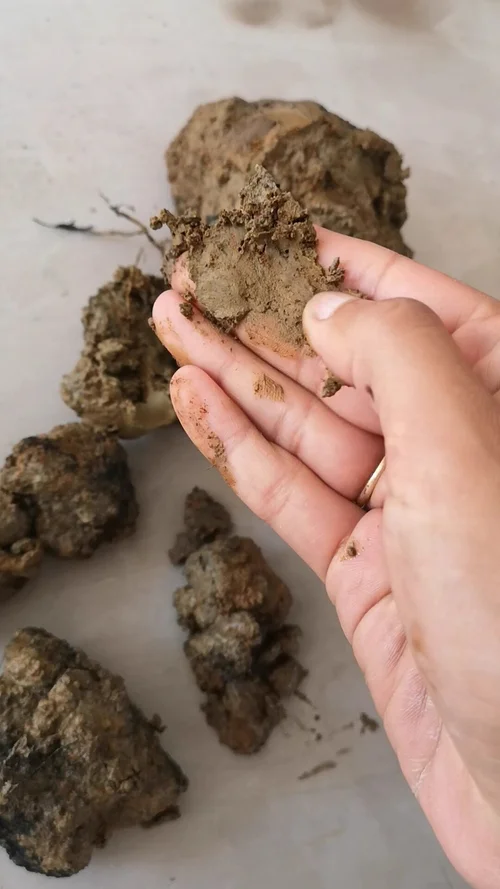
Hemp grows best in well-drained soil with good sunlight. Regular watering helps plants stay healthy.
- Prepare soil by removing weeds and adding compost.
- Sow seeds in early spring after frost danger passes.
- Space plants 4 to 6 inches apart for good air flow.
- Water plants deeply but avoid waterlogging.
- Use mulch to keep soil moist and control weeds.
Harvesting Guidelines
Harvest hemp at the right time to get the best fibers and seeds. Dry and store plants carefully.
| Harvest Time | Purpose | Signs |
| Late Summer | Fiber | Stalks toughen, leaves yellow |
| Early Fall | Seeds | Seeds turn brown, hard |
Potential Legal Risks
Growing hemp at home may seem easy and harmless. The law on hemp can be complex. It is important to know the risks before you start.
Legal risks depend on your location and how you grow hemp. This section covers penalties, law enforcement views, and ways to avoid problems.
Penalties For Non-compliance
Failing to follow hemp laws can lead to serious penalties. These may include fines, plant destruction, or even jail time.
- Fines ranging from hundreds to thousands of dollars
- Confiscation of hemp plants and equipment
- Possible criminal charges for illegal cultivation
- Loss of license or permits if applicable
- Impact on future farming or business opportunities
Law Enforcement Views
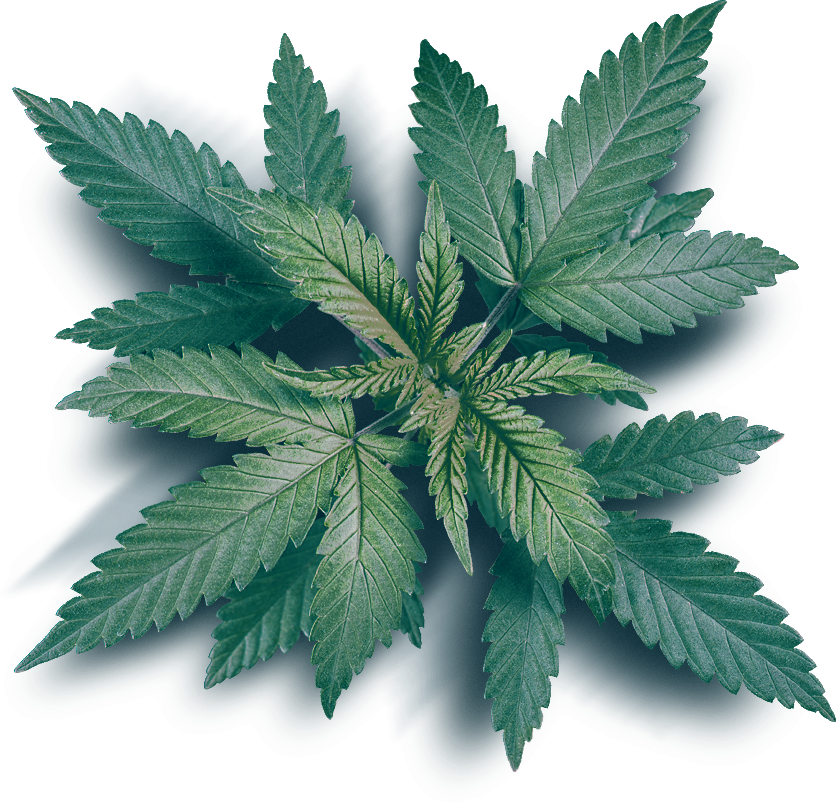
Police and other officials may not always easily distinguish hemp from illegal cannabis. This can cause confusion and extra scrutiny.
| Law Enforcement Concern | Explanation |
| Plant Appearance | Hemp looks like marijuana to untrained eyes |
| THC Levels | Hemp must have low THC to be legal |
| Testing Required | Authorities may test plants for THC content |
| Permit Verification | Officers may check for growing permits or licenses |
How To Avoid Problems
Following the law closely reduces legal risks. Know your state rules and keep clear records of your hemp plants.
- Research local and federal hemp laws before planting
- Obtain any required licenses or permits
- Keep detailed records of seed source and planting dates
- Test hemp plants to ensure THC levels stay legal
- Inform local law enforcement about your hemp growing plans

Credit: heyabby.com
Benefits Of Home Hemp Cultivation
Growing hemp at home can offer many benefits. It is important to know the potential advantages before starting. Here are some reasons why home hemp cultivation might be beneficial.
Economic Advantages
Home hemp cultivation can save money. You can reduce the need to buy hemp products from stores. This can lead to savings over time.
It can also be a source of extra income. Selling any surplus hemp can help support your household budget.
- Reduces spending on hemp products
- Potential for extra income
- Low-cost cultivation
Environmental Impact
Hemp is known for its environmental benefits. It improves soil health and supports biodiversity. Growing hemp at home can contribute to a healthier environment.
Hemp plants absorb carbon dioxide. This helps reduce greenhouse gases and fight climate change.
- Improves soil health
- Supports biodiversity
- Reduces carbon footprint
Personal Use And Beyond
Home-grown hemp can be used in many ways. You can make hemp oil, rope, and even clothing. It offers versatility for personal use.
Hemp can also be used for health purposes. Some people use it for stress relief and wellness.
- Make hemp oil and rope
- Use for health and wellness
- Create personal care products
Frequently Asked Questions
Is It Legal To Grow Hemp At Home In The Us?
Yes, growing hemp at home is legal federally if THC is below 0. 3%. State laws may vary, so check local regulations before starting.
Do I Need A License To Grow Hemp At Home?
Most states require a license or registration to grow hemp legally. Always verify with your state’s agriculture department for specific rules.
Can Homegrown Hemp Be Used For Cbd Products?
Homegrown hemp can be used for CBD if it meets legal THC limits. However, commercial sale of CBD usually requires compliance with state laws.
What Are The Thc Limits For Homegrown Hemp?
Hemp must contain less than 0. 3% THC to be legal. Exceeding this limit classifies the plant as marijuana under federal law.
Conclusion
Growing hemp at home depends on your local laws. Some places allow it with rules, while others do not. Always check your area’s regulations before planting. Following the law helps avoid trouble and keeps your efforts safe. Remember, laws can change, so stay updated.
Growing hemp can be rewarding if done legally. Take time to learn and prepare well. Legal hemp growing supports health, environment, and economy. Keep things simple and legal for the best results.