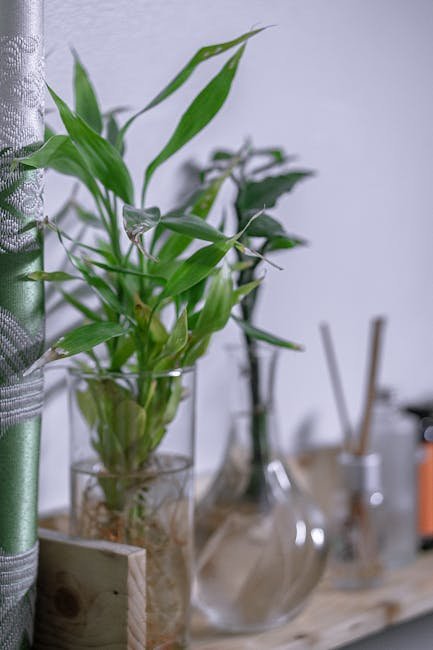
Have you ever thought about adding bamboo to your home garden? Bamboo isn’t just a plant—it’s a natural wonder that can bring beauty, calm, and even practical benefits right to your doorstep.
But is it really a good idea to grow bamboo at home? Before you decide, it’s important to know what bamboo can offer and what challenges you might face. Keep reading, and you’ll discover everything you need to make the best choice for your space and lifestyle.

Advantages Of Growing Bamboo Indoors
Bamboo is a popular plant to grow inside homes. It offers many benefits that make it a great choice.
Growing bamboo indoors can improve your living space in several ways. It is easy to care for and looks nice.
Air Purification Benefits
Bamboo helps clean the air inside your home. It absorbs toxins and releases fresh oxygen.
This makes the air healthier and fresher to breathe. It can reduce dust and harmful chemicals.
Aesthetic Appeal
Bamboo has a simple and elegant look. Its green leaves add a touch of nature to your rooms.
It fits well with many styles of home decor. Bamboo can make spaces feel calm and peaceful.
Space Efficiency
Bamboo plants do not take up much space. They grow tall but stay narrow, fitting in small areas.
You can place bamboo on shelves, desks, or corners. It is good for homes with limited room.
Low Maintenance Needs
Bamboo is easy to care for indoors. It needs little water and can grow in low light.
It does not require much attention, making it perfect for busy people or beginners.
Health And Environmental Benefits
Growing bamboo at home offers many benefits for your health and the environment. This fast-growing plant can improve your living space in different ways.
Bamboo is easy to care for and helps create a calm and green environment. It supports both your well-being and nature.
Stress Reduction And Relaxation
Bamboo plants bring a peaceful feeling to any room. Their green leaves and smooth stems help reduce stress and calm the mind.
Looking at bamboo can lower heart rate and blood pressure. This makes your home a more relaxing place to be.
Humidity Regulation
Bamboo helps keep the air in your home fresh and balanced. It releases moisture, which adds humidity to dry rooms.
This natural humidity helps prevent dry skin and throat irritation. It also protects wooden furniture from cracking.
Eco-friendly Plant Choice
Bamboo grows quickly and needs little water. It uses fewer resources than many other plants, making it eco-friendly.
It also absorbs carbon dioxide and produces oxygen. This helps clean the air and fight climate change.
- Fast growth means less need for replanting
- Requires minimal pesticides or fertilizers
- Supports cleaner air inside and outside your home
Choosing The Right Bamboo Variety
Bamboo can be a beautiful addition to your home. Picking the right type helps it grow well indoors. This guide covers important points to think about before planting bamboo inside.
Different bamboo types have different needs and sizes. Knowing which suits your space is key for healthy plants and a neat look.
Indoor Bamboo Types
Some bamboo types do better indoors than others. Clumping bamboos grow slowly and are easier to manage inside. Running bamboos spread fast and may take over your space.
- Clumping Bamboo:Grows in tight clusters, good for pots.
- Running Bamboo:Spreads quickly, needs barriers.
- Dwarf Bamboo:Small size, perfect for tabletops.
- Golden Bamboo:Bright color, adds charm indoors.
Growth Patterns To Consider
Bamboo growth varies by type. Clumping bamboo grows upward and stays compact. Running bamboo sends out underground stems and can spread widely.
| Growth Pattern | Description | Indoor Suitability |
| Clumping | Grows in tight groups, slow spread | Highly suitable |
| Running | Sends out long roots, spreads fast | Requires control measures |
| Dwarf | Small and slow growing | Ideal for small spaces |
Size And Space Compatibility
Check the mature size of the bamboo variety. Make sure your room or pot can hold the plant comfortably. Some types grow tall and wide, others stay small.
Consider these points for space fit:
- Measure available height and width
- Choose bamboo that fits pot size
- Allow room for air circulation
- Remember bamboo may grow over time

Essential Care Tips For Home Bamboo
Growing bamboo at home can add beauty and calmness to your space. It is a fast-growing plant that needs some care to thrive indoors.
Here are simple tips to help you take good care of your bamboo plant at home.
Watering Frequency
Bamboo likes moist soil but not soggy. Water it regularly to keep the soil damp.
Check the top inch of soil. If it feels dry, it is time to water your bamboo.
- Water 2-3 times per week during warm months
- Reduce watering in cooler months
- Use room temperature water for best results
Light Requirements
Bamboo needs bright, indirect light to grow well. Avoid direct sunlight as it can burn the leaves.
You can place bamboo near a window with filtered light or use sheer curtains to soften sunlight.
- Bright, indirect light is best
- Avoid direct sun exposure
- Artificial grow lights work if natural light is low
Soil And Fertilization
Use well-draining soil to keep bamboo roots healthy. A mix with sand or perlite helps drainage.
Feed bamboo with a balanced fertilizer every 4-6 weeks during the growing season. This supports steady growth.
- Choose soil that drains well
- Fertilize regularly in spring and summer
- Use a balanced liquid fertilizer diluted to half strength
Pruning And Maintenance
Prune bamboo to keep it neat and healthy. Remove dead or yellow leaves regularly.
Cut back any overgrown stems to control size and shape of the plant.
- Trim dead leaves and stems
- Control height by cutting tall canes
- Clean leaves to remove dust
Common Challenges And Solutions
Growing bamboo at home can be rewarding but comes with some challenges. You need to manage pests, control growth, and keep leaves healthy.
Knowing common problems and how to solve them helps you keep bamboo strong and beautiful.
Pest Control
Bamboo can attract pests like aphids, mites, and bamboo borers. These insects damage leaves and stems. Early detection is important to stop infestations.
- Inspect plants weekly for pests or damage.
- Use insecticidal soap or neem oil to treat small infestations.
- Remove heavily infested parts to prevent spread.
- Keep bamboo area clean to reduce pest habitats.
Preventing Overgrowth
Bamboo grows fast and spreads through underground rhizomes. Overgrowth can crowd your garden and damage nearby plants or structures.
| Method | Description |
| Root Barrier | Install a plastic or metal barrier 24 inches deep to block rhizomes. |
| Regular Pruning | Cut back new shoots to control size and shape. |
| Container Growing | Plant bamboo in pots to limit root spread. |
| Rhizome Removal | Dig and remove rhizomes yearly to control spread. |
Dealing With Yellowing Leaves
Yellow leaves on bamboo show stress from water, nutrients, or pests. Fixing the cause helps leaves turn green again.
Common causes and fixes:
- Overwatering:Let soil dry before watering again.
- Underwatering:Increase watering frequency.
- Nutrient Deficiency:Use balanced fertilizer monthly.
- Pests:Check and treat for insects.
- Sun Exposure:Move bamboo to partial shade if leaves scorch.
Creative Uses For Homegrown Bamboo
Growing bamboo at home can be both rewarding and useful. Bamboo is versatile and can be used in various creative ways.
Explore different projects and ideas that make the most of your homegrown bamboo.
Diy Projects
Bamboo is perfect for creating fun and practical DIY projects. It’s strong and easy to work with.
- Build a bamboo fence for your garden.
- Create a bamboo wind chime for a soothing sound.
- Make a bamboo trellis for climbing plants.
Decorative Arrangements
Use bamboo to add a natural touch to your home decor. Its unique look fits many styles.
Consider using bamboo for:
- Vase arrangements for tables.
- Wall decor with bamboo sticks.
- Crafting candle holders.
Garden Integration
Bamboo can enhance your garden space. It’s great for adding height and structure.
| Use | Benefit |
| Privacy Screen | Blocks unwanted views |
| Path Edging | Defines garden paths |
| Plant Support | Helps plants grow upright |
Frequently Asked Questions
Is Growing Bamboo At Home Beneficial?
Growing bamboo at home improves air quality and adds natural beauty. It grows quickly, providing privacy and shade. Bamboo also requires low maintenance, making it ideal for many gardeners. However, controlling its spread is essential to avoid invasiveness.
How To Prevent Bamboo From Spreading Uncontrollably?
Use root barriers or plant bamboo in containers to limit growth. Regularly trim rhizomes to control spread. Choosing clumping bamboo varieties instead of running types also helps manage growth effectively indoors or in gardens.
What Are The Best Bamboo Types For Home Gardens?
Clumping bamboo varieties like Fargesia and Bambusa are ideal for homes. They grow slowly and stay compact, making them easy to manage. These types provide aesthetic value without aggressive spreading, perfect for indoor or outdoor gardening.
Can Bamboo Improve Indoor Air Quality?
Yes, bamboo helps purify indoor air by absorbing toxins and releasing oxygen. Its dense foliage filters dust and pollutants, creating a healthier living environment. Bamboo plants also boost humidity, benefiting respiratory health.
Conclusion
Growing bamboo at home brings many benefits. It adds green beauty to your space. Bamboo grows fast and needs little care. It can create privacy and block noise. Bamboo also helps clean the air around you. Watch out for its spread, though.
Choose the right type and place for it. Overall, bamboo makes a good home plant. It suits many gardens and indoor spots. Try bamboo for a simple, natural touch.