Are you tired of boring, expensive bathroom vanities that don’t match your style? What if you could create a unique, stunning vanity using something you already own—a dresser?
Turning a dresser into a bathroom vanity is easier than you think, and it can save you money while adding a personal touch to your space. In this guide, you’ll discover simple steps to transform your old dresser into a beautiful, functional vanity that will make your bathroom stand out.
Ready to give your bathroom a fresh new look? Let’s dive in!
Choosing The Right Dresser
Turning a dresser into a bathroom vanity is a smart way to add style and storage. Picking the right dresser is key to a good result.
Focus on size, material, and style to make sure it fits your bathroom and lasts long.
Size And Dimensions
Measure your bathroom space before choosing a dresser. It should fit well without crowding the room.
Check the dresser’s height and width to match your sink and plumbing needs.
- Width should allow for a sink and countertop space
- Height must suit standard bathroom sink heights (about 32-36 inches)
- Depth should fit comfortably in your bathroom layout
Material And Durability
Choose a dresser made of solid wood or plywood for strength and water resistance. Avoid particleboard as it may swell.
Make sure the material can handle bathroom moisture with proper sealing or paint.
- Solid wood is strong and lasts long
- Plywood resists water better than particleboard
- Proper finish protects from water damage
Style And Design Considerations
Pick a dresser style that matches your bathroom decor. It should look natural as a vanity piece.
Consider drawer placement and handles for easy use and plumbing access.
- Simple designs work well in most bathrooms
- Drawer layout should allow space for pipes
- Choose handles that fit your bathroom style
Gathering Necessary Tools And Materials
Turning a dresser into a bathroom vanity is a fun and useful project. Getting the right tools and materials first will make the work easier.
Prepare everything before starting. This way, you avoid delays and get better results.
Basic Tools Needed
You need some basic tools to take apart the dresser and fit the vanity parts. These tools help with measuring, cutting, and assembling.
- Measuring tape for accurate sizes
- Screwdrivers to remove and install screws
- Power drill for drilling holes and driving screws
- Jigsaw or handsaw to cut wood or countertop
- Level to make sure surfaces are flat
- Clamps to hold pieces in place
- Sandpaper or electric sander for smoothing surfaces
Plumbing Supplies
You must prepare plumbing supplies to connect the sink and water pipes. These parts help water flow and prevent leaks.
- Sink drain kit to connect the sink drain
- P-trap to prevent sewer gases from entering
- Flexible water supply lines to connect water to the faucet
- Pipe wrench or adjustable wrench for tightening pipes
- Plumber’s tape to seal pipe threads
- Silicone caulk to seal around the sink and countertop
Finishing Materials
Finishing materials help protect the dresser and make it look good. These materials keep wood safe from water damage.
- Primer to prepare wood for paint
- Paint or stain for color and protection
- Polyurethane or water-resistant sealer for extra durability
- Brushes or rollers for applying finishes
- Painter’s tape to protect areas from paint
Preparing The Dresser
Turning a dresser into a bathroom vanity starts with good preparation. You need to clean and fix the dresser for water use. This makes sure it lasts long and works well.
Focus on cleaning, changing storage space, and protecting the wood. These steps help make the dresser ready for bathroom use.
Cleaning And Sanding
Start by cleaning the dresser. Remove dust, dirt, and old polish. Use soap and water or a wood cleaner. Let it dry well before sanding.
Sanding smooths the surface and removes old finish. Use medium-grit sandpaper first, then fine-grit for a smooth feel. Sand all areas, including edges.
Removing Drawers Or Modifying Storage
Decide which drawers to keep and which to remove. Some drawers may need to be cut to fit plumbing. Others can be used for storage.
- Remove unwanted drawers carefully
- Modify drawer space to fit pipes
- Keep some drawers for bathroom items
- Check drawer fronts for a clean look
Sealing And Waterproofing
Use sealant to protect the dresser from water damage. Apply a waterproof finish to all surfaces. This prevents swelling and warping.
| Sealing Product | Purpose | Application Tips |
| Polyurethane | Strong water resistance | Apply 3 coats, sanding between coats |
| Waterproof Varnish | Protects wood surface | Use a brush and dry fully |
| Wood Sealer | Penetrates wood to block water | Apply with cloth or spray |

Credit: www.seattletimes.com
Installing The Sink
Turning a dresser into a bathroom vanity needs careful sink installation. This guide covers measuring and cutting the top, fitting the sink basin, and securing the sink.
Follow each part step-by-step to fit your sink safely and neatly on the dresser.
Measuring And Cutting The Top
Start by measuring the sink and marking its outline on the dresser top. Use a pencil and ruler for accuracy. Double-check the measurements before cutting.
- Place the sink upside down on the dresser top.
- Trace the sink’s outline with a pencil.
- Mark the cut line inside the outline to fit the sink snugly.
- Use a jigsaw to cut along the marked line.
- Sand the edges to smooth the cut area.
Fitting The Sink Basin
After cutting, test fit the sink basin in the hole. It should sit flush and stable. Adjust the cutout if needed by sanding or trimming small parts.
| Fit Check | Action |
| Sink too tight | Sand edges gently |
| Sink too loose | Add a sealant or trim opening |
| Sink level | Proceed to secure the sink |
Securing The Sink
Secure the sink to prevent movement and leaks. Use plumber’s putty and mounting clips for a tight seal and firm hold.
- Apply plumber’s putty around the sink edge before placing it in the cutout.
- Press the sink down firmly to seal the putty.
- Attach mounting clips under the sink to the dresser top.
- Tighten clips evenly to avoid cracking the sink.
- Clean off excess putty after securing.
Plumbing Setup
Turning a dresser into a bathroom vanity needs careful plumbing work. You must connect water lines, drain pipes, and check for leaks. This guide covers these key steps to prepare your vanity for use.
Proper plumbing setup ensures your vanity works well and stays safe from water damage. Follow the instructions below to set up everything correctly.
Connecting Water Supply Lines
Attach the hot and cold water supply lines to the faucet valves under the dresser. Use flexible supply tubes for easier fitting. Make sure all connections are tight to avoid drips.
- Turn off the main water supply before starting.
- Attach supply lines to shut-off valves on the wall.
- Connect the other end to the faucet in the vanity.
- Use plumber’s tape on threaded connections for a better seal.
- Check all connections for tightness after installation.
Installing Drain Pipes
Install the drain pipes to connect the sink drain to the bathroom’s waste line. Use PVC pipes and fittings that match your drain size. Make sure pipes slope downward for proper drainage.
| Part | Description | Tip |
| P-trap | Curved pipe under the sink | Prevents sewer gases from entering |
| Tailpiece | Connects sink drain to P-trap | Cut to length for a snug fit |
| Drain pipe | Leads waste to main drain | Keep slight downward angle |
Testing For Leaks
After all connections are made, test the system for leaks. Turn on water supply and watch every joint carefully. Fix any leaks before finishing the installation.
- Open shut-off valves slowly and let water flow.
- Check supply line connections for drips.
- Run water in the sink and inspect drain pipes.
- Tighten any loose fittings with a wrench.
- Dry all areas and monitor for leaks over 10 minutes.

Credit: www.domino.com
Finishing Touches
Transforming a dresser into a bathroom vanity can add unique charm to your space. Finishing touches are crucial to ensure durability and style.
Let's explore how to complete your project with painting, hardware, and sealing for moisture protection.
Painting Or Staining
Choose a color or stain that complements your bathroom. This step enhances the dresser's appearance and protects the wood.
- Sand the surface smoothly.
- Apply primer for better adhesion.
- Paint or stain in thin, even coats.
- Allow each coat to dry before adding the next.
Adding Hardware
Hardware adds a functional and decorative touch. Select knobs and pulls that match your bathroom style.
Consider these tips when choosing hardware:
- Measure the existing holes for precise fitting.
- Opt for moisture-resistant materials.
- Ensure easy accessibility and comfort in use.
Sealing Surfaces For Moisture Protection
Sealing is essential to prevent water damage. Use a waterproof sealant to protect the wood from moisture.
| Sealant Type | Application |
| Polyurethane | Brush or spray evenly |
| Epoxy | Apply in two-part mixture |
| Varnish | Use in thin layers |
Maintaining Your Vanity
Turning a dresser into a bathroom vanity can add charm to your home. Keeping it well-maintained ensures it lasts for years.
Regular care is important to keep your vanity looking great. Here are some tips to help you maintain its beauty and function.
Regular Cleaning Tips
Cleaning your vanity regularly helps keep it looking new. Use gentle cleaners to avoid damage.
- Wipe surfaces with a damp cloth daily
- Use mild soap for tougher spots
- Avoid abrasive cleaners to prevent scratches
Preventing Water Damage
Water can harm your wooden vanity. Protect it with the right measures to ensure its longevity.
Seal the wood to shield it from water. Install a splash guard around the sink area.
- Apply a water-resistant sealant regularly
- Dry spills immediately
- Check for leaks under the sink
Repairing Minor Wear
Minor wear and tear is normal for any furniture. Repairing small issues quickly prevents bigger problems.
Fix scratches with a furniture marker or touch-up pen. Tighten loose handles or knobs.
- Use wood filler for small dents
- Re-tighten screws on a regular basis
- Replace damaged hardware as needed
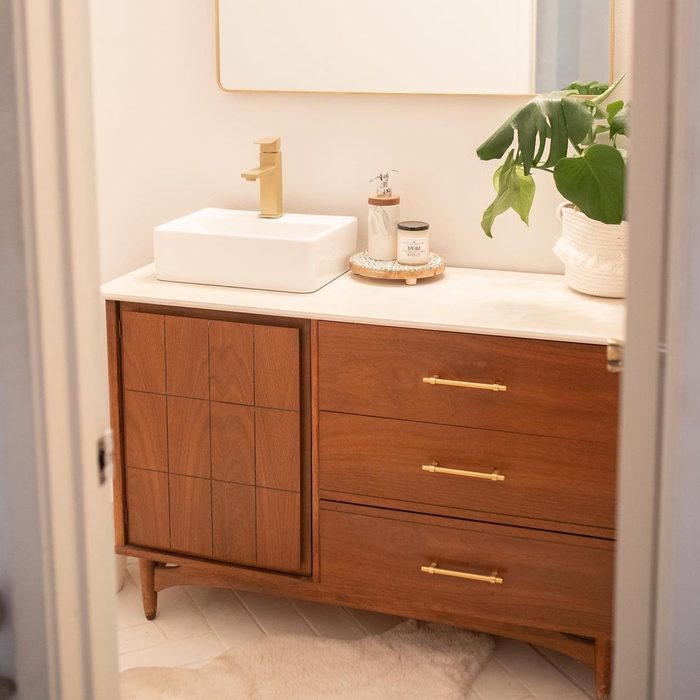
Credit: www.familyhandyman.com
Frequently Asked Questions
What Materials Do I Need To Convert A Dresser Into A Vanity?
You need a dresser, a sink, plumbing supplies, sealant, and paint or finish. Additional tools include a drill, saw, and screwdriver. Choose materials compatible with bathroom moisture.
How Do I Install Plumbing In A Dresser Vanity?
Cut holes in the dresser for sink and pipes. Connect plumbing to existing water lines. Use plumber’s putty and sealant to prevent leaks. Test all connections before final assembly.
Can Any Dresser Be Used As A Bathroom Vanity?
Not all dressers are suitable. Choose sturdy dressers with enough space for plumbing. Avoid particleboard; solid wood or plywood works best. Ensure the dresser height fits bathroom ergonomics.
How Do I Waterproof A Dresser Vanity Properly?
Use waterproof paint or sealant on all surfaces. Apply multiple coats for durability. Seal edges and inside drawers to prevent water damage. Waterproofing extends the dresser’s lifespan in humid bathrooms.
Conclusion
Transforming a dresser into a bathroom vanity adds charm and saves money. It gives your bathroom a unique, personal touch. You can choose the style and color that fits your space. The process is simple and fun to do yourself.
With a little effort, your old dresser becomes useful again. Enjoy a fresh look and extra storage in your bathroom. Try this project to refresh your home without buying new furniture.