You wake up with itchy red bites and wonder where they came from. If you suspect bed bugs have invaded your bedroom, you’re not alone—and you need a quick, effective plan.
These tiny pests hide in the cracks and crevices of your bed, making them tough to spot and even tougher to get rid of. But don’t panic. With the right steps, you can take back control of your bedroom and sleep peacefully again.
Keep reading to discover simple, proven ways to treat bed bugs in your bedroom and protect your home from further bites.
Identify Bed Bug Signs
Bed bugs are small insects that hide in bedrooms. Finding signs early helps stop them fast.
Look closely to spot bed bugs before they spread in your home.
Common Bed Bug Symptoms
Bed bug bites usually appear as red, itchy spots on skin. They often line up in rows.
- Small red bumps on arms, legs, or neck
- Itching or burning sensation on skin
- Swelling around bite marks
- Sleep disturbances from itching
Inspecting Mattress And Furniture
Bed bugs hide in mattress seams and cracks in furniture. Check these places carefully.
| Place | What to Look For |
| Mattress seams | Dark spots, bugs, eggs |
| Box spring | Holes or tears with bugs |
| Bed frame joints | Bed bugs or shed skins |
| Headboard | Cracks with bugs hiding |
| Nearby furniture | Signs of bugs or stains |
Detecting Bed Bug Eggs And Droppings
Bed bug eggs are tiny and white. Droppings look like small dark dots near hiding spots.
- Eggs are about 1 mm, found in clusters
- Droppings are black or brown stains
- Look under mattress tags and seams
- Check cracks and crevices of furniture
Prepare The Bedroom
Getting the bedroom ready is key to treating bed bugs. Clean and organize the space well. This helps find and remove bugs easier.
Follow simple steps to prepare the bedroom. This makes other treatments more effective.
Declutter And Clean
Remove clutter like clothes, toys, and boxes. Bed bugs hide in messy spots. Clearing these helps you spot them.
Wipe down surfaces with a damp cloth. Clean floors, walls, and furniture to remove eggs and bugs.
- Take out items on the floor and under the bed
- Use a damp cloth to clean surfaces
- Dispose of items you do not need
Launder Bedding And Clothing
Wash all bedding, sheets, pillowcases, and clothes in hot water. Heat kills bed bugs and their eggs.
Dry these items on the highest heat setting for at least 30 minutes. This ensures all bed bugs are dead.
- Use water temperature of 120°F (49°C) or higher
- Dry on high heat for at least 30 minutes
- Place clean items in sealed bags to avoid re-infestation
Vacuuming Techniques
Vacuum the entire bedroom carefully. Focus on mattress seams, bed frames, and baseboards where bugs hide.
Empty the vacuum bag or canister into a sealed plastic bag. Throw it away outside the home immediately.
- Use a vacuum with strong suction and a HEPA filter
- Vacuum mattress seams, bed frame joints, and cracks
- Dispose of vacuum contents far from the house
Use Chemical Treatments
Chemical treatments are a common way to get rid of bed bugs in bedrooms. They kill bugs quickly and stop new ones from growing.
It is important to use the right chemicals and apply them carefully for safety and best results.
Choosing The Right Insecticide
Select insecticides labeled for bed bugs. Look for products with ingredients like pyrethroids, neonicotinoids, or desiccants. Some kill bugs on contact, while others work slowly.
- Check product labels for safety and use instructions.
- Choose products approved by health or pest control authorities.
- Avoid using banned or untested chemicals.
- Consider insecticides that kill eggs as well as adults.
Applying Sprays And Powders Safely
Follow all safety steps to protect yourself and others. Wear gloves and a mask. Use sprays on cracks, bed frames, and furniture. Powders work well in tight spaces.
| Type | Where to Apply | Safety Tips |
| Sprays | Bed frames, mattress seams, baseboards | Wear gloves and mask; avoid spraying bedding directly |
| Powders | Under furniture, inside wall cracks, electrical outlets | Keep away from children and pets; use small amounts |
When To Call Professionals
Hire pest control experts if you see many bugs or if DIY treatments fail. Professionals use stronger chemicals and special tools.
- If bed bugs return after treatments
- If you feel unsafe applying chemicals yourself
- If bugs spread to other rooms
- If you want a quick and thorough solution
Employ Non-chemical Methods
Bed bugs are tough pests, but you can fight them without chemicals. Non-chemical methods help keep your bedroom safe and healthy.
These ways use heat, cold, and traps to control bed bugs. They can be very effective if done right.
Heat Treatment Options
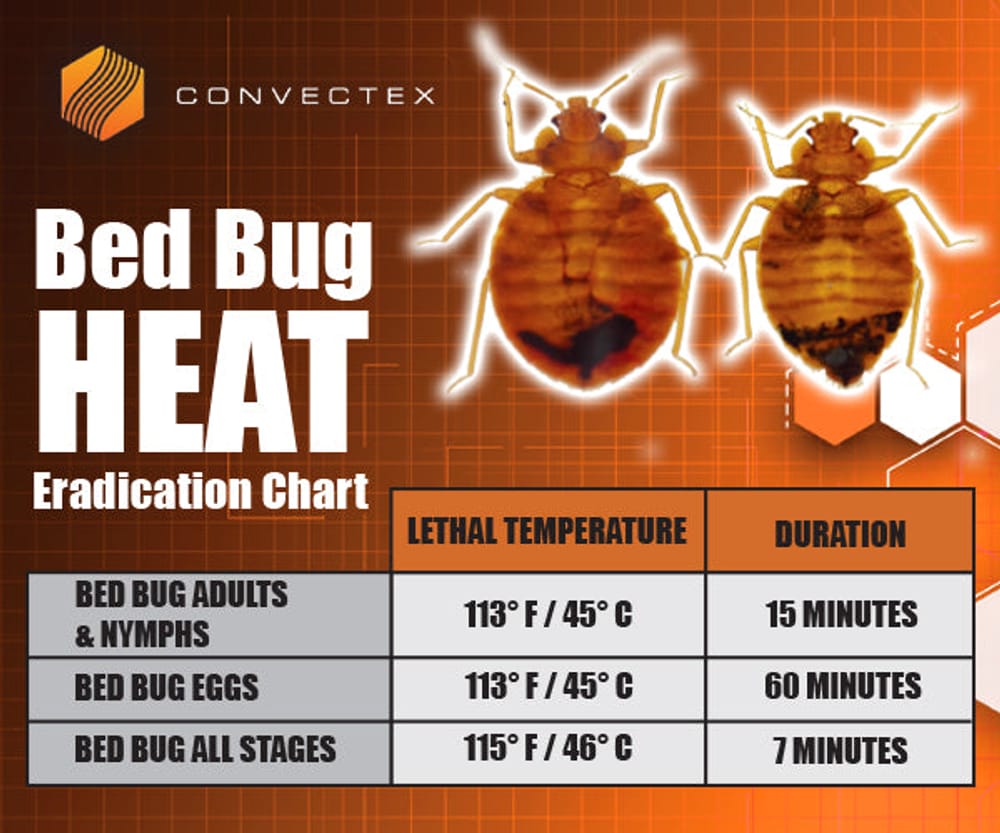
Bed bugs die at high temperatures. Heat treatments use warm air to kill bugs and eggs.
You can use a clothes dryer on hot settings for small items. For larger areas, special heaters raise the room temperature.
- Wash bedding and clothes in hot water
- Dry items at high heat for at least 30 minutes
- Use portable heat chambers for furniture
- Keep room temperature above 120°F (49°C) for hours
Cold Treatment And Freezing
Cold can kill bed bugs too. Freezing stops their life cycle by damaging their bodies.
Put small items in a freezer set below 0°F (-18°C). Leave them there for several days to ensure bugs die.
- Seal items in plastic bags before freezing
- Keep items frozen for at least 4 days
- Check freezer temperature regularly
Using Bed Bug Traps And Monitors
Traps and monitors help catch bed bugs early. They reduce the number of bugs and show where they hide.
Place traps under bed legs or near walls. These devices attract bed bugs and trap them for easy removal.
- Use interceptor traps to catch bugs climbing on beds
- Place monitors near furniture and baseboards
- Check traps often and clean or replace them
- Combine traps with regular cleaning and inspection
Prevent Reinfestation
After treating bed bugs, stopping them from coming back is very important. Taking simple steps helps keep your bedroom safe.
These steps protect your home and make sure bed bugs do not return to your bedroom.
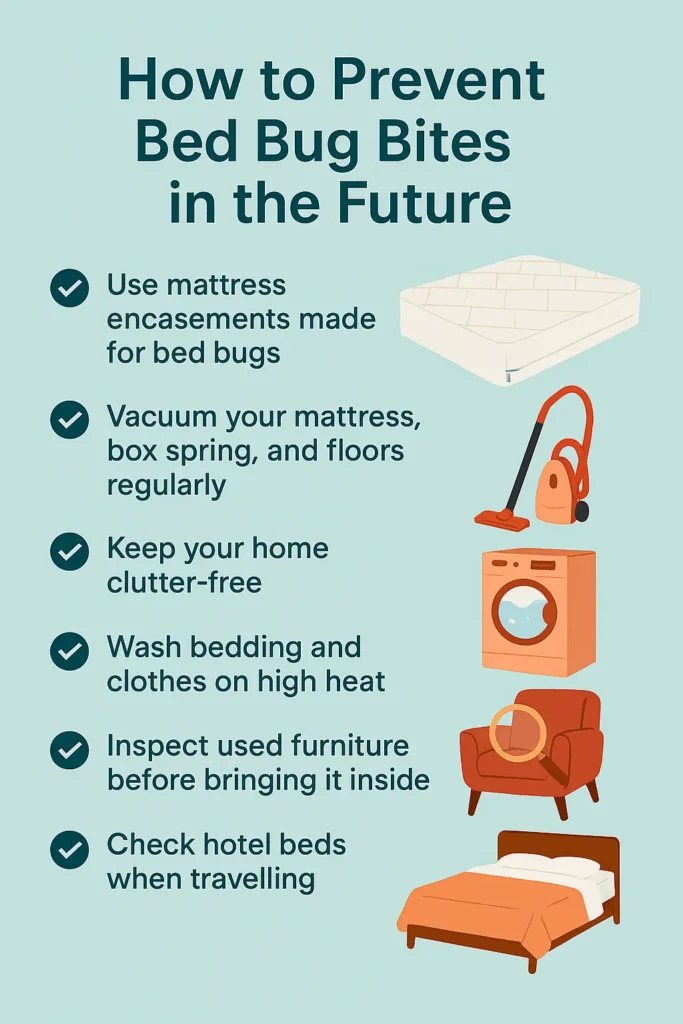
Encasing Mattresses And Pillows
Use special covers on your mattresses and pillows. These covers trap any bed bugs inside and stop new bugs from hiding there.
Choose covers made from tightly woven fabric. Make sure they fully zip up to keep bugs out.
- Check covers for holes or tears often
- Keep covers on for at least one year
- Wash and dry covers regularly on high heat
Regular Cleaning Routine
Clean your bedroom often to remove bed bugs and eggs. This reduces places where bugs can hide and grow.
Vacuum floors, carpets, and furniture well. Empty the vacuum bag or canister outside your home after each use.
- Wash bedding and curtains in hot water weekly
- Dry items on high heat to kill bugs and eggs
- Declutter to limit hiding spots for bed bugs
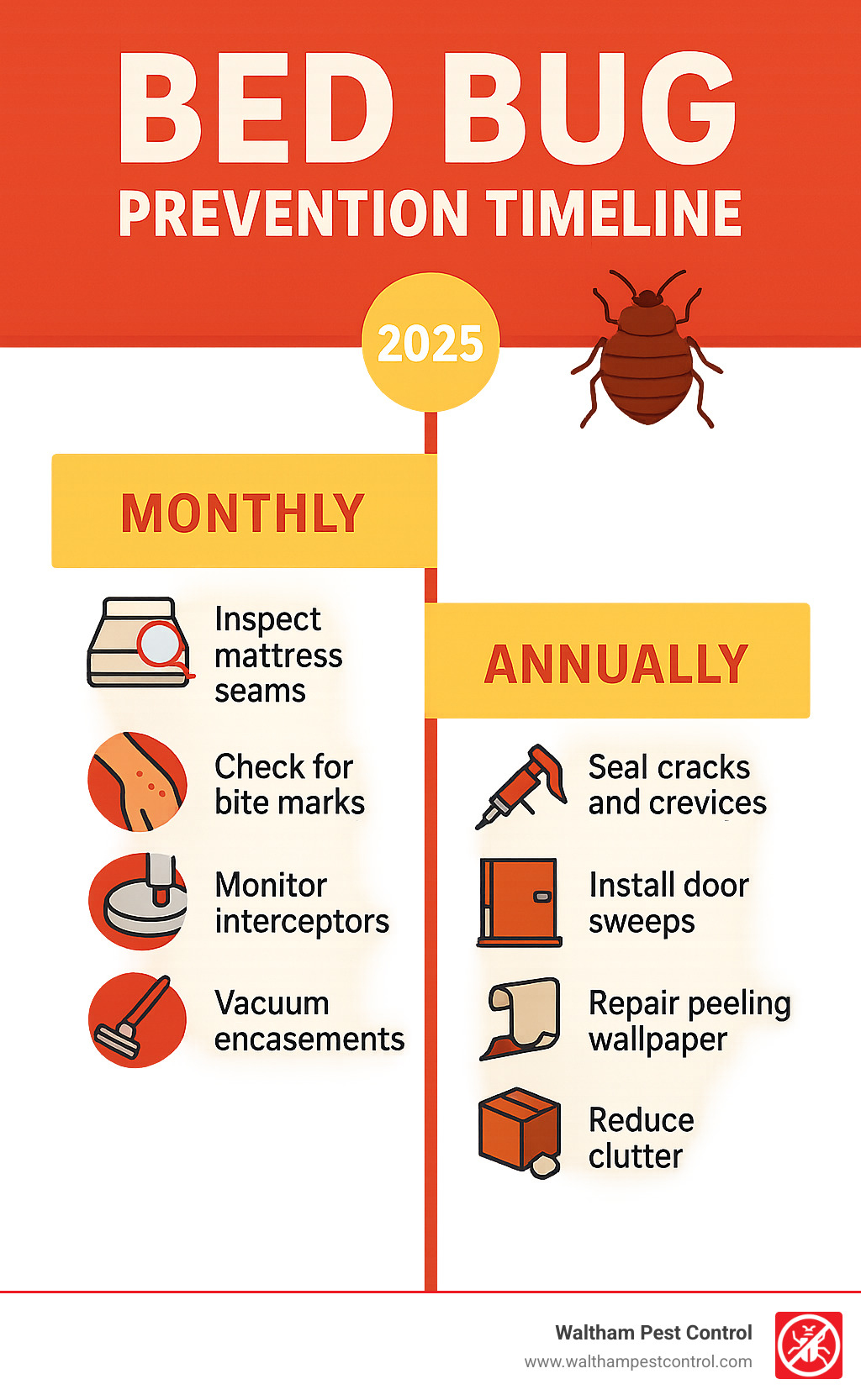
Monitoring And Early Detection
Check your bedroom regularly for bed bugs. Early detection helps stop an infestation before it grows.
Look for small dark spots, shed skins, or bites on your skin. Use bed bug traps or interceptors under bed legs to catch bugs.
- Inspect mattress seams and furniture cracks weekly
- Use sticky traps to catch bed bugs early
- Act quickly if you find signs of bed bugs

Frequently Asked Questions
How Do I Identify Bed Bugs In My Bedroom?
Bed bugs are small, reddish-brown insects about 4-5 mm long. Look for tiny blood stains on sheets, dark spots on mattresses, or a musty odor. Bites often appear in a line or cluster on exposed skin areas.
What Are The Best Methods To Kill Bed Bugs?
Heat treatment, vacuuming, and insecticides are effective. Washing bedding in hot water kills bugs and eggs. Using mattress encasements prevents hiding. Professional pest control often provides the most thorough solution.
How Long Does It Take To Eliminate Bed Bugs?
Complete elimination typically takes 2 to 4 weeks. Multiple treatments may be necessary. Persistence and thorough cleaning speed up the process. Early detection helps reduce infestation time.
Can I Prevent Bed Bugs From Returning?
Yes, regularly inspect and clean bedding and furniture. Avoid bringing used furniture indoors without inspection. Use protective mattress covers and minimize clutter. Early detection and prevention reduce reinfestation risks.
Conclusion
Treating bed bugs in your bedroom takes patience and care. Start by cleaning and vacuuming all areas well. Use safe treatments and repeat as needed. Check your bed and furniture often to catch bugs early. Keep your room clutter-free to stop bugs hiding.
Taking these steps helps keep your bedroom bug-free. Stay consistent, and you will see results soon. Don’t let bed bugs disturb your rest. Act quickly and protect your space.