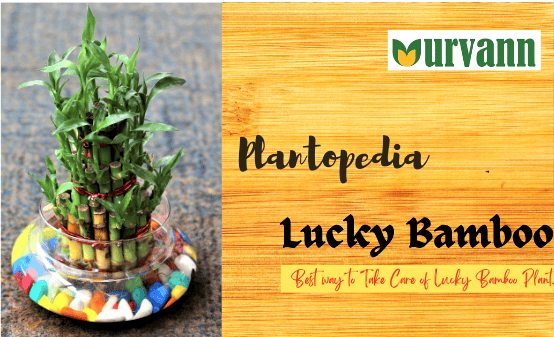
Are you looking to bring a touch of nature and calm into your home? Taking care of a bamboo plant is easier than you might think, and it can transform any space with its fresh, green beauty.
But to keep your bamboo healthy and thriving, you need to know the right steps. In this guide, you’ll discover simple, effective tips that make caring for your bamboo plant stress-free and rewarding. Ready to see your bamboo grow strong and vibrant?
Let’s dive in and make your home a greener, happier place.
Choosing The Right Bamboo
Bamboo plants make great indoor decorations. Picking the right bamboo helps it grow well inside your home.
Some types of bamboo do better indoors than others. Also, choosing a healthy plant is important for success.
Types Suitable For Indoors
Not all bamboo plants grow well indoors. Some types stay small and need less sunlight.
- Lucky Bamboo (Dracaena sanderiana) – easy to care for and needs low light
- Dwarf Buddha Bamboo (Bambusa multiplex) – stays small and grows well in pots
- Striped Bamboo (Bambusa vulgaris 'Striata') – has attractive leaves and tolerates shade
- Golden Bamboo (Phyllostachys aurea) – can grow indoors with enough light and space
Selecting Healthy Plants
Choose bamboo plants that look fresh and strong. Avoid plants with yellow or brown leaves.
Check the stems for firmness. Soft or damaged stems mean the plant is not healthy.
- Look for bright green leaves without spots
- Check roots if possible; healthy roots are white and firm
- Avoid plants with dry or broken leaves
- Pick plants with upright and strong stems

Credit: www.epicgardening.com
Ideal Light Conditions
Bamboo plants need the right light to grow well at home. Light helps them stay green and healthy.
Giving your bamboo the proper light will keep it strong and looking good for a long time.
Natural Light Requirements
Bamboo plants do best in bright, indirect sunlight. Direct sun can burn their leaves.
Place your bamboo near a window with filtered light or in a spot with shade during the hottest hours.
- Keep bamboo close to east or north-facing windows
- Avoid direct afternoon sun to prevent leaf damage
- Rotate the plant every few days for even light exposure
Artificial Lighting Tips
If natural light is low, use artificial lights to support bamboo growth. LED grow lights work well.
Keep the light source about 12 inches away from the plant. Give bamboo 12 to 14 hours of light each day.
- Use full-spectrum LED lights for best results
- Set a timer to give consistent light daily
- Turn off lights at night for the plant’s rest
Watering Bamboo Plants
Watering is key to keeping your bamboo plant healthy. Too much or too little water can harm it.
Learn how often and how much to water your bamboo. Also, spot signs of overwatering or underwatering early.
Frequency And Amount
Bamboo plants need regular watering but do not like soggy soil. Water your bamboo so the soil stays moist.
- Water young bamboo plants 2-3 times a week.
- Established plants need watering once a week.
- In hot weather, increase watering frequency.
- Use enough water to soak the soil about 2 inches deep.
- Reduce watering in cool or rainy seasons.
Signs Of Overwatering And Underwatering
| Condition | Signs |
| Overwatering | Yellow leaves, root rot, mushy stems |
| Underwatering | Brown leaf edges, dry soil, wilting |
Check the soil regularly. If it feels soggy, cut back on watering. If it is dry, water more.
Soil And Potting
Bamboo plants are a great addition to any home. They need the right soil and pot to grow well. Knowing the best soil types and how to choose the right pot is important.
Let's explore the best soil options and find the perfect pot for your bamboo plant.
Best Soil Types
Bamboo plants prefer soil that drains well. This helps prevent root rot. A mix of soil and sand is a good choice.
- Loamy soil is ideal for bamboo
- Add sand to improve drainage
- Use compost to provide nutrients
Choosing The Right Pot
The right pot is important for healthy bamboo growth. It needs enough space for roots to spread.
Choose a pot with drainage holes. This prevents water from sitting at the bottom.
- Pick a pot slightly larger than the root ball
- Ensure the pot has drainage holes
- Use a pot made of durable material
Fertilizing Tips
Bamboo plants need the right nutrients to grow strong and healthy. Fertilizing helps bamboo get the minerals it needs from the soil.
Use proper fertilizers and follow a good schedule to keep your bamboo thriving at home.
Best Fertilizers For Bamboo
Bamboo grows well with fertilizers high in nitrogen. Nitrogen helps leaves grow green and lush.
Balanced fertilizers with nitrogen, phosphorus, and potassium also support strong roots and stalks.
- Use a fertilizer with an N-P-K ratio like 10-5-5 for leafy growth.
- Organic compost or manure adds slow-release nutrients.
- Liquid fertilizers can give a quick nutrient boost.
- Avoid fertilizers with too much phosphorus; it can harm bamboo.
Fertilizing Schedule
Feed bamboo plants regularly during their growing season. This is usually spring through summer.
Reduce fertilizing in fall and stop in winter when bamboo rests.
- Apply fertilizer once a month from March to August.
- Use liquid fertilizer every two weeks for a quick nutrient boost.
- Apply organic compost two times a year in early spring and late summer.
- Water the bamboo well after fertilizing to help nutrients soak in.
Temperature And Humidity
Bamboo plants need the right temperature and humidity to grow well. These factors help keep the leaves green and healthy.
Taking care of bamboo means watching the air around it. Too hot or too cold can hurt the plant. Too dry air can also cause problems.
Optimal Temperature Range
Bamboo plants prefer warm temperatures. They grow best when it is not too hot or too cold indoors.
Keep the temperature between 65°F and 90°F (18°C to 32°C). Avoid cold drafts or very cold rooms below 50°F (10°C).
- Ideal daytime temperature: 70°F to 85°F (21°C to 29°C)
- Keep away from air conditioners and heaters
- Protect from sudden temperature changes
Maintaining Proper Humidity
Bamboo plants like moist air. Low humidity can cause dry leaves and slow growth.
Keep humidity around 40% to 60% for best results. Use simple ways to raise humidity if your home is dry.
- Place a water tray near the plant
- Use a room humidifier
- Mist the leaves with water regularly
- Group plants together to create moisture
Pruning And Maintenance
Caring for your bamboo plant involves regular pruning. This keeps the plant healthy and looking good. Pruning helps control growth and remove unwanted parts.
Proper maintenance ensures your bamboo thrives indoors. Follow these steps to keep your plant in top shape.
When And How To Prune
Prune your bamboo plant during the spring. This is when new growth begins. Use clean, sharp scissors to avoid damage.
- Inspect the plant for overgrown shoots.
- Cut back any stems that are too long.
- Trim the shoots just above a node.
Removing Dead Leaves
Dead leaves can affect the plant's health. Remove them to prevent disease and pests. This also keeps your bamboo looking neat.
Use your fingers or scissors to carefully remove dead leaves. Ensure you do not harm healthy parts of the plant.
Pest And Disease Control
Bamboo plants can attract pests and diseases that harm their growth. Keeping your bamboo healthy means watching for signs of trouble. Early action stops damage and helps your plant thrive.
Learn about common pests and natural ways to treat them. These tips help you protect your bamboo without using harsh chemicals.
Common Pests Affecting Bamboo
Several pests can attack bamboo plants. They feed on leaves, stems, or roots and cause damage. Watch for these common pests in your home garden.
- Aphids:Small insects that suck sap from new shoots and leaves.
- Mites:Tiny pests that cause yellow spots and webbing on leaves.
- Mealybugs:White, cotton-like insects that feed on plant juices.
- Bamboo Borers:Larvae that tunnel inside bamboo culms, weakening the plant.
- Scale Insects:Hard-shelled bugs that stick to stems and leaves.
Natural Remedies And Treatments
You can control pests using safe, natural methods. These treatments protect your bamboo and the environment.
| Remedy | How to Use | Effect |
| Neem Oil | Mix with water and spray on leaves weekly. | Kills aphids, mites, and mealybugs. |
| Soap Spray | Dissolve mild soap in water and spray on affected parts. | Removes soft-bodied insects like aphids. |
| Garlic Spray | Crush garlic cloves, soak in water, then spray. | Repels many insects naturally. |
| Pruning | Cut off infested or damaged parts regularly. | Prevents pest spread and improves air flow. |
| Sticky Traps | Place yellow sticky cards near bamboo plants. | Captures flying pests like whiteflies. |
Propagation Techniques
Taking care of bamboo plants includes knowing how to grow new plants. Propagation helps you increase your bamboo collection. It is easy and fun to try at home.
Two common ways to grow bamboo are from cuttings and by dividing clumps. Each method needs some care and attention to succeed.
Growing From Cuttings
Growing bamboo from cuttings is a simple way to start new plants. You take a piece of the bamboo and help it grow roots. Use healthy stems that are at least one year old.
- Cut a bamboo stem about 12 inches long.
- Remove leaves from the bottom half.
- Dip the cut end in rooting hormone to help root growth.
- Plant the cutting in moist soil or water.
- Keep the soil wet and place the cutting in a warm spot with indirect light.
- Wait for roots to form before moving the plant to a pot or garden.
Dividing Bamboo Clumps
Dividing bamboo clumps is another way to grow new plants. This method works best for clumping bamboo types. It involves separating a large clump into smaller parts.
| Task | Instructions |
| Choose a mature clump | Select a healthy clump with many stems. |
| Dig around the clump | Carefully dig to expose roots and rhizomes. |
| Divide the clump | Use a sharp spade or saw to cut the clump into smaller sections. |
| Replant divisions | Plant each section in well-drained soil with enough space. |
| Water well | Keep the soil moist to help new roots grow. |
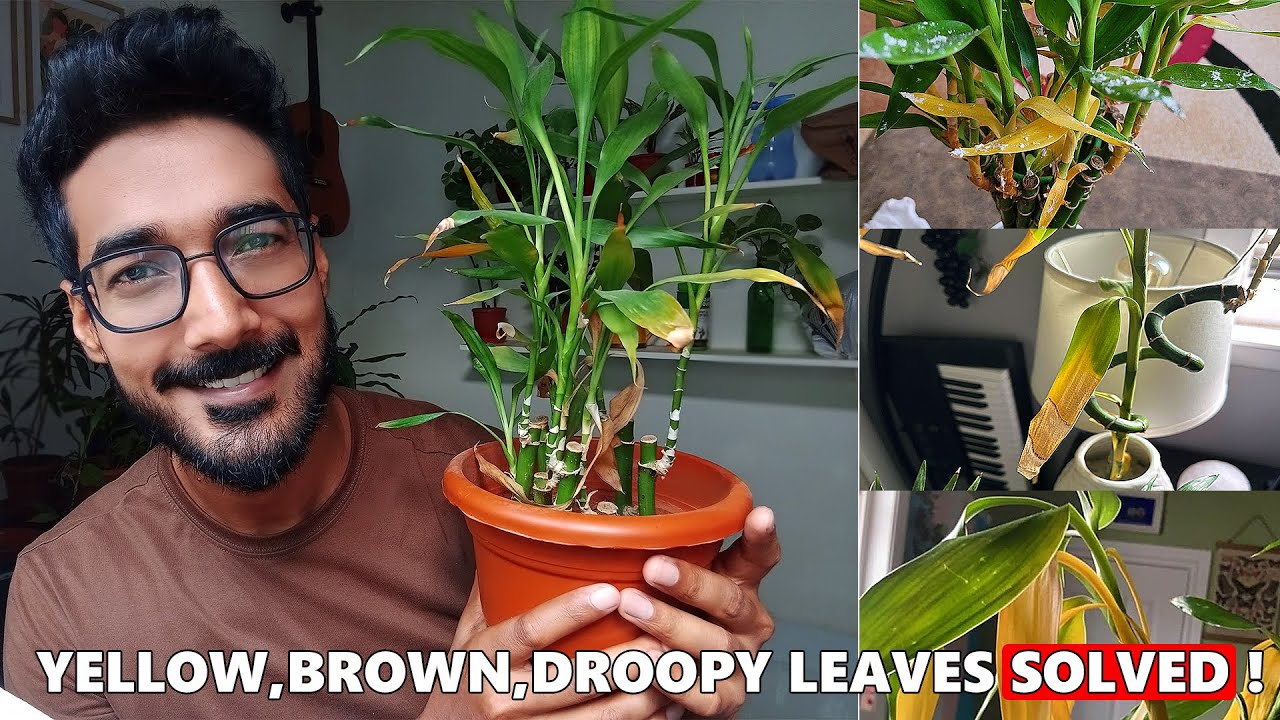
Credit: www.youtube.com
Troubleshooting Common Problems
Caring for a bamboo plant at home can sometimes be tricky. Problems like yellowing leaves or slow growth can occur.
Knowing how to fix these issues helps keep your bamboo healthy and strong.
Yellowing Leaves
Yellow leaves on bamboo often mean the plant is stressed. This can happen from too much water or not enough light.
Check the soil moisture and light levels. Bamboo likes well-drained soil and bright, indirect light.
- Reduce watering if soil feels wet for many days
- Move the plant to a brighter spot, but avoid direct sun
- Remove yellow leaves to help new growth
- Check for pests like spider mites or aphids
Slow Growth Issues
Slow growth in bamboo can be caused by lack of nutrients or poor light. The plant needs regular feeding and good light to thrive.
Use a balanced fertilizer and place the plant near a bright window. Avoid cold drafts and sudden temperature changes.
- Feed the bamboo with a liquid fertilizer once a month
- Keep the plant in a warm, well-lit area
- Repot if roots are crowded to give more space
- Trim old or dead stems to encourage new shoots

Credit: www.epicgardening.com
Frequently Asked Questions
How Often Should I Water My Bamboo Plant?
Water your bamboo plant once a week, ensuring the soil stays moist but not soggy. Adjust watering frequency based on your home's humidity and temperature to avoid overwatering or drying out.
What Is The Best Light Condition For Bamboo Plants?
Bamboo plants thrive in indirect, bright light. Avoid direct sunlight as it can scorch leaves. Low light can stunt growth, so place your bamboo near a window with filtered sunlight.
How Can I Prevent Pests On My Bamboo Plant?
Inspect your bamboo regularly for pests like spider mites and aphids. Use insecticidal soap or neem oil spray to treat infestations. Keep the plant clean and avoid overwatering to reduce pest risks.
What Soil Type Is Ideal For Bamboo At Home?
Use well-draining, nutrient-rich soil for your bamboo. A mix of potting soil, sand, and organic compost works well. Good drainage prevents root rot and supports healthy bamboo growth.
Conclusion
Caring for a bamboo plant at home is simple and rewarding. Give it the right light and water regularly. Keep the soil moist but not too wet. Trim yellow leaves to keep it healthy. Watch your bamboo grow strong and green.
Small steps make a big difference. Enjoy the fresh, natural vibe it brings to your space. Start today and see your bamboo thrive easily.