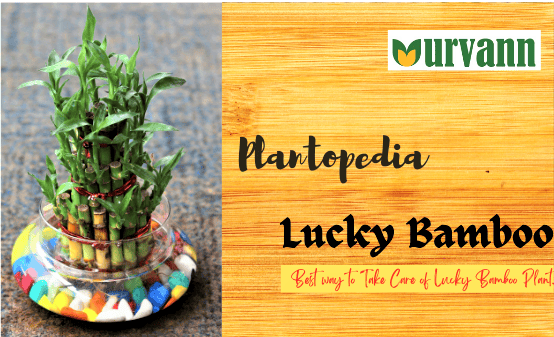
Are you ready to bring a touch of green and calm into your home? Taking care of a bamboo plant is easier than you might think, and it can transform any space with its natural beauty.
But how do you keep your bamboo healthy and thriving? In this guide, you’ll discover simple tips that make caring for your bamboo plant a breeze. By the end, you’ll know exactly what your plant needs to grow strong and vibrant.
Keep reading to unlock the secrets to a happy, healthy bamboo right in your own home.
Choosing The Right Bamboo
Bamboo is a popular plant for homes and gardens. Choosing the right type helps it grow well. Picking the right bamboo depends on your space and care needs.
Some bamboo types do better indoors. Others grow well outside. Learning the differences will help you decide.
Indoor Vs Outdoor Varieties
Indoor bamboo plants stay smaller and need less sunlight. They do well in pots and inside homes. Outdoor bamboo can grow tall and spread fast. They need room and sunlight.
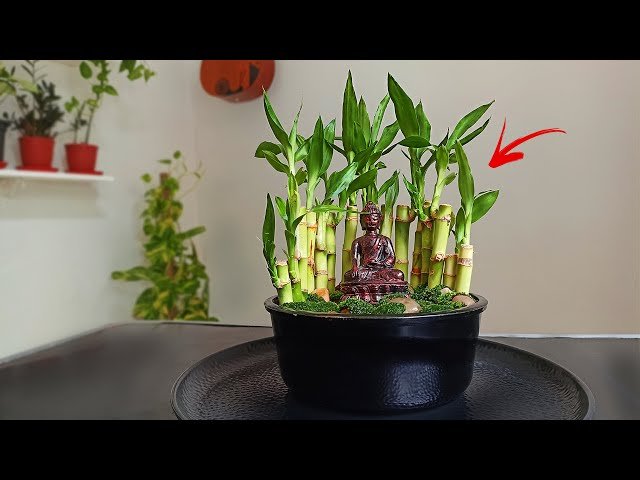
- Indoor bamboo types: Lucky bamboo, dwarf bamboo
- Outdoor bamboo types: Running bamboo, clumping bamboo
- Indoor bamboo needs indirect light
- Outdoor bamboo needs full or partial sun
Size And Growth Considerations
Bamboo size varies from small to very tall. Some grow quickly and spread wide. Others stay compact. Choose bamboo size that fits your space.
Think about how fast the bamboo will grow. Fast-growing bamboo needs more care and space. Slow-growing types are easier to manage indoors.
- Small bamboo: good for desks and shelves
- Medium bamboo: fits small gardens and patios
- Large bamboo: needs big yards and open space
- Running bamboo spreads fast and may need barriers
- Clumping bamboo grows slowly and stays in place

Credit: www.epicgardening.com
Ideal Location For Bamboo
Bamboo plants need the right place to grow well inside your home.
Choosing a good spot helps the plant stay healthy and strong.
Light Requirements
Bamboo prefers bright, indirect light to grow best. Direct sunlight can burn the leaves.
- Place bamboo near windows with filtered light.
- East or west-facing windows are good choices.
- Avoid placing bamboo in dark corners.
- Artificial grow lights can help if natural light is low.
Temperature And Humidity
Bamboo plants like warm temperatures and steady humidity levels.
| Condition | Ideal Range |
| Temperature | 65°F to 80°F (18°C to 27°C) |
| Humidity | 40% to 60% |
Keep bamboo away from cold drafts and heating vents to avoid stress.
Watering Bamboo Plants
Water is very important for bamboo plants. They need the right amount to grow well.
Too little or too much water can harm the plant. Learn how often and how much to water your bamboo.
Frequency And Amount
Bamboo plants like their soil to stay moist but not soggy. Water them regularly, but do not let water pool around the roots.
- Water young bamboo plants every 2-3 days.
- Established bamboo needs watering once a week.
- Increase watering during hot or dry weather.
- Use about 1 inch of water each time.
Signs Of Overwatering And Underwatering
| Condition | Signs | What to Do |
| Overwatering | Yellow leaves, soft stems, moldy soil | Reduce watering, improve drainage |
| Underwatering | Dry leaves, brown tips, slow growth | Water more often, increase water amount |

Credit: www.epicgardening.com
Soil And Fertilization
Bamboo plants are popular for their easy care and elegant appearance. Proper soil and fertilization are key to a healthy bamboo plant at home.
Understanding the right soil type and feeding schedule ensures your bamboo thrives. Let’s explore these important aspects.
Best Soil Types
Bamboo plants prefer well-drained soil to prevent waterlogging. The ideal soil mix is crucial for their growth.
| Soil Type | Characteristics |
| Loamy Soil | Retains moisture, rich in nutrients |
| Sandy Soil | Good drainage, less compact |
| Clay Soil | High in nutrients, retains water |
Feeding Schedule And Fertilizer Types
Fertilizing bamboo is important for its health and growth. A regular feeding schedule provides essential nutrients.
- Use a balanced fertilizer every 2-3 months.
- Apply liquid fertilizer during the growing season.
- Reduce feeding in winter months.
There are different fertilizers suitable for bamboo plants. Choose the type that fits your plant's needs.
- Nitrogen-rich fertilizer for leaf growth
- Slow-release fertilizer for long-term feeding
- Organic fertilizer for a natural option
Pruning And Maintenance
Taking care of a bamboo plant at home is easy. Regular pruning keeps the plant healthy and looking good.
Proper maintenance involves trimming and removing dead leaves. This helps the bamboo grow well.
Trimming Techniques
Trimming your bamboo plant is important. It controls the size and shape of the plant.
Use sharp scissors or pruning shears. Cut the stalks just above a node for best results.
- Trim in spring for new growth
- Cut stalks at an angle
- Keep tools clean to avoid disease
Removing Dead Or Yellow Leaves
Check your bamboo for dead or yellow leaves. Removing them keeps the plant healthy.
Gently pull the leaves off by hand. This prevents the spread of disease.
- Remove leaves as soon as they appear dead
- Inspect the plant weekly
- Dispose of leaves properly to avoid pests
Pest And Disease Control
Taking care of a bamboo plant means watching for pests and diseases. These problems can harm your plant's growth and health.
Knowing how to spot and treat common pests helps keep your bamboo strong. You can also use natural ways to stop problems before they start.
Common Pests
Some pests often attack bamboo plants. These include spider mites, aphids, and mealybugs. They feed on the plant sap and make the leaves look unhealthy.
You may see tiny webs, sticky leaves, or white cotton-like spots on your bamboo. These signs show pests are present.
- Spider mites cause fine webs and yellow spots
- Aphids suck sap and leave sticky residue
- Mealybugs look like small white cotton balls
Natural Remedies And Prevention
Use natural remedies to fight pests without harming your plant. Washing leaves with water can remove pests. Insecticidal soap or neem oil also works well.
Keep your bamboo healthy by placing it in good light and watering properly. Healthy plants resist pests better. Clean old leaves and keep the area tidy.
- Spray leaves with water to remove pests
- Apply neem oil or insecticidal soap
- Keep bamboo in bright, indirect light
- Water regularly but avoid waterlogging
- Remove dead leaves and debris
Repotting Bamboo Plants
Repotting bamboo plants keeps them healthy and growing well. It gives roots more space and fresh soil to use.
Knowing when and how to repot helps your bamboo stay strong at home. This guide will help you with each step.
When To Repot
Repot your bamboo plant every 1 to 2 years. This helps avoid root crowding in the pot.
Look for signs like roots growing out of drainage holes or slow growth. These mean your plant needs more space.
- Roots visible outside pot
- Plant growth slows down
- Soil dries out very fast
- Plant looks top-heavy or unstable
Step-by-step Repotting Guide
Start by choosing a pot one size bigger than the current one. Make sure it has drainage holes.
Follow these steps to repot your bamboo plant safely:
- Water the plant a day before repotting to reduce stress.
- Carefully remove the bamboo from its old pot.
- Gently loosen the roots if they are tightly packed.
- Place fresh potting soil in the new pot.
- Set the bamboo in the new pot and fill around roots with soil.
- Press soil lightly to remove air pockets.
- Water the plant well after repotting.
- Keep the plant in indirect light for a few days.
Encouraging Healthy Growth
Bamboo plants add a fresh look to any home. They grow fast but need care to stay healthy.
Good care helps bamboo grow strong and green. This guide shares tips for better growth.
Tips For Faster Growth
Give your bamboo enough light. Bright, indirect sunlight helps it grow well.
Water your bamboo regularly but avoid waterlogging. Keep the soil moist, not soaked.
- Use a pot with drainage holes
- Feed bamboo with a balanced liquid fertilizer every month
- Keep the temperature between 65°F and 90°F (18°C to 32°C)
- Prune dead or yellow leaves to encourage new growth
Avoiding Common Mistakes
Do not place bamboo in direct sunlight. Too much sun can burn the leaves.
Avoid overwatering, which causes root rot. Let the topsoil dry before watering again.
- Do not use cold water; use room temperature water
- Avoid using hard water with high mineral content
- Do not keep bamboo in drafty or very dry places
- Do not ignore signs of pests like yellowing or spots on leaves

Credit: www.aol.com
Frequently Asked Questions
How Often Should I Water My Bamboo Plant?
Water your bamboo plant once a week or when soil feels dry. Avoid overwatering, which causes root rot. Keep soil moist but not soggy for healthy growth.
What Type Of Light Does Bamboo Need Indoors?
Place bamboo in bright, indirect sunlight. Direct sunlight can scorch leaves. Low light slows growth but bamboo tolerates moderate shade indoors.
How Do I Prevent Yellow Leaves On Bamboo?
Yellow leaves usually indicate overwatering or poor drainage. Ensure proper watering and use well-draining soil. Trim yellow leaves to encourage new growth.
Can I Grow Bamboo In A Small Pot?
Yes, bamboo grows well in small pots with good drainage. Repot every 1-2 years to refresh soil and prevent root crowding.
Conclusion
Caring for a bamboo plant at home is simple and rewarding. Give it bright, indirect light and water regularly. Keep the soil moist but not soggy. Trim yellow leaves to keep it healthy and neat. Watch your plant grow strong with these easy steps.
Enjoy the calm and green touch it brings to your space. A little care goes a long way with bamboo. Try these tips and see your plant thrive.