Have you ever wanted to make delicious sushi at home but didn’t have a bamboo mat? Don’t worry—you can still roll perfect sushi without one!
Imagine impressing your friends and family with homemade sushi that looks and tastes amazing. In this guide, you’ll learn simple, easy tricks to roll sushi using everyday items you already have. By the end, you’ll feel confident creating your own sushi rolls, saving money and enjoying fresh flavors anytime you want.
Ready to become a sushi pro? Let’s get started!

Credit: www.youtube.com
Tools For Rolling Sushi
Rolling sushi usually requires a bamboo mat, but you can make sushi without one. There are simple tools and ingredients that help you roll sushi at home.
Knowing which tools to use makes the process easier and more fun. You can prepare sushi with items found in your kitchen.
Alternative Rolling Tools
You do not need a bamboo mat to roll sushi. Many household items can work well as alternatives to roll sushi tightly and evenly.
- A clean kitchen towel covered with plastic wrap helps shape sushi rolls.
- Parchment paper or wax paper can be used to roll sushi without sticking.
- Plastic wrap alone can help keep the sushi roll tight during rolling.
- A silicone baking mat can also act like a sushi rolling mat.
Essential Ingredients
Good sushi needs fresh and simple ingredients. Having the right ingredients ready helps you roll sushi smoothly.
- Sushi rice, cooked and seasoned with rice vinegar.
- Nori sheets (seaweed) to wrap the sushi.
- Fillings like fresh fish, cucumber, avocado, or crab sticks.
- Soy sauce, wasabi, and pickled ginger for serving.
Preparing Your Workspace
Setting up a clean and organized workspace helps you roll sushi better. Prepare all tools and ingredients within reach.
- Use a flat surface with enough space for rolling.
- Keep a bowl of water nearby to wet your hands and prevent sticking.
- Have a sharp knife ready to cut the sushi rolls cleanly.
- Cover your working surface with plastic wrap or parchment for easy cleaning.
Preparing Sushi Rice
Sushi rice is the base of any good sushi roll. Preparing it well makes your homemade sushi taste better.
This guide covers washing and cooking rice, seasoning it, and tips for cooling and handling.
Washing And Cooking Rice
Start by rinsing the rice to remove extra starch. This helps the rice cook evenly and become less sticky.
- Place sushi rice in a bowl and cover with cold water.
- Swirl the rice gently with your hand and drain the water.
- Repeat rinsing until the water runs clear, about 3 to 4 times.
- Drain the rice well before cooking.
- Cook the rice using a rice cooker or pot with a tight lid.
- Use a 1:1.1 ratio of rice to water for best texture.
Seasoning The Rice
Sushi rice needs a special seasoning to give it the classic flavor. This seasoning is called sushi-su.
| Ingredient | Amount for 2 cups cooked rice |
| Rice vinegar | 3 tablespoons |
| Sugar | 2 tablespoons |
| Salt | 1 teaspoon |
Mix these ingredients until sugar and salt dissolve. Pour evenly over the hot rice and fold gently.
Cooling And Handling Tips
After seasoning, cool the rice to room temperature before using it. This keeps the rice sticky but not mushy.
Follow these tips for best results:
- Use a wooden or plastic spatula to fold rice gently.
- Fan the rice while mixing to cool it quickly.
- Cover the rice with a damp cloth to keep it moist.
- Do not refrigerate sushi rice; use it fresh.
Choosing Fillings
Picking the right fillings makes your sushi tasty and fun to eat. You can try many ingredients at home.
Think about what flavors and textures you like. This helps you create sushi you enjoy.
Popular Seafood Options
Seafood is a classic choice for sushi. Fresh fish and shellfish add a rich taste and smooth texture.
- Salmon – soft and mild flavor
- Tuna – firm texture and rich taste
- Shrimp – sweet and slightly crunchy
- Crab – delicate and slightly sweet
- Eel – cooked with a sweet sauce
Vegetarian Choices
Vegetarian sushi is healthy and colorful. Use fresh vegetables and plant-based fillings.
| Vegetable | Texture | Flavor |
| Avocado | Creamy | Buttery |
| Cucumber | Crunchy | Fresh |
| Carrot | Crunchy | Sweet |
| Pickled Radish | Firm | Sour and sweet |
| Asparagus | Tender | Earthy |
Combining Flavors
Good sushi fillings balance taste and texture. Mix soft, crunchy, sweet, and salty ingredients.
Try these combos:
- Salmon with avocado for creamy and rich
- Tuna with cucumber for fresh and firm
- Shrimp with carrot for sweet and crunchy
- Crab with pickled radish for sweet and tangy
- Avocado with asparagus for creamy and earthy
Credit: www.hungryhuy.com
Rolling Sushi Without A Mat
You can roll sushi at home without a bamboo mat. It takes a little practice and simple tools.
This guide shows easy ways to roll sushi without special equipment.
Using Plastic Wrap
Plastic wrap helps keep sushi tight and neat. Lay a sheet on a flat surface before adding rice and fillings.
- Spread a sheet of plastic wrap on the table.
- Place a nori sheet on the plastic wrap.
- Evenly spread sushi rice over the nori.
- Add your choice of fillings in a line near one edge.
- Use the plastic wrap to lift and roll the sushi tightly.
- Press gently to shape the roll evenly.
- Unwrap the plastic wrap and slice the sushi roll.
Rolling With A Towel
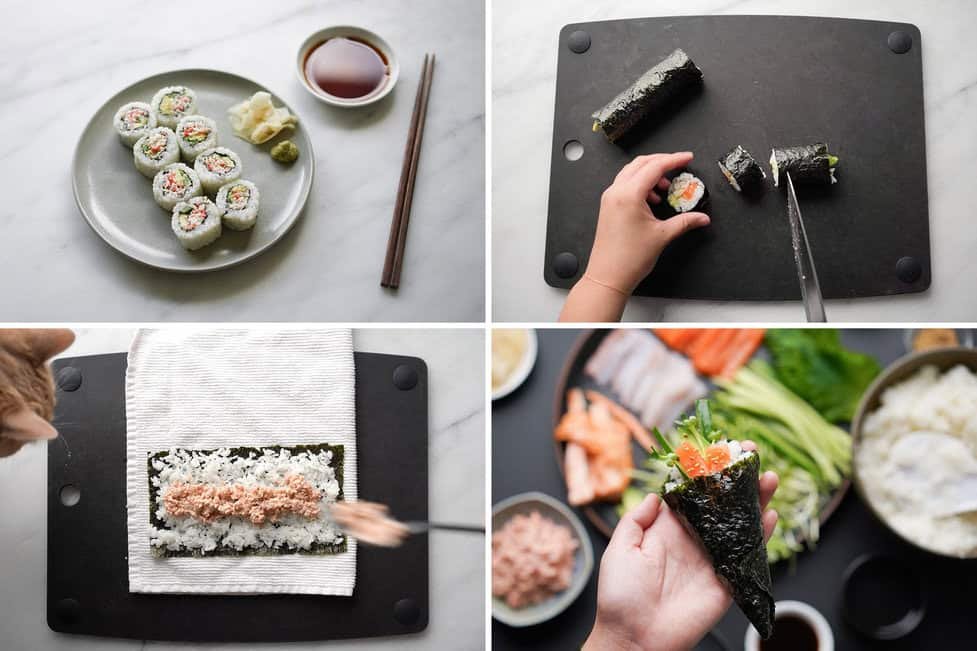
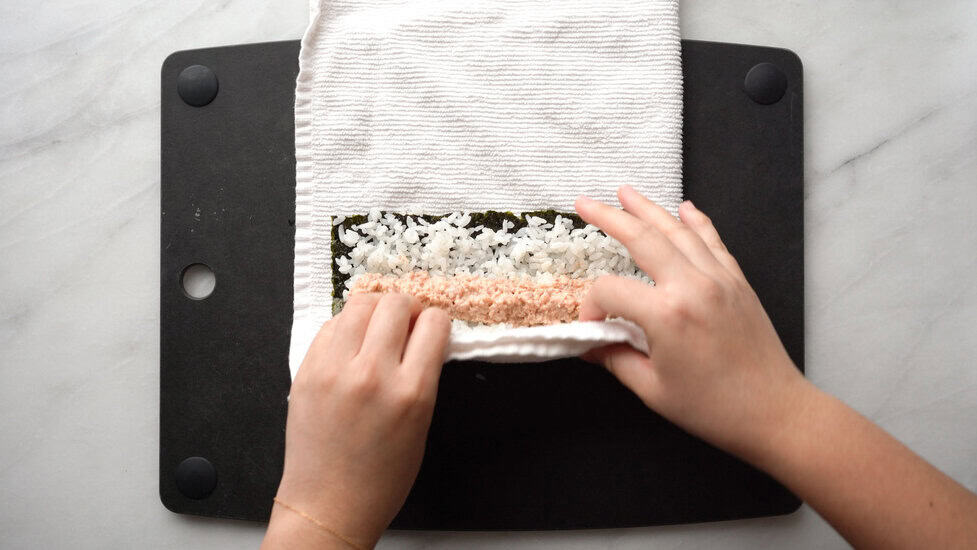
A clean kitchen towel can replace a bamboo mat. Wrap the towel in plastic wrap before rolling.
- Spread plastic wrap over a clean towel.
- Place the nori sheet on the plastic wrap.
- Add sushi rice and fillings as usual.
- Lift the edge of the towel and plastic wrap.
- Roll the sushi gently but firmly.
- Use the towel to press and shape the roll.
Hand Rolling Techniques
Hand rolling is simple and does not need any tools. It creates cone-shaped sushi called temaki.
| Step | Instruction |
| 1 | Place a half sheet of nori in your palm. |
| 2 | Add a small amount of rice on one side. |
| 3 | Put fillings on top of the rice. |
| 4 | Fold the nori over the fillings into a cone shape. |
| 5 | Press gently to hold the shape. |
Cutting And Serving
Preparing sushi at home can be fun and rewarding. You don't need a bamboo mat to roll perfect sushi. Once your rolls are ready, it's time to cut and serve them with style.
Let's explore how to slice sushi without squishing it and present it beautifully on a plate.
Slicing Without Squishing
It's important to use a sharp knife for cutting sushi. A dull knife can squish the roll and ruin its shape. Wet the blade with a little water before slicing.
- Use a sawing motion to cut through the roll.
- Wipe the knife with a damp cloth after each slice.
- Cut the roll into even pieces for uniformity.
Presentation Ideas
Presentation makes your sushi more appealing. Arrange the slices neatly on a plate. You can add colorful garnishes for a nice touch.
| Garnish | Color |
| Pickled Ginger | Pink |
| Wasabi | Green |
| Sesame Seeds | White |
Serving Suggestions
Consider serving your sushi with some traditional sides. This enhances the dining experience and adds flavor variety.
Try these serving suggestions to complement your sushi:
- Serve with soy sauce for dipping.
- Add a side of miso soup.
- Include edamame as a light appetizer.
Tips For Perfect Rolls
Rolling sushi at home can be fun and easy without a bamboo mat. With the right tips, you can make neat and tasty rolls.
Focus on simple techniques and good ingredients. This guide will help you avoid mistakes, balance your rice and fillings, and keep your tools clean.
Avoiding Common Mistakes
Many beginners make the same errors when rolling sushi without a bamboo mat. Avoid these to get better results.
- Do not overfill the roll; it will break easily.
- Keep your hands wet to prevent rice from sticking.
- Use a clean surface to roll sushi tightly.
- Cut the sushi roll with a sharp, wet knife.
- Apply gentle but firm pressure when rolling.
Adjusting Rice And Filling Amounts
Balancing rice and fillings helps make sushi rolls that hold together and taste great. Too much rice or filling can cause problems.
| Ingredient | Recommended Amount | Tip |
|---|---|---|
| Sushi Rice | About 3/4 cup per roll | Spread evenly, thin layer |
| Fish or Vegetables | 2-3 pieces or strips | Keep filling centered |
| Seaweed Sheet (Nori) | 1 sheet per roll | Place shiny side down |
Cleaning And Maintenance
Cleaning your tools and workspace helps sushi stay fresh and prevents sticking. It also makes rolling easier.
- Wash your hands before and during sushi making.
- Rinse the knife with water between cuts.
- Use a damp cloth to clean the rolling surface often.
- Store leftover rice covered to keep it moist.
- Dry any wooden or bamboo tools to avoid mold.

Credit: healthysnacks.nz
Frequently Asked Questions
How Can I Roll Sushi Without A Bamboo Mat?
You can use alternatives like plastic wrap, a clean towel, or parchment paper. These help shape the sushi tightly and keep ingredients intact while rolling.
What Household Items Replace A Bamboo Sushi Mat?
Use items like a clean kitchen towel, plastic wrap, or parchment paper. They provide structure and prevent sticking, making sushi rolling easier without a bamboo mat.
How To Keep Sushi Rice From Sticking Without A Mat?
Wet your hands and tools with water or vinegar. This prevents rice from sticking and helps you roll sushi smoothly without a bamboo mat.
Is Rolling Sushi Without A Bamboo Mat Difficult?
It can be tricky initially but becomes easier with practice. Using alternatives like plastic wrap helps maintain sushi shape and roll tightly without a bamboo mat.
Conclusion
Rolling sushi at home without a bamboo mat is simple and fun. You only need a clean surface and some basic tools. Practice makes perfect, so don't worry about mistakes. Enjoy trying different fillings and flavors. Homemade sushi brings joy and a tasty meal.
Give it a try and surprise your family or friends. Cooking at home can be creative and relaxing. Sushi making can become a new hobby for anyone. Keep experimenting and enjoy your sushi journey.