Are you looking to roll steel plate at home but don’t know where to start? You’re about to discover simple, clear steps that make this tough job easier than you think.
Whether you want to create custom shapes or improve your metalworking skills, this guide will give you the confidence and know-how to get it done right. Keep reading, and you’ll learn the secrets that professionals use—without needing expensive tools or a big workshop.
Your next steel project is closer than you imagine!

Credit: www.twwoods.com.au
Tools Needed
Rolling steel plate at home requires the right tools to do the job safely and well.
This guide covers the main equipment and safety gear needed for steel plate rolling.
Essential Equipment
You need strong and precise tools to roll steel plate correctly. These tools help shape the metal without damage.
- Steel plate roller or slip roll machine
- Heavy-duty workbench or stand
- Measuring tape or ruler for accuracy
- Clamps to hold the steel plate in place
- Metal cutting tools like angle grinder or metal shears
- Hammer and mallet for minor adjustments
- Lubricant to ease the rolling process
Safety Gear
Protective gear prevents injuries during steel plate rolling. Always wear proper safety items to stay safe.
| Gear | Purpose |
| Safety glasses | Protect eyes from flying metal shards |
| Gloves | Shield hands from sharp edges and heat |
| Ear protection | Reduce noise from cutting and rolling |
| Steel-toe boots | Protect feet from heavy falling objects |
| Long sleeves and pants | Guard skin from sparks and sharp edges |

Credit: www.reliance-foundry.com
Selecting Steel Plate
Rolling steel plate at home needs the right steel choice. Picking the correct steel plate helps you get good results.
Focus on thickness and steel type. These affect how easy the steel rolls and its final shape.
Choosing The Right Thickness
Thickness changes how hard the steel is to roll. Thin plates bend easier. Thick plates need more force.
- Thin steel plates (under 1/8 inch) are best for small projects.
- Medium thickness (1/8 to 1/4 inch) works for many DIY tasks.
- Thick steel plates (over 1/4 inch) require strong tools or machines.
- Very thick plates are hard to roll by hand and may crack.
Types Of Steel Suitable For Rolling
Some steel types roll better than others. Soft steels bend without breaking. Hard steels need heat before rolling.
| Steel Type | Rolling Ease | Notes |
| Low Carbon Steel | Easy | Good for most home projects |
| Medium Carbon Steel | Moderate | May need heating |
| High Carbon Steel | Hard | Needs heat, can crack if cold |
| Stainless Steel | Hard | Resists rust, needs heat |
| Alloy Steel | Varies | Check specific alloy properties |
Preparing The Workspace
Rolling steel plate at home needs a clean and safe workspace. A good setup helps you work better and avoid accidents.
Organize your area before starting. This saves time and keeps the project on track.
Setting Up A Safe Area
Choose a flat, stable surface with enough room for the steel plate and tools. Keep the area free of clutter.
- Clear the floor of any debris or obstacles.
- Ensure good lighting to see details clearly.
- Wear protective gear like gloves and goggles.
- Keep a fire extinguisher nearby in case of sparks.
- Mark off the workspace to keep others safe.
Organizing Tools And Materials
Gather all tools before you start. This includes rollers, clamps, measuring tape, and safety equipment.
| Tool | Purpose |
| Steel Rollers | Bend and shape the steel plate |
| Clamps | Hold steel securely in place |
| Measuring Tape | Measure dimensions accurately |
| Work Gloves | Protect hands from sharp edges |
| Safety Goggles | Protect eyes from metal shards |
Heating Techniques
Rolling steel plate at home needs proper heating. The right heat makes steel soft and easier to shape.
Using the correct heating method protects the steel from damage. It also helps you work safely and well.
Methods To Heat Steel
You can heat steel using different tools. Each method suits different steel sizes and home setups.
- Propane Torch:Good for small plates and quick heating.
- Forge:Best for larger steel and even heating.
- Oven or Kiln:Useful for controlled, uniform heat.
- Electric Heater:Offers steady heat but may take longer.
Temperature Guidelines
Heating steel to the right temperature is key. Too cold and it won't bend. Too hot and it can weaken.
| Steel Type | Ideal Heating Temperature (°F) | Notes |
|---|---|---|
| Carbon Steel | 1200 - 1600 | Softens well for rolling |
| Stainless Steel | 1400 - 1800 | Requires more heat to soften |
| Tool Steel | 1300 - 1500 | Heat carefully to avoid damage |
Rolling Process
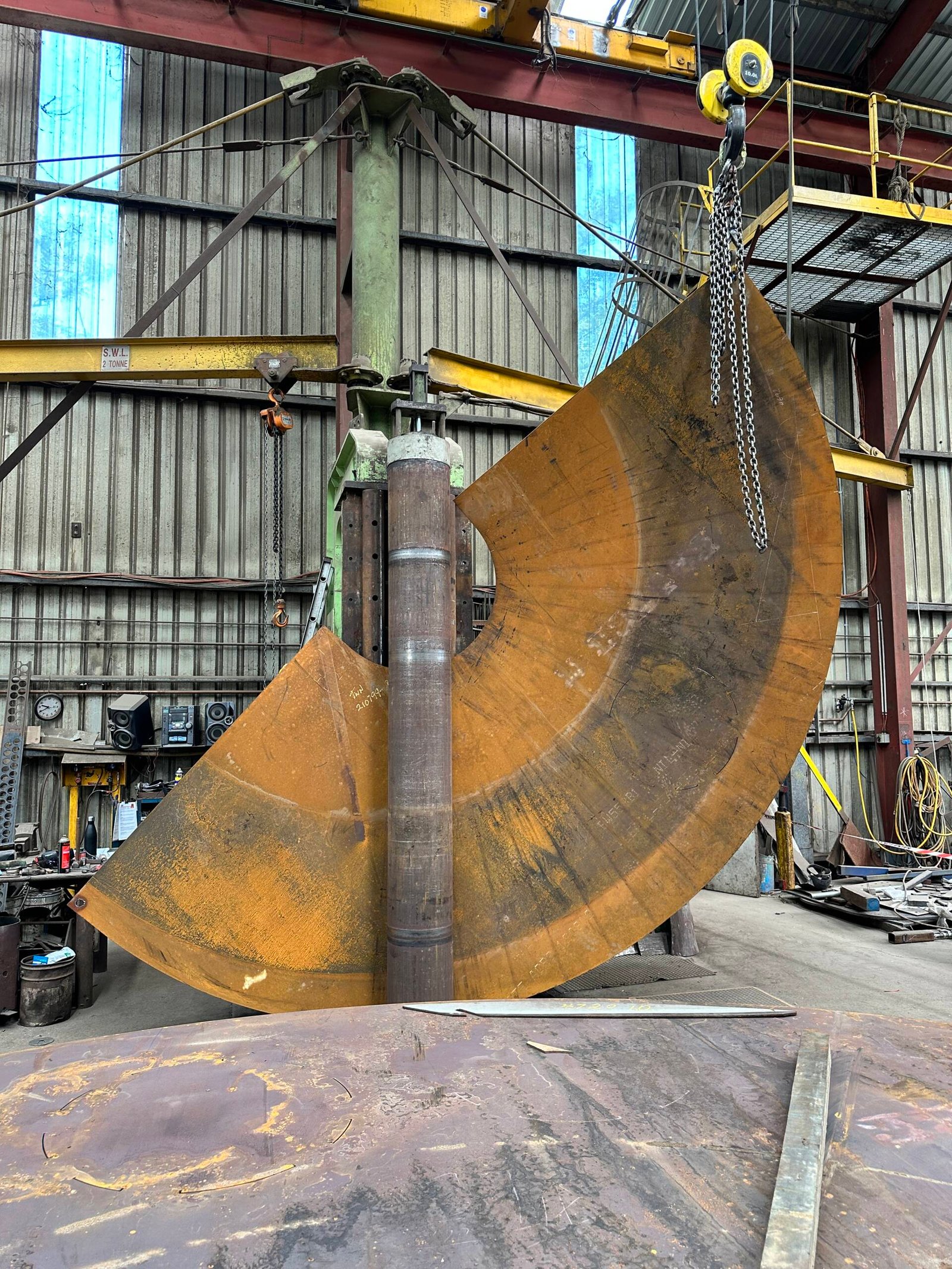
Rolling steel plates at home is a useful skill for many projects. It changes flat steel into curved shapes.
The process requires careful control to avoid damaging the steel. You can roll steel manually or with machines.
Manual Rolling Methods
You can roll steel plates by hand using simple tools. This method works best for small or thin plates.
Use a strong workbench and clamps to hold the steel. Bend the plate slowly by applying pressure evenly.
- Heat the steel if it is thick to make bending easier
- Use a hammer or mallet to shape the edges
- Roll the plate over a round object like a pipe
- Work gradually to prevent cracks or warping
Using A Roller Machine
Roller machines help shape steel plates faster and more evenly. They use rollers to bend the metal smoothly.
Place the steel plate between the rollers. Turn the handle or switch on the motor to start rolling.
- Adjust the rollers to control the curve tightness
- Feed the plate slowly for consistent bending
- Check the curve often to meet your needs
- Use safety gear to protect your hands and eyes
Tips For Even Rolling
Even rolling helps keep the steel plate strong and smooth. Follow these tips to get good results.
- Heat thick steel evenly before rolling
- Roll slowly and check the shape often
- Apply equal pressure along the plate
- Use a straight edge to measure the curve
- Make small adjustments to avoid sharp bends
- Keep the rollers clean and well lubricated
Shaping And Finishing
Rolling steel plate at home can be a rewarding task. It requires careful shaping and precise finishing.
With the right techniques, you can bend steel smoothly and ensure safe edges.
Bending Techniques
Bending steel plate needs strength and tools. Use a vise and hammer for small pieces. A homemade jig can help with larger plates.
Wear safety gear to protect yourself. Bend slowly to avoid cracks.
- Mark the bend line with chalk
- Secure the plate in a strong vise
- Use a hammer for gentle taps
- Check the bend regularly
Smoothing Edges
Smooth edges prevent injury. Use a file or grinder for this task. Always wear gloves and eye protection.
Work slowly to achieve a clean finish. Check for any sharp spots.
- Clamp the steel securely
- Use a file for manual smoothing
- For faster results, use a grinder
- Feel the edges for any roughness
Common Challenges
Rolling steel plate at home can be hard. The metal is thick and hard to shape.
Two big problems are cracks and warping. These can ruin the steel or make it unsafe.
Avoiding Cracks
Cracks happen when the steel bends too fast or is too cold. This breaks the metal.
Keep the steel warm and bend it slowly. Heat makes the metal soft and less likely to crack.
- Heat the steel evenly before rolling
- Use slow, steady pressure
- Avoid sharp bends or sudden moves
- Check the steel often for small cracks
Dealing With Warping
Warping happens when parts of the steel cool unevenly or bend unevenly. It makes the plate twist or bend wrong.
Try to heat the plate evenly and cool it slowly. Use tools that support the steel well during rolling.
- Heat the steel plate evenly on all sides
- Use straight rolls and supports
- Roll the plate gradually to keep shape
- Let the steel cool down slowly and flat
Maintenance And Storage
Rolling steel plates at home requires proper care. Keeping tools and materials in good condition is essential. Let's explore how to maintain and store them effectively.
This ensures your equipment lasts long and performs well each time you use it.
Caring For Tools
Tools need regular maintenance. Clean them after each use to prevent rust and damage. Check for wear and tear to ensure safety.
Oiling moving parts keeps them functioning smoothly. Store tools in a dry place to avoid moisture-related issues.
- Wipe tools clean after every use
- Inspect for wear and replace damaged parts
- Oil joints and moving parts regularly
- Store in a dry, safe location
Storing Rolled Steel Plates
Proper storage of rolled steel plates is important. Keep them away from moisture to prevent rust. Use a stable surface to avoid bending.
Stack them neatly to save space and make retrieval easier. Label each plate with details like thickness and type for easy identification.
| Storage Tips |
| Keep dry to prevent rust |
| Use stable surfaces |
| Stack neatly |
| Label for easy identification |

Credit: www.harsle.com
Frequently Asked Questions
How Do You Roll A Steel Plate At Home Safely?
To roll steel plates safely at home, use proper protective gear like gloves and goggles. Heat the plate evenly to make it flexible. Use sturdy rollers or a pipe to shape the plate gradually. Work slowly to avoid cracks or injuries.
What Tools Are Needed To Roll Steel Plates At Home?
You need a metal roller or a sturdy pipe, clamps, and a heat source like a propane torch. Protective gear such as gloves and safety glasses is essential. A hammer or mallet can help fine-tune the shape after rolling.
Can I Roll Thick Steel Plates Without Professional Equipment?
Rolling thick steel plates without professional tools is challenging. Heating the steel uniformly is crucial for flexibility. Using homemade rollers or pipes may work for thin plates, but thick plates require heavy-duty rollers and presses for a smooth bend.
What Is The Best Heating Method For Rolling Steel Plates?
Using a propane torch or an oxy-acetylene torch is effective for heating steel plates at home. Heat the plate evenly to avoid warping. The steel should be hot enough to bend but not melt. Always follow safety precautions.
Conclusion
Rolling steel plate at home takes patience and care. Start with the right tools and safety gear. Heat the steel evenly before bending it slowly. Check your progress often to avoid mistakes. Practice helps improve your skill and results. Keep your workspace clean and organized for safety.
With time, you can shape steel plates effectively. Stay safe and enjoy the process of creating.