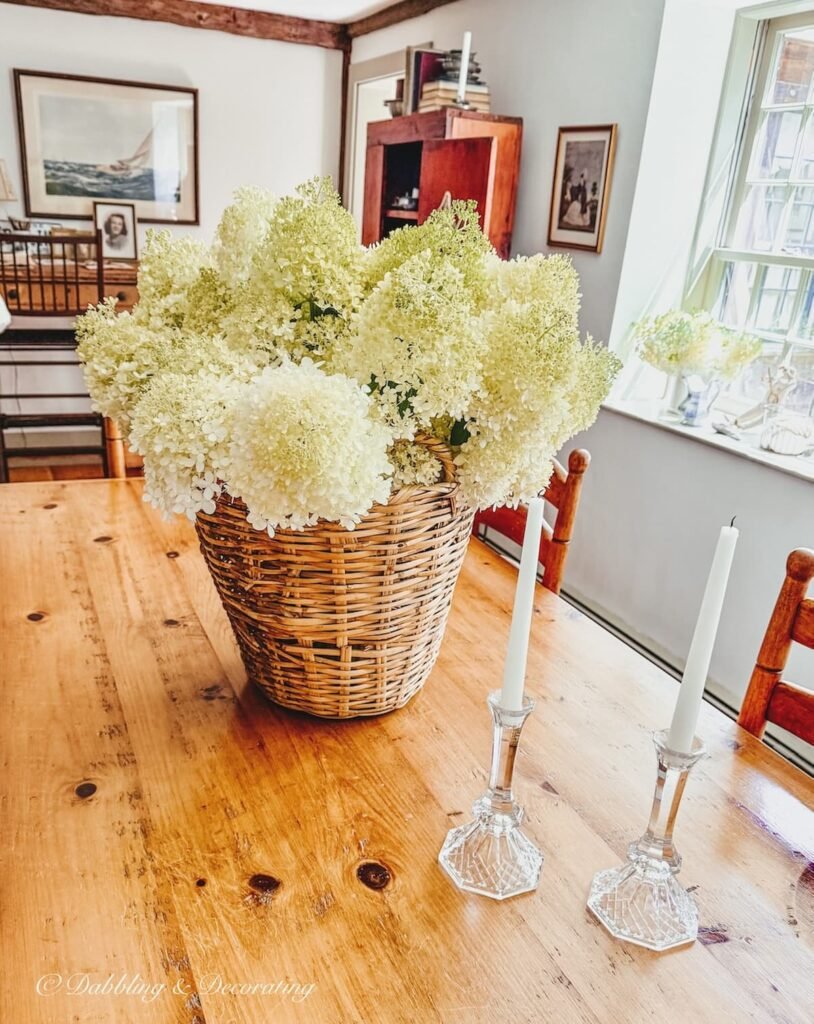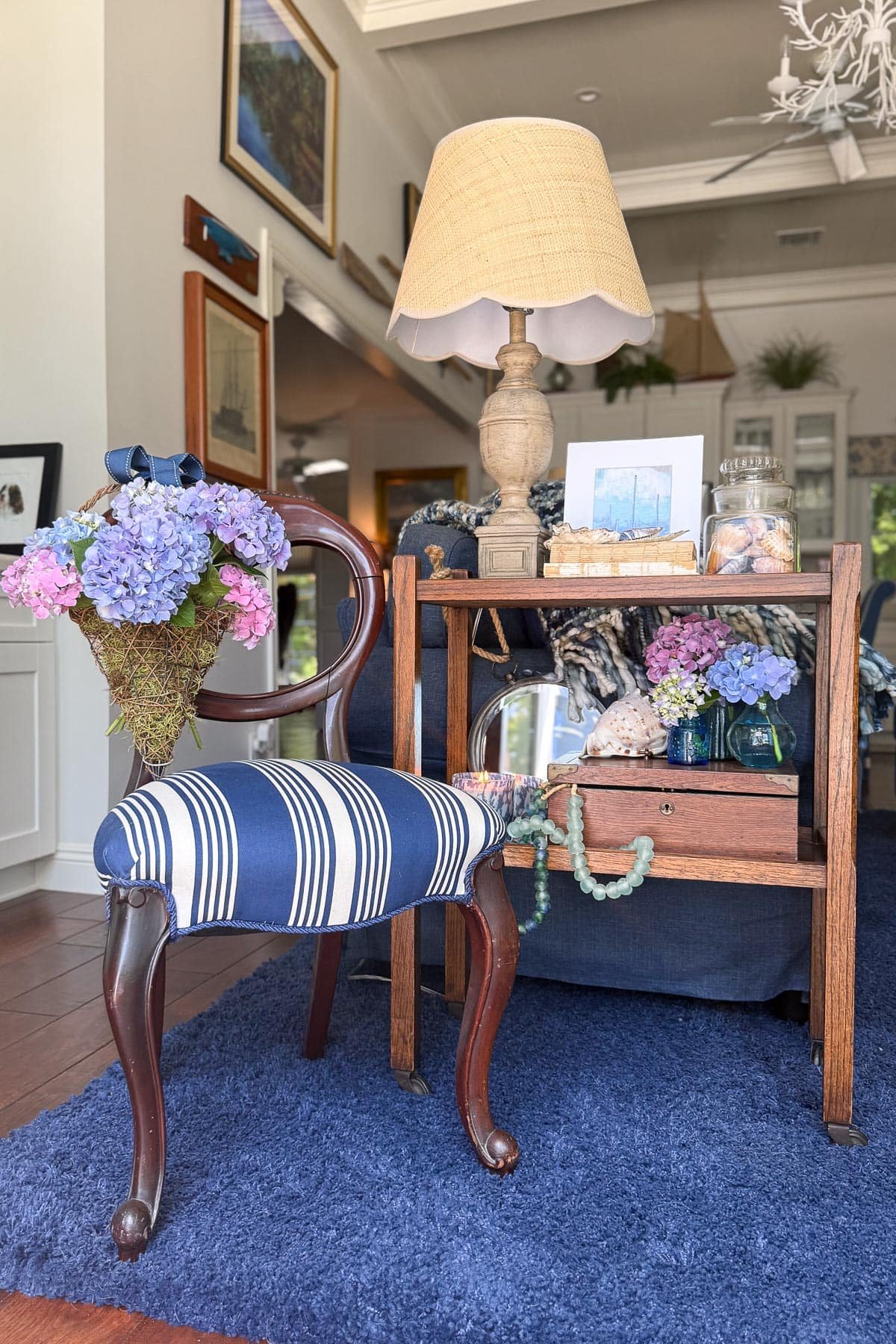
Are you ready to give your living room chair a fresh, coastal makeover without breaking the bank? Reupholstering your chair can transform it into a stylish centerpiece that captures the calm, breezy vibe of the coast.
Imagine sinking into a chair that feels like a day at the beach—soft, inviting, and full of character. In this guide, you’ll discover simple steps and helpful tips to reupholster your chair with ease, even if you’ve never tried it before.
Keep reading, and you’ll soon bring that coastal charm right into your home.
Choosing The Right Chair
Reupholstering a living room chair can refresh its look. Choosing the right chair helps to match a coastal style. This style brings calm and light to your space.
Pick a chair that fits the coastal theme well. Look for designs and materials that remind you of the beach and sea.
Selecting Coastal Style Chairs
Coastal style chairs often have simple lines and natural shapes. Choose chairs that feel airy and relaxed. Wood frames with soft curves work well.
- Look for light or whitewashed wood
- Pick chairs with rattan or wicker details
- Choose designs with open, breathable backs
- Avoid heavy or dark furniture
- Consider slipcovered chairs for easy cleaning
Materials That Suit Coastal Themes
Materials play a big role in coastal style. They should feel natural and fresh. Use fabrics and finishes that reflect the beach vibe.
| Material | Description | Why It Fits Coastal Style |
| Linen | Light, breathable fabric | Feels fresh and natural |
| Cotton | Soft and easy to clean | Simple and casual look |
| Rattan | Woven natural fiber | Brings texture and warmth |
| Wood | Light-colored or whitewashed | Mimics driftwood and beach tones |
| Jute | Coarse natural fiber | Adds organic texture |
Gathering Tools And Supplies
Reupholstering a coastal style living room chair needs the right tools and materials. Gather everything before you start.
This will help you work smoothly and get the best results for your chair.
Essential Upholstery Tools
You need a few basic tools to reupholster your chair properly. These tools help you remove old fabric and attach new material.
- Staple remover or flathead screwdriver
- Upholstery stapler and staples
- Fabric scissors
- Measuring tape
- Needle-nose pliers
- Hammer
- Chalk or fabric marker
- Upholstery needles and thread
Picking Coastal Fabrics And Foam
Choose fabric and foam that fit the coastal style and feel comfortable. Light colors and natural textures work best.
| Material | Features | Best Use |
| Linen | Lightweight, breathable | Chair covering |
| Cotton Canvas | Durable, easy to clean | Chair covering |
| Foam (High Density) | Firm, holds shape | Seat cushions |
| Foam (Medium Density) | Soft, comfortable | Back cushions |
| Batting | Soft layer, smooths edges | Padding under fabric |
Removing Old Upholstery
Removing old upholstery is the first step in reupholstering a coastal style living room chair. This process helps you prepare the chair for new fabric and padding.
Take your time to carefully remove the old materials. This will protect the chair frame and make your work easier.
Stripping Fabric And Padding
Start by removing the fabric covering the chair. Use pliers or a staple remover to pull out staples or tacks. Be gentle to avoid damaging the wood.
After the fabric is off, remove the padding. Old padding may be dusty or broken down. Dispose of it properly before adding new materials.
- Use pliers to pull out staples
- Remove fabric slowly to keep wood safe
- Take off old padding fully
- Clean the chair surface if dusty
Inspecting The Chair Frame
Check the chair frame for any damage or loose joints. Look for cracks, wobbling, or missing parts. Fix these issues before adding new fabric.
A strong frame makes the chair last longer and hold new upholstery better. Tighten screws and glue loose joints if needed.
- Look for cracks or splits in the wood
- Test if the chair feels stable
- Tighten any loose screws
- Use wood glue for loose joints
- Sand rough spots before reupholstering
Preparing The Chair Frame
Preparing the chair frame is an important step before reupholstering. It helps the new fabric fit well and last longer.
This stage includes cleaning, fixing any damage, and treating the wood parts. Doing this right sets a strong base.
Cleaning And Repairing
Start by cleaning the chair frame to remove dust and dirt. Use a soft cloth and mild soap with water.
Check the frame for loose joints, cracks, or broken parts. Tighten screws or add wood glue where needed.
- Remove old fabric and staples carefully
- Clean all surfaces with a damp cloth
- Use wood glue for loose joints
- Fill small cracks with wood filler
- Let repairs dry fully before moving on
Sanding And Priming Wood
Sand the wooden parts to smooth rough areas and remove old paint or finish. Use fine-grit sandpaper for best results.
After sanding, apply a primer to protect the wood. Primer helps paint or stain stick better and lasts longer.
- Sand all wooden surfaces evenly
- Wipe away dust with a clean cloth
- Apply a thin coat of primer
- Allow primer to dry completely
- Lightly sand again if surface feels rough
Cutting And Attaching New Fabric
Reupholstering a coastal style living room chair starts with cutting and attaching new fabric. This step shapes the look and feel of your chair.
Use careful measurements and secure the fabric tightly for a clean finish. Take your time to avoid mistakes.
Measuring And Cutting Fabric
Measure each part of the chair you want to cover. Add extra fabric for tucking and stapling.
Cut the fabric with sharp scissors. Cut slowly to keep the edges straight and neat.
- Measure seat, back, and arms separately
- Add 3 to 4 inches to each measurement
- Use chalk or fabric markers for cutting lines
- Cut fabric on a flat surface to avoid mistakes
Stapling And Securing Material
Start stapling the fabric from the center of each side. Pull the fabric tight before stapling.
Work your way to the corners. Fold the fabric neatly to avoid wrinkles and loose areas.
- Use a heavy-duty stapler for best results
- Staple about every 1 to 2 inches
- Keep fabric smooth and tight as you work
- Trim any excess fabric after stapling

Credit: www.kathykuohome.com
Adding Padding And Cushions
Reupholstering a coastal style chair can bring new life to your living room. Adding the right padding and cushions enhances comfort and style.
Let's explore how to choose the best foam and layer it for the perfect seating experience.
Choosing Foam Density
The density of foam affects the chair's comfort and durability. Higher density foam offers firmer support and lasts longer.
- High-density foam: Best for firm seating
- Medium-density foam: Balanced comfort and support
- Low-density foam: Soft, suitable for light use
Layering Padding For Comfort
Layering different materials can enhance the cushion's feel. Combine foam with other layers for added comfort.
| Padding Layer | Purpose |
| Foam Base | Provides main support |
| Polyester Batting | Adds softness |
| Memory Foam Top | Contours to body shape |
Finishing Touches
Reupholstering a chair in coastal style is rewarding. Finishing touches make the project shine. Small details bring charm and elegance.
These final steps ensure the chair looks polished. Attention to detail is key for the perfect finish. Let's explore some essential steps.
Adding Decorative Trim
Decorative trim enhances the chair's appeal. It adds a touch of sophistication and completes the look.
- Select trim that matches your fabric.
- Use a staple gun to secure it in place.
- Keep the trim even for a neat appearance.
Protecting And Cleaning The Chair
After finishing, protect your chair to keep it looking new. Regular cleaning is essential for long-lasting beauty.
Cleaning involves gentle vacuuming and spot cleaning. Use mild soap and water for stains, and always test on a hidden area first.
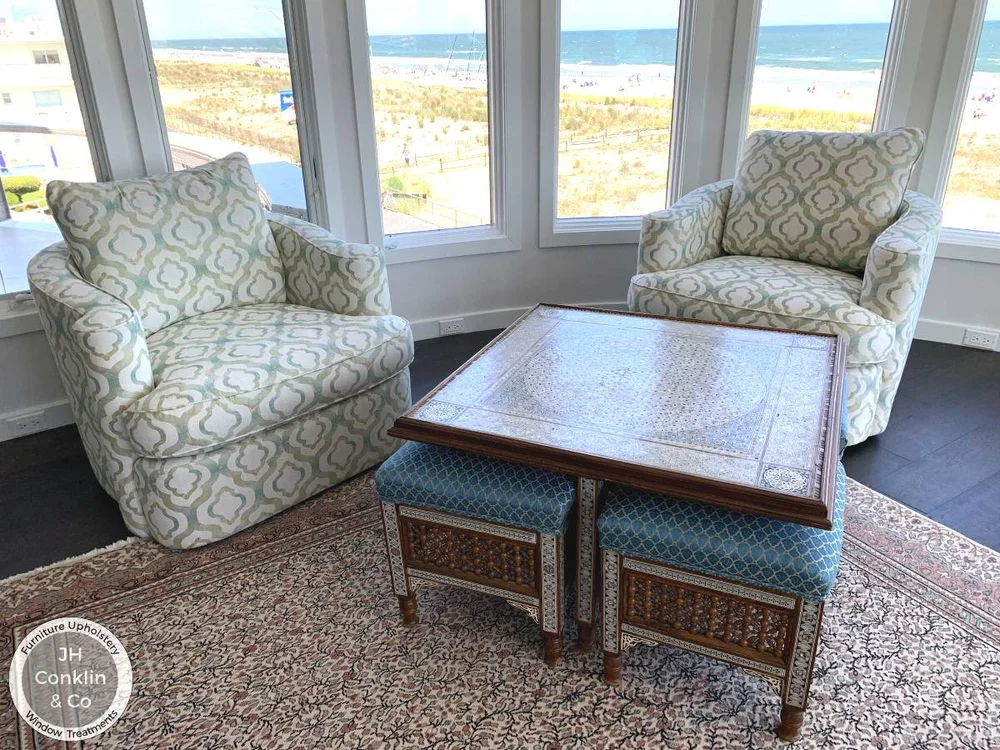
Credit: www.jhconklin.net
Maintaining Your Coastal Chair
Keeping your coastal style living room chair clean and in good shape helps it last longer. Simple care can preserve its fresh and airy look.
This guide shares easy ways to clean and protect your chair from damage over time.
Regular Cleaning Tips
Dust and dirt can dull your chair’s fabric and frame. Clean it often to keep it bright and inviting.
- Use a soft brush or vacuum with an upholstery attachment to remove dust.
- Blot spills quickly with a clean cloth to avoid stains.
- Spot-clean fabric using mild soap and water. Test in a hidden spot first.
- Wipe wooden or painted parts with a damp cloth, then dry them well.
- Keep the chair out of direct sunlight to prevent fading.
Preventing Wear And Tear
Wear and tear can harm your chair’s look and structure. Take steps to protect it and keep it sturdy.
| Cause | Prevention Tip |
| Heavy use | Rotate cushions and seats regularly |
| Sun damage | Place chair in shaded areas |
| Moisture | Use fabric protectors and avoid damp spots |
| Pets | Use covers or keep pets off the chair |
| Sharp objects | Avoid placing items that can snag fabric |

Credit: interiorai.com
Frequently Asked Questions
What Materials Do I Need To Reupholster A Coastal Chair?
You need fabric, foam, batting, a staple gun, scissors, and basic tools. Choose light, airy fabrics like linen or cotton for a coastal vibe.
How Do I Choose Fabric For A Coastal Style Chair?
Select fabrics in soft blues, whites, or sandy neutrals. Natural textures like linen or cotton enhance the coastal look.
Can I Reupholster A Chair Without Prior Experience?
Yes, with patience and proper tools, beginners can reupholster chairs. Follow step-by-step guides for best results.
How Long Does Reupholstering A Coastal Chair Take?
It usually takes 4 to 6 hours, depending on chair complexity and your skill level.
Conclusion
Reupholstering a coastal style chair brings fresh life to your space. It saves money and adds personal touch. Choose light, airy fabrics to keep the beachy feel. Take your time with each step for best results. Soon, your chair will feel new and inviting.
Enjoy the cozy, relaxed vibe it creates at home. Try this project to refresh your living room easily. Simple changes can make a big difference.