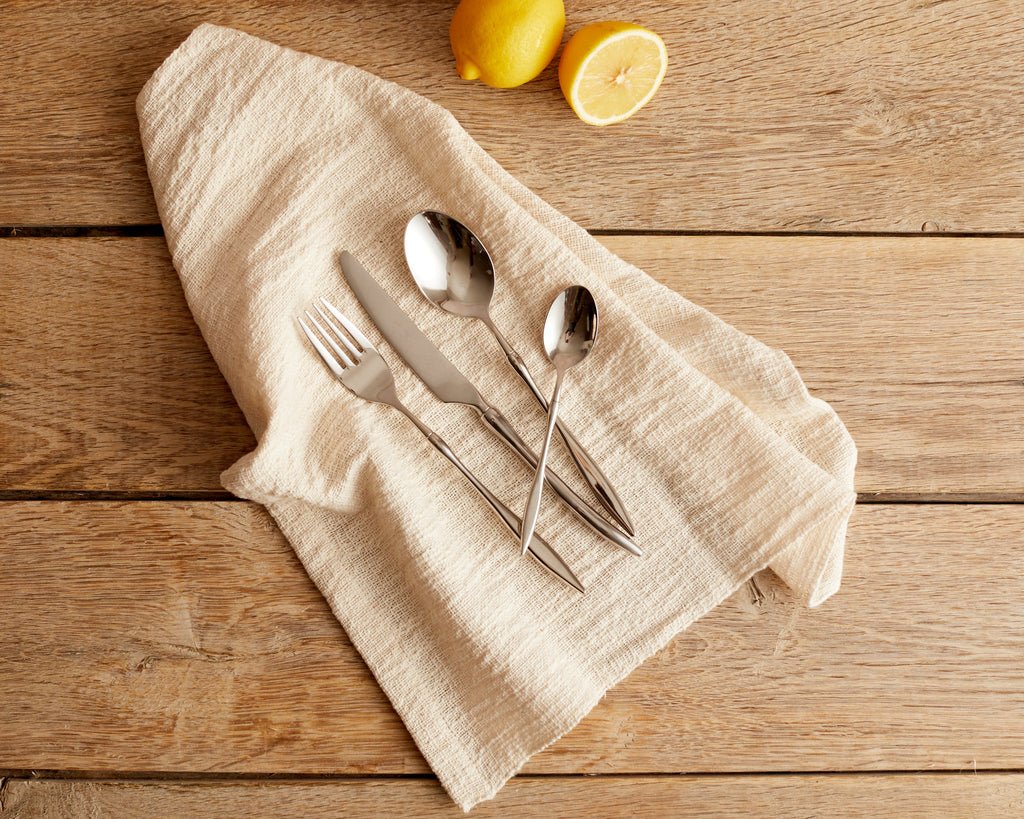
Have you noticed rust spots ruining your favorite stainless steel cutlery? It can be frustrating to see your shiny knives and forks lose their sparkle.
But don’t worry—you don’t need expensive tools or chemicals to fix this. You’ll discover simple, effective ways to remove rust from your cutlery right at home. By the end, your utensils will look almost brand new, and you’ll save money while keeping your kitchen safe and clean.
Ready to bring back that shine? Let’s get started!

Credit: www.youtube.com
Causes Of Rust On Stainless Steel Cutlery
Rust on stainless steel cutlery can be surprising since it is made to resist corrosion. Still, rust spots do appear sometimes. Understanding what causes rust helps keep your cutlery shiny and strong.
This section explains the common rust triggers and how moisture and storage affect your cutlery's condition.
Common Rust Triggers
Rust forms when iron in the steel reacts with oxygen and water. Some things make this reaction easier on your cutlery.
- Scratches or damage to the protective surface layer
- Exposure to salty or acidic foods
- Using harsh cleaning agents or steel wool
- Leaving food residue on cutlery for too long
- Low-quality stainless steel with less chromium
Impact Of Moisture And Storage
Moisture and how you store your cutlery greatly affect rust development. Wet or damp conditions allow rust to start and spread quickly.
| Storage Condition | Effect on Rust |
| Cutlery left wet in the sink | High chance of rust spots forming |
| Stored in airtight container with moisture | Rust can develop from trapped humidity |
| Properly dried and stored in dry drawer | Rust risk is very low |
| Mixed with other metals | May cause galvanic corrosion and rust |
Basic Cleaning Supplies Needed
Rust on stainless steel cutlery can be removed using simple items found at home. Using the right supplies makes cleaning easier and safer.
Gather these basic supplies before starting the rust removal process. They help restore shine and protect your cutlery.
Household Items For Rust Removal
You can use common household items to remove rust from your stainless steel cutlery effectively. These items are gentle yet work well.
- Baking soda – acts as a mild abrasive to scrub rust off
- White vinegar – dissolves rust through its acidity
- Lemon juice – natural acid that helps break rust stains
- Aluminum foil – crumpled piece for scrubbing without scratching
- Soft cloth or sponge – to apply and wipe cleaning solutions
- Water – for rinsing and cleaning the cutlery
Safety Precautions
Safety is important when cleaning rust from cutlery. Some cleaning agents can irritate skin or damage surfaces if used incorrectly.
| Precaution | Reason |
| Wear rubber gloves | Protects skin from acids and abrasives |
| Work in a well-ventilated area | Prevents inhaling fumes from vinegar or lemon juice |
| Avoid using steel wool | Can scratch and damage stainless steel surface |
| Rinse cutlery thoroughly | Removes residue that may cause corrosion |
| Store supplies safely | Keeps cleaning agents away from children and pets |
Simple Home Remedies For Rust Removal
Rust on stainless steel cutlery can look bad and affect use. You can clean rust at home with easy ingredients. These simple ways use items found in most kitchens.
Try these natural methods to remove rust safely. They do not harm your cutlery or use harsh chemicals.
Using Baking Soda Paste
Baking soda is a mild abrasive that removes rust gently. Make a thick paste by mixing baking soda and water. Spread it on the rusty areas of your cutlery.
Let the paste sit for about 30 minutes. Then scrub the rust with a soft brush or cloth. Rinse well with water and dry thoroughly.
- Mix 3 parts baking soda with 1 part water
- Apply paste on rust spots
- Wait 30 minutes
- Scrub gently with cloth or brush
- Rinse and dry cutlery
Lemon And Salt Method
Lemon juice contains acid that breaks down rust. Salt acts as a scrub to help remove it. Sprinkle salt on the rusty parts and squeeze lemon juice over it.
Let the mixture sit for 2 hours. Rub the area with the lemon peel or a soft cloth. Rinse the cutlery and dry it well to avoid new rust.
- Sprinkle salt on rust spots
- Squeeze fresh lemon juice on salt
- Wait 2 hours
- Rub with lemon peel or cloth
- Rinse and dry thoroughly
Vinegar Soak Technique
White vinegar has acetic acid that dissolves rust. Soak your cutlery in vinegar for a few hours. This loosens the rust for easy removal.
After soaking, scrub with a soft brush or cloth. Rinse with water and dry completely. Avoid soaking too long to protect the metal.
- Fill a bowl with white vinegar
- Soak cutlery for 2-3 hours
- Scrub rust gently with brush or cloth
- Rinse well
- Dry immediately
Step-by-step Rust Removal Process
Rust on stainless steel cutlery can ruin its look and safety. You can remove rust at home with simple tools.
This guide shows an easy rust removal process. Follow these steps carefully to restore your cutlery.
Preparing The Cutlery
Start by gathering your rusted cutlery and cleaning them lightly. Remove any dirt or food residues first.
Dry the cutlery well before you apply any rust remover. This helps the remover work better on rust spots.
Applying The Rust Remover
Use a natural or store-bought rust remover. Lemon juice, baking soda, or vinegar work well at home.
- For lemon juice, squeeze fresh juice on rust areas.
- Make a paste with baking soda and water, then spread on rust.
- Soak the cutlery in vinegar for 30 minutes if rust is heavy.
Scrubbing And Cleaning
Use a soft brush or sponge to scrub the rust gently. Avoid harsh scrubbers that can scratch the steel.
Scrub until rust spots fade. Reapply rust remover if needed and scrub again carefully.
Rinsing And Drying
Rinse the cutlery with warm water to remove all rust remover and residue. Check for leftover rust.
Dry the cutlery fully with a clean towel. Store them in a dry place to stop rust from coming back.
Preventing Rust On Stainless Steel Cutlery
Stainless steel cutlery can develop rust if not cared for properly. Preventing rust helps keep your cutlery shiny and long-lasting.
Simple habits in washing, storing, and maintaining cutlery protect it from rust. This guide explains easy ways to prevent rust at home.
Proper Washing Techniques
Wash stainless steel cutlery soon after use. Avoid letting food sit on the cutlery for a long time.
Use mild dish soap and warm water. Do not use harsh chemicals or steel wool to clean cutlery.
- Rinse cutlery well to remove soap
- Dry immediately with a soft cloth
- Avoid soaking cutlery for many hours
- Use a soft sponge or cloth for cleaning
Storage Tips
Store cutlery in a dry place to keep rust away. Moisture causes rust to form on stainless steel.
Use cutlery trays or holders that allow air circulation. Avoid storing cutlery in damp drawers or containers.
- Keep cutlery separate to avoid scratches
- Use drawer liners to absorb moisture
- Store in a cool, dry cabinet
- Open drawers occasionally to air them out
Regular Maintenance
Check your cutlery often for spots of rust or stains. Clean these spots quickly to stop rust from spreading.
Polish your cutlery with a stainless steel cleaner or a mixture of baking soda and water. This keeps the surface smooth and rust-free.
- Inspect cutlery monthly for damage
- Use a soft cloth to polish after washing
- Avoid abrasive cleaners that scratch surfaces
- Replace damaged cutlery to avoid rust spread

Credit: kyokuknives.com
When To Seek Professional Help
Rust on stainless steel cutlery can sometimes be too severe for home remedies. In such cases, professional help might be needed to restore your cutlery.
Knowing when to call in experts can save your utensils from permanent damage. Let's explore some situations where professional services are advisable.
Severe Rust Damage
If your cutlery has extensive rust spots or deep corrosion, it is time to consult a professional. They have the tools and expertise to tackle severe rust effectively.
- Deep pitting on the surface
- Large rust patches that don't improve with home remedies
- Structural weakening of the cutlery
Restoration Services
Restoration services can bring your cutlery back to life. Professionals use advanced methods to clean and restore the steel without causing further damage.
Consider professional services if:
- You want a long-term solution
- The cutlery has sentimental value
- You own expensive or rare pieces
| Service Type | Description |
| Electrolytic Cleaning | Removes rust using an electric current |
| Professional Polishing | Restores shine and removes surface scratches |
| Full Restoration | Includes rust removal and re-polishing |

Credit: www.homesneaks.com
Frequently Asked Questions
How Can I Remove Rust From Stainless Steel Cutlery?
Use baking soda paste or white vinegar to scrub rust gently. Rinse and dry cutlery thoroughly to prevent further rusting. Repeat if needed for stubborn rust spots.
What Household Items Clean Rust Off Stainless Steel Cutlery?
Common items like baking soda, white vinegar, lemon juice, and salt effectively remove rust. They are safe, affordable, and easy to use at home.
Is It Safe To Eat With Rusted Stainless Steel Cutlery?
Minor rust isn't harmful but can affect taste and hygiene. Clean rust off properly before use to ensure safety and maintain cutlery quality.
How Do I Prevent Rust On Stainless Steel Cutlery?
Dry cutlery immediately after washing. Store in a dry place and avoid prolonged exposure to water or acidic foods to prevent rust formation.
Conclusion
Removing rust from stainless steel cutlery is simple and quick. Use common items like baking soda, vinegar, or lemon juice. Gently scrub the rust spots with a soft cloth or brush. Rinse and dry the cutlery well to stop rust from coming back.
Regular cleaning keeps your cutlery shiny and safe to use. Try these easy steps at home to save money and keep your utensils looking new. Rust does not have to ruin your favorite cutlery. Give it a clean and enjoy your meals worry-free.