Have you ever had a piece of cotton stuck in your ear and felt unsure about how to get it out safely? It can be uncomfortable and even a little scary.
But don’t worry—you don’t always need to rush to a doctor. With the right steps, you can remove cotton from your ear at home without causing harm. Keep reading to discover simple, effective methods that protect your ear and give you peace of mind.
Your comfort and safety are just a few easy actions away.

Credit: www.youtube.com
Risks Of Cotton In Ear
Leaving cotton stuck in your ear can cause several problems. It is important to understand the risks before trying to remove it at home.
Cotton inside the ear may lead to pain, infection, and damage. Learn what signs to watch for and how it can harm your ear.
Potential Ear Damage
When cotton stays in the ear, it can block the ear canal and cause damage. The delicate skin inside the ear can be scratched or irritated.
- Earwax build-up around cotton may harden and block sound
- Scratches can cause pain and swelling
- Pressure from cotton can cause discomfort or ear fullness
- Damage to the eardrum if cotton is pushed too deep
Signs Of Infection
Infections can start if bacteria grow near the cotton. Watch for these common signs to know if you need medical help.
| Symptom | Description |
| Pain | Sharp or constant ache inside the ear |
| Redness | Skin around ear canal looks inflamed |
| Swelling | Ear canal feels tight or swollen |
| Discharge | Fluid or pus coming from the ear |
| Hearing Loss | Sounds become muffled or unclear |
| Fever | Body temperature rises due to infection |

Credit: bebird.com
When To Avoid Home Removal
Removing cotton from your ear at home can be risky in some cases. It is important to know when you should not try to remove it yourself. Doing so may cause more harm than good.
This guide explains the signs that mean you should avoid home removal and seek medical help instead.
Severe Pain Or Discomfort
If you feel strong pain or severe discomfort in your ear, do not attempt to remove cotton at home. Pain may mean there is an infection or damage inside the ear. Trying to remove the cotton could make the problem worse.
- Intense sharp or throbbing pain
- Ear feels blocked or full
- Discomfort worsens when touching the ear
- Pain lasts for several hours or more
Bleeding Or Hearing Loss
Bleeding from the ear or sudden hearing loss are serious signs. These symptoms show that the ear might be injured or infected. Removing cotton by yourself can lead to more damage or infection.
| Symptom | Reason to Avoid Home Removal |
|---|---|
| Bleeding | Possible injury or tear in the ear canal |
| Hearing Loss | Blocked ear drum or deeper ear problems |
| Both Bleeding and Hearing Loss | Urgent medical attention needed |
Safe Removal Techniques
Removing cotton from your ear at home needs care. Using the wrong way can hurt your ear.
This guide shows safe ways to remove cotton without damage or pain.
Using Tweezers Carefully
Tweezers can pull cotton out if done gently. Use only small, clean tweezers.
Do not push the cotton deeper. Grab the cotton tip softly and pull it straight out.
- Wash your hands before starting.
- Use a good light source to see clearly.
- Do not force the cotton if it resists.
- Stop if you feel pain or discomfort.
Gentle Ear Irrigation
Ear irrigation uses water to flush out cotton safely. Warm water helps loosen the cotton.
Use a bulb syringe to gently spray water into the ear canal. Let the water flow out naturally.
- Use clean, warm water (not hot or cold).
- Fill a bulb syringe with water.
- Tilt your head to the side.
- Gently squirt water into the ear canal.
- Allow water and cotton to drain out.
- Repeat if needed, but do not overdo it.

Credit: www.news18.com
Tools Needed At Home
Removing cotton from your ear safely requires the right tools. Using proper items can help avoid injury and discomfort.
Here are some common tools you might already have at home that can assist in this process.
Cotton Swabs And Their Risks
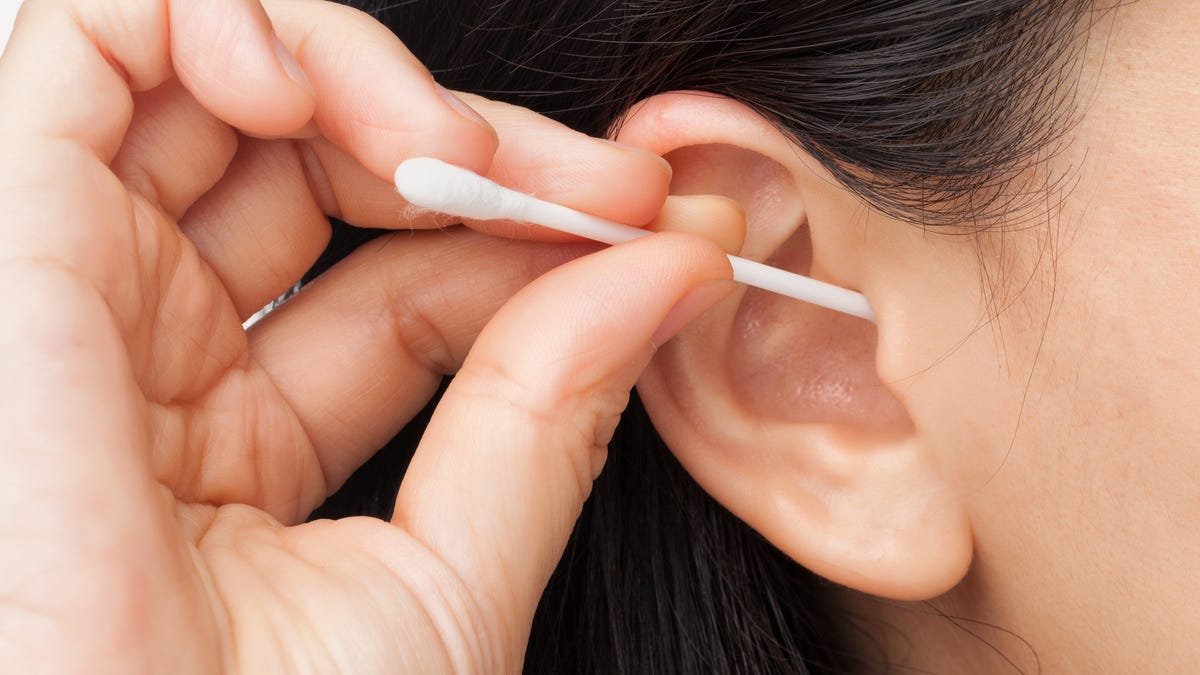
Cotton swabs are popular but can push cotton deeper into the ear canal. This may cause blockages or damage to the eardrum.
- Swabs can push earwax or cotton further inside
- Risk of scratching or injuring the ear canal
- May cause pain or infections
Recommended Alternatives
Using safer tools helps remove cotton without harming your ear. Here are some alternatives you can try at home.
| Tool | Use | Safety Tip |
| Warm Water | Flush out cotton gently | Use a dropper, avoid forceful squirting |
| Soft Cloth | Wipe outer ear | Do not insert into ear canal |
| Ear Bulb Syringe | Gently irrigate ear | Use lukewarm water, low pressure |
| Olive Oil Drops | Soften cotton or wax | Use a few drops, avoid if infection present |
Step-by-step Removal Guide
Removing cotton stuck in your ear at home can be done safely with care. Follow simple steps to avoid injury or infection.
This guide helps you prepare, remove, and care for your ear after cotton removal.
Preparing The Ear
Before removing cotton, make sure your hands and tools are clean. This lowers the chance of infection.
Find a bright place to work and have a mirror ready. Sit down comfortably to keep your head steady.
- Wash your hands with soap and water
- Use clean tweezers or a cotton swab (if needed)
- Have a flashlight or good lighting
- Prepare a bowl of warm water
Executing The Removal
Gently try to remove the cotton without pushing it deeper. Use slow and steady movements.
If you cannot see the cotton, avoid poking inside. You can soften the cotton with warm water first.
- Tilt your head to the side with the ear facing up
- Use a dropper to put a few drops of warm water into the ear
- Wait a few minutes to soften the cotton
- Use clean tweezers to carefully pull out the cotton
- Stop if you feel pain or resistance
Aftercare Tips
After removing the cotton, keep the ear dry and clean. Avoid inserting objects inside the ear canal.
If you feel pain, itching, or hearing loss, see a healthcare professional soon.
- Dry your ear with a soft towel
- Do not use cotton swabs inside the ear
- Avoid water exposure for 24 hours
- Monitor for pain, redness, or discharge
- Consult a doctor if symptoms worsen
When To Seek Medical Help
Removing cotton from your ear at home can be tricky. It's important to know when you need a doctor.
If you notice certain symptoms, it might be time for medical help. Understanding these signs can prevent further problems.
Persistent Symptoms
If your ear hurts a lot, see a doctor. Pain that does not stop is a warning sign.
Other symptoms include hearing loss or ringing in the ears. These can mean something is wrong.
- Pain that lasts more than a day
- Hearing loss that gets worse
- Ringing in the ears
Complications To Watch For
Ignoring symptoms can lead to complications. An infection can develop if the cotton stays in too long.
Infections might cause fever or pus. These need medical treatment to prevent damage to the ear.
- Ear infections causing fever
- Pus or unusual discharge
- Damage to the ear canal
Frequently Asked Questions
How Can I Safely Remove Cotton From My Ear At Home?
Use gentle methods like tilting your head and pulling the cotton out carefully. Avoid using sharp objects or cotton swabs inside the ear canal to prevent injury or pushing the cotton deeper.
What Household Items Help Remove Cotton Stuck In Ear?
You can try using clean tweezers or a bulb syringe with warm water to flush out the cotton gently. Do not insert anything deep into the ear to avoid damage or infection.
When Should I See A Doctor For Cotton In Ear?
If cotton is deeply lodged, causes pain, hearing loss, or bleeding, seek medical help immediately. Professional removal is safer and prevents complications like ear infections or damage.
Is It Safe To Use Oil For Removing Cotton From Ear?
A few drops of warm olive or mineral oil can help loosen cotton fibers. Apply carefully to avoid irritation and consult a doctor if discomfort persists.
Conclusion
Removing cotton from your ear at home needs care and patience. Avoid pushing the cotton deeper inside. Use gentle methods like tilting your head or soft tweezers. Stop immediately if you feel pain or discomfort. If the cotton is stuck or causes problems, seek medical help.
Taking small steps helps prevent ear injury. Keep your ears clean and dry to avoid future issues. Safe removal protects your hearing and comfort. Your health matters most.