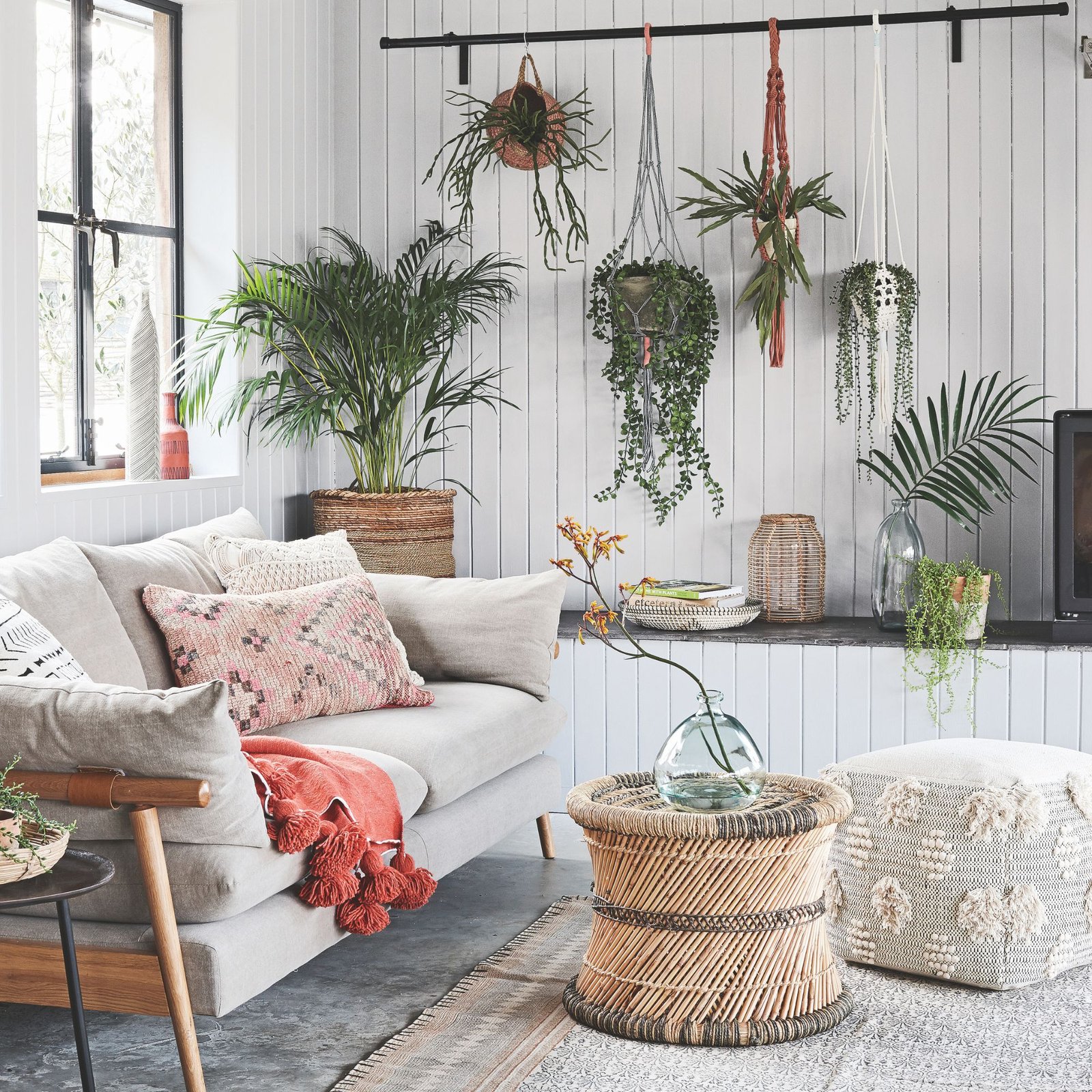
Are you wondering how to arrange your sofa and loveseat in your living room to create the perfect balance of comfort and style? The way you place your furniture can change the entire feel of your space—making it cozy for family time or inviting for guests.
You’ll discover simple, practical tips to position your sofa and loveseat so your living room looks spacious, feels welcoming, and works just right for your daily life. Keep reading, and you’ll soon have a living room setup that you love coming home to.
Choosing The Right Sofa And Loveseat
Choosing the right sofa and loveseat is important for your living room. They should fit well and look good together.
Think about size, style, and comfort before buying. This helps create a cozy and balanced space.
Size And Scale Considerations
Measure your living room space before choosing furniture. The sofa and loveseat should fit without crowding.
Pick pieces that match the room’s size. Large sofas in small rooms feel heavy. Small sofas in big rooms feel lost.
- Leave space to walk around furniture
- Keep balance between sofa and loveseat sizes
- Consider ceiling height and room shape
Matching Styles And Fabrics
Match sofa and loveseat styles for a unified look. Choose similar shapes or design themes for both pieces.
Select fabrics that work well together. You can use the same fabric or mix patterns with matching colors.
- Classic styles suit traditional rooms
- Modern designs fit minimalist spaces
- Mix solid and patterned fabrics carefully
Comfort And Functionality
Comfort is key for sofas and loveseats. Test cushions and support before choosing your pieces.
Think about how you use the space. Pick furniture with features like reclining seats or easy-to-clean fabric if needed.
- Choose cushions that are soft but supportive
- Look for durable, stain-resistant fabrics
- Consider furniture with storage or sleeper options

Credit: www.amazon.com
Measuring Your Living Room Space
Placing a sofa and loveseat in your living room needs careful measurement. This helps ensure a good fit and comfortable layout.
Measuring allows you to plan where each piece will go. It also helps avoid overcrowding and keeps the room functional.
Assessing Available Floor Area
Start by measuring the total floor space in your living room. Use a tape measure to get the length and width of the room.
Note any irregular shapes or obstacles like fireplaces or built-in shelves. These features reduce usable space.
| Room Length | Feet | Inches |
| Room Width | Feet | Inches |
| Obstacles (fireplace, shelves) | Note size and location | |
Considering Traffic Flow
Think about how people will move through your living room. Leave enough space for walking paths around furniture.
- Keep at least 2 to 3 feet of clear space for walking
- Avoid blocking doorways and windows
- Position furniture to allow easy access to all areas
Accounting For Other Furniture
Measure other furniture like coffee tables, TV stands, and chairs. Include their size in your floor plan.
Example of furniture sizes to note:
- Coffee Table: 4 ft x 2 ft
- TV Stand: 5 ft wide
- Bookshelf: 3 ft x 1 ft
Popular Layout Options
Arranging a sofa and loveseat in your living room can shape the space’s look and feel. Choosing the right layout helps make the room inviting and functional.
This guide covers popular layout ideas to fit different room sizes and styles. Find the best way to place your furniture for comfort and flow.
Parallel Arrangement
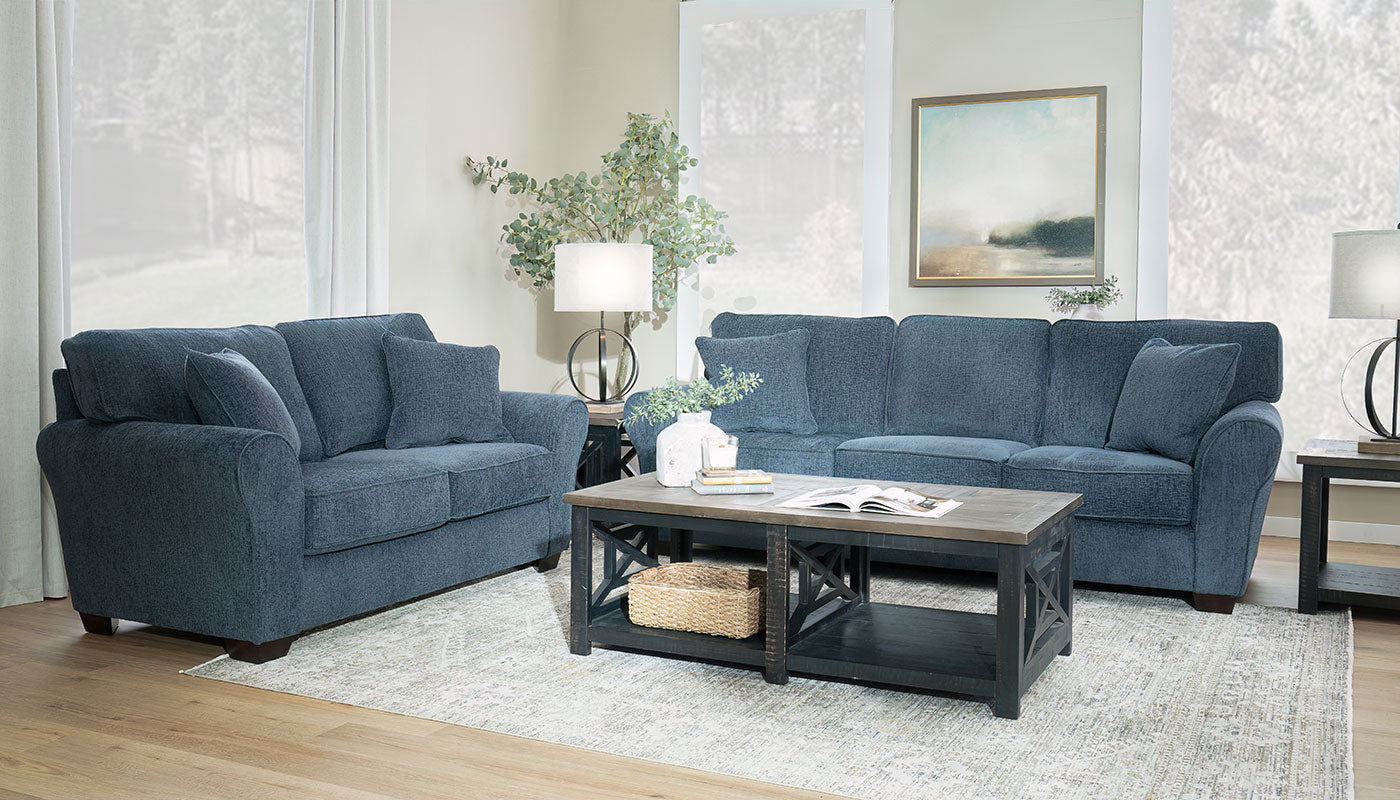
Place the sofa and loveseat parallel to each other. This layout creates a balanced and symmetrical look. It works well in rectangular rooms and promotes easy conversation.
Leave enough space between the two for a coffee table or walkway. This setup suits families who want a cozy yet open seating area.
L-shaped Configuration
Arrange the sofa and loveseat at a right angle, forming an “L” shape. This setup fits well into corners, making efficient use of space. It also creates a natural flow for traffic.
- Place the sofa along the longer wall
- Set the loveseat perpendicular to the sofa
- Use a corner table or lamp to fill the angle
- Add a rug to unify the seating area
Facing Each Other
Set the sofa and loveseat opposite each other. This layout supports direct interaction and eye contact. It is ideal for social gatherings and formal settings.
| Pros | Cons |
|---|---|
| Great for conversations | Requires more space |
| Clear focal point for room | May block room flow if small space |
| Balanced look | Needs careful furniture size choice |
Floating In The Room
Place the sofa and loveseat away from walls. This layout creates a modern, open feel. It works well in large rooms or open floor plans.
- Use rugs to define the seating area
- Keep pathways clear around the furniture
- Add side tables for convenience
- Use lighting to highlight the space
Credit: www.raymourflanigan.com
Creating Conversation Areas
Arranging a sofa and loveseat in your living room can shape how people interact. A good setup invites easy talk and comfort. This guide helps you create a cozy conversation space.
Focus on how close the furniture pieces are, adding tables for convenience, and using rugs to mark the area. These ideas make your living room feel warm and welcoming.
Optimal Distance Between Pieces
Keep the sofa and loveseat close enough for easy chatting. Too far apart and people must raise their voices. Too close and the space feels crowded.
- Leave about 3 to 6 feet between the sofa and loveseat.
- Make sure there is enough space to walk around the furniture.
- Avoid blocking doorways or windows with large pieces.
- Arrange seats so everyone can see each other comfortably.
Incorporating Coffee Tables And Ottomans
Adding a coffee table or ottoman helps tie the seating area together. It also gives guests a place to put drinks or rest their feet.
| Item | Use | Placement Tips |
| Coffee Table | Surface for drinks and décor | Keep 14-18 inches from seating edges |
| Ottoman | Extra seating or footrest | Place near sofa or loveseat for easy reach |
Using Area Rugs To Define Space
An area rug marks the conversation zone and adds warmth. It also helps furniture pieces feel connected.
- Choose a rug large enough so at least the front legs of sofa and loveseat sit on it.
- Pick colors or patterns that match your room’s style.
- Place the rug centered under the coffee table for balance.
Balancing Aesthetics And Function
Putting a sofa and loveseat in your living room needs both style and purpose. The layout should look good and be easy to use.
Think about how the furniture fits your space and how it feels when you use it. This helps create a room that is both pretty and practical.
Color Coordination And Contrast
Choose colors for your sofa and loveseat that match the room's style. Use colors that work well together to make the space inviting.
Adding contrast can make the furniture stand out. For example, a dark sofa looks great with a lighter loveseat or bright pillows.
- Pick sofa and loveseat in matching or complementary colors
- Use throw pillows to add color contrast
- Keep wall and floor colors neutral for balance
Lighting Placement
Good lighting helps highlight your sofa and loveseat. Place lights to create warm and cozy spots in the room.
Use different types of lighting to improve function and mood. Floor lamps, table lamps, and ceiling lights work well together.
- Place floor lamps near seating for reading light
- Use soft overhead lights for general brightness
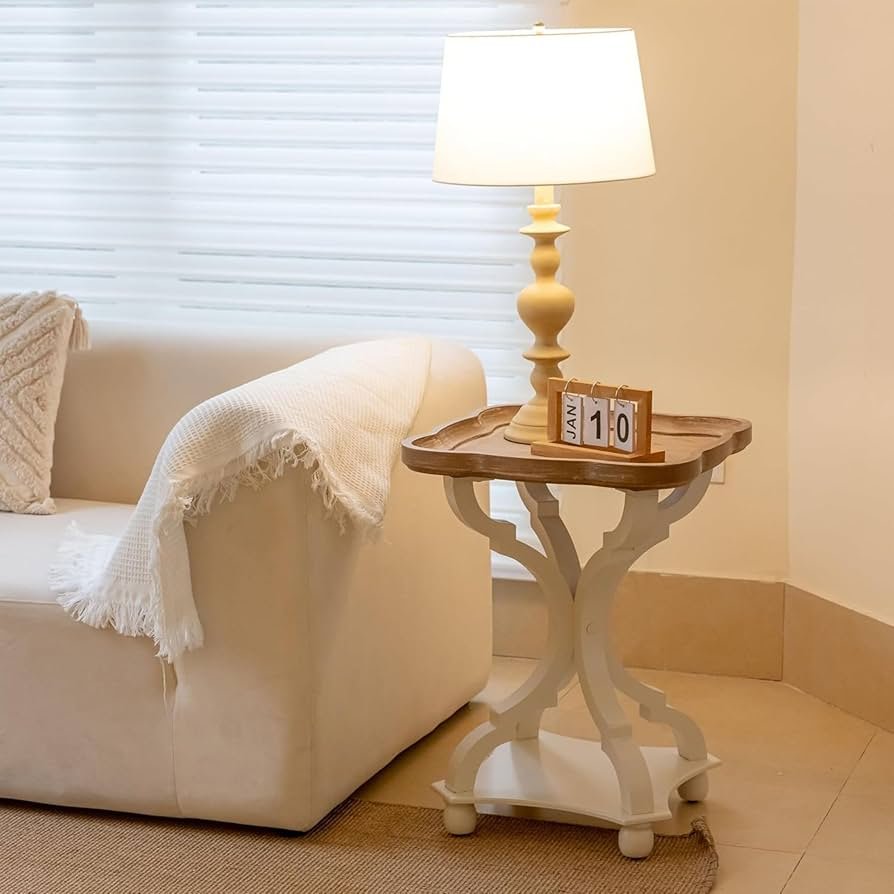
- Add table lamps on side tables for extra glow
Adding Accent Chairs And Accessories
Accent chairs add more seating and style to your living room. Choose chairs that fit the space and match your sofa and loveseat.
Accessories like rugs, cushions, and art bring the room together. They add personality and comfort without crowding the space.
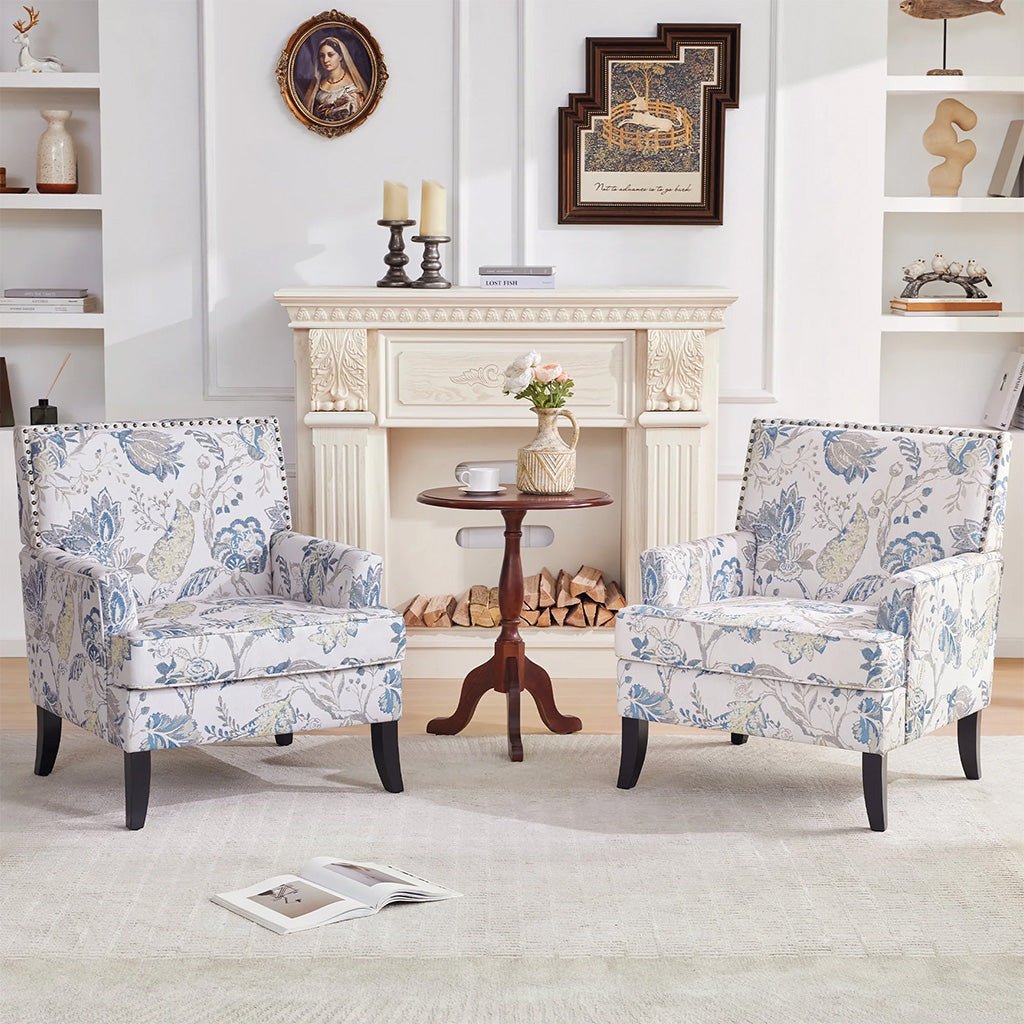
- Pick accent chairs in colors or patterns that complement the sofa
- Use rugs to define the seating area
- Add cushions and throws for softness and color
- Hang wall art to add interest and tie colors together
Tips For Small Living Rooms
Arranging furniture in a small living room can be tricky. You want comfort without clutter.
A sofa and loveseat can fit well in small spaces with the right planning. Let's explore some tips.
Choosing Compact Furniture
Compact furniture helps save space in small living rooms. Look for smaller sofas and loveseats.
These pieces should fit comfortably without overpowering the room. Measure your space before buying.
- Choose sofas with slim arms and legs
- Loveseats with simple designs work well
- Consider armless chairs for extra seating
Maximizing Vertical Space
Use vertical space to make your room feel larger. Shelves and tall cabinets are useful.
Place shelves above the sofa or loveseat. This adds storage without taking up floor space.
- Install floating shelves for books and decor
- Use tall plants to draw the eye upward
- Hang art higher to create the illusion of height
Multi-functional Pieces
Furniture that serves multiple purposes is ideal for small spaces. Think about storage ottomans and sofa beds.
These pieces can help reduce clutter. They offer extra storage or sleeping options.
- Sofa beds for guests
- Storage ottomans for blankets and pillows
- Coffee tables with built-in storage
Adjusting Layout For Different Activities
Arranging your sofa and loveseat can change how you use your living room. Different layouts suit various activities. Let's explore some options.
Whether watching TV, hosting guests, or finding a quiet reading spot, the right layout can enhance the experience.
Watching Tv And Entertainment
Positioning your sofa and loveseat for TV watching is crucial. They should face the television for the best view. Keep a comfortable distance for eye health.
- Place the sofa directly across from the TV.
- Arrange the loveseat at an angle for side viewing.
- Use a coffee table to hold remotes and snacks.
Hosting Guests
When guests visit, a welcoming setup is key. Arrange seating to encourage conversation. Ensure easy movement around the space.
Consider a semi-circle arrangement for the sofa and loveseat to foster interaction among guests.
Relaxation And Reading Nooks
Create a cozy spot for reading or relaxing. Position your loveseat near a window for natural light. Add a small table for books or a cup of tea.
| Furniture | Placement |
| Loveseat | Near window |
| Small table | Next to loveseat |
| Floor lamp | Behind loveseat |
Credit: homezonefurniture.com
Frequently Asked Questions
How Do I Arrange A Sofa And Loveseat In A Small Living Room?
Place the sofa against the longest wall and the loveseat perpendicular to it. Keep pathways clear for easy movement. Use area rugs to define the seating area and create balance in the space.
What Is The Best Distance Between A Sofa And Loveseat?
Maintain 3 to 4 feet between the sofa and loveseat. This distance allows comfortable conversation and easy movement. Avoid overcrowding to keep the room open and inviting.
Should A Sofa And Loveseat Face Each Other?
Yes, positioning them to face each other promotes conversation and social interaction. It creates a cozy and balanced seating arrangement in your living room.
How Can I Maximize Space With Sofa And Loveseat?
Opt for compact furniture and use multi-functional pieces. Place furniture strategically against walls and avoid clutter. Choose light colors and add mirrors to make the room appear larger.
Conclusion
Arranging a sofa and loveseat creates a cozy living room space. Think about room size and walking paths for comfort. Balance the furniture with rugs and tables to complete the look. Choose a layout that fits your style and daily needs.
Small changes can make a big difference in feel. Enjoy your inviting and practical living area every day. Keep it simple, comfortable, and welcoming for all.