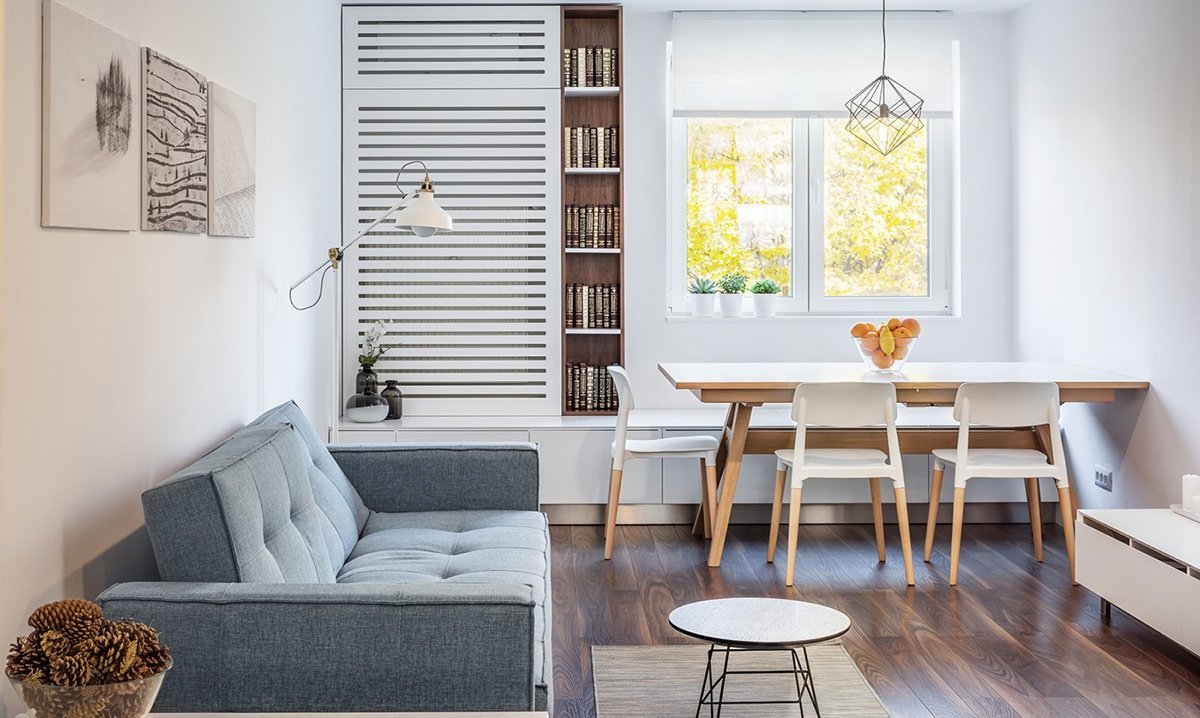
Are you struggling to find the perfect spot for your dining table in your living room? You’re not alone.
Combining these two important spaces can be tricky, but when done right, it creates a cozy, functional area where you can eat, relax, and entertain. Imagine having a dining space that feels natural, stylish, and comfortable—right where you spend most of your time.
Keep reading, and you’ll discover simple, practical tips to arrange your dining table in the living room that not only saves space but also boosts your home’s overall vibe. Ready to transform your living space? Let’s dive in!
Choosing The Right Dining Table
Adding a dining table to your living room can create a cozy eating space. Picking the right table fits both style and function.
Think about your room size and how you plan to use the table. This helps you choose a table that works well.
Size And Shape Options
Choose a table size that fits your living room without crowding. The shape also affects how people sit and move around.
Rectangular tables suit long rooms. Round tables work well in square spaces. Square tables fit small areas.
- Rectangular: fits narrow spaces, seats many
- Round: good for small groups, easy to talk
- Square: compact, fits corners or small rooms
- Oval: softer edges, good for tight spots
Material And Style Choices
Dining tables come in many materials. Wood is warm and classic. Glass looks modern and light.
Metal adds an industrial feel. Choose styles that match your living room décor for a balanced look.
- Wood: durable, fits many styles
- Glass: light, makes room feel bigger
- Metal: sleek, modern or industrial style
- Mixed materials: add texture and interest
Foldable And Extendable Tables
Foldable tables save space when not in use. Extendable tables grow to fit more guests.
These options work well in small living rooms. They give flexibility without losing style or comfort.
- Foldable: easy to store and move
- Extendable: adds space for guests
- Compact when closed, larger when open
- Great for multi-use rooms

Credit: cozyliving.com.au
Optimizing Living Room Layout
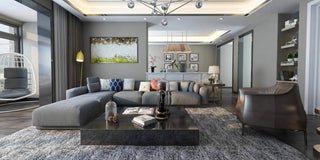
Putting a dining table in the living room needs careful planning. You want the space to feel open and inviting.
Good layout helps create separate areas for eating and relaxing. It also keeps the room easy to move around.
Creating Zones For Dining And Relaxing
Divide the living room into two zones: one for dining and one for relaxing. This makes the space more organized.
Place the dining table near the kitchen or a window for natural light. Keep the sofa and chairs in the other area.
- Use furniture to separate zones
- Keep dining area close to food prep
- Arrange seating for comfort in the living zone
Maximizing Traffic Flow
Arrange furniture to keep pathways clear. People should move freely between zones without bumping into things.
Leave at least two feet of walking space around the dining table and seating areas.
- Avoid placing furniture in doorways
- Keep main paths wide and open
- Use compact furniture to save space
Using Rugs To Define Spaces
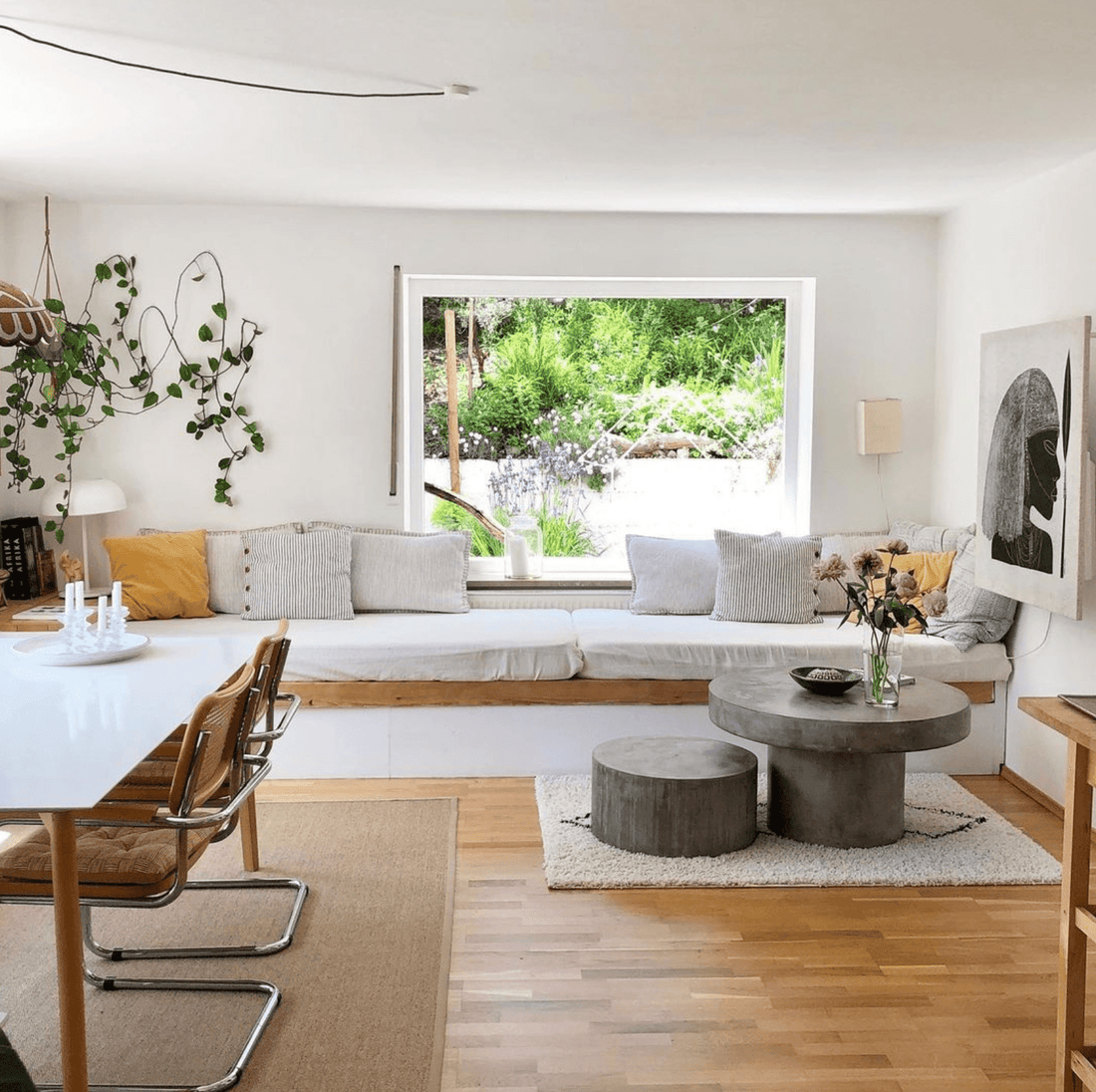
Rugs help mark the dining and relaxing zones visually. Choose rugs that fit the size of each area.
Place a rug under the dining table and another under the seating area to separate the spaces clearly.
- Use different rug colors or patterns for each zone
- Make sure rugs are large enough for furniture to sit on
- Keep rugs clean to maintain a fresh look
Space-saving Furniture Ideas
Placing a dining table in the living room can save space in small homes. Choosing the right furniture helps keep the room open and functional.
Use clever designs that serve more than one purpose. This way, the space stays neat without feeling crowded.
Multi-functional Furniture
Furniture that works in more than one way saves space and adds value. For example, a table that can fold or extend fits different needs.
- Extendable dining tables that adjust size
- Storage ottomans that double as seats
- Sideboards that serve as buffet and storage
- Sofa beds for guests and seating
Bench Seating And Chairs
Benches fit more people in less space than chairs. They can slide under the table when not used. Lightweight chairs are easy to move and store.
| Type | Space Use | Advantages |
|---|---|---|
| Bench | Slides under table | Seats more people |
| Stackable Chairs | Stored vertically | Easy to move |
| Foldable Chairs | Stored flat | Compact storage |
Wall-mounted And Drop-leaf Tables
Wall-mounted tables save floor space by folding up when not in use. Drop-leaf tables have sides that fold down to reduce size.
Benefits of Wall-Mounted and Drop-Leaf Tables:
- Use only needed space during meals
- Keep the room open for other activities
- Easy to install and clean around

Credit: cozyliving.com.au
Decor Tips For A Cohesive Look
Adding a dining table in your living room can create a warm, inviting space. It blends two functions in one area.
Use decor tips to make the dining and living areas look connected. This helps the room feel balanced and cozy.
Color Coordination
Choose colors that match both your living room and dining table. This creates a smooth flow between spaces.
Use similar shades or tones in furniture and walls. This keeps the look calm and unified.
- Pick a main color for the room
- Add two or three matching accent colors
- Use cushions or rugs to tie colors together
Lighting Solutions
Good lighting highlights the dining table and makes the space feel warm. Use lights that fit the style of the room.
Mix ambient and task lighting. This creates a cozy and practical dining area.
- Use a pendant light above the table
- Add floor lamps near the living area
- Choose dimmable lights for mood control
Accessorizing The Dining Area
Add simple accessories to connect the dining area with the living room. Keep items small and in style.
Use items like vases, candles, or placemats that match the room’s colors and style.
- Place a centerpiece on the dining table
- Use matching chair cushions
- Add a small rug under the table
Smart Storage Solutions
Putting a dining table in the living room needs smart storage ideas. These ideas help keep the space neat and organized.
Smart storage helps you store dining items without clutter. It also makes the living room look bigger and cleaner.
Built-in Shelving
Built-in shelves around the dining table save floor space. They give you a place for dishes, glasses, and decor.
These shelves can fit the room style and size. You can add doors to hide clutter or leave shelves open for display.
Under-table Storage
Under-table storage uses the space below your dining table. Drawers or baskets can hold napkins, cutlery, or placemats.
This storage keeps dining items close but out of sight. It helps keep the table surface clean and clear.
Compact Cabinets And Sideboards
Compact cabinets fit well in small living rooms. They store plates, cups, and other dining essentials.
Sideboards add extra surface space for serving food. Choose styles that match your living room furniture.
Credit: cozyliving.com.au
Frequently Asked Questions
How To Choose The Right Dining Table Size For Living Room?
Measure your living room space first. Choose a table that fits comfortably without crowding. Consider a smaller or extendable table for flexibility. Ensure enough clearance for movement around the table for a comfortable dining experience.
Where To Place Dining Table In An Open Living Room?
Place the dining table near natural light or close to the kitchen. Create a distinct dining area using rugs or lighting. Maintain clear pathways for easy movement between living and dining spaces.
What Dining Table Shapes Work Best In Living Rooms?
Rectangular and round tables work well in most living rooms. Rectangular tables fit narrow spaces, while round tables promote conversation. Choose the shape based on room layout and seating needs for optimal flow.
How To Style A Dining Table In Living Room?
Use a centerpiece like flowers or candles to enhance aesthetics. Keep table decor minimal to avoid clutter. Match table settings with living room colors for a cohesive look.
Conclusion
Placing a dining table in your living room can save space and add style. Choose a table that fits well without crowding the area. Use rugs or lighting to create separate zones. Keep the design simple and functional for easy movement.
This setup works great for small homes or open plans. Enjoy meals and conversations in a cozy, shared space. Your living room can feel both welcoming and practical. Experiment with arrangement until it feels just right. Small changes make a big difference in comfort and look.