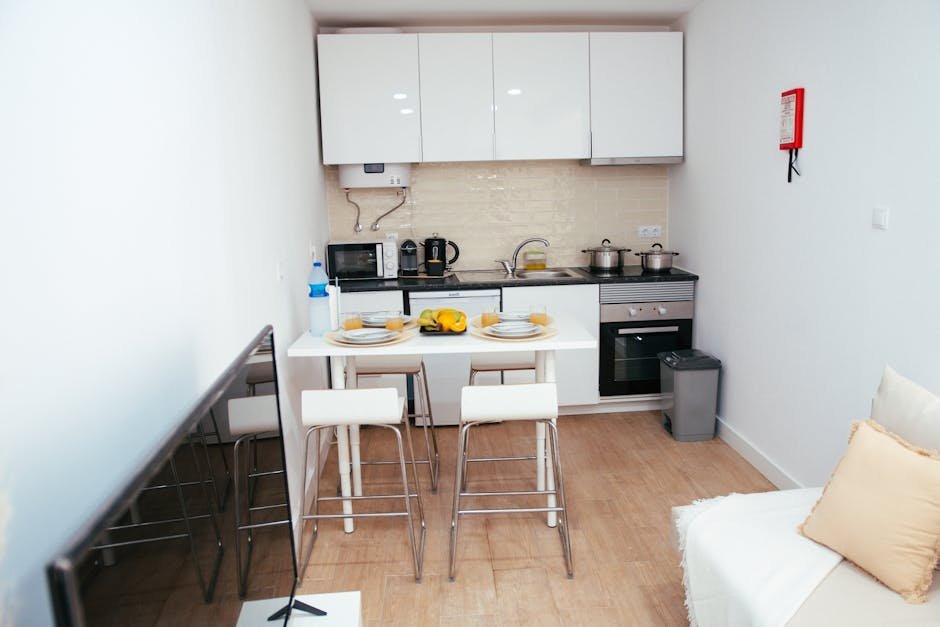
Struggling to fit a sofa into your small living room without making it feel cramped? You’re not alone.
Finding the perfect spot for your sofa can transform your space from cluttered to cozy. Imagine walking into your living room and instantly feeling relaxed because everything fits just right. You’ll discover simple, smart ways to position your sofa that maximize space and comfort.
Keep reading to unlock easy tips that make your small living room look bigger and more inviting.
Choosing The Right Sofa
Picking the perfect sofa is key for a small living room. The right sofa fits the space well and looks good.
Consider size, style, material, and color to make your small room feel cozy and open.
Size And Scale Matters
Choose a sofa that fits your room size. Large sofas can crowd small spaces and block pathways.
- Measure your room before buying a sofa.
- Look for sofas with slim arms and legs.
- Consider sofas with lower backs to keep the room open.
- Sectional sofas can work if they fit the space well.
- Leave space for walking around the sofa comfortably.
Sofa Styles For Small Spaces
Some sofa styles suit small rooms better. Choose styles that save space and add style.
| Sofa Style | Benefits | Best Use |
| Apartment Sofa | Compact size with clean lines | Small living rooms, studios |
| Loveseat | Seats two people, small footprint | Extra seating without crowding |
| Mid-Century Modern | Simple design with raised legs | Visual openness in small rooms |
| Armless Sofa | Less bulky, saves room | Tight corners and narrow spaces |
Material And Color Choices
Pick materials and colors that make the room feel larger and brighter. Light colors open up the space.
- Use light fabrics like linen or cotton for an airy feel.
- Avoid heavy, dark materials that make the room look smaller.
- Choose sofas with removable and washable covers for easy cleaning.
- Consider patterns that are subtle and small to avoid overwhelming the space.
- Leather or faux leather can be good for easy cleaning but pick lighter shades.
:max_bytes(150000):strip_icc()/designer-digs-5209106-recirc-890366b347c445a0bdd3d10221f2b1fd.jpg)
Credit: www.thespruce.com
Measuring Your Living Room
Measuring your living room is the first step to place sofas correctly. Knowing the room size helps you pick the right sofa and layout.
Take accurate measurements of your room’s length, width, and height. This information guides your sofa placement choices.
Creating A Floor Plan
Draw a simple floor plan to see where your sofa fits best. Use graph paper or a digital tool to make it easy.
Mark doors, windows, and other furniture on the plan. This helps you avoid blocking important spaces.
- Measure and draw room walls to scale
- Note all doors and windows
- Include other furniture pieces
- Mark power outlets and vents
Allowing For Traffic Flow
Make sure there is enough space to walk around your sofa. People should move freely without bumping into furniture.
Leave at least 2 to 3 feet of walking space between the sofa and other objects. This keeps the room comfortable and safe.
- Keep paths clear near doors and windows
- Allow space between sofa and coffee table
- Check that walkways are not too narrow
- Adjust sofa placement if needed for easy access
Optimal Sofa Placement
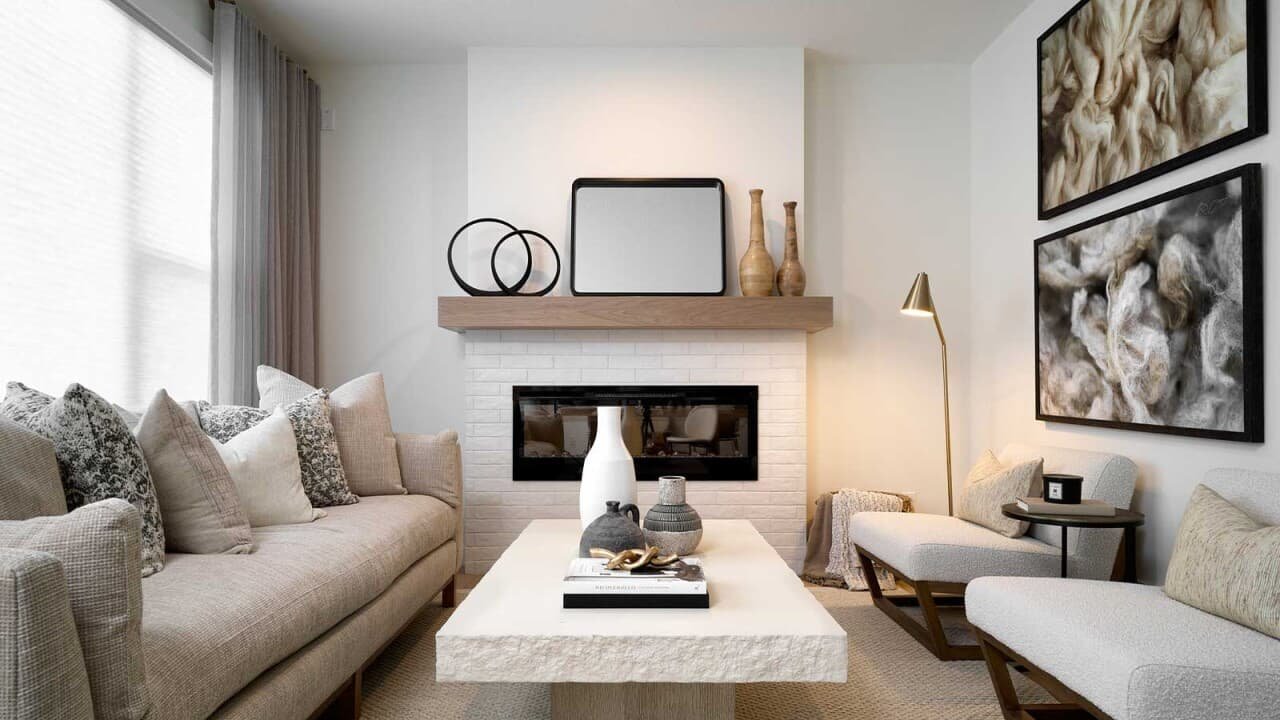
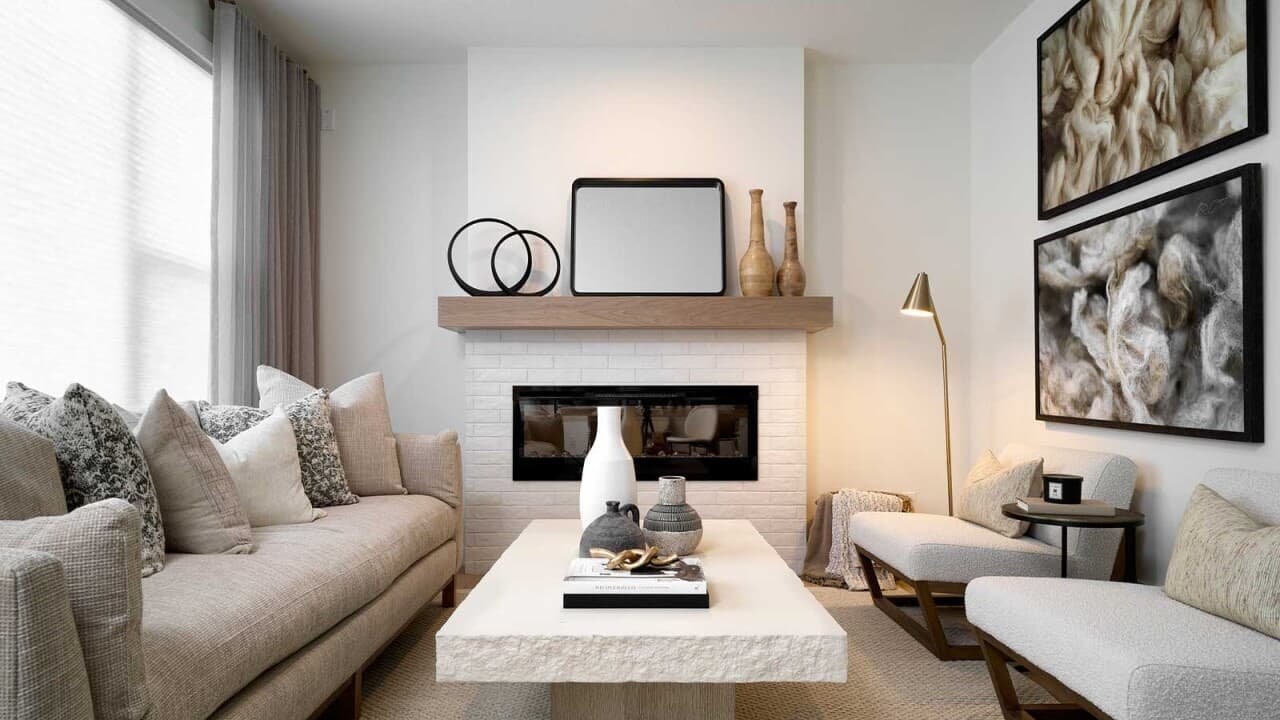
Placing a sofa well can make a small living room feel bigger. The right spot helps save space and improves comfort.
Consider your room’s shape and how you use the space. This guide shows three good ways to place your sofa.
Against The Wall
Putting the sofa against a wall opens the room’s center. It gives more walking space and keeps the room neat.
This setup works well in narrow rooms. It also helps make the room look larger by freeing the center.
- Choose a sofa size that fits the wall length
- Keep space for side tables or lamps
- Use light colors to enhance the open feel
Floating Sofa Arrangements
Place the sofa away from walls to create zones inside the room. This works well for open-plan spaces.
Floating sofas can divide areas like the living and dining space. Use rugs to define the sofa zone.
- Keep at least 18 inches of space behind the sofa
- Arrange chairs or tables to complete the seating area
- Choose a smaller sofa to avoid crowding the room
Corner Positioning
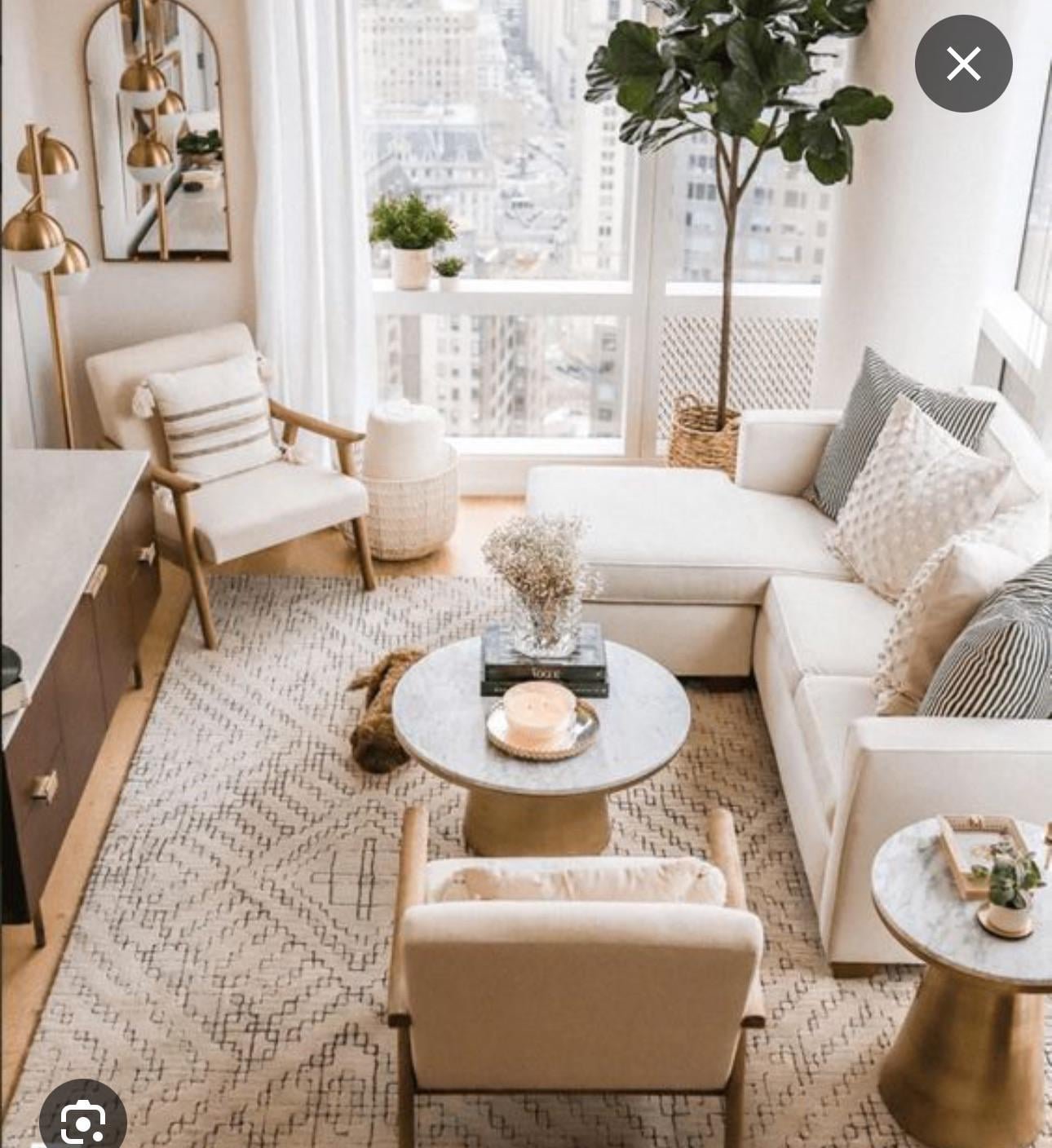
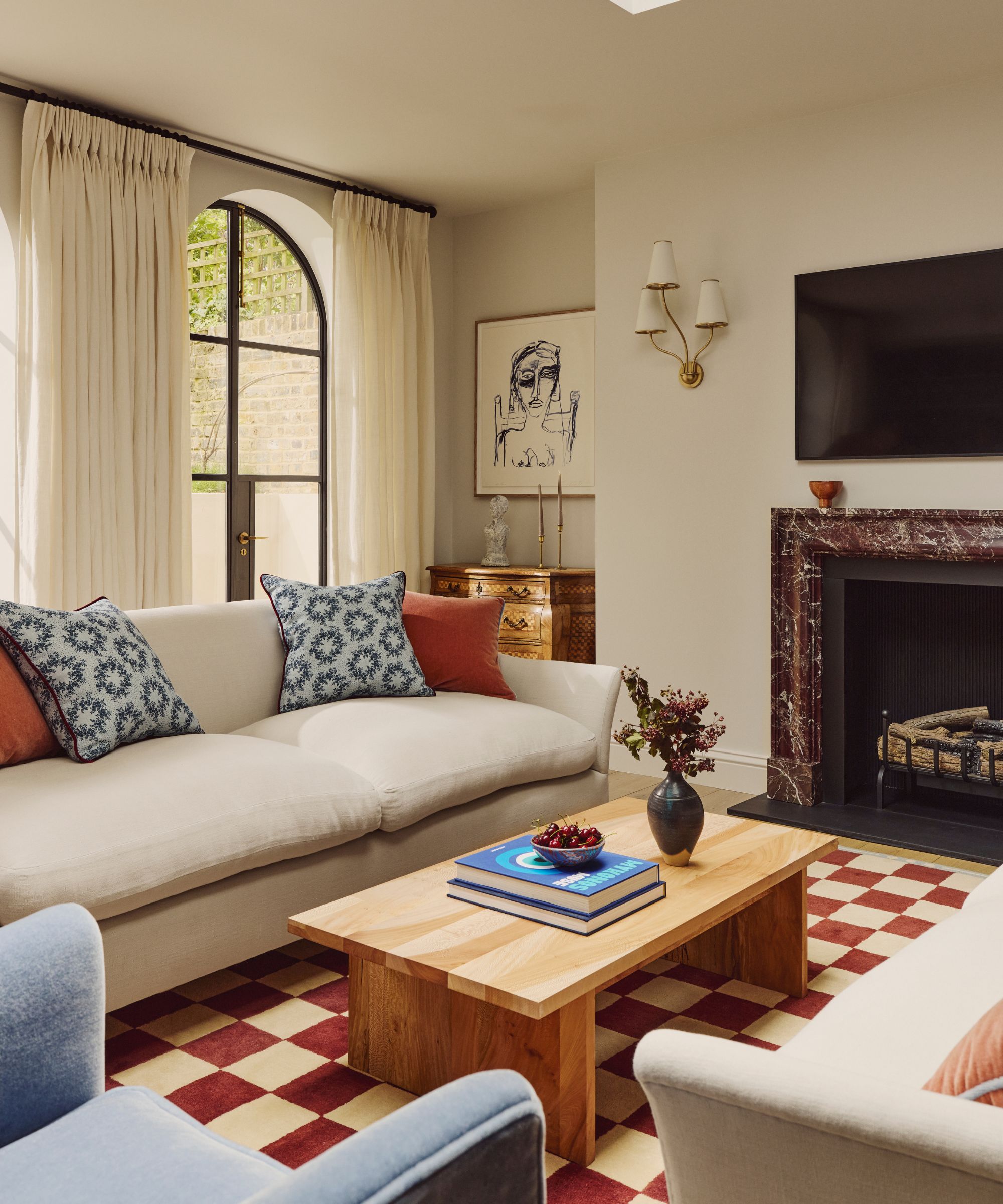
Placing the sofa in a corner uses space that is often empty. It creates a cozy seating area in small rooms.
This arrangement works well with L-shaped or sectional sofas. It helps keep the center of the room open.
- Fit the sofa snugly into the corner
- Add a corner table or lamp for function
- Use cushions to soften sharp angles
Credit: www.homesandgardens.com
Maximizing Space With Multi-functional Sofas
Small living rooms need smart furniture to save space. Multi-functional sofas help use every inch well. They combine comfort with extra features.
This guide shows ways to arrange sofas that do more than just sit. You can sleep, store, or change shapes with these sofas.
Sofa Beds And Sleeper Sofas
Sofa beds give you a place to sit and sleep. They open up when guests stay over. This saves the need for a separate bed.
- Choose a sofa bed with easy folding mechanisms.
- Place it near a wall to open fully without blocking paths.
- Use light colors to keep the room feeling open.
Storage Sofas
Storage sofas hide items inside them. They reduce clutter and keep small rooms tidy. You can store blankets, pillows, or toys.
| Type of Storage Sofa | Storage Space | Best Use |
| Lift-up Seat | Under the cushion | Blankets, pillows |
| Armrest Storage | Inside armrests | Remote controls, magazines |
| Pull-out Drawers | Under sofa base | Books, small items |
Modular Sofas
Modular sofas come in pieces. You can arrange them to fit your space. They change shape to match your needs.
- Split the sofa into smaller parts for more floor space.
- Create a corner seat or a long straight couch.
- Add or remove sections based on the room size.
- Use lightweight modules to move easily.
Complementary Furniture And Accessories
Arranging sofas in a small living room can be tricky. Use complementary furniture and accessories to make the space functional and stylish.
Choose pieces that fit well with your sofa and enhance the room's look. Consider items that do not take up too much space.
Choosing Compact Tables
Compact tables are perfect for small spaces. They offer style and utility without crowding the room.
Look for tables that can double up as storage. Foldable or nesting tables are great options.
- Round tables save space and prevent sharp edges.
- Use wall-mounted tables for extra surface area.
- Choose tables with built-in shelves or drawers.
Using Rugs To Define Space
Rugs help define areas in a small living room. They add warmth and style to your space.
Pick a rug that matches your sofa and other furniture. It should fit well in the room.
- Use a large rug to unify the seating area.
- Choose a rug with patterns for added texture.
- Layer rugs to create visual interest.
Lighting Considerations
Lighting affects how a small living room feels. Proper lighting makes the room appear larger and more inviting.
Mix different types of lighting for a cozy atmosphere. Use lights that complement your furniture and decor.
- Table lamps provide focused lighting.
- Floor lamps save space and add height.
- Use wall sconces to free up floor space.

Credit: www.apartmenttherapy.com
Tips For Visual Expansion
Small living rooms can feel tight and crowded. You can make them look bigger with smart sofa placement.
Use tricks that open up the space and create a light, airy feel. This helps the room feel more inviting.
Using Mirrors
Mirrors reflect light and create the illusion of depth. Place mirrors opposite windows to boost natural light.
A large mirror behind the sofa can make the wall seem farther. This adds a feeling of space to the room.
Light Colors And Patterns
Choose sofas in light colors to brighten the room. Light shades open up space visually and feel fresh.
Use simple patterns or soft textures. Busy patterns can make the room look crowded and smaller.
- White, beige, or soft pastels work well
- Avoid dark, heavy fabrics
- Subtle patterns add interest without clutter
Keeping Clutter Minimal
Clutter makes small rooms feel cramped. Keep the area around the sofa neat and tidy.
Use storage furniture like ottomans or shelves to hide items. Clear floors and surfaces help open up space.
- Put away extra pillows and throws when not in use
- Choose sofas with built-in storage if possible
- Limit decorations near the seating area
Frequently Asked Questions
How Do I Position A Sofa In A Small Living Room?
Place the sofa against a wall to save space. Use corner or sectional sofas for efficient layout. Keep pathways clear for easy movement.
What Sofa Style Suits A Small Living Room Best?
Choose compact, armless, or low-profile sofas. These styles take up less visual space. Light colors also help make the room feel larger.
Can I Use Multiple Sofas In A Small Living Room?
Use one main sofa and a small accent chair. Too many sofas crowd the space. Keep furniture minimal for comfort and flow.
How To Create Balance With A Sofa In A Small Room?
Place the sofa opposite a focal point like a TV or window. Use rugs and lighting to anchor the space. Avoid oversized furniture that overwhelms.
Conclusion
Small living rooms need smart sofa placement. Choose spots that save space and allow movement. Keep the area open and inviting. Use corners or walls to maximize room. Think about how you use the space daily. Arrange sofas to create a cozy, balanced feel.
Light colors and simple designs help the room look bigger. Try these tips to make your small living room both comfy and stylish. A well-placed sofa can change the whole space. Give it a try and enjoy your room more.