Are you thinking about adding a touch of green and calm to your home? Planting bamboo might be the perfect choice for you.
Bamboo is not only beautiful but also easy to grow, even if you don’t have a green thumb. Imagine having tall, graceful stalks right outside your window, creating a peaceful space that feels like a mini oasis. You’ll discover simple steps to plant bamboo successfully at home.
Keep reading, and you’ll learn how to bring this amazing plant into your life with confidence and ease.

Choosing Bamboo Varieties
Planting bamboo at home can add beauty and privacy. Picking the right bamboo type is key.
Different bamboos grow in different ways. Some grow in clumps, others spread fast.
Clumping Vs Running Bamboo
Clumping bamboo grows in tight groups. It stays where you plant it and grows slowly.
Running bamboo spreads by underground roots. It can cover large areas quickly.
- Clumping bamboo is easier to control.
- Running bamboo needs barriers to stop spreading.
- Clumping is good for small spaces.
- Running bamboo works well for big gardens.
Best Bamboo Types For Indoors
Indoor bamboo needs to stay small and grow well in pots. Look for slow growers.
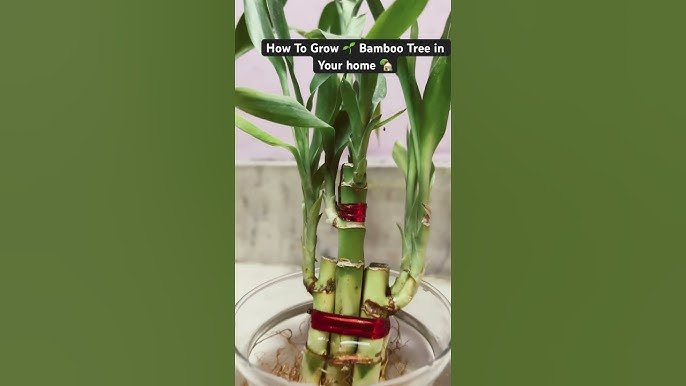
Some bamboo types like "Lucky Bamboo" are popular inside homes. They need low light and little care.
- Lucky Bamboo (Dracaena sanderiana) – Easy to grow indoors.
- Dwarf Buddha Belly Bamboo – Compact and attractive.
- Green Stripe Bamboo – Small and good for pots.
Selecting Bamboo For Outdoor Gardens
Outdoor bamboo should fit your climate and garden size. Think about space and growth speed.
Choose hardy types if your area has cold winters. Fast growers can give quick privacy.
- Phyllostachys aurea (Golden Bamboo) – Good for privacy screens.
- Fargesia robusta – Cold hardy and clumping.
- Phyllostachys nigra (Black Bamboo) – Adds color and style.
Preparing The Planting Site
Planting bamboo at home starts with choosing the right spot. The soil, sunlight, and space affect how well it grows.
Preparing the site properly helps bamboo stay healthy and strong for years.
Ideal Soil Conditions
Bamboo prefers soil that drains well but keeps some moisture. The soil should be loose and rich in nutrients.
- Choose soil with good drainage to avoid waterlogging
- Ensure soil has organic matter for nutrients
- Maintain a pH level between 6 and 6.5 for best growth
- Loosen the soil to allow roots to spread easily
Sunlight Requirements
Bamboo plants need the right amount of sunlight. Most types grow well with full sun or partial shade.
| Sunlight Type | Description |
| Full Sun | At least 6 hours of direct sunlight daily |
| Partial Shade | 3 to 6 hours of sun, with some shade during the day |
| Full Shade | Less than 3 hours of direct sunlight, usually not ideal |
Space And Container Options
Bamboo can spread quickly. Choose enough space or use containers to control growth.
Consider these options:
- Plant in open ground with at least 3 feet of space around
- Use large containers with drainage holes for potted bamboo
- Install root barriers to prevent spreading in gardens
Planting Bamboo Steps
Bamboo is a fast-growing plant that adds beauty to any garden. Planting bamboo at home is simple with the right steps. Follow this guide to grow healthy bamboo.
This guide covers soil preparation, planting techniques, and how to water bamboo after planting.
Soil Preparation
Good soil helps bamboo grow strong roots. Choose a spot with well-drained soil. Bamboo likes soil that is rich and loamy.
- Clear the area of weeds and stones.
- Mix compost or aged manure into the soil.
- Loosen the soil to a depth of at least 12 inches.
- Check the soil pH; bamboo prefers 6.0 to 6.5.
Planting Techniques
Plant bamboo carefully to ensure healthy growth. Avoid damaging the roots during planting.
- Dig a hole twice as wide as the root ball.
- Place the bamboo plant in the hole, keeping roots spread out.
- Fill the hole with soil and press gently to remove air pockets.
- Leave space around the stem to avoid rot.
- Add mulch around the base to keep moisture.
Watering After Planting
Water bamboo well right after planting. Keep the soil moist but not soggy to help roots establish.
| Time After Planting | Water Amount | Frequency |
| First week | 2 gallons per plant | Every day |
| Second to fourth week | 1 gallon per plant | Every 2 days |
| After one month | 1 gallon per plant | Twice a week |
Caring For Bamboo Growth
Bamboo plants need proper care to grow healthy and strong at home.
Water, nutrients, and pest control are key to good bamboo growth.
Watering Schedule
Bamboo likes moist soil but not soggy roots. Water it regularly to keep the soil damp.
During hot months, water bamboo more often, about two to three times a week.
Fertilizing Tips
Feed bamboo with a balanced fertilizer to help it grow fast and green.
- Use a slow-release fertilizer in spring and summer.
- Apply fertilizer every two months for best results.
- Choose fertilizer with nitrogen for strong leaves.
- Water the plant after fertilizing to help nutrients soak in.
Managing Pests And Diseases
| Pest/Disease | Signs | Control Method |
|---|---|---|
| Aphids | Sticky leaves, curled tips | Spray water or use insecticidal soap |
| Fungal leaf spots | Brown or yellow spots on leaves | Remove affected leaves and improve air flow |
| Mealybugs | White cottony patches on stems | Wipe with alcohol-soaked cloth |
Controlling Bamboo Spread
Planting bamboo at home can be rewarding. But it is important to control its spread.
Bamboo is known for its rapid growth. Without control, it may invade other areas.
Using Root Barriers
Root barriers are effective in managing bamboo spread. They block the rhizomes underground.
- Install barriers at least 24 inches deep
- Use high-density polyethylene or metal for durability
- Check the barriers annually for any breaches
Regular Pruning Methods
Pruning helps in controlling bamboo growth. It keeps the plant neat and healthy.
Container Growth Benefits
Growing bamboo in containers limits its spread. It is a practical option for small spaces.
| Container Size | Suitability |
| Small | For dwarf varieties |
| Medium | For medium-sized bamboo |
| Large | For most bamboo types |

Harvesting And Using Bamboo
Bamboo grows fast and is easy to harvest at home. It has many uses in crafts and gardening. Knowing when and how to harvest helps keep your bamboo healthy.
Using bamboo properly can add beauty and function to your home. You can make many useful items from bamboo shoots and poles.
When To Harvest
Harvest bamboo when the stalks are mature. Usually, this means waiting 3 to 5 years after planting. Mature bamboo is strong and less likely to crack.
Cut bamboo during dry weather. Avoid rainy seasons to prevent mold or rot. Early morning is the best time to cut bamboo stalks.
- Wait 3 to 5 years for maturity
- Harvest during dry weather
- Cut in early morning for best quality
Craft And Garden Uses
Bamboo is a versatile material for crafts. You can make baskets, furniture, and decorations. Bamboo poles also support plants in your garden.
Use bamboo shoots as natural stakes or trellises. Bamboo can also create fences or garden screens to add privacy and style.
- Baskets and furniture from bamboo strips
- Plant stakes and trellises for climbing plants
- Garden fences and privacy screens
Sustainable Harvesting Practices
Harvest bamboo carefully to keep your plants healthy. Cut only mature stalks and leave young shoots to grow. This helps bamboo grow back faster.
Do not remove too many stalks at once. Always leave some bamboo for the plant’s strength and soil protection. Mulch around bamboo to keep the soil moist.
- Cut only mature stalks, keep young shoots
- Do not harvest too many stalks at once
- Use mulch to protect soil and roots
Frequently Asked Questions
How Much Sunlight Does Bamboo Need At Home?
Bamboo thrives in bright, indirect sunlight. It requires 4-6 hours daily for healthy growth. Avoid harsh, direct afternoon sun to prevent leaf burn.
What Is The Best Soil For Planting Bamboo?
Well-draining, loamy soil rich in organic matter is ideal. Bamboo prefers slightly acidic to neutral pH (6. 0-7. 0). Ensure soil retains moisture but does not become waterlogged.
How Often Should I Water Bamboo Plants Indoors?
Water bamboo regularly to keep soil consistently moist but not soggy. Typically, watering every 2-3 days works. Adjust frequency based on indoor humidity and temperature.
Can Bamboo Grow In Small Pots At Home?
Yes, bamboo can grow in pots. Choose large containers for root space. Use quality potting mix and ensure proper drainage for healthy growth.
Conclusion
Planting bamboo at home brings beauty and calm to your space. Choose a good spot with enough sunlight and water. Use healthy bamboo shoots and plant them carefully in soil. Regular watering and simple care help bamboo grow strong. Watch your bamboo thrive and enjoy its green charm daily.
Start small, stay patient, and see how bamboo changes your garden. Easy to grow, bamboo makes a fresh, natural touch anywhere. Give it time, and you will love the results.