Are you looking to bring a touch of nature and positive energy into your home? Placing a bamboo plant indoors is one of the easiest and most effective ways to do just that.
But where exactly should you put it to get the best results? The right spot can brighten your space, improve the air you breathe, and even boost your mood. You’ll discover simple tips and tricks to place your bamboo plant perfectly, making your home feel fresher and more inviting.
Keep reading to find out how a small change can make a big difference in your everyday life.
Choosing The Right Spot
Placing a bamboo plant in the right spot helps it grow well. Pick a place that meets its needs.
Consider light, temperature, humidity, and space for your bamboo plant.
Light Requirements
Bamboo plants need bright, indirect light. Direct sunlight can burn their leaves.
Too little light makes bamboo grow slowly and look weak.
- Place near a window with filtered light.
- Avoid direct afternoon sun.
- Use sheer curtains if light is too strong.
Temperature And Humidity
Bamboo plants like temperatures between 65°F and 90°F (18°C to 32°C). Keep them away from cold drafts.
They also prefer moderate to high humidity. Dry air can cause leaf tips to brown.
- Keep bamboo away from air conditioners and heaters.
- Use a humidifier or mist leaves to add moisture.
- Group plants to increase humidity around them.
Space Considerations
Bamboo plants need enough space to grow tall and spread their leaves. Crowded spots limit growth.
Choose a place where the plant can stand without touching walls or furniture.
- Allow at least 1 to 2 feet around the plant.
- Keep the plant away from busy walkways.
- Check that the pot fits well in the chosen spot.
Selecting Suitable Containers
Choosing the right container is key to growing a healthy bamboo plant at home. The container should support the plant's needs and fit your space.
A good container protects roots, holds soil, and helps water drain well. Picking the right one makes your bamboo thrive indoors.
Material Options
Containers come in many materials like plastic, clay, and ceramic. Each has pros and cons for bamboo plants.
Plastic pots are light and keep soil moist longer. Clay pots breathe well but dry out faster. Ceramic pots look nice but can be heavy.
- Plastic: lightweight, retains moisture
- Clay: porous, allows air flow
- Ceramic: decorative, heavier
- Metal: not common, can heat roots
Drainage Needs
Bamboo plants need good drainage to avoid root rot. Choose containers with holes at the bottom.
If the container has no holes, add a layer of small stones at the bottom. This helps excess water drain away.
- Always pick pots with drainage holes
- Use saucers to catch extra water
- Add stones for better drainage if no holes
Size And Shape
Pick a container that fits the bamboo's size. It should allow roots to grow without being too big or small.
Taller pots suit bamboo with deep roots. Wide pots work well for spreading bamboo types. Make sure the pot is stable and won't tip easily.
- Choose pots larger than current root ball
- Tall pots for deep roots
- Wide pots for spreading roots
- Stable base to avoid tipping
Placement In Different Rooms
Bamboo plants add beauty and calm to any home space. Choosing the right spot helps them grow well.
Each room has different light and moisture levels. This guide helps you place bamboo plants correctly in four rooms.
Living Room
Place bamboo plants near windows with indirect sunlight. Avoid direct sun to keep leaves healthy.
Use decorative pots to match your living room style. Bamboo adds a fresh, natural look.
Bedroom
In the bedroom, bamboo plants improve air quality and create a relaxing vibe. Choose spots with moderate light.
- Place near a north or east-facing window
- Keep away from heaters and air conditioners
- Use small pots on nightstands or shelves
Bathroom
Bathrooms offer humidity that bamboo plants love. Choose a spot with some natural light.
| Location | Light Level | Care Tips |
| Near window | Bright, indirect | Water regularly, avoid standing water |
| On shelf or counter | Low to medium | Check for mold, wipe leaves |
| Corner spot | Low | Rotate plant weekly for even growth |
Kitchen
The kitchen can be a good place for bamboo plants if light and space are right. Avoid placing near the stove.
Tips for kitchen placement:
- Choose a bright windowsill or countertop
- Keep bamboo away from heat sources
- Use pots with drainage to prevent water damage
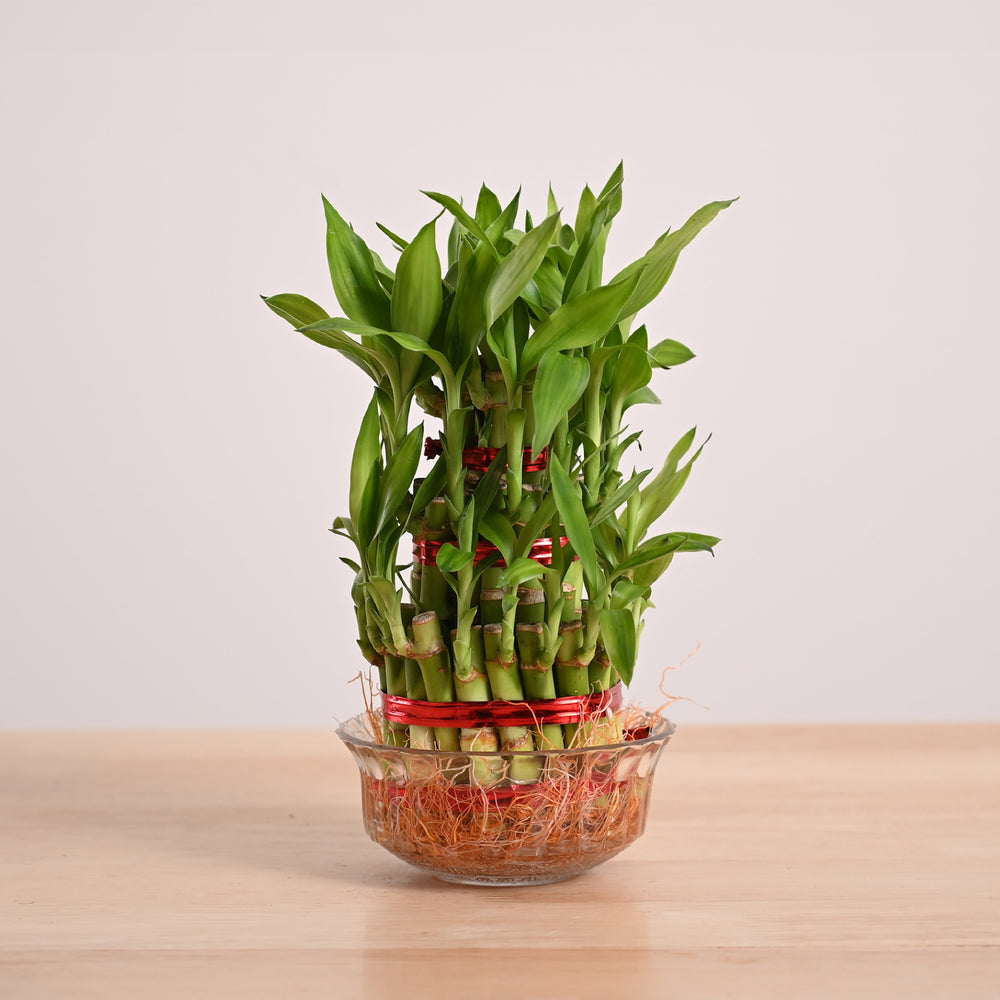
Credit: www.ugaoo.com
Enhancing Aesthetics With Bamboo
Bamboo plants bring a natural and fresh look to any home. They create a peaceful and green space.
Placing bamboo properly helps improve your home's style and feel. It adds calm and beauty.
Decorative Arrangements
Use bamboo in groups or alone to decorate rooms. Place them in corners or near windows for light.
Combine bamboo with stones or small water features for a natural look. Choose pots that match your decor.
- Group bamboo in different heights for interest
- Use clear or ceramic pots for a clean look
- Add small rocks around the base for texture
- Place near natural light for healthy growth
Complementary Plants
Pair bamboo with plants that have soft leaves and light colors. They balance bamboo's strong green color.
Choose plants that need similar light and water to keep care easy. Ferns and peace lilies work well.
- Ferns add a feathery texture
- Peace lilies bring white flowers and shine
- Succulents offer contrast with thick leaves
- Spider plants give long, thin leaves for variety
Using Bamboo As A Focal Point
Make bamboo the main decoration in a room by placing it in a visible spot. This draws attention.
Use tall bamboo to fill empty spaces or add height. A single bamboo plant in a stylish pot can stand out well.
- Place bamboo near entryways for a fresh welcome
- Use tall bamboo to add vertical interest
- Choose a decorative pot to highlight the plant
- Keep surrounding space simple to focus on bamboo
Maintenance Tips For Indoor Bamboo
Indoor bamboo plants add beauty and calm to your home. They need simple care to stay healthy.
Follow easy steps to water, feed, and clean your bamboo. This helps it grow strong indoors.
Watering Schedule
Bamboo likes moist soil but not soggy. Water it enough to keep soil damp.
Check soil every few days. Water more in dry months and less in cool months.
- Water once or twice a week
- Use room temperature water
- Drain excess water to avoid root rot
Fertilizing
Feed bamboo with a balanced fertilizer every month during spring and summer. This supports growth.
Use liquid or slow-release fertilizers. Avoid overfeeding to keep the plant healthy.
- Apply fertilizer once a month in growing season
- Choose fertilizers with equal N-P-K values
- Skip fertilizing in winter
Pruning And Cleaning
Trim yellow or dead leaves to keep bamboo neat. Cut stems near the soil if needed.
Clean leaves with a damp cloth to remove dust. This helps the plant absorb light.
- Remove dry leaves weekly
- Use clean scissors for pruning
- Wipe leaves gently with a soft cloth
Credit: www.urvann.com
Common Mistakes To Avoid
Placing a bamboo plant in your home can bring a touch of nature indoors. But, there are common mistakes that many people make. These errors can harm your bamboo plant.
Learn how to avoid these mistakes to keep your bamboo healthy. Here are the top mistakes to watch out for.
Overwatering
Too much water can damage your bamboo plant. The roots may rot if they sit in water for too long. This is a common mistake that many make.
Check the soil before watering. Make sure it is dry about an inch below the surface. This helps prevent overwatering.
Poor Lighting
Bamboo plants need the right amount of light. Too little or too much can cause problems. Ensure your bamboo gets indirect sunlight.
A spot near a window is usually a good choice. Avoid direct sunlight as it can burn the leaves.
Incorrect Pot Size
The pot size affects how well your bamboo grows. A pot that is too small restricts the roots. This can stunt growth and harm the plant.
Choose a pot that is slightly larger than the root ball. This gives the roots space to expand and ensures healthy growth.
- Measure the root ball before selecting a pot
- Ensure the pot has drainage holes
- Repot every couple of years as needed
Credit: www.msn.com
Frequently Asked Questions
How Do I Choose The Best Spot For A Bamboo Plant?
Select a location with indirect sunlight and good air circulation. Avoid direct harsh sunlight to prevent leaf burn. Bamboo thrives near windows with filtered light and moderate temperatures. Keep it away from cold drafts or heaters for optimal growth indoors.
What Type Of Water Is Best For Bamboo Plants?
Use filtered or distilled water as bamboo is sensitive to chemicals in tap water. Avoid hard water with high chlorine or fluoride levels. Change the water every week to prevent stagnation and root rot. Clean water promotes healthy bamboo growth indoors.
How Often Should I Water My Indoor Bamboo Plant?
Water your bamboo plant once a week or when the top inch of soil feels dry. Ensure the pot has good drainage to avoid waterlogging. Overwatering can cause root rot, while underwatering leads to yellow leaves. Keep the soil moist but not soggy.
Can Bamboo Plants Purify Indoor Air Effectively?
Yes, bamboo plants can improve indoor air quality. They absorb toxins and release oxygen, creating a healthier environment. Bamboo’s natural air-filtering properties make it an excellent choice for homes and offices. Regular care enhances its air-purifying benefits.
Conclusion
Placing a bamboo plant in your home brings calm and beauty. Choose a bright spot with indirect sunlight for best growth. Keep the soil moist but not soggy to avoid root problems. Regularly clean the leaves to help the plant breathe.
Watch your bamboo grow healthy and strong with simple care. Enjoy the natural charm and fresh feel it adds indoors. A well-placed bamboo plant can brighten any room quietly and naturally.