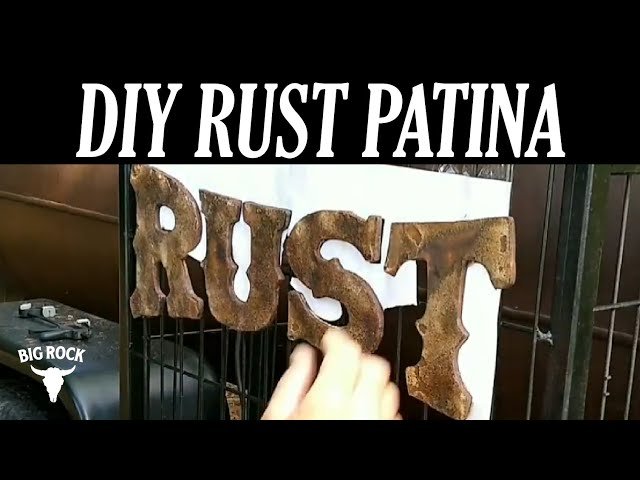
Are you looking to give your steel projects a unique, aged look without spending a fortune? Patina steel at home and watch your plain metal transform into a beautiful, rustic piece full of character.
This simple process not only enhances the appearance but also protects the steel from rust and wear. In this guide, you’ll discover easy steps and tips to create stunning patina effects right in your own space. Ready to turn your steel into a work of art?
Keep reading to unlock the secrets!

Credit: heartfilledspaces.com
Materials Needed
Patina steel is a way to add color and texture to steel surfaces. You can create this look at home using some simple materials. Knowing what you need helps you prepare and work safely.
This guide covers the types of steel to use, the patina solutions needed, and the safety gear required for the process.
Types Of Steel
Not all steel reacts the same way to patina solutions. Pick steel with low carbon content or mild steel for best results. Avoid stainless steel because it resists rust and patina.
- Mild Steel
- Low Carbon Steel
- Cold Rolled Steel
Patina Solutions
Patina solutions create the color and texture on steel. You can buy ready-made solutions or make your own at home.
| Solution | Main Ingredient | Effect |
| Saltwater | Salt and Water | Creates rust spots |
| Vinegar | Acetic Acid | Speeds up rusting |
| Hydrogen Peroxide Mix | H2O2, Vinegar, Salt | Fast rust and texture |
| Ammonia Fumes | Ammonia Solution | Darkens steel surface |
Safety Gear
Wear safety gear to protect your skin, eyes, and lungs from chemicals and rust particles. Always work in a well-ventilated area.
- Gloves (chemical resistant)
- Safety goggles
- Respirator or face mask
- Long sleeves and pants
- Work apron
Preparing The Steel Surface
Patina steel at home starts with preparing the surface well. Clean and smooth steel helps the patina develop evenly.
This guide covers basic cleaning, rust removal, and sanding techniques for good results.
Cleaning Methods
Remove dirt, oil, and grease before patinaing steel. These can block the chemical reaction.
- Use warm soapy water and a sponge to scrub the surface.
- Rinse with clean water and dry with a towel.
- For oily stains, wipe with rubbing alcohol or acetone.
- Wear gloves to avoid adding oils from your hands.
Removing Rust
Rust can ruin the patina finish. Remove it fully before starting.
| Rust Removal Method | Description |
| Vinegar Soak | Soak steel in white vinegar for a few hours to loosen rust. |
| Wire Brush | Scrub rust spots with a wire brush or steel wool. |
| Commercial Rust Remover | Use store-bought rust removers following the label instructions. |
Sanding Techniques
Sanding smooths the steel and opens the surface for better patina absorption.
- Start with medium grit sandpaper (around 120 grit) to remove rough spots.
- Use finer grit sandpaper (220 grit or higher) for a smooth finish.
- Sand in one direction to avoid scratches that show after patinaing.
- Clean off sanding dust with a damp cloth before applying patina chemicals.
Applying Patina
Applying patina to steel changes its surface color and texture. This process protects the metal and adds beauty. You can do it safely at home with the right tools and methods.
Understanding how to apply patina helps you get the look you want. Each step affects the final result on your steel piece.
Choosing The Right Patina
Pick a patina based on the steel type and desired color. Some patinas work better on mild steel, while others fit stainless steel. Consider the environment too, like indoor or outdoor use.
- Rust patina for a natural, earthy look
- Heat patina for blues and purples
- Chemical patina for green and black tones
- Cold patina for subtle, aged effects
Application Techniques
Apply patina carefully to control coverage and depth. Clean the steel well before starting. Use brushes, spray bottles, or cloths depending on the patina type.
- Prepare the steel surface by sanding and cleaning
- Test the patina on a small area first
- Apply the patina evenly using the chosen method
- Allow time for the patina to develop and dry
- Seal the surface with a clear coat if needed
Controlling Color And Texture
Control color by adjusting how long the patina stays on the steel. Texture changes with the application method and surface prep. Experiment with different tools to find your style.
| Factor | Effect on Patina |
|---|---|
| Patina Type | Determines base color range |
| Application Method | Brush gives streaks; spray gives smooth finish |
| Exposure Time | Longer time deepens color |
| Surface Preparation | Smoother surface yields cleaner look |
| Sealing | Preserves color and texture |

Credit: inmyownstyle.com
Drying And Curing
After applying patina to steel, drying and curing are crucial steps. They help the patina set well and last longer.
Proper drying and curing improve the steel's color and protect it from rust. You can do this safely at home.
Optimal Drying Conditions
Dry the steel in a place with good air flow and moderate temperature. Avoid direct sunlight and damp areas.
- Keep the temperature between 60°F and 80°F (15°C to 27°C)
- Ensure the area is dry with low humidity
- Place the steel on a clean, non-absorbent surface
- Avoid touching the surface during drying
Speeding Up The Process
You can reduce drying time by using gentle heat and airflow. Do not use high heat or forceful fans.
| Method | How to Use | Notes |
| Fan | Use a small fan at low speed | Keep it far to avoid dust |
| Heater | Set heater to low, indirect warmth | Do not overheat steel |
| Warm Room | Place steel in warm, dry room | Best for slow, even drying |
Avoiding Common Mistakes
Many beginners make errors that hurt the patina. Avoid these to get good results.
- Do not dry in direct sunlight or rain
- Never touch the steel while drying
- Do not use high heat or blow dryers
- Avoid high humidity or damp spaces
- Do not skip curing time; it strengthens the patina
Sealing And Protecting
Patina gives steel a unique and aged look. To keep this look, you need to seal and protect it. This stops rust and damage.
Sealing the patina keeps the color and texture. It also makes cleaning easier. Learn how to choose the right sealant and apply it correctly.
Types Of Sealants
There are different sealants for protecting patina. Some are better for indoor use, others for outdoor.
- Wax sealants for a natural finish
- Clear spray sealants for easy application
- Polyurethane sealants for strong protection
Application Tips
Applying sealant properly is important. It ensures the patina lasts long.
Clean the steel surface before sealing. Follow the sealant instructions for best results.
- Apply in a well-ventilated area
- Use a brush or cloth for even coverage
- Let the sealant dry completely
Maintaining The Patina
Regular maintenance keeps the patina looking great. This involves gentle cleaning and re-sealing as needed.
Avoid harsh chemicals when cleaning. Check the sealant condition regularly and reapply if necessary.
- Dust with a soft cloth weekly
- Re-seal every 6-12 months
- Store steel items indoors during bad weather

Credit: www.youtube.com
Creative Patina Ideas
Patina adds a unique look to steel by changing its surface color and texture. You can create many styles of patina at home with simple tools.
Try different techniques to get interesting effects. Use layering, mix chemicals, or make patterns on your steel.
Layering Techniques
Layering means applying one patina over another. This builds depth and rich colors on steel surfaces. Let each layer dry before adding the next.
Start with light tones, then add darker shades. You can repeat this to get a complex look.
- Apply a base patina and let it dry fully
- Add a second patina for contrast
- Use different chemicals for varied colors
- Sand lightly between layers to blend effects
Combining Patinas
Mixing different patina solutions creates unique colors and textures. You can use vinegar, salt water, or commercial patinas together.
Test on small steel pieces first to see how they react. Some mixes make blue, green, or brown shades.
- Use vinegar and salt for a rustic look
- Try ammonia with copper to get green tones
- Mix lemon juice and baking soda for light effects
- Combine store-bought patinas for special finishes
Custom Patterns
Create patterns by masking parts of the steel before applying patina. Use tape, stencils, or stickers to block areas.
After applying the patina, remove the masks to reveal your design. You can make stripes, shapes, or random patterns.
- Use painter's tape for clean lines
- Cut stencils from paper for shapes
- Try splatter techniques with brushes
- Layer patterns for complex designs
Troubleshooting
Patina adds a unique look to steel. Sometimes, things don't go as planned. Here are common problems and their solutions.
Learn how to fix uneven patina, color fading, and surface damage. These tips will help you achieve the best results at home.
Uneven Patina
Uneven patina can make steel look patchy. This often happens when the surface is not clean.
Make sure to clean the steel thoroughly. Use a degreaser to remove oils and dirt. Sanding the surface can also help.
- Clean with soap and water first
- Use a degreaser to remove oils
- Sand lightly to ensure an even surface
Color Fading
Color fading happens when the patina is exposed to sunlight. It can also occur if the sealant is not applied correctly.
Apply a UV-resistant sealant to protect the patina. Store patina steel items away from direct sunlight to maintain color.
- Use UV-resistant sealant
- Store items away from sunlight
- Reapply sealant every few months
Surface Damage
Surface damage can ruin the patina look. Scratches and dents are common issues.
Handle steel with care to avoid damage. If scratches occur, sand and reapply the patina for a smooth finish.
- Handle with care to prevent scratches
- Sand and reapply patina if needed
- Use protective coatings to prevent damage
Frequently Asked Questions
How Do You Prepare Steel Before Patina Application?
Clean the steel thoroughly to remove dirt, oil, and rust. Use a degreaser or mild acid wash. Dry completely before patina. Proper preparation ensures even and lasting patina results.
What Common Chemicals Create Steel Patina At Home?
Vinegar, hydrogen peroxide, and salt are popular for steel patina. These create oxidation and color changes safely. Experiment in small areas to achieve desired effects.
How Long Does It Take To Develop A Patina On Steel?
Patina can develop within hours to days depending on conditions. Temperature, humidity, and chemical concentration affect speed. Regular monitoring helps achieve the perfect finish.
Can I Seal Patina To Protect Steel Finish?
Yes, sealing with clear lacquer or wax preserves patina. It prevents rust and enhances durability. Reapply sealant periodically for long-lasting protection.
Conclusion
Patina steel at home with simple steps and basic materials. The process takes time but creates unique, lasting colors. Use safety gear and work in a well-ventilated area. Experiment with different solutions to find your favorite look. Regular care helps maintain the beautiful patina finish.
Enjoy the satisfaction of crafting your own steel art. Keep practicing to improve your technique and results. This DIY project adds character to your metal pieces easily.