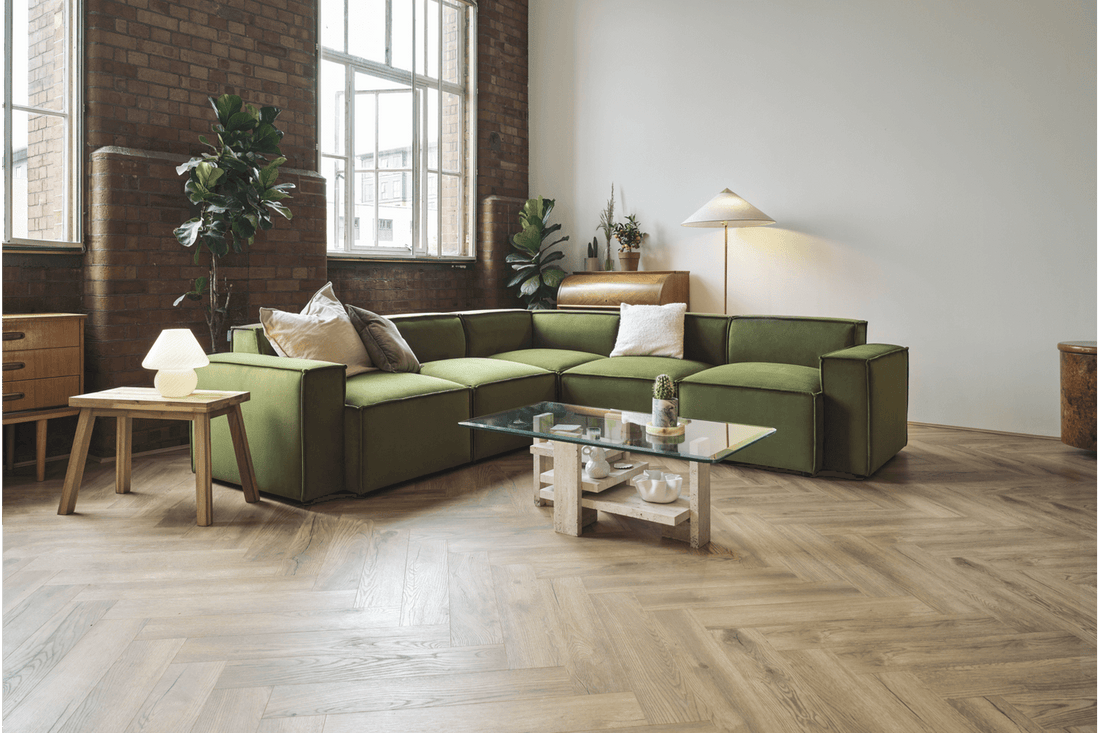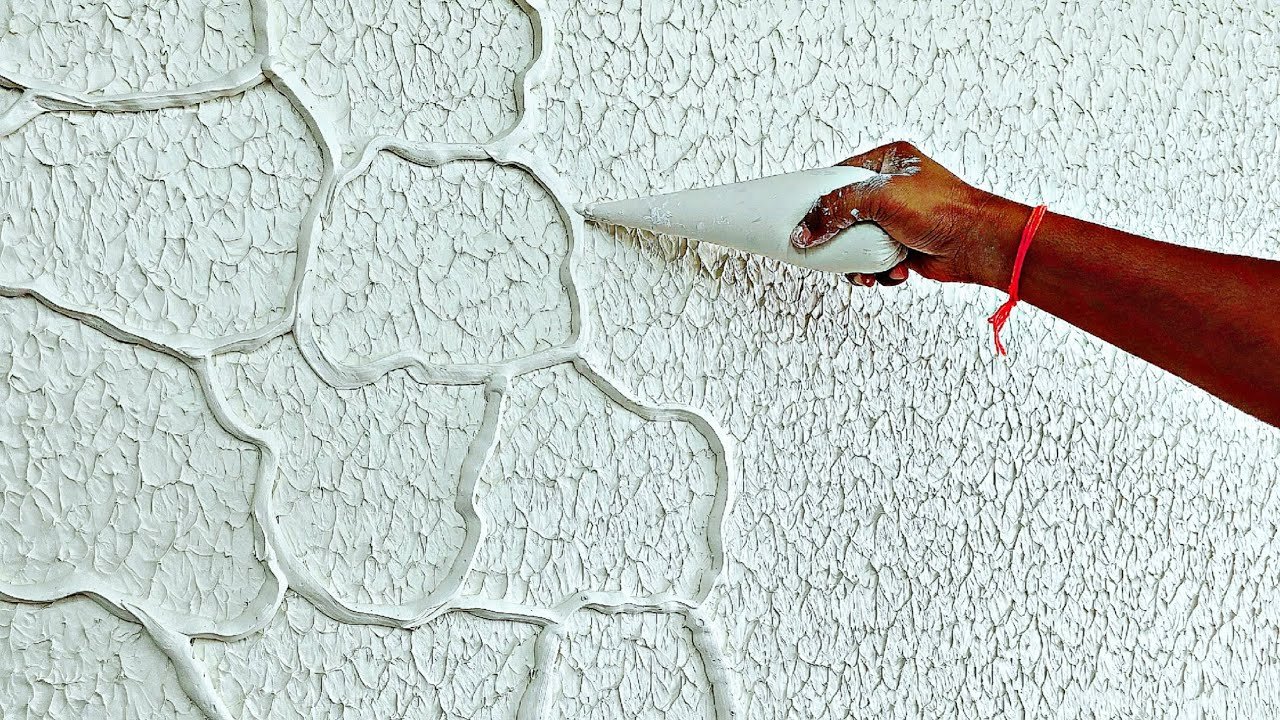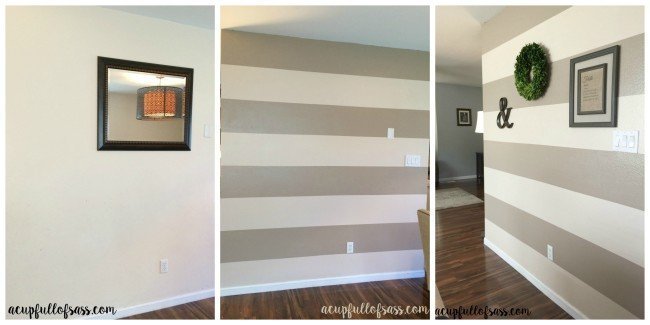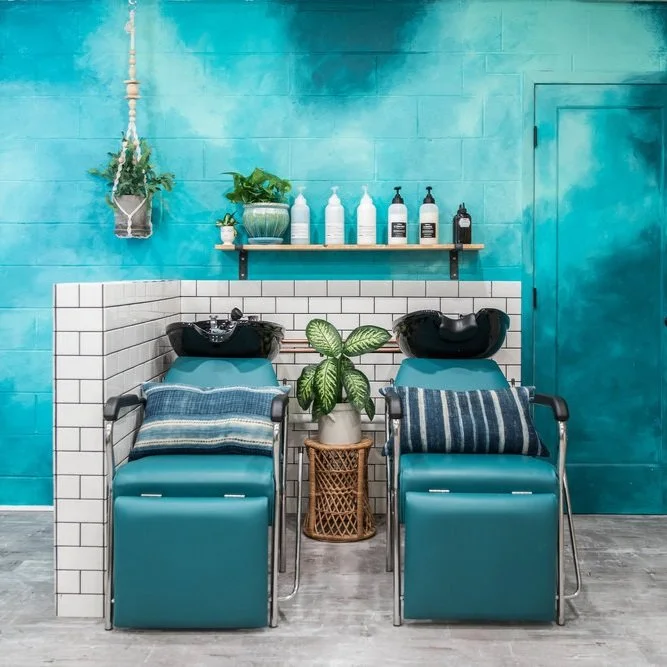
Are you ready to transform your living room without a full makeover? Painting an accent wall is one of the easiest and most effective ways to add personality and style to your space.
Imagine stepping into a room where one wall catches your eye, creating a cozy and inviting atmosphere instantly. In this guide, you’ll discover simple steps to choose the perfect color, prepare your wall, and paint like a pro—even if you’ve never held a brush before.
By the end, your living room will feel fresh, vibrant, and uniquely yours. Let’s get started!
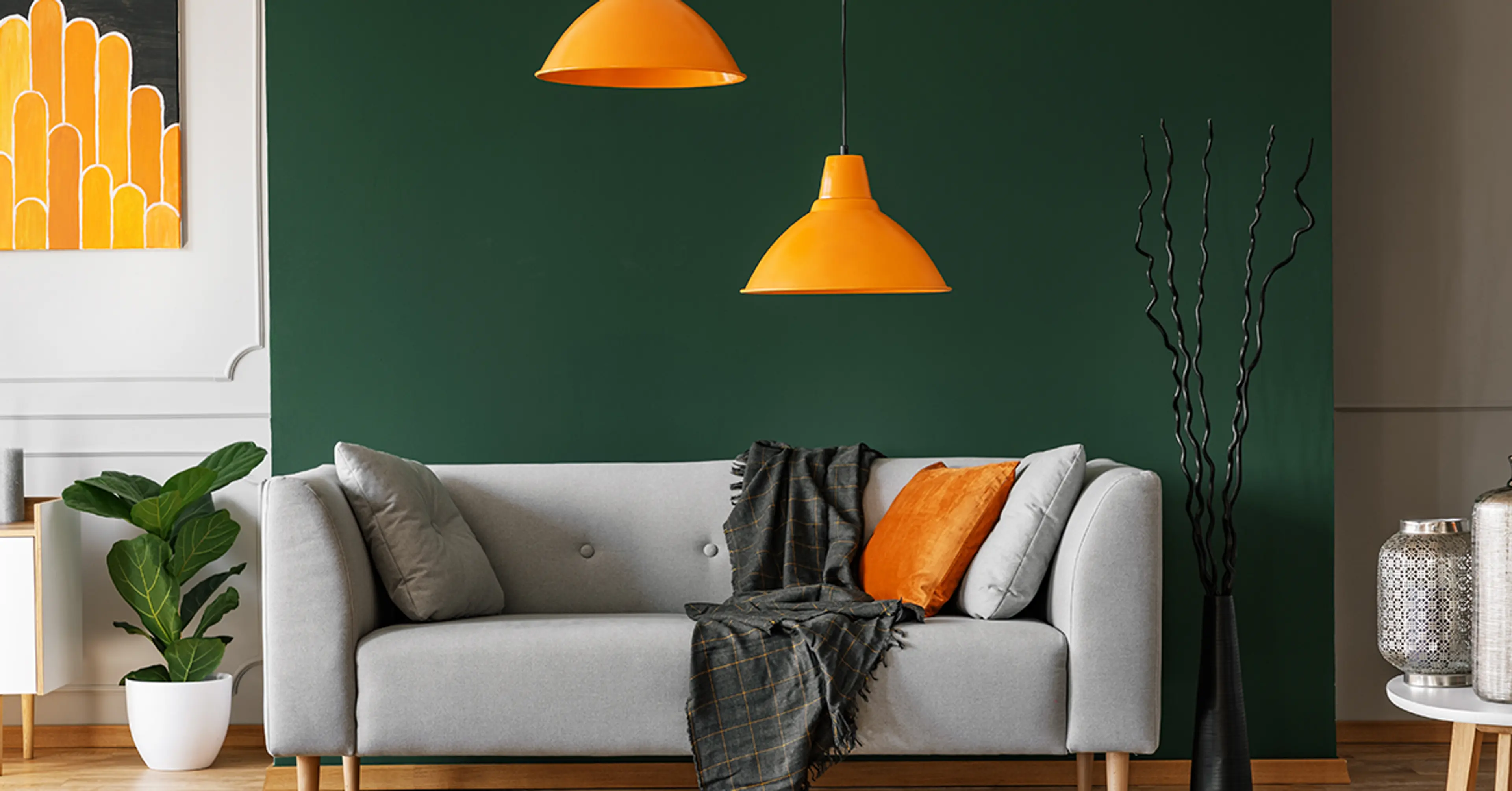
Credit: www.bergerpaints.com
Choosing The Right Wall
Picking the right wall for an accent wall changes the whole look of your living room. It helps highlight the best parts of your space.
This guide will help you find the perfect wall to paint and make your living room stand out.
Identify Focal Points
Look for the wall that naturally draws attention. It could be where the TV, fireplace, or a large piece of art is placed.
- Wall with a fireplace
- Wall behind the main seating area
- Wall with large windows or artwork
- Wall opposite the entrance
Consider Room Layout
Think about how your furniture is arranged. The accent wall should complement your layout and not clash with it.
| Room Layout | Best Wall Choice |
|---|---|
| Sofa against a wall | Wall behind the sofa |
| Open floor plan | Wall visible from most areas |
| Corner seating | Adjacent wall to seating |
Evaluate Natural Light
Check how much sunlight each wall gets. Light can change the look of the paint color during the day.
Tips for choosing a wall based on light:
- Bright walls show true paint color
- Dim walls create a cozy feel
- Avoid walls with glare from direct sunlight
- Use lighter colors for darker walls
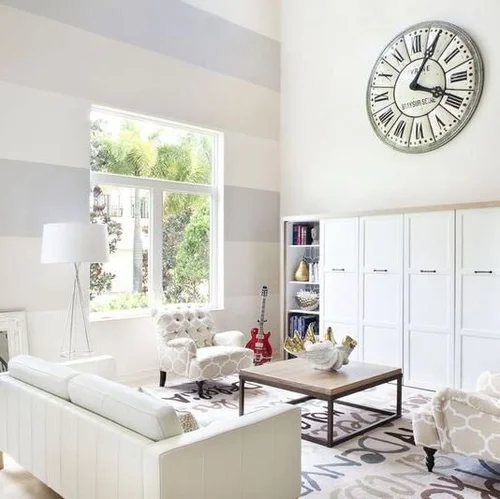
Credit: www.cobbbrothersco.com
Selecting Paint Colors
Choosing the right paint color is key to a beautiful accent wall. It sets the tone for your living room.
Consider your room’s style and mood before picking a color. This helps you find the perfect shade.
Match Existing Decor
Look at your furniture, curtains, and rugs. Pick colors that blend well with these items.
- Choose colors that complement your sofa and chairs.
- Use shades that work with your floor and wall trims.
- Think about the overall style, such as modern or rustic.
Explore Color Psychology
Colors affect mood and feelings. Some colors relax, while others energize.
| Color | Effect |
| Blue | Calms and soothes |
| Yellow | Boosts energy and happiness |
| Green | Brings balance and harmony |
| Red | Creates warmth and excitement |
Test Sample Swatches
Try paint samples on your wall before buying. This shows how colors look in different lights.
- Paint small patches in various spots of the room.
- Observe the colors at different times of the day.
- Check how the colors change under artificial light.
Gathering Supplies
Painting an accent wall needs the right supplies to get good results. Gather everything before you start.
Having all tools ready helps the painting go smooth and fast.
Paint And Primer
Choose a paint color that stands out in your living room. Use a primer to cover old colors and stains.
Primer helps the paint stick better and shows the true paint color.
- Pick a high-quality paint for durability
- Use primer if the wall has dark colors or stains
- Choose paint finish like matte, satin, or gloss
Brushes And Rollers
Use brushes for corners and edges. Rollers cover large wall areas quickly.
Get brushes and rollers that fit your paint type and wall texture.
- Angled brushes work well on edges
- Use a roller with medium nap for smooth walls
- Choose roller size based on wall size
Painter’s Tape And Drop Cloths
Painter’s tape protects trim and ceiling from paint. Drop cloths keep floors clean.
Use these supplies to avoid mess and get sharp paint lines.
- Apply painter’s tape along edges and trim
- Use plastic or fabric drop cloths on floors
- Check tape sticks well before painting
Preparing The Wall
Painting an accent wall needs good preparation. This helps the paint stick well and last long.
Follow these steps before you start painting to get the best results.
Clean And Repair Surface
Make sure the wall is clean before painting. Dirt and dust stop paint from sticking properly.
Check the wall for holes, cracks, or dents. Fix these spots with spackle or filler.
- Use a damp cloth to wipe off dust and dirt
- Fill holes with spackle using a putty knife
- Let the filler dry, then sand smooth
- Remove any loose paint flakes
Remove Fixtures
Take off light switches, outlet covers, and wall hangings. This stops paint from getting on them.
Use a screwdriver to carefully remove screws. Keep the pieces safe for reinstallation.
- Turn off power before removing electrical covers
- Label screws and covers to avoid confusion
- Store small parts in a safe container
Tape Edges Carefully
Apply painter’s tape along edges for clean lines. This protects trim, ceilings, and adjacent walls.
Press the tape down firmly to stop paint from seeping under it.
- Use quality painter’s tape for best results
- Cover baseboards and door frames near the wall
- Remove tape soon after painting while paint is still wet
Applying Primer
Applying primer is a key step before painting an accent wall. It helps the paint stick better and lasts longer.
Use the right primer and apply it evenly for the best results. Follow drying times before painting.
Choose Suitable Primer
Select a primer based on your wall type and paint color. Some primers block stains, while others seal porous surfaces.
- Use stain-blocking primer for dark or bright colors.
- Choose a bonding primer for glossy or smooth walls.
- Pick a drywall primer for new or repaired walls.
- Consider a mildew-resistant primer in damp rooms.
Even Application Tips
Apply primer evenly to avoid streaks or patches. Use the right tools and techniques for smooth coverage.
- Use a high-quality brush or roller made for primer.
- Start from the top and work down in sections.
- Apply thin, even coats rather than thick layers.
- Feather edges to blend with unprimed areas.
- Check the wall under good light for missed spots.
Drying Time Guidelines
Allow primer to dry fully before painting. Drying time varies by product and room conditions.
| Primer Type | Average Drying Time | Notes |
| Latex Primer | 30 minutes to 1 hour | Dries faster in warm, dry rooms |
| Oil-Based Primer | 6 to 8 hours | Longer drying but smoother finish |
| Stain-Blocking Primer | 1 to 2 hours | May need multiple coats for tough stains |
Painting Techniques
Painting an accent wall can change the look of your living room. Using the right techniques makes the job easier and the results better.
This guide will walk you through the best methods for painting an accent wall. Let's explore these techniques step by step.
Cutting In Edges
Cutting in edges is important for a clean finish. This is where you paint the corners and edges with a brush before using a roller.
- Use a small angled brush for precision
- Paint slowly to avoid mistakes
- Keep a wet edge to blend with roller paint
Rolling Paint Smoothly
Rolling paint smoothly ensures an even coat. Choose the right roller for your wall type to achieve the best results.
Tip: Load your roller with paint evenly. Start from the middle of the wall and roll upwards, then downwards.
Applying Multiple Coats
Applying multiple coats may be necessary for full coverage. Each coat should dry completely before applying the next one.
| Coat Number | Drying Time |
| First Coat | 2 hours |
| Second Coat | 2 hours |
| Third Coat (if needed) | 2 hours |
Finishing Touches
Adding the final touches to your accent wall can make a big difference. It’s important to follow a few key steps to achieve a clean and professional look.
These steps will ensure your accent wall stands out beautifully and enhances your living room.
Remove Tape Cleanly
Peeling off tape cleanly is crucial to maintaining crisp lines. Wait until the paint is dry to the touch, but not fully cured, for best results.
- Slowly pull the tape back on itself at a 45-degree angle.
- If the tape tears, use a utility knife to carefully cut through the paint film.
- Avoid letting the tape sit too long, as it can bond with the paint.
Touch Up Imperfections
After removing the tape, inspect the wall for any imperfections. Touching up small areas ensures a flawless finish.
Clean Up Supplies
Once your wall is perfect, it's time to clean up. Properly cleaning your tools prolongs their life and saves you money in the long run.
| Item | Cleaning Method |
| Brushes | Wash with warm soapy water |
| Rollers | Rinse thoroughly until water runs clear |
| Trays | Scrape excess paint and wash |

Credit: www.designcafe.com
Maintaining The Accent Wall
Keeping your accent wall looking fresh is important. A well-maintained wall adds beauty to your living room.
Simple care helps your accent wall last longer and stay vibrant over time.
Regular Cleaning Tips
Dust and dirt can dull your accent wall’s color. Clean it gently to keep the paint bright.
- Use a soft cloth or a feather duster to remove dust weekly
- Clean stains with a damp sponge and mild soap
- Avoid harsh chemicals that can damage the paint
- Dry the wall with a clean towel after washing
Handling Wear And Tear
Small scratches or chips can happen over time. Fixing them quickly stops bigger damage.
Here are simple ways to handle common wall issues:
- Fill small holes or cracks with spackle before repainting
- Touch up chipped areas using leftover paint
- Use painter’s tape to get clean edges during touch-ups
- Protect high-traffic areas with clear wall guards if needed
When To Repaint
Repainting keeps your accent wall fresh. Watch for signs that show it’s time to paint again.
| Signs to Repaint | Details |
| Fading Color | Wall looks dull or washed out |
| Peeling Paint | Paint flakes or cracks easily |
| Stains | Marks that do not clean off |
| Style Change | Want a new color or look |
Frequently Asked Questions
What Paint Color Works Best For An Accent Wall?
Choose a color that contrasts your main walls but complements the room’s palette. Bold shades like navy, teal, or deep red work well. Consider your furniture and décor to ensure harmony and create a striking focal point in your living room.
How Do I Prep A Wall Before Painting?
Clean the wall to remove dust and grease. Fill holes or cracks with spackle and sand smooth. Use painter’s tape to protect edges. Proper prep ensures smooth paint application and a professional-looking accent wall finish.
What Type Of Paint Finish Is Ideal For Accent Walls?
Satin or eggshell finishes are best for accent walls. They offer a subtle sheen and hide imperfections well. Avoid flat or matte finishes as they may look dull, and high-gloss can be too reflective for living room walls.
How Long Does It Take To Paint An Accent Wall?
Painting an accent wall typically takes 2 to 4 hours. This includes prep, priming, and applying two coats of paint. Drying times vary by paint type, so plan your project accordingly for the best results.
Conclusion
Painting an accent wall can change your living room’s look quickly. Choose a color that fits your style and room size. Prepare the wall well for the best results. Use painter’s tape to keep lines clean and neat. Take your time and paint carefully for an even finish.
A fresh accent wall adds warmth and personality to your space. Enjoy the new feeling that color brings to your home. Small steps lead to a big change in your living room. Give your space a simple, fresh update today.