Are you looking to give your living room a fresh, stylish look without spending a fortune? Painting your living room with a chair rail can transform the space, adding depth and character instantly.
But how do you choose the right colors and get clean, professional-looking lines? In this guide, you’ll discover simple steps to paint your living room perfectly around a chair rail. By the end, you’ll feel confident tackling this project yourself and creating a room that truly stands out.
Keep reading to unlock the secrets to a beautiful, polished finish that will impress everyone who walks in.
Choosing Paint Colors
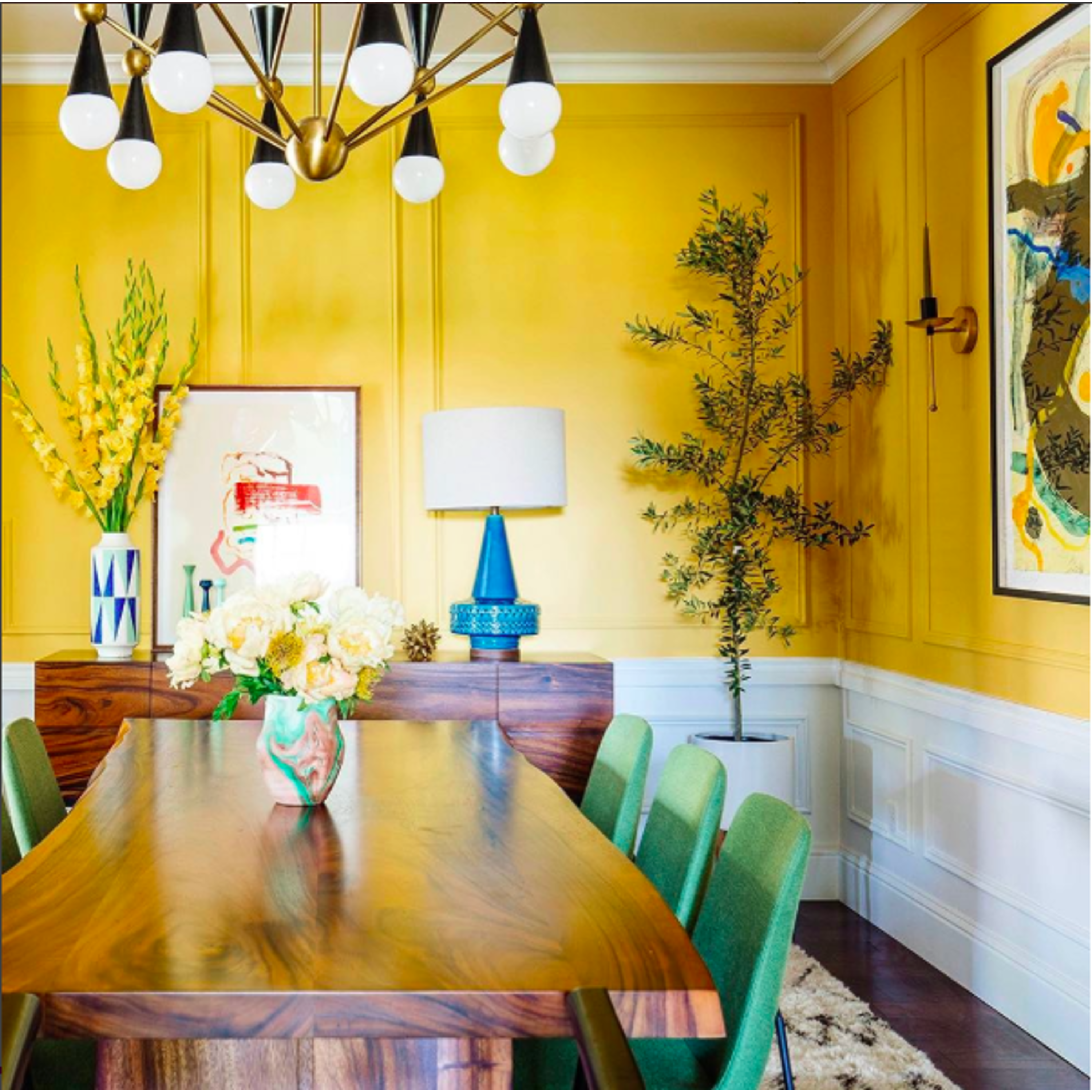
Choosing the right paint colors sets the mood for your living room. The chair rail creates two areas to paint, so color choice is important.
Consider how colors work together and how light affects them. This helps you pick shades that look great all day.
Selecting Complementary Shades
Complementary colors sit opposite each other on the color wheel. They create a balanced and lively look when paired.
- Choose a soft neutral for the upper wall for calmness.
- Pick a bold color below the chair rail for contrast.
- Use color swatches to test how shades work in your room.
- Match chair rail color to the trim or baseboard for unity.
Using Contrast Effectively
Contrast highlights the chair rail and adds depth to the room. Use light and dark colors to create this effect.
| Area | Color Type | Effect |
|---|---|---|
| Above Chair Rail | Light Shade | Makes room feel larger and open |
| Below Chair Rail | Dark Shade | Draws attention to wall detail |
| Chair Rail | Neutral or White | Keeps focus on wall colors and rail |
Considering Room Lighting
Light changes how paint colors look. Natural and artificial light affect shades differently.
Check these lighting tips:
- Test colors in daylight and at night.
- Use lighter colors in dim rooms to brighten space.
- Darker colors work well in bright rooms with lots of light.
- Consider the direction of windows and light bulbs.
Credit: www.metrie.com
Preparing The Walls
Preparing your living room walls is important before painting. It helps the paint stick better and last longer. Take time to clean and fix the walls for a smooth finish.
This guide covers cleaning, sanding, priming, and taping around the chair rail to make your painting job easier.
Cleaning And Repairing Surfaces
Start by removing dust, dirt, and grease from the walls. Use a mild detergent and warm water. Let the walls dry fully before moving on.
- Wash walls gently with soap and water
- Fill holes and cracks with spackling paste
- Sand patched areas smooth after drying
- Remove loose or peeling paint
Sanding And Priming
Sanding helps smooth rough spots and old paint edges. Use fine-grit sandpaper for best results. After sanding, clean the dust off the walls.
| Material | Purpose |
| Fine-grit sandpaper (120-150 grit) | Smooth walls and remove loose paint |
| Primer | Seal surface and improve paint adhesion |
| Putty knife | Apply spackling paste to holes |
Apply primer to patched areas and bare spots. Primer seals the surface and helps the new paint cover evenly.
Taping Around The Chair Rail
Use painter’s tape to protect the chair rail and create clean paint lines. Press tape firmly to avoid paint bleeding underneath.
- Clean the chair rail surface before taping
- Apply painter’s tape along the top and bottom edges
- Seal tape edges by pressing down firmly
- Remove tape soon after painting while paint is still wet
Painting Below The Chair Rail
Painting the area below the chair rail adds style and protection to your living room walls. This section needs careful preparation and technique.
Using the right tools and methods ensures a clean and smooth finish that lasts for years.
Best Techniques For Smooth Finish
Start by cleaning the wall to remove dust and dirt. Use painter’s tape along the chair rail for sharp edges. Sand the wall lightly to help the paint stick. Apply a primer if the wall color is dark or uneven.
Use thin coats of paint and let each layer dry before applying the next. This process helps avoid bumps and uneven spots.
Using Rollers Vs. Brushes
Rollers cover large areas fast. Use a small roller with fine nap for smooth walls. Brushes are best for edges and corners near the chair rail.
- Use a roller for the main wall sections below the chair rail.
- Choose a brush for cutting in along the rail and corners.
- Pick a high-quality brush to reduce streaks and bristle marks.
- Roll paint in a “W” pattern to avoid lines and cover evenly.
Avoiding Drips And Streaks
| Tip | How to Do It |
|---|---|
| Use Thin Paint Layers | Apply multiple thin coats instead of one thick coat. |
| Control Paint Amount | Don’t overload your brush or roller to prevent drips. |
| Keep a Wet Edge | Paint quickly next to the wet area to avoid streaks. |
| Check for Drips | Look closely during painting and smooth drips immediately. |
| Use Quality Paint | Choose paint that levels well and dries evenly. |

Credit: www.reddit.com
Painting Above The Chair Rail
Painting the area above the chair rail adds style and character to your living room. This section guides you through choosing paint, cutting edges, and balancing colors.
Careful painting above the chair rail creates a clean and polished look. Follow simple tips for a smooth finish.
Choosing The Right Paint Finish
Select a paint finish that suits the room’s use and style. Satin and eggshell finishes work well for living rooms because they clean easily and look soft.
- Matte:Hides wall flaws but is hard to clean.
- Eggshell:Slight shine, easy to clean, good for living rooms.
- Satin:Smooth finish, durable, reflects light gently.
- Semi-gloss:Very shiny, best for trim, not walls.
Cutting In Edges Cleanly
Cutting in means painting near the chair rail without spilling paint. Use painter’s tape and a steady hand to get sharp lines.
- Clean the chair rail to remove dust.
- Apply painter’s tape just above the rail.
- Use a small angled brush for better control.
- Paint slowly along the edge, keeping the brush steady.
- Remove tape before paint dries to avoid peeling.
Creating Visual Balance
Balance the colors above and below the chair rail. Choose hues that complement each other and fit the room’s style.
| Area | Recommended Color Type |
| Above Chair Rail | Light or medium shade for openness |
| Below Chair Rail | Darker or neutral tone for grounding |
| Chair Rail | White or contrasting trim color |
Enhancing With Decorative Elements
Painting a living room with a chair rail gives you a chance to add style. Decorative elements can make your walls look special and inviting.
You can use colors, patterns, and highlights to create a unique design around the chair rail. These choices bring charm and character to your space.
Adding Accent Colors
Accent colors add contrast and interest to your living room walls. Pick a color that stands out from the main wall color.
Use the accent color on the wall section below or above the chair rail to create a balanced look. This draws attention to the rail and adds depth.
- Choose colors that complement your furniture
- Try soft pastels or bold hues depending on your style
- Test paint samples before deciding
Incorporating Patterns Or Stencils
Patterns and stencils add texture and personality to your walls. They work well below or above the chair rail for visual interest.
Simple shapes like stripes, dots, or floral patterns make the room feel cozy and creative. Stencils help you create neat and repeatable designs.
- Use painter’s tape to keep lines clean
- Choose small patterns for subtle style
- Try larger patterns for a bold statement
Highlighting The Chair Rail
Painting the chair rail itself can make it a focal point. Use a glossy or contrasting color to make the rail stand out.
A well-painted chair rail adds elegance and frames the wall sections nicely. It also protects the rail from wear and tear.
- Pick a color that matches your trim or furniture
- Use semi-gloss or gloss paint for easy cleaning
- Apply two coats for a smooth finish
Finishing Touches
Painting a living room with a chair rail can be fun. The final steps are important for a clean look.
Make sure everything looks neat and tidy. This helps your room feel fresh and inviting.
Removing Tape Carefully
Painter's tape helps keep lines straight. Remove it slowly for best results.
Pull the tape at a 45-degree angle. This avoids peeling off the paint.
- Check if the paint is dry before removing tape
- Use a utility knife if tape is stuck
- Work in small sections for control
Touching Up Imperfections
After removing tape, inspect the walls. Look for spots that need touch-ups.
Use a small brush for fixing small mistakes. This helps maintain a clean finish.
- Mix paint well to match the wall color
- Apply paint in thin layers for smoothness
- Check the corners and edges carefully
Cleaning Tools And Workspace
Cleaning up is an important part of painting. It keeps your tools in good shape.
Wash brushes and rollers with warm soapy water. This will make them last longer.
- Wipe down any surfaces that got paint on them
- Dispose of paint cans properly
- Store tools in a dry place to prevent rust
Maintenance Tips
Painting a living room with a chair rail adds elegance. Maintenance keeps it looking fresh and vibrant.
Regular care helps painted surfaces last longer. Here are some tips to maintain your painted living room.
Cleaning Painted Surfaces
Gentle cleaning preserves paint quality. Use soft cloths and mild detergents.
- Use a soft, damp cloth for dusting.
- Mix mild soap with water for tough stains.
- Rinse with clean water to remove soap residue.
Handling Scuffs And Marks
Scuffs and marks can appear over time. Handle them with care to avoid damage.
For minor scuffs:
- Try a magic eraser sponge.
- Rub gently to avoid removing paint.
For deeper marks:
- Consider touch-up paint.
- Match color for seamless repair.
When To Repaint
Knowing when to repaint is key for maintaining a fresh look. Repainting depends on wear and tear.
| Condition | Action |
| Faded color | Consider repainting |
| Peeling paint | Repaint needed |
| Stubborn stains | Evaluate for repainting |
Credit: www.livingetc.com
Frequently Asked Questions
What Paint Colors Work Best With A Chair Rail?
Choose contrasting colors above and below the chair rail. Light colors on top and darker shades below enhance visual appeal. This technique highlights the chair rail and adds dimension to your living room walls.
How Do I Prep Walls Before Painting With A Chair Rail?
Clean the walls thoroughly to remove dust and grease. Fill holes or cracks and sand the surface smooth. Tape along the chair rail edges to ensure clean lines and prevent paint bleed.
Can I Paint The Chair Rail Itself?
Yes, painting the chair rail adds a polished look. Use semi-gloss or gloss paint for durability and easy cleaning. Choose a color that complements or contrasts with your wall paint for visual interest.
Should I Use Different Paint Finishes Above And Below The Rail?
Using different finishes creates texture and depth. Typically, use eggshell or matte finish above and semi-gloss below. This helps in highlighting architectural features and adds elegance to the room.
Conclusion
Painting a living room with a chair rail adds style and charm. It creates a clear line that divides colors nicely. Choose colors that match your room’s mood. Take your time to prep walls and tape edges carefully. A steady hand makes all the difference.
Enjoy the fresh look and new feel. This simple step can change your space a lot. Try it yourself and see the difference it brings. Painting with a chair rail is a smart way to refresh your room.