Looking to give your bathroom a fresh, stylish upgrade? Mounting a bathroom mirror is one of the easiest and most effective ways to transform your space.
But if you’re unsure where to start or worried about making mistakes, don’t worry—you’re in the right place. This guide will walk you through simple, step-by-step instructions to help you hang your mirror securely and perfectly. By the end, you’ll have the confidence to tackle this project yourself and enjoy a brighter, more beautiful bathroom.
Ready to get started? Let’s dive in!

Credit: oushengmirror.com
Choosing The Right Mirror
Picking the right bathroom mirror can change the look of your space. It also affects how well you can use it daily. Think about your needs and style before buying.
Consider the mirror's type, size, shape, and frame. These details help you find a mirror that fits your bathroom perfectly.
Types Of Bathroom Mirrors
There are many mirror types for bathrooms. Each type offers different features and styles.
- Frameless Mirrors:Simple, modern look without edges.
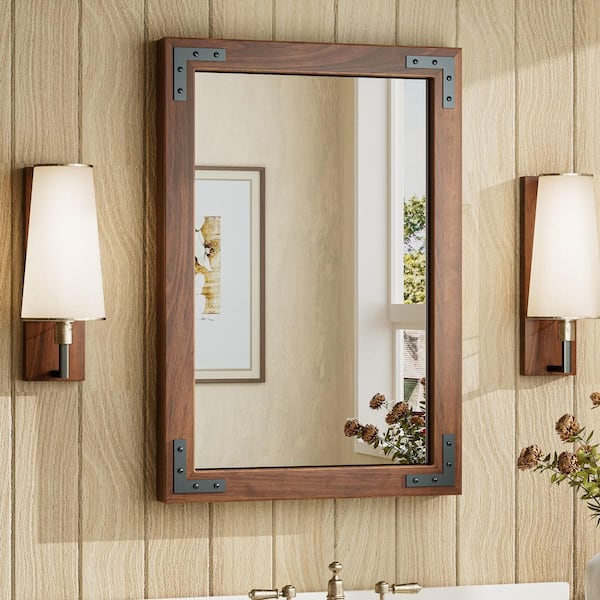
- Framed Mirrors:Have borders that add style and color.
- Medicine Cabinet Mirrors:Include storage behind the mirror.
- Lighted Mirrors:Built-in lights for better visibility.
- Magnifying Mirrors:Small, close-up mirrors for detail work.
Size And Shape Considerations
Choose a mirror size that fits your wall and room size. The shape should match your bathroom style and space.
| Shape | Best For | Space Type |
| Rectangle | Classic look, fits above sinks | Small to large bathrooms |
| Oval | Soft, elegant feel | Medium bathrooms |
| Round | Modern style, focal point | Small bathrooms or powder rooms |
| Square | Clean, geometric design | Contemporary spaces |
Frame Styles And Materials
The frame of the mirror adds to the bathroom’s style. Choose materials that resist moisture and match your decor.
- Wood Frames:Warm and natural, good for dry bathrooms.
- Metal Frames:Sleek and modern, often rust-resistant.
- Plastic Frames:Affordable and moisture resistant.
- Stone or Tile Frames:Durable and decorative.
- No Frame:Clean and simple look.
Preparing The Wall
Mounting a bathroom mirror starts with preparing the wall properly. This makes sure the mirror is secure and looks good.
Follow these steps to find the right spot, check the wall type, and gather your tools before you begin.
Finding The Perfect Spot
Choose a spot that is easy to reach and looks balanced above the sink or vanity. Make sure it fits the mirror size well.
- Measure the width of the mirror
- Mark the center point on the wall
- Check for any obstacles like light switches or outlets
- Consider the height for comfortable viewing
Checking Wall Material
Identify your wall type to select the right mounting hardware. Different materials need different anchors or screws.
| Wall Material | Recommended Mounting Hardware |
| Drywall | Plastic anchors or toggle bolts |
| Tile | Use a drill bit for tile and plastic anchors |
| Concrete or Brick | Masonry anchors and screws |
| Wood | Wood screws directly into studs |
Gathering Necessary Tools
Prepare all tools before starting to save time and avoid mistakes during installation.
- Measuring tape
- Level
- Drill with bits
- Screwdriver
- Wall anchors and screws
- Pencil for marking
Marking And Measuring
Mounting a bathroom mirror requires careful measuring and marking. These steps ensure your mirror hangs straight and secure.
Follow these simple guidelines to make the process smooth and accurate. Proper preparation saves time and prevents errors.
Using A Level For Accuracy
A level helps keep the mirror aligned. It prevents tilting and uneven placement.
Place the level on the wall where you plan to hang the mirror. Adjust until the bubble is centered.
- Hold the level steady against the wall
- Mark the top edge of the level with a pencil
- Use these marks as your guide
Marking Anchor Points
Anchor points are where your mirror will attach. They need to be strong and precise.
Measure the distance between the mirror's hanging brackets. Transfer these measurements to the wall.
| Mirror Width | Anchor Distance |
| 24 inches | 20 inches |
| 30 inches | 26 inches |
Double-checking Measurements
Always double-check your measurements. This ensures accuracy and prevents mistakes.
Use a tape measure to verify distances. Compare your marks with the mirror's dimensions.
- Re-measure each marked point
- Confirm alignment with the level
- Adjust if necessary before drilling
Mounting Techniques
Mounting a bathroom mirror properly keeps it secure and safe. You can use different techniques based on your wall type and mirror size. Choose the best method to fit your needs and tools.
This guide covers three common ways to mount a bathroom mirror. Each technique has simple steps to follow for a strong hold.
Using Adhesive Strips
Adhesive strips are easy to use and do not require drilling. They work best for small to medium mirrors on smooth, clean walls.
- Clean the wall surface and mirror back thoroughly.
- Peel the backing off the adhesive strips.
- Press strips firmly on the mirror frame or back.
- Hold the mirror against the wall for 30 seconds to stick well.
- Wait one hour before hanging the mirror to ensure full adhesion.
Installing Wall Anchors
Wall anchors give extra support for heavier mirrors. They are good for drywall or plaster walls where screws alone might not hold.
- Mark the spots for the mirror screws on the wall.
- Drill holes at the marked points using a drill bit size matching the anchors.
- Insert wall anchors fully into the holes.
- Place the mirror brackets or hooks aligned with the anchors.
- Screw the brackets into the anchors tightly.
Screwing In Mounting Brackets
Mounting brackets provide a very stable hold for large or heavy mirrors. Use strong screws and brackets designed for your mirror type.
| Tool | Purpose | Tip |
|---|---|---|
| Screwdriver | Drive screws into wall and brackets | Use a screwdriver that fits screw heads exactly |
| Drill | Make pilot holes for screws | Choose drill bit size matching screws |
| Level | Ensure brackets are straight | Check before and after mounting |
Securing The Mirror
Mounting a bathroom mirror needs careful attention to keep it safe. Properly securing the mirror helps avoid accidents and damage.
Follow simple steps to attach the mirror firmly. Use the right tools and check the wall type before starting.
Attaching The Mirror Safely
Use wall anchors or screws that fit your mirror's weight. Mark the spots on the wall before drilling holes.
Wear safety goggles to protect your eyes. Hold the mirror steady while fixing it to the wall.
- Choose anchors for drywall or concrete
- Use a level to mark drill points
- Drill holes carefully at marked spots
- Insert anchors before fixing screws
- Hold mirror steady while tightening screws
Ensuring Stability
Check that the mirror does not wobble after mounting. Tighten screws if needed to keep it firm.
Use adhesive strips or mirror clips for extra support. This prevents the mirror from shifting over time.
- Test mirror by gently pushing it
- Tighten screws if mirror moves
- Add adhesive strips behind the mirror
- Install mirror clips at edges
Final Adjustments
Clean the mirror surface after installation to remove dust. Check for any sharp edges or loose parts.
Adjust the mirror angle if it tilts. Make sure it hangs straight and looks good in your bathroom.
- Wipe mirror with a soft cloth
- Remove dust from wall and edges
- Check edges for safety
- Use a level to confirm straightness
- Adjust angle for best view
Safety Tips And Troubleshooting
Mounting a bathroom mirror needs care and attention. Safety is important to avoid injury and damage.
This guide helps you handle glass safely and fix common problems during installation.
Handling Glass Safely
Always wear thick gloves when handling the mirror. Glass edges can be sharp and cause cuts.
Use two people to lift and move the mirror. This lowers the chance of dropping it.
- Wear safety goggles to protect your eyes
- Keep the mirror on a soft surface before mounting
- Do not hold the mirror by its corners only
- Clean the glass with a soft cloth, not abrasive materials
Dealing With Uneven Walls
Bathroom walls may not be flat. Uneven surfaces make mounting tricky and unstable.
Use a level tool to check the wall's flatness. Mark the spots where the mirror will hang.
- Use wall anchors to support heavy mirrors
- Apply shims behind the mounting brackets to fill gaps
- Choose mounting hardware that adjusts for uneven surfaces
Fixing Common Mounting Issues
If the mirror tilts or feels loose, check the screws and brackets first. Tighten any loose parts.
For holes that are too big, use larger anchors or fill them with wood filler before re-drilling.
- Ensure the mounting bracket is level before securing
- Replace damaged anchors with stronger ones
- Use adhesive strips for extra support if allowed
- Do not overload small hooks or brackets
Maintaining Your Bathroom Mirror
Bathroom mirrors need regular care to stay clear and bright. Simple maintenance can prevent scratches and other damage.
Follow these tips to ensure your bathroom mirror looks its best for years to come.
Cleaning Tips
Cleaning your mirror properly keeps it free from streaks and smudges. Use a soft cloth or sponge to avoid scratches.
Avoid using harsh chemicals, as they can damage the mirror's surface.
- Use a mixture of water and vinegar for a natural clean
- Wipe in circular motions for a streak-free finish
- Dry with a microfiber cloth to prevent water spots
Preventing Damage
Preventing damage ensures your mirror stays in good condition. Keep it away from direct water contact.
Check the mirror's frame and fix any loose parts immediately to avoid falls.
- Do not hang heavy items on the mirror
- Ensure proper ventilation to reduce moisture buildup
- Regularly inspect for cracks or chips
When To Re-mount
Re-mounting might be needed if your mirror becomes loose or tilts. Check the mounting hardware for any signs of wear.
If the mirror shakes or moves when touched, it is time to re-mount it securely.
- Ensure screws and anchors are tight and stable
- Replace any worn-out hardware immediately
- Seek professional help if unsure about re-mounting

Credit: www.amazon.com
Credit: www.homedepot.com
Frequently Asked Questions
How Do I Prepare The Wall For Mounting A Bathroom Mirror?
First, clean the wall thoroughly to remove dust and grease. Use a stud finder to locate studs. Mark the spots for the mounting brackets or hooks. Ensure the surface is dry and smooth for better adhesion or drilling.
What Tools Are Needed To Mount A Bathroom Mirror?
You will need a drill, screws, anchors, a level, measuring tape, a pencil, and mounting brackets or adhesive strips. Using the right tools ensures a secure and level installation of your bathroom mirror.
Can I Mount A Bathroom Mirror Without Drilling Holes?
Yes, use strong adhesive strips or mounting tape designed for mirrors. Ensure the wall surface is smooth and clean. This method suits lightweight mirrors but may not support heavy or large mirrors.
How High Should I Mount A Bathroom Mirror?
Mount the mirror so the center is at eye level, typically 57 to 65 inches from the floor. Adjust based on the average height of users for optimal visibility and comfort during use.
Conclusion
Mounting a bathroom mirror is a simple task anyone can do. Gather the right tools and follow the steps carefully. Take your time to measure and mark spots correctly. Secure the mirror firmly to avoid accidents. A well-mounted mirror improves bathroom style and function.
Enjoy your refreshed space with confidence and ease. Keep safety in mind and use proper anchors. This small project adds value and beauty to your home. Ready to see your reflection in a perfectly placed mirror? Give it a try today!