Looking to give your living room a fresh, stylish look without buying all new furniture? Mixing and matching living room tables is the secret to creating a space that feels both unique and inviting.
You might wonder how to blend different shapes, sizes, and styles without making the room look cluttered or chaotic. In this guide, you’ll discover simple tips to balance colors, textures, and functions, so your tables work together perfectly. Keep reading, and you’ll learn how to turn your living room into a cozy, eye-catching space that reflects your personality.

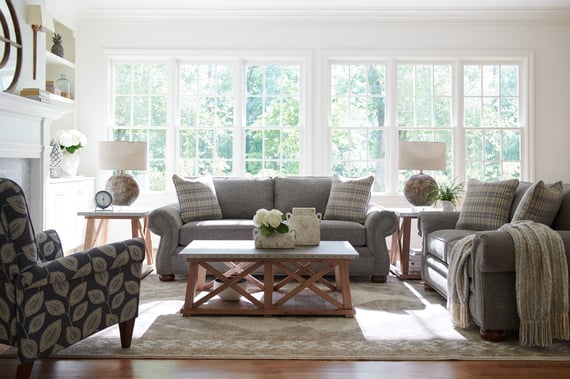
Credit: www.brookfieldresidential.com
Choosing The Right Tables
Mixing and matching living room tables can add style and function to your space. Picking the right tables helps keep the room balanced and inviting.
This guide covers types of tables, size and scale, and material choices to help you choose well.
Types Of Living Room Tables
Different tables serve different purposes. Knowing each type helps you decide what fits your room best.
- Coffee Tables:Large tables placed in front of the sofa for drinks and decor.
- Side Tables:Small tables next to chairs or sofas for lamps or books.
- Nesting Tables:Sets of smaller tables that fit together for flexible use.
- Console Tables:Tall, narrow tables placed against walls for display.
Size And Scale Considerations
Choosing the right size keeps your room comfortable and functional. Tables too big or too small can feel off.
| Room Size | Table Size | Notes |
|---|---|---|
| Small | Compact coffee and side tables | Leave enough walking space around tables |
| Medium | Standard coffee table, paired with side tables | Balance table sizes with sofa and chairs |
| Large | Oversized coffee tables or multiple tables | Use larger tables to fill empty space |
Material And Finish Choices
Table materials affect style and durability. Mixing finishes can add interest if done with care.
- Wood:Warm and classic; use different wood tones to add depth.
- Metal:Modern and sleek; pairs well with wood or glass.
- Glass:Light and airy; works well in small spaces.
- Stone:Durable and natural; adds texture to the room.
Credit: www.stylemeetscomfort.ca
Balancing Styles And Shapes
Mixing living room tables can add charm and interest. The key is to balance styles and shapes well.
Choosing the right combinations creates a cozy and stylish space. Let’s explore how to do this easily.
Mixing Modern And Traditional
Combining modern and traditional tables brings depth to your room. Modern tables often have clean lines and metal or glass. Traditional tables usually feature wood and classic details.
Try pairing a sleek metal coffee table with a carved wooden side table. This mix adds contrast but keeps the room balanced.
Combining Different Shapes
Use various shapes to create interest. Round, square, and rectangular tables each have a place in the living room.
- Round tables soften sharp edges and add flow.
- Square tables provide symmetry and structure.
- Rectangular tables offer length and functionality.
- Mixing shapes breaks monotony and feels dynamic.
Creating Visual Flow
Visual flow helps the eye move smoothly across the space. This flow balances all table styles and shapes.
| Tip | Explanation |
| Keep similar colors | Use matching tones to unify different tables. |
| Vary heights | Place taller tables next to shorter ones for balance. |
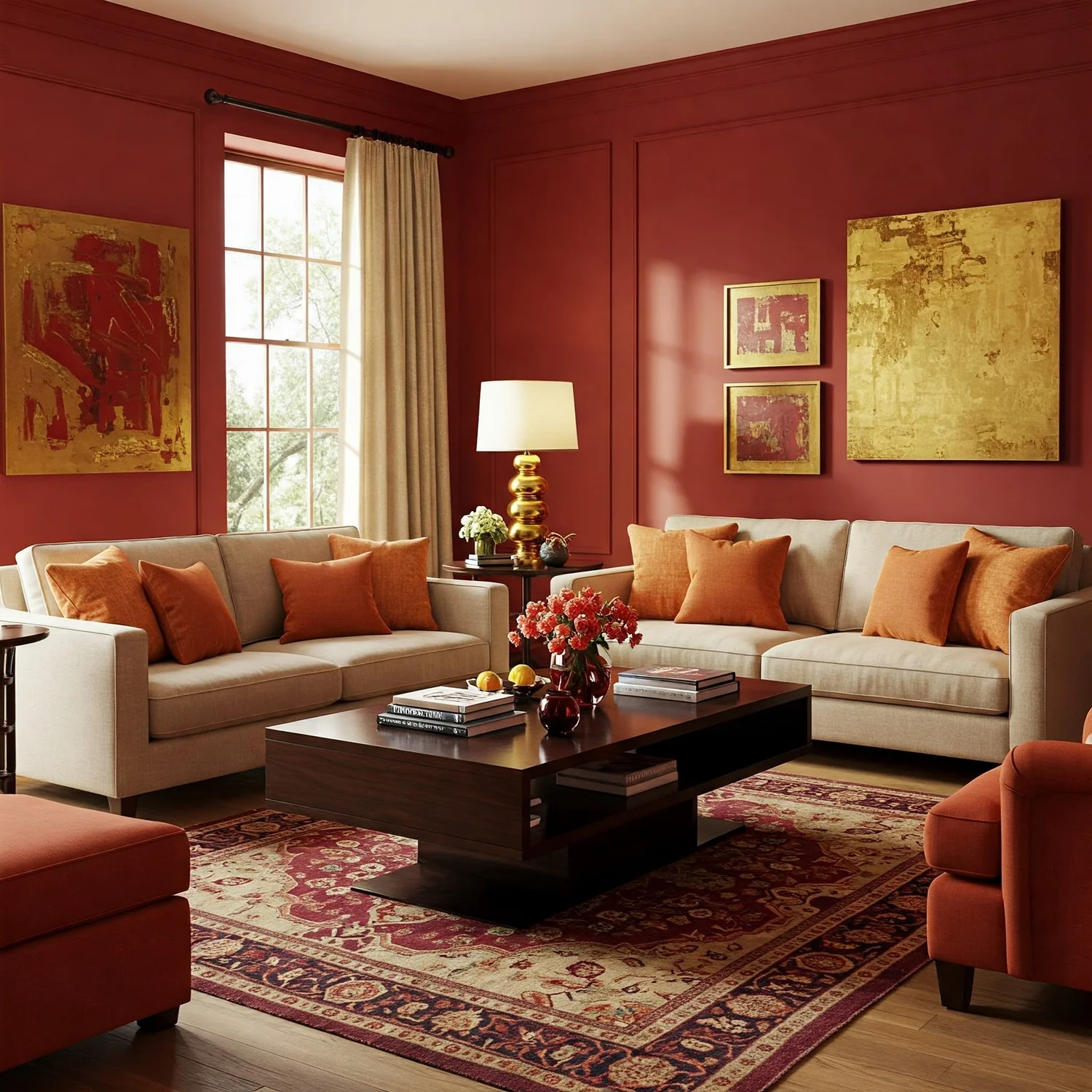
| Use rugs | A rug can tie all tables together visually. |
| Space evenly | Leave room around tables for easy movement. |
Coordinating Colors And Textures
Mixing and matching living room tables creates a unique space. Coordinating colors and textures helps the pieces look great together. This guide shows easy ways to combine tables that fit your style.
Choosing the right colors and textures can make your living room feel warm and inviting. You do not need all tables to be the same. Use smart combinations to add interest and balance.
Using Color Palettes Effectively
Select colors that complement each other in your living room. You can use shades from the same palette or contrast for a bold look. Keep your main room colors in mind when choosing table colors.
- Pick two or three main colors for your tables
- Use lighter or darker shades of these colors
- Add one or two accent colors for variety
- Match table colors with cushions or rugs
- Avoid too many bright colors that clash
Layering Textures For Depth
Different textures add depth and interest to your living room. Mixing smooth, rough, shiny, and matte surfaces makes the space feel dynamic. Tables with varied textures can work well together if balanced.
| Texture | Effect | Example |
| Wood | Warm and natural | Oak, walnut |
| Glass | Light and airy | Clear or frosted glass tops |
| Metal | Modern and sleek | Steel or brass legs |
| Stone | Strong and solid | Marble or granite surfaces |
Matching With Room Decor
Your tables should fit well with the rest of the room’s decor. Look at your furniture style, colors, and materials. Choose tables that feel connected to the room without copying everything.
Tips to Match Tables with Decor:
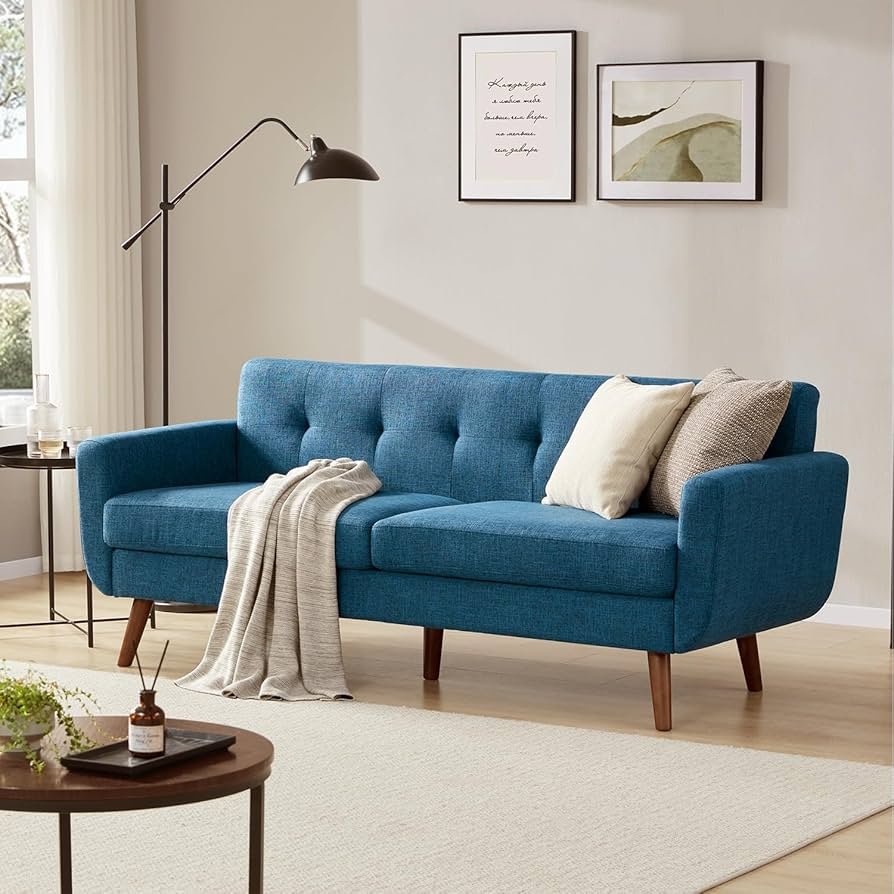
- Pick tables that echo your sofa’s color or texture
- Use metal tables to match lamp bases or frames
- Choose wood tones that blend with shelves or floor
- Add a rug that pulls table colors together
- Keep balance: don’t overcrowd with too many styles

Credit: yourneighbourhood.com.au
Arranging Tables For Function And Style
Mixing and matching living room tables adds both style and function. The right arrangement makes your space more inviting and useful.
Focus on comfort, space, and multi-use pieces to create a balanced look. Each table can serve a purpose while enhancing the room’s design.
Positioning For Comfort
Place tables where people can reach them easily from sofas or chairs. Avoid blocking walking paths to keep the room open and safe.
- Keep side tables within arm’s reach of seating
- Leave at least 18 inches between tables and seating
- Arrange coffee tables so guests can place drinks comfortably
- Use small tables near corners to fill empty spots without crowding
Maximizing Space
Use tables that fit the room size and shape. Group tables to save space or separate them to add balance.
| Table Type | Ideal Use | Space Tips |
| Coffee Table | Center seating area | Choose round shapes to ease movement |
| Side Table | Next to chairs or sofas | Use narrow designs for tight spaces |
| Nesting Tables | Flexible surfaces | Stack when not in use to save space |
| Console Table | Behind sofas or walls | Slim profile fits narrow rooms |
Incorporating Multi-functional Tables
Choose tables that serve more than one purpose. Multi-functional tables add value and reduce clutter.
Examples of multi-functional tables:
- Storage coffee tables with hidden compartments
- Side tables with shelves for books or decor
- Nesting tables that can be separated or stacked
- Ottoman tables that double as seating
Accessorizing Your Tables
Accessorizing living room tables can change the room's look. It's fun to mix and match different items.
Use decorative items to express your style. You can make tables look simple or detailed.
Selecting Decorative Items
Choose items that match your room's style. Think about size and color when picking decorations.
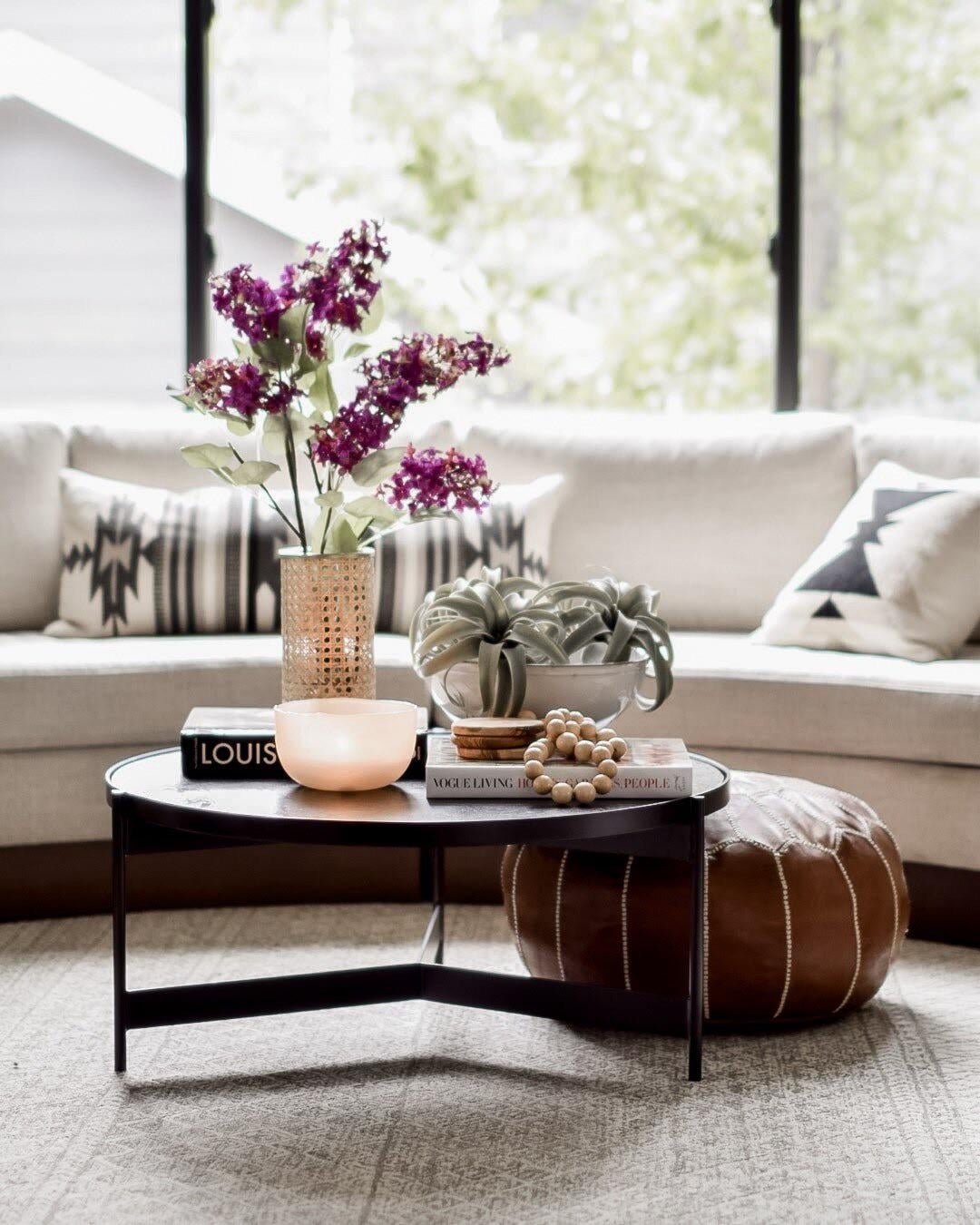
- Vases add height and interest
- Books provide color and texture
- Candles create a warm atmosphere
Balancing Minimalism And Detail
Find a balance between too many and too few items. Simple arrangements can be elegant.
A crowded table can look messy. Use just a few key pieces to keep it tidy.
- Use three to five items per table
- Mix large and small objects
- Leave some space empty for a clean look
Seasonal Styling Tips
Change table decor with the seasons. It keeps your living room fresh and interesting.
Use seasonal colors and themes. This can make your room feel more inviting.
- Spring: Add pastel colors and fresh flowers
- Summer: Use bright colors and beach themes
- Fall: Decorate with pumpkins and warm tones
- Winter: Use silver and gold with pinecones
Common Mistakes To Avoid
Mixing and matching living room tables can add style and function. Avoid mistakes that make the space look messy or unbalanced.
Small errors can ruin the room’s flow. Learn what to watch out for and keep your design clean and inviting.
Overcrowding The Space
Adding too many tables makes the room feel tight and cluttered. People need space to move freely.
Pick a few key tables that serve different purposes. Leave open areas to keep the room airy.
- Avoid placing tables too close together
- Keep pathways clear for walking
- Choose tables with storage to reduce clutter
Ignoring Scale And Proportion
Using tables that are too big or too small can upset the room's balance. Tables should fit the space well.
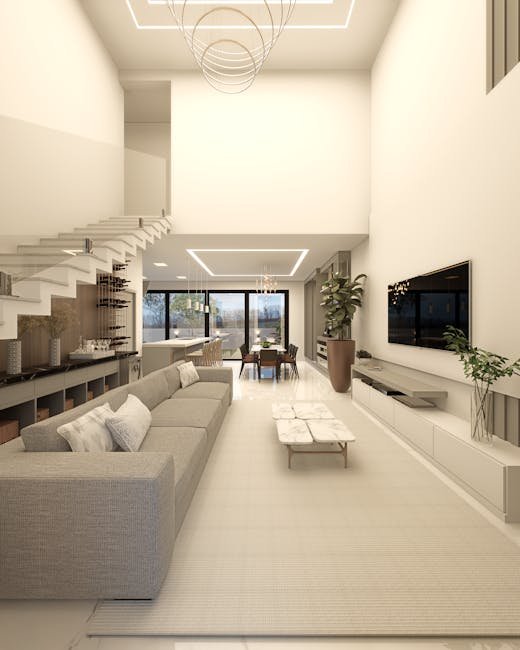
Measure your room and furniture before buying new tables. Make sure sizes work together and match the sofa and chairs.
- Large tables suit big rooms
- Small tables work best in compact spaces
- Keep table height similar for a neat look
Clashing Styles And Colors
Mixing tables with very different styles or colors can create visual chaos. The room may look unplanned.
Choose tables that share some color tones or design features. This helps the pieces feel like they belong together.
- Match wood tones or metal finishes
- Pick colors that complement each other
- Mix styles with a common element for harmony
Frequently Asked Questions
How Do I Choose The Right Size Living Room Tables?
Select living room tables that fit your space without overcrowding. Measure your area first, then pick tables that complement your sofa and chairs. Ensure enough room for movement and balance between table sizes for visual appeal.
What Styles Work Best When Mixing Living Room Tables?
Mix styles like modern, rustic, and industrial for a unique look. Combine different materials such as wood, metal, and glass. Keep some color or design elements consistent to maintain harmony and avoid visual clutter.
Can I Mix Different Shapes Of Living Room Tables?
Yes, mixing shapes like round, square, and rectangular tables adds interest. Use a variety of shapes to break monotony and create a dynamic layout. Balance large and small shapes for functional and aesthetic benefits.
How To Balance Colors When Mixing Living Room Tables?
Choose tables with complementary or neutral colors to create balance. Use one bold color as an accent and keep others subtle. Consistent tones help unify the look while adding depth and character to your living room.
Conclusion
Mixing and matching living room tables adds charm and style to your space. Choose pieces that balance size, shape, and color. Play with textures to create visual interest and depth. Keep functionality in mind for daily use and comfort. Small touches can make a big difference in your room.
Trust your eye and have fun arranging your tables. Your living room will feel fresh and inviting. Enjoy crafting a space that reflects your personality and taste.