Measuring your bathroom vanity might seem simple, but getting it right can save you from costly mistakes and frustration. Whether you’re upgrading your space or fitting a new vanity, knowing exactly how to measure ensures a perfect fit and a stylish look.
In this guide, you’ll learn easy steps to measure your bathroom vanity accurately—no confusion, no guesswork. Keep reading, and you’ll feel confident making the best choice for your bathroom.
Choose Vanity Location
Picking the right spot for your bathroom vanity is important. It helps you use the space well and makes your bathroom look nice.
Think about the size, plumbing, and room flow before you decide where to put the vanity.
Assess Available Space
Measure your bathroom area carefully. Know how much wall space you have for the vanity. Look for spots that do not block movement.
- Measure width, height, and depth of the area
- Check if there is enough room to open cabinet doors
- Leave space for walking around the vanity
- Avoid tight corners or crowded areas
Consider Plumbing Placement
Find where the water pipes and drains are. Your vanity needs to connect to these. Moving plumbing is costly, so choose a spot near existing pipes.
| Plumbing Element | What to Check | Reason |
| Water Supply Lines | Location and height | For faucet connection |
| Drain Pipe | Position and slope | For proper drainage |
| Vent Pipes | Nearby vents | To prevent sewer gases |
Check Door And Window Clearance
Make sure the vanity does not block doors or windows. Check the space needed for them to open fully. Avoid placing the vanity where it will cause trouble.
- Measure door swing area
- Check window sill height and opening
- Leave enough space for easy access
- Consider natural light from windows
Gather Measuring Tools
Measuring your bathroom vanity accurately helps you find the right fit. You need a few basic tools to get exact measurements.
Gather these tools before you start measuring. They make the job easier and more precise.
Tape Measure Essentials
A tape measure is the most important tool for measuring your bathroom vanity. Choose a sturdy tape that can extend at least six feet.
- Use a tape measure with clear markings in inches and centimeters.
- Check that the tape locks in place for steady measuring.
- Make sure the tape hook is not damaged for accuracy.
Level And Pencil
A level helps check if your surfaces are even. Use a pencil to mark measurements and points on your walls or vanity.
| Tool | Purpose |
| Level | Ensures surfaces are horizontal or vertical |
| Pencil | Marks measurement points and lines |
Notepad For Recording
Write down your measurements to avoid mistakes. A notepad keeps your data organized and easy to read later.
- Record height, width, and depth measurements.
- Note any obstacles like pipes or outlets.
- Keep your notes close while measuring.
Measure Bathroom Dimensions
Measuring your bathroom space correctly is key to choosing the right vanity. You need to know the exact size of the area where the vanity will go.
This guide explains how to measure the width, depth, height, and distance to other fixtures. Accurate measurements help you avoid problems later.
Width And Depth Of Area
Start by measuring the width of the space where the vanity will sit. Use a tape measure and note the distance from one wall to the other.
- Measure the total width available on the wall.
- Check the depth by measuring from the wall to the edge of the bathroom floor space.
- Allow extra space for doors or drawers to open fully.
- Record these numbers carefully for reference.
Height From Floor To Ceiling
Next, measure the height from the floor to the ceiling. This helps you decide the vanity height and any overhead storage.
| Measurement | Purpose |
| Floor to ceiling height | Choose vanity height and overhead space |
| Standard vanity height | Usually 32 to 36 inches |
| Ceiling clearance | Check for light fixtures or vents |
Distance To Adjacent Fixtures
Measure how far the vanity will be from toilets, showers, and walls. This space ensures comfort and usability.
- Measure the gap between the vanity area and the nearest fixture.
- Allow at least 15 inches from the center of the toilet to the vanity edge.
- Check space for doors, towel racks, or cabinets.
- Confirm there is enough room to move freely.

Credit: ccsupply.ca
Account For Vanity Features
Measuring a bathroom vanity is not just about width and height. You must consider the features that affect fit and function.
Taking note of sink size, countertop overhang, and storage needs helps you choose the right vanity. These details ensure the vanity works well in your space.
Sink Size And Type
Know the sink size and type before measuring the vanity. Different sinks need different space and plumbing setups.
- Single or double sinks change the width needed.
- Undermount sinks need extra space under the countertop.
- Vessel sinks require additional height clearance.
- Make sure to measure from the wall to the front edge of the sink.
Countertop Overhang
Countertop overhang affects how far the vanity extends into the room. It also changes the look and feel of the vanity.
| Overhang Type | Typical Size | Effect on Measurement |
|---|---|---|
| Standard | 1 to 1.5 inches | Minimal extension beyond cabinet |
| Extended | 2 to 4 inches | Requires more space in front |
| Waterfall | Full edge drop | Needs exact height and depth measurements |
Storage Needs
Storage options affect the vanity’s size and shape. You should measure to fit your storage preferences.
- Drawers need space for opening and closing.
- Cabinet doors require clearance in front.
- Open shelves may need less depth but more height.
- Measure the inside space if you plan to store large items.
Check Plumbing And Electrical Setup
Before installing a bathroom vanity, it's essential to understand the plumbing and electrical setup. This ensures a smooth installation process and prevents future issues.
Knowing where your water supply lines, drain positions, and electrical outlets are located will help you plan effectively.
Locate Water Supply Lines
Water supply lines are crucial for your vanity's faucets. You need to identify where these lines are positioned to align your vanity correctly.
- Check under your current sink for visible pipes.
- Note if they are on the left or right side.
- Measure the distance from the wall to the pipes.
Identify Drain Positions
The drain position is vital to prevent plumbing issues. It's important to know where the drain connects to the wall.
| Drain Type | Position |
| Center Drain | Middle of the vanity |
| Offset Drain | Left or right side |
Note Electrical Outlet Placement
Electrical outlets are necessary for appliances like hair dryers. Knowing their location helps you avoid extension cords.

Credit: www.canadiantire.ca
Calculate Final Vanity Size
Measuring your bathroom vanity correctly is important for a good fit. You need the right size to avoid issues during installation.
This guide explains how to calculate the final vanity size. It covers space clearance, installation tolerances, and overall fit.
Allow Clearance Space
Clearance space means the extra room around your vanity. It helps with door and drawer opening and cleaning.
Leave space on the sides and front of the vanity. This keeps the bathroom functional and comfortable.
- At least 2 inches on each side of the vanity
- Minimum 21 inches of open space in front
- Extra space near toilets or showers
Include Installation Tolerances
Installation tolerances are small gaps needed for fitting the vanity. Walls and floors may not be perfectly even.
Plan for slight size differences to avoid problems during setup. This makes the installation smoother.
- Add 1/4 to 1/2 inch to width and depth measurements
- Check for wall bumps or floor slopes
- Adjust vanity size to fit these irregularities
Confirm Overall Fit
After calculating the size, check if the vanity fits well in the space. Measure the bathroom area carefully.
Confirm the vanity size does not block doors, windows, or other fixtures. Make sure it looks balanced in the room.
- Measure width, depth, and height of the space
- Compare with final vanity size including clearances
- Visualize placement to avoid tight spots
Tips For Accurate Measuring
Measuring your bathroom vanity is important. Correct measurements ensure a perfect fit. Follow these tips for accuracy.
Measure Twice For Accuracy
Always measure your vanity twice. It helps avoid mistakes. Double-check your numbers before buying.
- Measure the width and height
- Check the depth twice
- Note any irregular shapes
Use Level For Even Surfaces
A level helps ensure even surfaces. Place it on the vanity top. Make sure the bubble is centered.
- Check all sides with the level
- Adjust if surfaces are uneven
- Verify with a second check
Seek Professional Help If Needed
Sometimes measuring can be tricky. Professionals can help. They ensure accurate measurements for your vanity.
- Consult a carpenter for precision
- Ask a plumber for advice
- Hire a designer for complex layouts
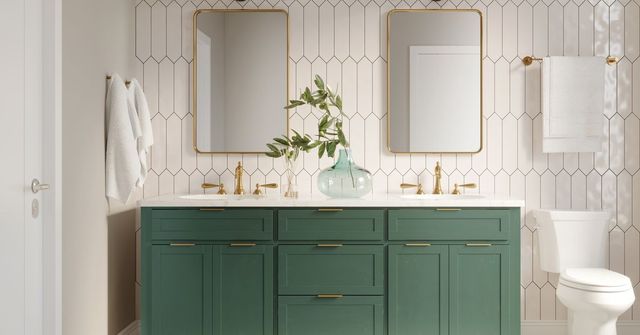
Credit: www.vangura.com
Frequently Asked Questions
How Do I Measure Bathroom Vanity Width Accurately?
Measure the widest part of your current vanity or space. Use a tape measure from wall to wall. Note any obstructions like pipes or outlets.
What Is The Standard Bathroom Vanity Height?
Standard vanity height is usually 32 to 36 inches. Choose a height comfortable for daily use and matches your sink type.
How To Measure Bathroom Vanity Depth Correctly?
Measure from the front edge of the vanity to the wall. Standard depths range from 18 to 21 inches.
Should I Measure Space Before Buying A Vanity?
Yes, measure the available space carefully. This prevents buying a vanity that doesn’t fit or blocks doors.
Conclusion
Measuring your bathroom vanity is simple with the right steps. Take accurate width, height, and depth measurements first. Double-check numbers to avoid mistakes during installation. Proper measuring saves time and money later. It also helps you choose the best vanity size for your space.
Remember to consider plumbing and door clearance too. With careful measuring, your bathroom will look neat and fit well. Small effort upfront leads to a smooth and successful project. Keep these tips in mind for your next bathroom update.