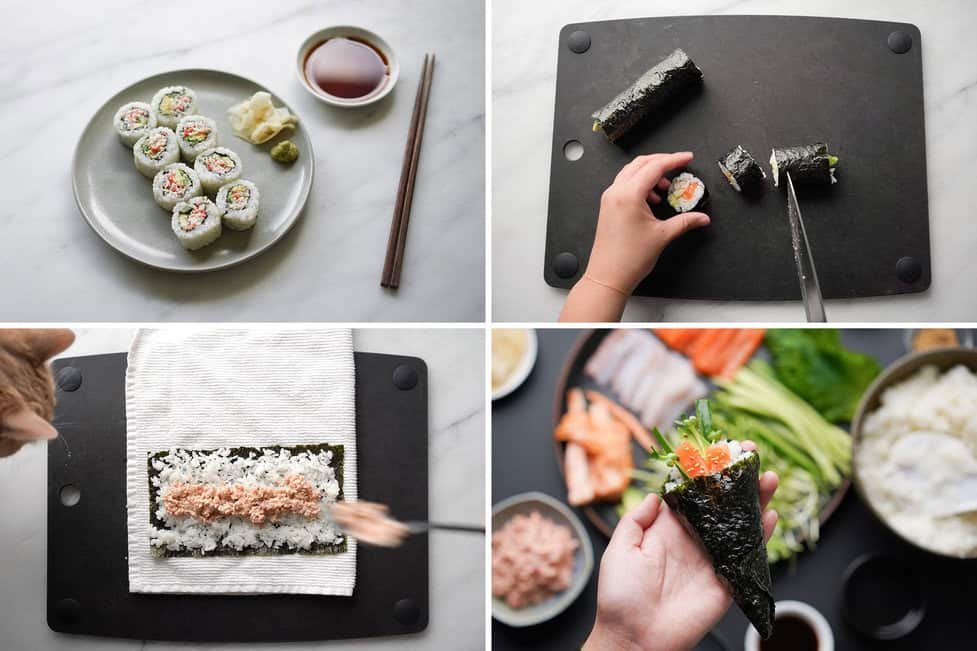
Have you ever wanted to make delicious sushi rolls at home but didn’t have a bamboo mat? Don’t worry—you don’t need fancy tools to create perfect sushi rolls that look and taste amazing.
In this guide, you’ll learn simple, easy methods to roll sushi using everyday items you already have. Imagine impressing your friends or family with homemade sushi that’s fresh, tasty, and made by you. Keep reading, and you’ll discover how to master sushi rolling without any special equipment.
Your sushi adventure starts right here!
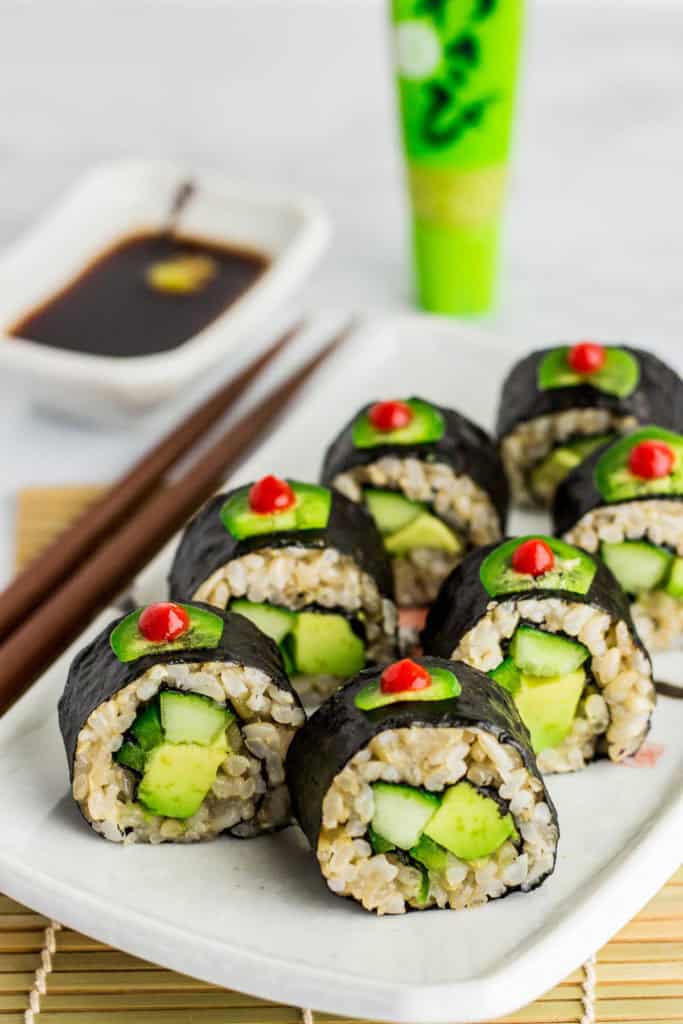
Credit: www.myeclecticbites.com
Ingredients You Need
Making sushi rolls at home is fun and tasty. You do not need a bamboo mat to roll sushi. Just gather the right ingredients first.
Good ingredients help your sushi taste fresh and delicious. Let’s look at what you need to prepare.
Essential Sushi Rice
Sushi rice is sticky and slightly sweet. It holds the sushi roll together well. Use short-grain rice for the best results.
After cooking, season the rice with rice vinegar, sugar, and salt. This gives sushi its classic taste.
- Short-grain sushi rice
- Rice vinegar
- Sugar
- Salt
- Water
Fresh Fillings And Toppings
Choose fresh fish and vegetables for your sushi rolls. The fillings add flavor and texture. Keep them simple for easy rolling.
Use clean and dry ingredients to avoid soggy sushi. Cut fillings into thin strips for even rolling.
- Fresh salmon or tuna (sushi-grade)
- Cucumber
- Avocado
- Carrots
- Crab meat or imitation crab
- Cream cheese (optional)
Nori Sheets And Seasonings
Nori sheets are dried seaweed used to wrap sushi rolls. They add flavor and hold ingredients in place. Buy fresh, crisp nori sheets for best results.
Seasonings like soy sauce, wasabi, and pickled ginger complete the sushi experience. Keep them ready for serving.
- Fresh nori sheets
- Soy sauce
- Wasabi
- Pickled ginger

Credit: healthysnacks.nz
Preparing Sushi Rice
Sushi rice is the base for delicious sushi rolls. Making it right takes care and patience.
This guide helps you prepare sushi rice without special tools like a bamboo mat.
Washing And Cooking Rice
Start by rinsing your sushi rice to remove extra starch. Rinse until the water runs clear.
- Place rice in a bowl and cover with cold water.
- Swirl the rice gently with your hand.
- Drain the cloudy water carefully.
- Repeat rinsing 3 to 4 times until water is clear.
- Let the rice soak in fresh water for 30 minutes.
- Cook the rice using a rice cooker or stovetop.
Seasoning With Vinegar Mix
Seasoning sushi rice adds flavor and shine. Use a mix of rice vinegar, sugar, and salt.
| Ingredient | Amount |
| Rice Vinegar | 1/4 cup |
| Sugar | 2 tablespoons |
| Salt | 1 teaspoon |
Heat the vinegar, sugar, and salt gently until dissolved. Do not boil.
Cooling The Rice Properly
After cooking, transfer rice to a wide bowl. Spread it out to cool faster.
Tips for Cooling Sushi Rice:
- Use a wooden or plastic spatula to fold the rice gently.
- Fan the rice while mixing to cool it quickly.
- Do not mash or press the rice.
- Keep the rice covered with a damp cloth to prevent drying.
Alternative Tools For Rolling
You do not need a bamboo mat to make sushi rolls at home. Some common household items can help you roll sushi easily.
Using these tools can give you tight and neat sushi rolls without special equipment.
Using A Clean Towel
A clean kitchen towel works well as a sushi rolling mat. Make sure it is thin and smooth.
Wrap the towel in plastic wrap to keep it dry and prevent rice from sticking.
- Lay the towel flat on a clean surface.
- Place a sheet of plastic wrap over the towel.
- Put your nori and fillings on the plastic wrap.
- Use the towel to gently roll the sushi tightly.
Plastic Wrap Method
Plastic wrap alone can help you roll sushi without a mat. It is easy to shape and clean.
Use a large piece of plastic wrap to hold the sushi ingredients together as you roll.
- Place plastic wrap flat on your work surface.
- Put the nori sheet and fillings on the wrap.
- Lift the edge of the plastic wrap and roll sushi tightly.
- Press gently to seal the roll.
Using Your Hands
You can roll sushi using just your hands. This works best for small rolls or hand rolls.
Keep your hands wet to stop rice from sticking while shaping the roll.
- Spread sushi rice evenly over the nori sheet.
- Add your fillings in a line near one edge.
- Carefully lift the edge of the nori and roll it over the fillings.
- Use your fingers to press the roll tightly as you go.
Step-by-step Rolling Process
Making sushi rolls at home can be easy without a bamboo mat. This guide shows you how to roll sushi step by step. You only need basic tools and a little practice.
Follow these steps to create neat and tasty sushi rolls using just your hands or simple items found in your kitchen.
Laying Out Nori And Rice
Start with a sheet of nori (seaweed) on a clean, flat surface. Place the shiny side down. Wet your hands to prevent rice from sticking.
Spread a thin, even layer of sushi rice over the nori. Leave about one inch free on the top edge. This helps seal the roll later.
- Use wet hands for easier rice spreading
- Keep rice layer thin for easy rolling
- Leave the top edge clear of rice
Adding Fillings Evenly
Place your sushi fillings in a line across the rice, about one inch from the bottom edge. Use fresh ingredients like fish, cucumber, or avocado.
Don’t overload the fillings. Spread them evenly so the roll stays balanced and easy to roll without breaking.
- Line fillings in the center near the edge
- Use thin strips for even distribution
- Avoid adding too much filling
Rolling Without A Mat
Lift the edge of the nori closest to you and start rolling it over the fillings. Use your fingers to keep the fillings inside as you roll.
Press gently but firmly to shape the roll. Use a clean cloth or parchment paper to help roll tightly if needed. Seal the edge with a little water.
- Lift nori edge and fold over fillings
- Use fingers to tuck fillings inside
- Roll tightly but gently
- Seal with a dab of water on the edge
- Use cloth or parchment paper for support
Tips For Neat And Tight Rolls
Making sushi at home can be fun and rewarding. You don't need a bamboo mat to create neat and tight rolls. Here are some tips to help you succeed.
Controlling Rice Thickness
The thickness of rice on your nori sheet is important. Too much rice can make rolling difficult.
- Use a spoon to spread rice evenly.
- Keep rice layer thin, about 1/4 inch.
- Leave a border on the top edge for sealing.
Applying Even Pressure
Even pressure is key for tight rolls. Use your fingers to guide the roll.
Place your thumbs under the rolling surface and use your fingers to gently press the filling. Roll slowly to keep the shape intact.
Sealing The Roll
Sealing the roll ensures it stays together. Use water to help seal the edge.
| Step | Description |
| 1 | Dip your fingers in water. |
| 2 | Moisten the top edge of the nori. |
| 3 | Press down to seal after rolling. |
Cutting And Serving Sushi
Making sushi rolls at home is fun and tasty. Cutting and serving sushi properly makes it look nice and easy to eat.
Good cutting tools and techniques help keep the sushi rolls neat. Presenting sushi well makes your meal more enjoyable.
Choosing The Right Knife
Use a sharp knife to cut sushi rolls cleanly. A dull knife can crush the roll or tear the seaweed.
A long, thin knife works best for slicing sushi. If you have a Japanese sushi knife, use it. If not, a sharp chef’s knife is fine.
- Sharp blade prevents squashing rolls
- Long blade helps cut in one smooth motion
- Use a damp cloth to clean the knife between cuts
Slicing Techniques
Cut sushi rolls in even pieces for easy eating. A good size is about 1 to 1.5 inches wide per piece.
Use a gentle sawing motion. Press down lightly and slide the knife back and forth to avoid squashing.
- Wet the knife blade before cutting
- Slice in one clean motion without twisting
- Cut slowly and carefully for neat edges
Plating Ideas
Arrange sushi pieces on a clean plate or wooden board. Space them out to show each roll clearly.
Add small dishes of soy sauce, wasabi, and pickled ginger to the plate. These add flavor and color.
- Use a white plate for color contrast
- Place sushi in a straight line or circle
- Garnish with green leaves or sesame seeds
Creative Variations To Try
Making sushi rolls at home can be fun and tasty without using a bamboo mat. You can try many creative variations to enjoy different flavors and textures. These ideas let you explore new tastes and keep sushi exciting.
Below are some easy ways to change up your sushi rolls. From vegetarian choices to spicy mixes and using different grains, you can customize your rolls to suit your mood and diet.
Vegetarian Options
Vegetarian sushi rolls are healthy and colorful. Use fresh vegetables and simple sauces for a tasty meal. You do not need fish to make delicious sushi.
- Avocado and cucumber for a creamy crunch
- Carrot and bell pepper strips for sweetness
- Pickled radish for a tangy bite
- Spinach and tofu for added protein
- Mango and cream cheese for a sweet twist
Spicy And Fusion Rolls
Add heat and global flavors to your sushi rolls for a bold taste. Mix sauces and ingredients from different cuisines to create fusion rolls. These rolls bring excitement to your sushi night.
| Roll Name | Main Ingredients | Spice Level |
|---|---|---|
| Spicy Tuna | Tuna, spicy mayo, cucumber | Medium |
| Kimchi Roll | Kimchi, avocado, sesame seeds | High |
| Buffalo Chicken | Cooked chicken, hot sauce, lettuce | Medium |
| Mexican Roll | Jalapeño, avocado, salsa | High |
Using Different Grains
Try using grains other than white sushi rice. Different grains add flavor and texture. These alternatives can make your rolls healthier and unique.
- Brown rice for a nutty taste and more fiber
- Quinoa for a protein boost and light texture
- Cauliflower rice for a low-carb option
- Barley for a chewy and filling roll
- Black rice for a rich color and antioxidants
Common Mistakes To Avoid
Making sushi rolls at home can be fun and delicious. But, there are common mistakes beginners make. Avoiding these can lead to tastier results.
Let's explore some of these mistakes and learn how to fix them. This will help you make perfect sushi rolls every time.
Overstuffing Rolls
It is easy to add too much filling to your sushi roll. This can cause the roll to break or not close properly.
Use just a little filling. This makes rolling easier and keeps the roll intact.
- Use thin slices of ingredients
- Avoid packing too much rice
- Leave space at the edge for sealing
Rice Too Wet Or Dry
The rice is very important for good sushi rolls. If it's too wet, the rolls get sticky. If it's too dry, they fall apart.
Cook the rice with the right amount of water. Let it cool before using.
- Rinse rice until water is clear
- Use correct water-to-rice ratio
- Allow rice to cool in a flat layer
Rolling Too Loosely
If you roll too loosely, your sushi will fall apart. It is important to roll tightly for the best results.
Use gentle, even pressure when rolling. This keeps everything together nicely.
- Press gently but firmly
- Roll slowly and carefully
- Check for tightness before slicing

Credit: www.youtube.com
Frequently Asked Questions
How Can I Roll Sushi Without A Bamboo Mat?
You can use a clean kitchen towel or plastic wrap instead. Place the nori sheet on the towel, add fillings, and roll tightly. This method helps shape sushi rolls evenly without traditional tools.
What Are The Best Substitutes For A Bamboo Sushi Mat?
A silicone baking mat, parchment paper, or a clean dish towel works well. These alternatives provide flexibility and support needed to roll sushi tightly at home.
How Do I Prevent Sushi Rice From Sticking Without A Bamboo Mat?
Wet your hands and utensils with water or rice vinegar. This stops rice from sticking and makes handling easier. It also helps create neat, compact sushi rolls.
Can I Make Sushi Rolls Without Nori Sheets?
Yes, you can use thin cucumber slices, soy paper, or lettuce leaves. These options are great for sushi rolls without seaweed, offering fresh flavors and textures.
Conclusion
Making sushi rolls at home without a bamboo mat is easier than you think. Simple tools like plastic wrap or a clean kitchen towel work well. Take your time and enjoy the process. Practice helps you improve every roll. Fresh ingredients make your sushi taste great.
Try different fillings to find what you like best. Homemade sushi brings fun and creativity to your kitchen. Give it a try and enjoy delicious sushi anytime.