Have you ever wanted to create something fun and unique with your own hands? Making salt clay at home is an easy and exciting way to do just that.
With just a few simple ingredients you probably already have, you can craft your own clay that’s perfect for all kinds of projects. Imagine the satisfaction of shaping your ideas into real, lasting creations. Keep reading, and you’ll discover exactly how to make salt clay step-by-step, so you can start bringing your creative ideas to life today.
Ingredients Needed
Making salt clay at home is simple and fun. You only need a few common ingredients.
This guide helps you gather the basic supplies and optional additives for your salt clay.
Basic Supplies
Salt clay requires a few basic items found in most kitchens. These ingredients form the base of your clay.
- 1 cup of all-purpose flour
- 1/2 cup of fine salt
- 1/2 cup of water (adjust as needed)
- 1 tablespoon of vegetable oil (optional, for smoothness)
Mixing flour and salt creates a firm texture. Water helps bind the ingredients together.
Optional Additives
You can add extras to improve texture or color. These additives make your salt clay more fun to use.
- Food coloring to tint your clay
- Lemon juice to help preserve the clay
- Essential oils for a pleasant smell
- Cornstarch to make the clay smoother
Add these ingredients slowly. Mix well to avoid changing the clay’s texture too much.

Credit: wholefully.com
Step-by-step Preparation
Making salt clay at home is simple and fun. It uses common kitchen ingredients. You can create many shapes and decorations with it.
This guide shows you how to make salt clay with easy steps. Follow along to get the right texture and consistency.
Mixing The Dough
Start by gathering your ingredients: flour, salt, and water. Mix them well to form a dough that is not sticky.
- Measure 2 cups of all-purpose flour.
- Add 1 cup of fine salt.
- Pour in 1 cup of warm water slowly.
- Mix ingredients with a spoon or hands.
- Adjust water or flour if dough is too sticky or dry.
Kneading Tips
Kneading makes the dough smooth and easy to work with. It also helps to avoid cracks when drying.
| Tip | Reason |
| Knead for 5-10 minutes | Develops smooth texture |
| Use light dusting of flour | Prevents sticking |
| Keep dough covered when resting | Prevents drying out |
Crafting Ideas
Salt clay is easy to make and fun to use for crafts. You can create many shapes and decorate them in different ways.
This guide shows simple shapes to form and ways to decorate your salt clay creations.
Simple Shapes
Start with basic shapes like balls, stars, or hearts. These shapes are easy to mold and perfect for beginners.
- Roll the clay into balls for beads or eyes.
- Press the clay flat to cut out stars or hearts.
- Make small cylinders for handles or legs.
- Use cookie cutters to create fun shapes quickly.
Decorative Techniques
Decorate your clay by adding textures and colors. Use simple tools or household items for unique effects.
| Technique | How to Do It |
| Impress Patterns | Press lace or leaves onto the clay surface |
| Paint | Use acrylic paint after clay dries |
| Glaze | Apply clear glue for a shiny finish |
| Add Details | Use toothpicks to carve lines or dots |

Credit: www.clayartcenter.org
Drying And Baking
Making salt clay at home is easy and fun. Drying and baking are important steps to harden your creations. These steps keep your clay projects strong and long-lasting.
You can dry salt clay by air or use an oven for faster results. Each way has simple tips to help you get the best finish on your art.
Air Drying Method
Air drying is the easiest method for hardening salt clay. It does not need special tools and works well for small or thick pieces. The drying time depends on the size of your project and room temperature.
- Place your clay piece on a flat surface with parchment paper.
- Keep it in a dry, warm place away from direct sunlight.
- Turn the piece every day to dry evenly on all sides.
- Thin pieces dry faster, usually in 24 to 48 hours.
- Thicker pieces may need up to 5 days to dry completely.
- Do not rush drying; clay may crack if dried too fast.
Oven Baking Tips
Baking salt clay in the oven speeds up the drying process. Use low heat and watch the clay carefully to avoid burning. Follow these tips for safe baking.
| Tip | Details |
| Preheat Oven | Set to 200°F (93°C) before placing clay inside. |
| Use a Baking Sheet | Line with parchment paper to prevent sticking. |
| Bake Time | Small items: 30-60 minutes. Larger: up to 2 hours. |
| Check Often | Look for dryness and firmness; avoid browning. |
| Cool Slowly | Leave clay in oven after turning it off to cool down. |
Painting And Finishing
After making salt clay creations, painting and finishing bring them to life. These steps add color and protect your work.
Choosing the right materials and methods helps your salt clay last longer and look great.
Choosing Paints
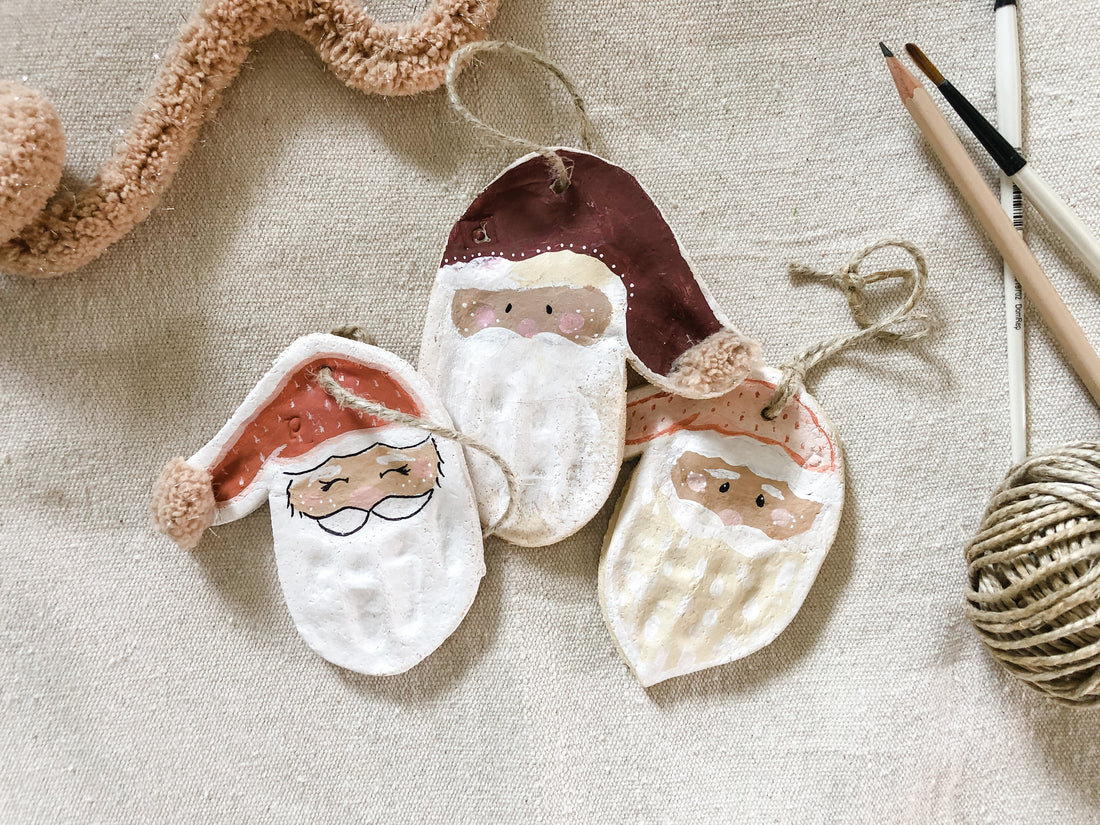
Use acrylic paints for salt clay. They stick well and dry fast. Watercolors may not cover well or last long.
Pick colors that match your project. You can mix colors to get new shades. Thin layers work better than thick ones.
- Acrylic paints are best for salt clay
- Use thin coats to avoid cracking
- Let each coat dry before adding another
- Mix colors carefully for desired shades
Sealing Your Creations
Sealing protects your painted salt clay from moisture and dust. It keeps colors bright and stops them from chipping.
Use clear acrylic spray or brush-on sealers. Apply thin, even layers. Let each layer dry fully before adding more.
- Choose a clear acrylic sealer for protection
- Apply thin, even coats to avoid cloudiness
- Allow full drying time between coats
- Seal both front and back of the piece
Credit: coleykuyperart.com
Storage And Longevity
Salt clay is a fun and easy craft material. To keep it useful, proper storage is key. Learn how to store dough and finished crafts to make them last longer.
Whether you are working on a school project or home decor, knowing how to store your creations will ensure they last.
Keeping Dough Fresh
Fresh dough is essential for smooth crafting. Follow these tips to keep your salt clay dough fresh for a longer time.
- Store dough in an airtight container.
- Keep the container in a cool, dry place.
- If dough dries, add a few drops of water and knead.
- Refrigerate dough for up to two weeks.
Preserving Finished Crafts
Once your salt clay masterpiece is complete, you want it to last. Proper preservation will help maintain its beauty.
Apply a sealant to protect from moisture.
Place finished crafts away from direct sunlight. Extreme temperatures can cause cracks.
| Preservation Method | Duration |
| Sealant Application | 2-3 years |
| Store in Cool Places | 1 year |
| Avoid Sunlight | Indefinite |
Troubleshooting Common Issues
Making salt clay at home can be fun. Sometimes, issues can pop up. Let’s solve these common problems together.
Read on to learn how to fix cracks and adjust the texture of your salt clay creations.
Fixing Cracks
Cracks in salt clay can be frustrating. They usually happen when the clay dries too quickly.
- Keep the clay slightly moist while shaping it.
- Cover the clay with plastic wrap if not in use.
- Dry the clay slowly at room temperature.
Adjusting Texture
Sometimes, your salt clay might feel too sticky or too dry. Here’s how to adjust its texture.
| Issue | Solution |
| Too Sticky | Add a small amount of flour. |
| Too Dry | Mix in a few drops of water. |
Fun Variations
Making salt clay at home is easy and fun. You can try different ideas to make your dough unique. Adding colors and scents can make your creations more special.
These simple changes can bring new life to your salt clay projects. Let’s explore some fun ways to customize your dough.
Adding Colors To Dough
Coloring your salt clay makes crafting more exciting. You can use natural or store-bought colors. Mix the colors well for even shade.
- Use food coloring drops to tint the dough.
- Add natural powders like beetroot or turmeric for soft colors.
- Mix acrylic paint carefully for bright, lasting color.
- Try glitter for a shiny effect in the dough.
Incorporating Scents
Adding scents can make your salt clay smell nice. Choose scents that are safe and gentle. Essential oils and extracts work well.
| Type | Example | Effect |
| Essential Oil | Lavender | Calming scent |
| Extract | Vanilla | Sweet aroma |
| Herbs | Mint leaves | Fresh smell |
| Spices | Cinnamon | Warm fragrance |
Add a few drops or small amounts of these scents during dough mixing. This gives your clay a nice smell without changing texture.
Frequently Asked Questions
What Ingredients Do I Need To Make Salt Clay?
You need three basic ingredients: flour, salt, and water. Mix 1 cup flour, 1/2 cup salt, and 1/2 cup water. Optional: Add a teaspoon of oil for smoothness. These simple ingredients create a pliable, homemade salt clay for crafts.
How Long Does Salt Clay Last After Drying?
Salt clay typically lasts several weeks when fully dried and stored properly. Keep it in an airtight container to avoid moisture. If painted or sealed, it can last even longer as a decorative item or keepsake.
Can I Bake Salt Clay To Harden It Faster?
Yes, baking salt clay at 250°F (120°C) for 1-2 hours speeds up drying. Baking ensures the clay hardens evenly and becomes durable. Avoid high heat to prevent cracking or burning.
Is Salt Clay Safe For Children To Use?
Salt clay is non-toxic and safe for children with adult supervision. Avoid ingestion and prolonged skin contact. It’s a fun, safe material for kids’ arts and crafts projects at home or school.
Conclusion
Making salt clay at home is simple and fun. You only need a few common ingredients. This craft helps you create shapes and decorations easily. Kids and adults enjoy working with salt clay. It dries hard and lasts long when kept dry.
Try different colors or add scents for variety. Salt clay offers a great way to be creative together. Give it a try and enjoy your homemade art!