Have you ever wondered how those stunning Damascus steel blades are made? Imagine creating your own piece of this legendary metal right at home.
It might sound complicated, but with the right steps and a little patience, you can turn raw materials into a beautiful, patterned steel that’s both strong and unique. In this guide, you’ll discover simple techniques and insider tips that make the process clear and doable.
Ready to impress yourself and others with your own Damascus steel creation? Keep reading to unlock the secrets and start crafting today.

Credit: www.coolinastore.com
Materials Needed
Making Damascus steel at home requires specific materials. These materials help you create the unique layered pattern.
Gathering the right items ensures safety and good results. Let's look at what you need.
Types Of Steel
Different steels combine to make Damascus steel. Each type adds strength or contrast.
- High carbon steel for hardness
- Low carbon steel for flexibility
- Tool steel for durability
- Spring steel for toughness
Mixing these steels in layers gives the blade its pattern and power.
Essential Tools
You need special tools to forge Damascus steel at home. These tools help shape and heat the metal.
- Forge or high-temperature heat source
- Hammer for shaping the steel
- Anvil or hard surface for working
- Tongs to hold hot metal
- Grinder or file for finishing
- Quenching container with oil or water
These tools allow you to safely and correctly make the steel layers.
Safety Gear
Working with hot metal is dangerous. Safety gear protects you from burns and injuries.
- Heat-resistant gloves
- Protective goggles or face shield
- Long-sleeve clothing made of natural fibers
- Sturdy boots to protect feet
- Respirator mask if fumes are present
- Fire extinguisher nearby
Always wear safety gear before starting any work with hot steel.
Preparing The Steel
Making Damascus steel at home needs careful preparation. The first step is getting the steel ready. This process helps create the layers that make Damascus steel unique.
Preparing the steel well ensures strong bonds and clear patterns. It takes patience and clean work to get good results.
Selecting Steel Blanks
Choose steel blanks that have similar hardness. Common choices are high carbon and mild steel. The contrast between these steels forms the pattern.
Pick clean, flat pieces without rust or dirt. The size should fit your project but keep layers thin for better pattern.
- Use high carbon steel for strength
- Mild steel adds contrast
- Check for no rust or cracks
- Keep pieces flat and smooth
Cutting And Cleaning
Cut the steel blanks into even pieces. Use a saw or grinder with a cutting disc. Make sure all pieces are the same size.
Clean each piece carefully. Remove oil, rust, and dirt with a wire brush or sandpaper. Clean steel helps layers bond better.
- Cut steel to equal size
- Remove all rust and dirt
- Use sandpaper or wire brush
- Wash with solvent if needed
Stacking Layers
Stack the cleaned steel pieces in the order you want. Alternate high carbon and mild steel layers. This creates the Damascus pattern.
Align all edges and clamp the stack tightly. Secure stacks prevent movement during forging. Use strong clamps or wire to hold layers.
- Alternate steel types layer by layer
- Keep edges aligned well
- Clamp or wire the stack tightly
- Check for no gaps between layers
Forge Setup
Making Damascus steel requires a proper forge setup. The forge must reach high temperatures and maintain them steadily. Setting up your forge correctly ensures you can work safely and create quality steel.
Below are key points to consider for your forge setup, including the type of forge, fuel options, and how to control temperature.
Choosing A Forge Type
You can choose from several forge types depending on your space, budget, and skill level. Each type has pros and cons that affect your work with Damascus steel.
- Coal Forge:Traditional, very hot, but needs fuel management and ventilation.
- Gas Forge:Easy to control temperature and cleaner to use than coal.
- Electric Forge:Clean and simple but may not reach very high temperatures easily.
Fuel Options
Choosing the right fuel affects your forge’s performance and convenience. Fuel choice also affects how hot the forge can get and how easy it is to maintain heat.
| Fuel Type | Heat Level | Ease of Use | Cost |
| Charcoal | High | Moderate | Low |
| Propane Gas | High | Easy | Moderate |
| Coal | Very High | Hard | Low |
| Electric | Medium | Very Easy | High |
Temperature Control
Keeping a steady temperature helps you forge Damascus steel well. Too low or too high heat can damage the steel layers.
- Use a thermometer or pyrometer to monitor heat inside the forge.
- Adjust fuel flow or air supply to keep a steady temperature.
- Practice controlling the fire to avoid sudden temperature changes.

Credit: www.amazon.com
Forge Welding Process
Forge welding is an old way to join different pieces of steel together. It uses heat and hammering to fuse the metal. This process is key to making Damascus steel at home.
By heating and shaping the steel, layers form a strong and beautiful pattern. Learning the right steps helps create good quality Damascus steel.
Heating The Steel
Heat the steel in a forge until it glows bright orange or yellow. This is usually around 2200°F (1200°C). The steel must be hot enough to become soft but not melt.
Use a coal, gas, or electric forge to get even heat. Keep the steel moving to heat it evenly and avoid burning one spot.
Hammering Techniques
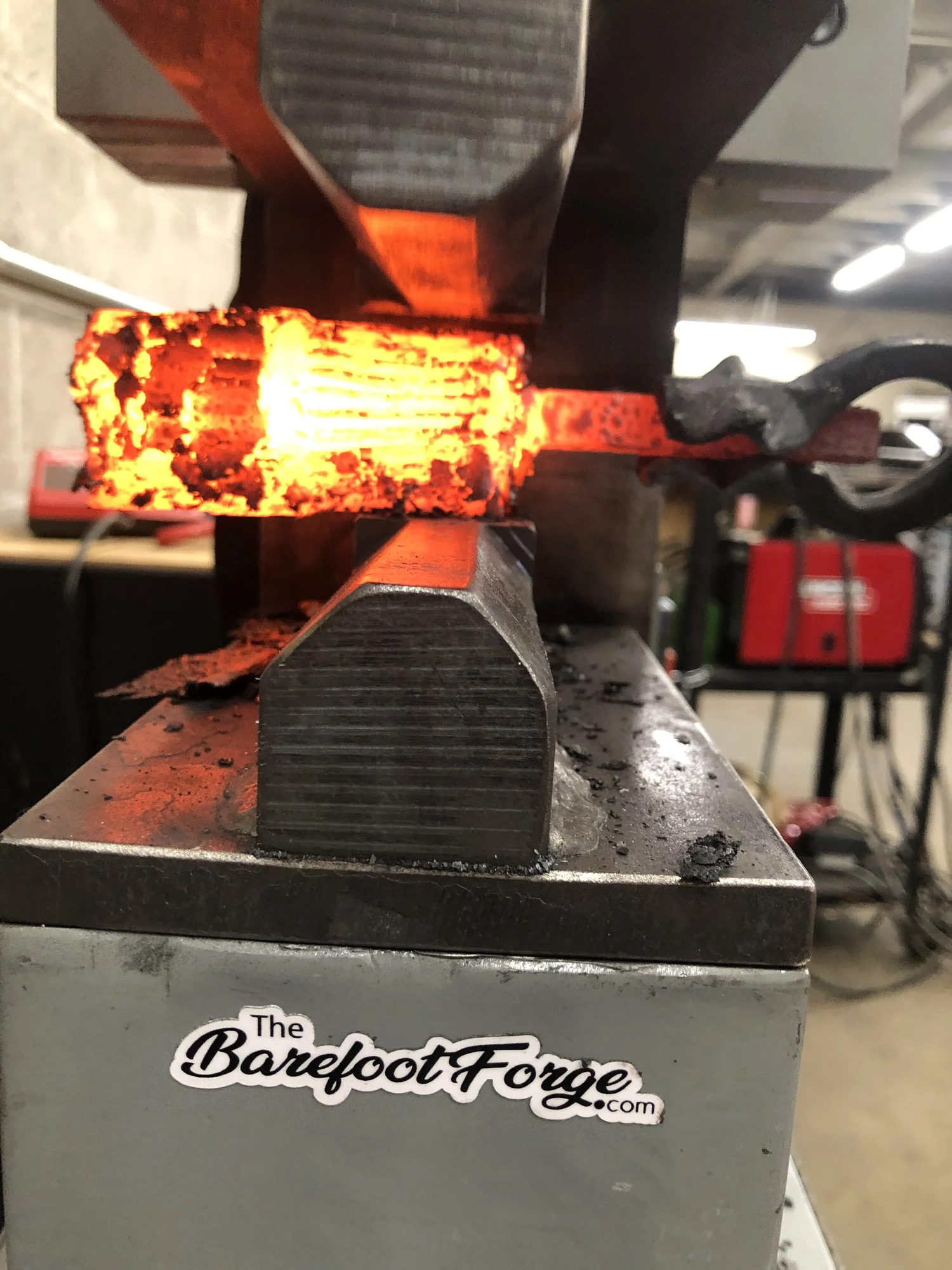
After heating, quickly move the steel to the anvil. Use a hammer to press and shape the metal. Hammering joins the steel layers together tightly.
- Start with light taps to avoid cracks
- Use strong, even strikes as the steel cools
- Keep the steel hot by reheating often
Hammer in straight, controlled hits. This pushes out air and dirt between layers. It makes the bond strong and clean.
Folding And Layering
Fold the heated steel onto itself to create layers. Each fold doubles the layers and builds the Damascus pattern. Repeat folding and hammering many times.
- Fold the steel in half or thirds
- Hammer the folded steel flat again
- Reheat and fold multiple times
More layers create clearer, wavy patterns. Keep the layers clean and hot for the best welds.
Shaping The Blade
Shaping the blade is an important part of making Damascus steel at home. It gives the blade its form and balance.
This process involves cutting, grinding, and heat treating to get the right shape and strength.
Rough Shaping
Start by cutting the rough shape of your blade from the Damascus steel billet. Use a hacksaw or angle grinder for this.
Keep the shape simple at first. Focus on the overall length and width you want.
- Mark the blade outline on the steel
- Cut along the outline carefully
- Remove any large burrs after cutting
Detailing And Grinding
After rough shaping, use a belt grinder or files to refine the blade shape. This step smooths the edges and forms the bevel.
Work slowly to avoid removing too much metal. Focus on the blade’s edge and surface finish.
- Use coarse grit first, then finer grits
- Shape the bevel evenly on both sides
- Check the blade thickness often
Heat Treating
Heat treating strengthens the blade and improves its durability. Heat the blade until it glows red, then cool it quickly.
Quenching in oil or water hardens the steel. After that, temper the blade by heating it again at a lower temperature.
- Heat blade to about 1475°F (800°C)
- Quench blade in oil or water
- Temper blade at 400°F (200°C) for one hour
- Let the blade cool slowly after tempering
Etching The Pattern
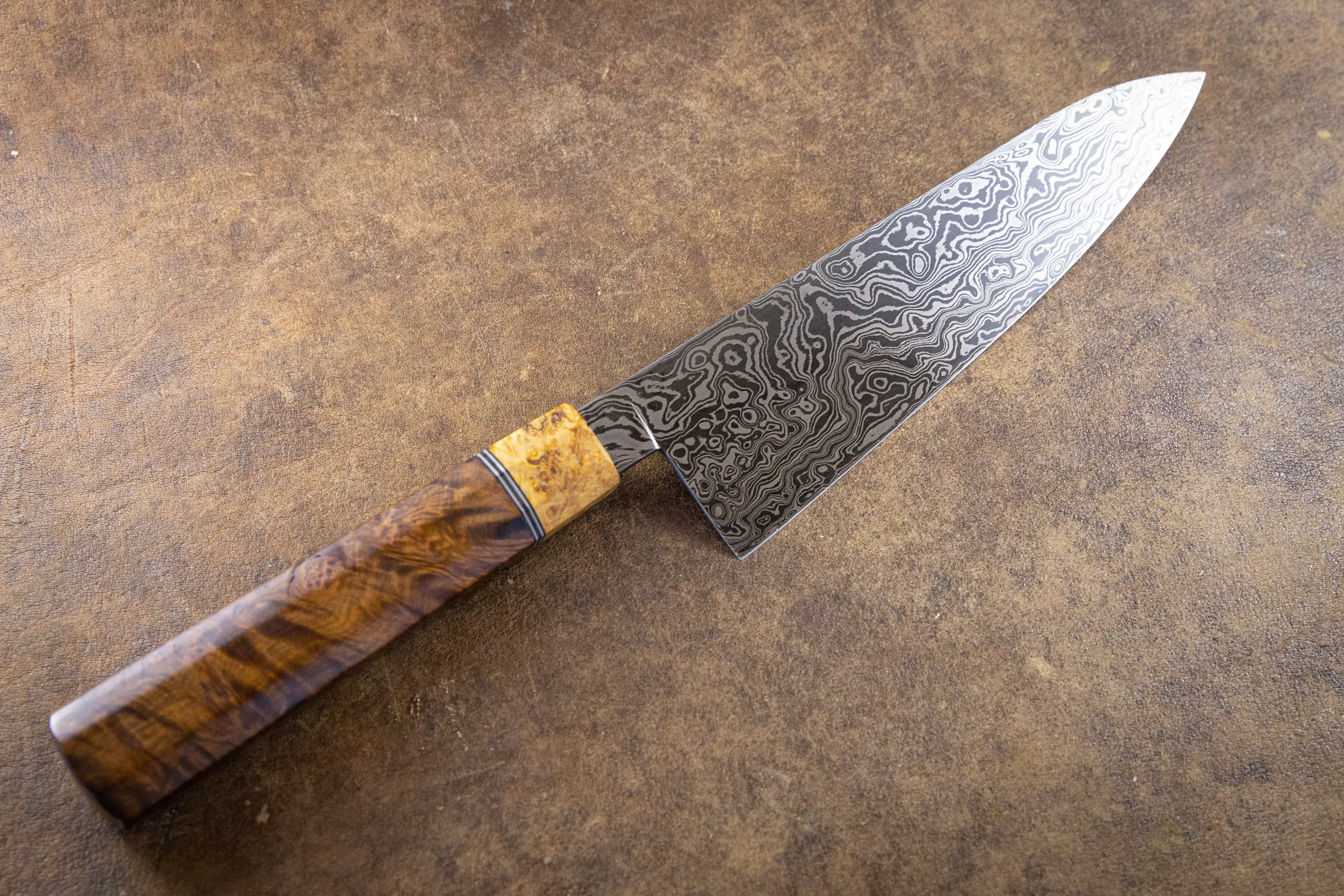
Etching brings out the unique patterns in Damascus steel. This process reveals the intricate designs formed during forging.
Follow these steps to etch your Damascus steel at home. Proper etching enhances the beauty of the steel.
Preparing The Etching Solution
An etching solution is essential for revealing patterns. Here’s how to prepare it safely.
- Gather protective gear like gloves and goggles.
- Mix ferric chloride with water in a 1:4 ratio.
- Use a plastic container to avoid corrosion.
Applying The Etch
Applying the etch requires precision. It’s crucial for highlighting the steel's design.
Submerge the steel in the solution. Allow it to sit for 10-15 minutes.
Revealing The Pattern
After etching, the pattern becomes visible. This step enhances the visual appeal of your work.
| Action | Duration |
| Submerge in etch | 10-15 minutes |
| Rinse with water | 2 minutes |
| Neutralize with baking soda | 5 minutes |
Rinse the steel thoroughly with water. Use baking soda to neutralize any remaining acid.
Finishing Touches
Creating Damascus steel requires patience and skill. The finishing touches bring out the beauty and functionality of your blade.
These final steps ensure your Damascus steel is not only strong but also visually stunning. Let's explore the crucial finishing touches.
Polishing The Blade
Polishing enhances the blade's appearance and performance. Start with a coarse grit sandpaper to remove any surface flaws.
Move to finer grits for a smooth finish. A polished blade shows the beautiful patterns of Damascus steel.
- Begin with 400 grit sandpaper
- Progress to 800 grit for finer polish
- Finish with 1500 grit for a mirror-like shine
Handle Crafting
The handle is important for comfort and control. Choose a material that complements your blade.
Wood, bone, or synthetic materials are popular choices. Shape the handle to fit your hand comfortably.
- Measure the tang for a perfect fit
- Carve the handle to desired shape
- Sand the handle for a smooth grip
Final Assembly
Assembly brings all elements together. Ensure the blade and handle fit securely.
Use strong adhesives or pins to attach the handle. Test the balance and feel of your completed Damascus steel knife.
- Align the blade and handle properly
- Secure with epoxy or pins
- Check balance and comfort
Common Mistakes
Making Damascus steel at home can be tricky. Many beginners face common mistakes that affect the final product.
Knowing these mistakes helps you avoid problems and improve your steel-making skills.
Preventing Cracks
Cracks happen when the metal cools too fast or unevenly. This makes the steel weak and unsafe.
Slow cooling and careful handling reduce cracks. Heat the steel evenly and avoid sudden temperature changes.
- Heat the steel slowly and uniformly
- Use proper quenching techniques
- Handle the steel gently during all steps
Avoiding Overheating
Overheating changes the metal structure. It can ruin the pattern and make the steel brittle.
Watch the temperature carefully. Use a reliable heat source and avoid keeping the steel too hot for long.
- Use a temperature gauge if possible
- Watch for color changes in the steel
- Remove from heat as soon as it reaches the right temperature
Maintaining Consistent Layers
Damascus steel patterns come from layers of metal. Uneven layers make weak spots or bad patterns.
Keep pressure even when forging. Fold the steel carefully and check the layers often to keep them consistent.
- Apply steady pressure during forging
- Fold the steel evenly every time
- Check the pattern regularly as you work
Tips For Beginners
Making Damascus steel at home is a fun and rewarding project. It takes patience and practice to get good results.
This guide gives simple tips for beginners to help you start safely and learn well.
Starting Small
Begin with small projects to understand the process. Use simple tools and small pieces of metal. This helps you learn without wasting materials.
Try making small knives or decorative items first. This lets you practice folding and forging steel before bigger work.
Practicing Safety
Always wear safety gear like gloves, goggles, and a mask. Damascus steel making involves heat and sharp tools that can cause injury.
Work in a well-ventilated area to avoid breathing harmful fumes. Keep a fire extinguisher nearby. Take breaks to stay alert.
- Wear heat-resistant gloves and eye protection
- Use a mask to avoid inhaling dust and smoke
- Work in a space with good airflow
- Keep a fire extinguisher close
- Handle tools carefully and stay focused
Learning Resources
Find books, videos, and online tutorials about Damascus steel. Learn the basics of metallurgy and blacksmithing.
Join local or online blacksmith groups to ask questions and share your progress. Learning from others speeds up your skills.
- Read beginner books on Damascus steel and forging
- Watch step-by-step video tutorials
- Join forums or social media groups about blacksmithing
- Attend workshops or classes if possible
Credit: www.tharwavalleyforge.com
Frequently Asked Questions
What Materials Are Needed To Make Damascus Steel At Home?
To make Damascus steel at home, you need high carbon steel, mild steel, a forge, an anvil, and welding tools. Proper safety gear is also essential to protect yourself during the process.
How Long Does It Take To Forge Damascus Steel Blades?
Forging Damascus steel blades typically takes several hours, depending on skill and blade complexity. The process involves layering, heating, hammering, and shaping the steel carefully.
Is Making Damascus Steel Safe For Beginners At Home?
Making Damascus steel can be safe if you follow safety protocols and use protective gear. Beginners should start with basic forging techniques before attempting Damascus steel.
Can Damascus Steel Be Made Without Professional Equipment?
While professional tools help, Damascus steel can be made at home using a basic forge, hammer, and anvil. However, results may vary compared to industrial methods.
Conclusion
Making Damascus steel at home takes patience and care. Follow each step slowly and carefully. Use proper tools and safety gear every time. Practice helps improve your skills and results. Enjoy the process and learn from mistakes. Creating your own Damascus steel is rewarding.
Keep trying, and your work will get better. This craft connects you to a long history. Remember, safety and patience are key to success.