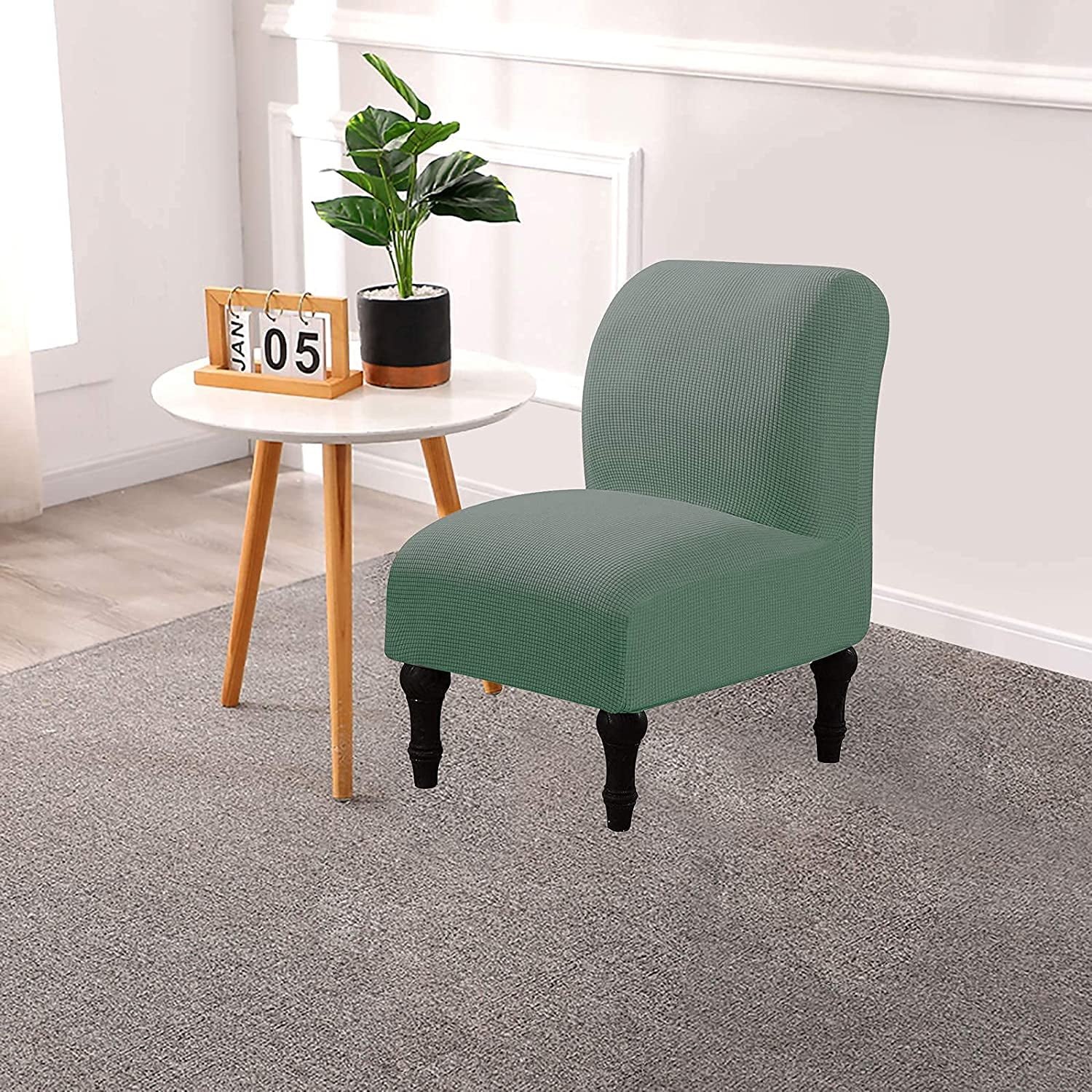
Are you looking to give your armless living room chair a fresh, new look without spending a lot? Making your own chair cover is easier than you think, and it’s a perfect way to add style and protect your furniture at the same time.
In this guide, you’ll discover simple steps and smart tips to create a cover that fits perfectly and matches your taste. Whether you want to refresh an old chair or keep your new one looking great, you’ll find everything you need right here.
Ready to transform your chair and boost your room’s appeal? Let’s get started!
Materials Needed
Making covers for an armless living room chair needs the right materials. The choice of fabric and tools affects the final look and fit.
Below are the main materials you will need to create a comfortable and stylish cover.
Fabric Selection
Select fabric that is durable and easy to clean. Cotton and polyester blends work well for living room chairs. Consider the color and pattern to match your decor.
- Durable cotton or polyester blend fabric
- Measuring tape to check chair size
- Fabric scissors for cutting
- Thread matching the fabric color
- Optional: fabric protector spray
Tools And Accessories
| Tool | Purpose |
| Measuring Tape | Measure chair dimensions accurately |
| Fabric Scissors | Cut fabric smoothly without fraying |
| Sewing Machine | Stitch fabric pieces together |
| Pins | Hold fabric in place while sewing |
| Needle and Thread | Hand-sew small details and hems |
| Iron | Press fabric for neat seams |
Preparing The Chair
Before making a cover for your armless living room chair, you must prepare it well. This helps the cover fit better and last longer.
Two important tasks are cleaning the surface and measuring the chair carefully. These steps make the process easier.
Cleaning The Surface
Clean the chair to remove dust, dirt, and stains. A clean surface helps the cover sit smoothly.
Use a vacuum or a soft brush to get rid of loose dirt. Then wipe the chair with a damp cloth and mild soap.
- Vacuum the chair to remove dust
- Use a soft brush for hard-to-reach spots
- Wipe with a damp cloth and mild soap
- Let the chair dry completely before measuring
Measuring Dimensions
Measure your armless chair to get the right cover size. Accurate measurements prevent the cover from being too loose or tight.
Use a tape measure to check the width, depth, and height of the chair. Write down each measurement carefully.
- Measure the seat width from side to side
- Measure the seat depth from front to back
- Measure the height from the floor to the top of the seat
- Measure the backrest height from the seat up
Cutting The Fabric
Creating covers for an armless living room chair can refresh the look of your space. The first step is cutting the fabric correctly. This ensures a snug fit and a professional appearance.
To start, you'll need to prepare your fabric and tools. This includes measuring, marking, and cutting the fabric precisely.
Creating A Template
Creating a template is crucial for an accurate fabric cut. Use a large piece of paper to draft your template. It helps to visualize the fabric layout.
- Place the paper on the chair.
- Trace the chair's outline onto the paper.
- Cut out the paper along the traced lines.
- Adjust the template until it fits perfectly.
Marking And Cutting
With your template ready, it's time to mark and cut the fabric. Lay the fabric flat on a surface. Make sure it is smooth and wrinkle-free.
Here's a custom tip: Use fabric chalk for marking. It is easy to wash off and leaves no permanent marks.
Pin the template onto the fabric. Carefully trace around it using chalk. Remove the template and double-check your markings. Cut the fabric along the marked lines using sharp scissors.
Sewing The Cover
Sewing a cover for your armless living room chair can refresh its look. This guide will help you with basic stitching techniques and assembling the pieces.
Basic Stitching Techniques
Mastering a few simple stitches will make your sewing project easier. These techniques ensure durable and neat finishes.
- Running Stitch: Ideal for basic seams and temporary holds.
- Backstitch: Provides strength to seams that need extra durability.
- Zigzag Stitch: Prevents fabric edges from fraying.
Assembling The Pieces
Once you have your pieces cut, it’s time to assemble them. Follow these steps to ensure a smooth assembly process.
- Lay out all fabric pieces on a flat surface.
- Pin the edges together, aligning the seams.
- Sew the seams using the backstitch technique for durability.
- Press the seams flat with an iron for a crisp finish.
Fitting The Cover
Fitting a cover on an armless living room chair helps protect it and change its look. A well-fitted cover keeps the chair neat and comfortable.
Taking time to fit the cover correctly makes it last longer and look better in your room.
Adjusting For A Snug Fit
Start by spreading the cover evenly over the chair. Pull the cover down so it fits all parts of the chair.
Smooth out any wrinkles or folds. Adjust the cover at the seat and back for a tight fit.
- Stretch the fabric gently but firmly
- Check corners and edges for even coverage
- Make sure the cover does not sag
Securing The Cover
Use ties, straps, or elastic bands to hold the cover in place. These keep the cover from shifting during use.
Check under the chair for any fasteners or loops. Attach them to keep the cover tight and secure.
- Fasten ties at the back or bottom
- Use rubber bands or clips if included
- Adjust fasteners for comfort and fit

Credit: www.amazon.com
Adding Finishing Touches
After fitting the cover on your armless living room chair, the final steps make it look neat. Finishing touches help the cover fit better and last longer.
These steps include trimming extra fabric and adding small decorations. These details give your chair cover a polished look.
Trimming Excess Fabric
Check the cover for any loose or extra fabric that sticks out. Cutting these parts makes the cover fit smoothly on the chair.
Use sharp scissors to carefully trim the fabric without cutting too close to the seam. Leave a small margin to prevent fraying.
- Look around the edges and corners for loose fabric
- Cut slowly and carefully to avoid mistakes
- Keep about half an inch of fabric near seams
- After trimming, press the cover for a smooth look
Optional Decorative Elements
You can add small decorations to make the cover unique. These include buttons, ribbons, or fabric paint.
Choose decorations that match your room style. Make sure they stay secure and do not get in the way when using the chair.
- Sew on buttons along the sides for a classic look
- Add ribbons tied in bows at chair corners
- Use fabric paint to create simple patterns
- Attach small patches or embroidery for a personal touch
Care And Maintenance Tips
Making covers for your armless living room chair is a smart choice. Keeping them clean and well-stored helps them last longer.
Good care stops dirt and damage. Follow simple steps to keep your covers fresh and neat.
Cleaning Instructions
Check the fabric type before cleaning. Some covers need gentle washing, others can handle machine wash.
Use mild detergent and cold water to avoid fading. Air dry covers to keep their shape.
- Spot clean small stains quickly with a damp cloth
- Wash covers inside out to protect colors
- Avoid bleach and strong chemicals
- Do not iron directly on printed or decorated areas
- Use a gentle cycle if machine washing
Storage Advice
Store covers in a clean, dry place. Avoid damp areas that can cause mold or mildew.
Fold covers neatly. Use breathable bags to keep dust out while letting air in.
- Keep covers away from direct sunlight to prevent fading
- Do not store covers in plastic bags for long periods
- Check stored covers regularly for any signs of damage
- Use cedar blocks or sachets to keep pests away

Credit: www.ebay.com
Credit: www.wayfair.ca
Frequently Asked Questions
How Do I Measure My Armless Chair For A Cover?
Measure the chair’s width, height, and depth accurately. Include the seat and backrest dimensions for a perfect fit. Use a tape measure and note down each measurement before cutting fabric.
What Fabric Is Best For Armless Chair Covers?
Choose durable, stretchable fabrics like cotton blends or polyester. These materials provide comfort, easy maintenance, and a snug fit. Avoid slippery or rigid fabrics to ensure the cover stays in place.
Can I Make A No-sew Cover For My Chair?
Yes, no-sew covers are possible using fabric glue or iron-on adhesive tape. This method suits simple designs and quick fixes. However, sewn covers offer better durability and a polished look.
How Do I Secure The Cover On An Armless Chair?
Use elastic bands, ties, or Velcro strips to hold the cover tightly. These options prevent slipping and allow easy removal for washing. Ensure the securing method matches the fabric type.
Conclusion
Making covers for your armless living room chair is simple and fun. Choose fabric you like and measure your chair carefully. Cut the fabric to fit and sew the pieces together neatly. A well-made cover protects your chair and freshens your room’s look.
You can change covers whenever you want to match new styles. This project saves money and lets you add a personal touch. Give it a try and enjoy your refreshed chair!