Have you ever run out of cotton pads just when you needed them most? Or wondered if there’s a simpler, cheaper way to get soft, gentle cotton pads right at home?
Making your own cotton pads is easier than you think, and it gives you full control over what touches your skin. Imagine saving money, reducing waste, and having fresh cotton pads ready whenever you want. Keep reading, and you’ll discover step-by-step how to create your own perfect cotton pads with just a few simple materials.
Your skin—and your wallet—will thank you!
Credit: www.sklep.kagero.pl
Materials Needed
Making cotton pads at home is simple and saves money. You need some basic materials to start.
Gathering the right supplies helps create soft and clean cotton pads.
Choosing The Right Cotton
Pick natural cotton that is pure and chemical-free. Organic cotton works best. It feels soft on the skin and absorbs liquids well.
- Look for 100% cotton balls or cotton batting
- Avoid cotton with added fragrances or chemicals
- Choose soft and fluffy cotton for comfort
- Check the packaging for organic certification
Additional Supplies
You will need some tools to shape and store your cotton pads. These items keep the pads neat and usable.
| Supply | Purpose |
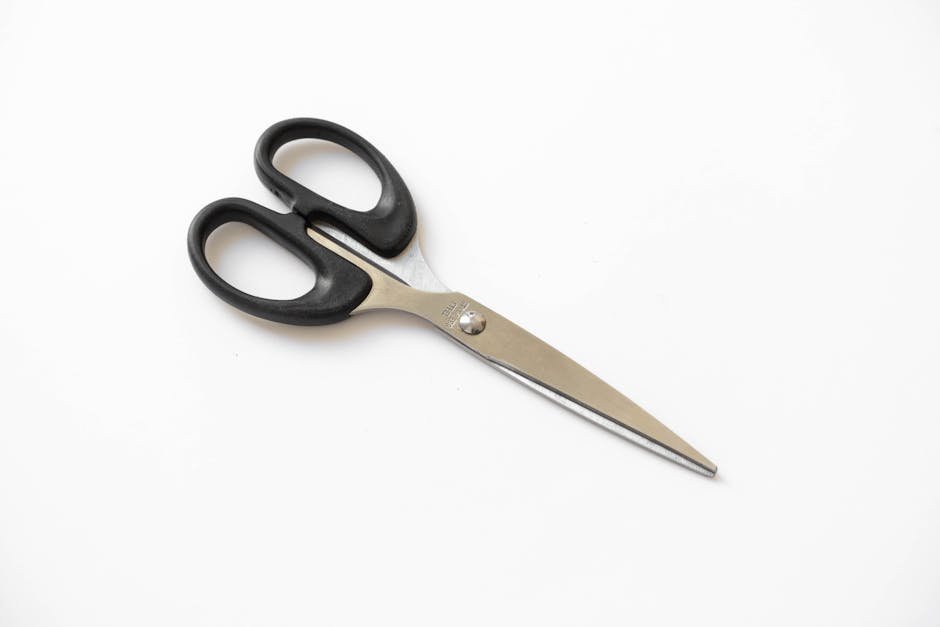
| Scissors | Cut cotton into pad shapes |
| Ruler or measuring tape | Make pads uniform size |
| Storage container | Keep pads clean and dry |
| Sewing needle and thread (optional) | Secure pads if needed |
Preparing The Cotton
Making cotton pads at home starts with preparing the cotton. This step ensures the pads are clean and soft.
Proper preparation improves the quality and comfort of your cotton pads.
Cleaning And Sanitizing
Begin by cleaning the cotton to remove dirt and impurities. Use clean water to rinse the cotton thoroughly.
Sanitize the cotton to kill any bacteria. Boil the cotton in water for 10 minutes or use a mild disinfectant.
- Rinse cotton under running water
- Boil cotton in clean water for 10 minutes
- Let cotton dry on a clean towel
Softening The Fibers
After cleaning, soften the cotton fibers to make the pads gentle on skin. This step is important for comfort.
Massage or gently pull the cotton to fluff it. You can also add a small amount of natural oil to keep it soft.
- Gently pull cotton fibers apart
- Massage cotton to fluff it up
- Optionally, add a few drops of natural oil
Shaping The Pads
Shaping cotton pads at home is simple and fun. It helps you make soft, even pads for your skin care.
Focus on making smooth layers and cutting the pads into the right size and shape. This guide will show you how.
Forming The Cotton Layers
Start by pulling small amounts of cotton and gently flattening them. Make sure each layer is even and smooth. Layering cotton helps make the pads thicker and more absorbent.
- Pull a small piece of cotton
- Flatten it gently with your fingers
- Place it on your working surface
- Repeat to build 3 to 5 layers
- Press layers lightly to stick them together
Cutting Into Pads
After you form the cotton layers, cut them into pads. Use sharp scissors or a round cutter for clean edges. You can choose the shape and size that fits your needs.
| Tool | Best For |
|---|---|
| Sharp scissors | Custom shapes and sizes |
| Round cutter | Even round pads |
| Square cutter | Square or rectangular pads |

Credit: www.youtube.com
Finishing Touches
Creating cotton pads at home is simple and rewarding. The final touches ensure they are both functional and durable.
These last steps will help you refine your homemade cotton pads, making them ready for everyday use.
Optional Stitching
Stitching the edges of your cotton pads can extend their lifespan. It prevents fraying and keeps them intact.
- Use a sewing machine for neat edges.
- Choose a zigzag stitch for flexibility.
- Hand-stitching works well for small batches.
Drying And Storage
Proper drying and storage keep your cotton pads fresh and ready for use. Ensure they are completely dry before storing.
Consider these drying methods:
- Air dry on a clothesline for natural freshness.
- Use a dryer on a low setting to maintain softness.
Store your cotton pads in a clean, dry container. This keeps them hygienic and ready for their next use.
Benefits Of Homemade Cotton Pads
Making cotton pads at home is simple and useful. It lets you control what goes into them.
Homemade cotton pads are better for your skin and the environment. You can also save money and customize them.
Environmental Impact
Homemade cotton pads reduce waste from disposable pads. You use less plastic and packaging.
Reusing cotton pads lowers the amount of trash sent to landfills. It helps protect nature.
- Less plastic waste
- Reduced packaging
- Lower landfill trash
- Less resource use for making new pads
Cost Savings
Making your own cotton pads costs less than buying new ones. You only need cotton fabric and scissors.
Reusable pads last longer. You can wash and use them many times, saving money over time.
- Lower initial cost
- No need to buy frequently
- Lasts for many uses
- Can be made from leftover fabric
Customizable Options
You can make cotton pads in any size or shape you like. This fits your personal needs better.
Choose soft fabrics or add scents. You control the material to avoid allergies or irritation.
- Custom sizes and shapes
- Choose soft or textured fabric
- Add essential oils if desired
- Control fabric quality and source
Tips For Best Results
Making cotton pads at home is simple and cost-effective. Following these tips helps you get the best quality pads.
This guide focuses on keeping your cotton pads soft and strong for daily use.
Maintaining Softness
Soft cotton pads feel gentle on your skin. Choose pure cotton fabric without synthetic fibers. Wash the fabric before cutting to remove stiffness.
- Use warm water and mild soap for washing
- Do not use harsh detergents or bleach
- Rinse thoroughly to remove soap residues
- Air dry the fabric in shade to keep softness
- Iron the fabric gently on low heat if needed
Ensuring Durability
Strong cotton pads last longer and hold their shape. Stitch the edges firmly to avoid fraying. Use double layers of cotton for extra strength.
| Tip | Details |
| Fabric type | Choose 100% cotton with tight weave |
| Layering | Use two or three layers for durability |
| Stitching | Sew edges with close, tight stitches |
| Washing | Wash gently to avoid fabric damage |
| Drying | Air dry to prevent fabric weakening |

Credit: seekbamboo.com
Frequently Asked Questions
How Do You Make Cotton Pads At Home Easily?
To make cotton pads, cut soft cotton fabric into small circles or squares. Layer the fabric for thickness. Sew or press the edges to hold shape. This DIY method is cost-effective and eco-friendly.
What Materials Are Needed To Create Homemade Cotton Pads?
You need 100% cotton fabric, scissors, a sewing needle or machine, and optional thread. Choose soft, breathable cotton for best results. These materials ensure gentle, reusable cotton pads.
How Long Do Homemade Cotton Pads Last?
Homemade cotton pads last several weeks with proper care. Wash them after each use and air dry thoroughly. Their durability depends on fabric quality and usage frequency.
Are Homemade Cotton Pads Safe For Sensitive Skin?
Yes, homemade cotton pads are safe and gentle on sensitive skin. Using natural, untreated cotton reduces irritation risk. Always wash pads before first use to remove any fabric residues.
Conclusion
Making cotton pads at home saves money and reduces waste. You control the materials and keep them clean. The process is simple and fun to try. Homemade pads suit sensitive skin well. Give it a go and enjoy the benefits.
Small changes can make a big difference. Start today and feel good about it.