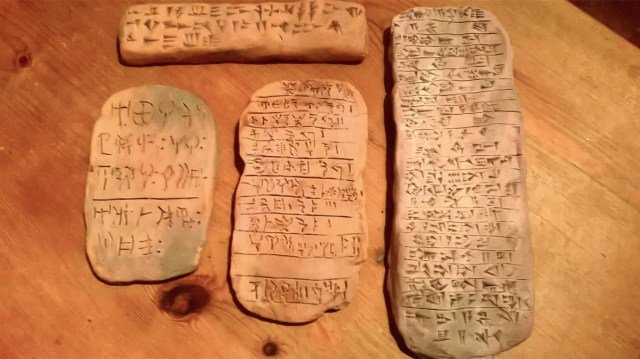
Have you ever wondered how people wrote messages thousands of years ago? Making clay tablets at home is a fun and simple way to connect with history—and you don’t need any special tools.
Imagine creating your own little piece of the past, right from your kitchen. Whether you want a unique craft project, a cool way to leave notes, or just something different to try, this guide will show you exactly how to make clay tablets step by step.
Keep reading, and you’ll be amazed at how easy and rewarding it can be!

Credit: www.ischool.berkeley.edu
Materials Needed
Making clay tablets at home is a fun and simple craft. You only need a few basic materials to get started.
This guide will help you gather the right clay, tools, and decorations for your project.
Types Of Clay
Choosing the right clay is important. Different clays work better for making tablets.
Here are some common types you can use at home:
- Air-dry clay: dries without baking, easy to use
- Modeling clay: stays soft, good for practice but not permanent
- Polymer clay: needs baking, very durable after hardening
- Natural clay: can be shaped and dried, sometimes requires firing
Tools And Supplies
You need some basic tools to shape and carve your clay tablets. These help create details and smooth surfaces.
- Rolling pin or smooth bottle to flatten clay
- Plastic knife or clay carving tools for shaping
- Toothpicks or wooden sticks for writing or drawing
- Flat surface like a board or tray to work on
- Water and sponge to keep clay moist and smooth
- Plastic wrap to cover clay when not in use
Optional Decorations
You can add decorations to make your clay tablets more interesting. These are not required but add style.
- Paints or markers for coloring after drying
- Stamps or textured objects to press patterns
- Small beads or shells to attach
- Glaze or varnish for a shiny finish
- Colored clays to create designs inside the tablet

Credit: www.miamiherald.com
Preparing The Clay
Making clay tablets at home starts with preparing the clay correctly. Good preparation helps you shape and carve the tablets easily.
Use soft, moist clay that is free from lumps and stones. This will make your tablet smooth and strong after drying.
Conditioning The Clay
Conditioning the clay means making it soft and ready to use. You need to knead it well to remove air bubbles and make it smooth.
- Break the clay into small chunks.
- Soften it by adding a little water if it feels dry.
- Knead the clay by pressing and folding it for 5 to 10 minutes.
- Check for lumps and remove any hard pieces.
- Cover the clay with a damp cloth to keep it moist before shaping.
Shaping Tips
Shaping the clay tablet well helps you create clear writing or designs. Use simple tools and keep the tablet flat and even.
| Tip | Description |
|---|---|
| Use a flat surface | Roll the clay on a smooth board for even thickness. |
| Keep edges straight | Cut the clay with a knife or wire for clean edges. |
| Work quickly | Shape before the clay dries to avoid cracks. |
| Press gently | Use a soft tool to smooth the surface without damaging it. |
| Mark your tablet | Use a stylus or toothpick to write or draw on the clay. |
Forming The Tablet
Making clay tablets at home is a fun and easy project. The key part is shaping the tablet properly.
Good shaping helps your tablet look neat and last longer. Let's look at how to form the tablet.
Creating The Base Shape
Start by taking a lump of clay about the size of your palm. Press it flat on a clean surface.
Shape the clay into a rectangle or square. Use your fingers or a flat tool to get even thickness.
- Press clay evenly to avoid thin spots
- Keep edges straight for a classic tablet look
- Use a ruler or flat tool to measure size
Smoothing Edges
Once the base shape is ready, smooth the edges for a clean finish. Use your fingers or a damp sponge.
Smooth edges prevent cracking when the clay dries. Take your time to make them neat and round.
- Lightly rub edges with damp sponge
- Remove any rough or sharp spots
- Check all sides to keep shape consistent
Adding Designs
Adding designs to your clay tablets makes them unique and interesting. You can decorate them using simple tools and techniques.
Designs can tell a story or show symbols that matter to you. Use different methods to create textures and patterns on the clay.
Using Stamps And Impressions
Stamps and impressions are easy ways to add repeated patterns or shapes on clay tablets. You can use ready-made stamps or objects from around your home.
- Press leaves or lace fabric gently into the clay for natural textures.
- Use coins, buttons, or bottle caps to make round impressions.
- Create simple stamps by carving shapes on small pieces of wood or foam.
- Press the stamp evenly into the clay to get a clear design.
- Try different depths for varied effects.
Carving Symbols
Carving symbols gives your clay tablet a personal touch. Use a small tool to carefully cut your designs into the soft clay.
| Tool | Use |
| Toothpick | Draw fine lines and small shapes |
| Wooden skewer | Carve deeper and wider symbols |
| Clay carving tool | Make precise and detailed designs |
Work slowly and press lightly at first. You can always carve more deeply if needed. Avoid cutting too close to the edges to prevent cracks.
Drying And Curing
Drying and curing clay tablets is important to keep them strong. Proper methods prevent cracks and warping.
This guide covers air drying tips and baking in the oven to finish your clay tablets.
Air Drying Tips
Air drying is a gentle way to cure clay tablets. It takes longer but lowers the risk of damage.
- Place tablets on a flat, clean surface.
- Keep them away from direct sunlight to avoid uneven drying.
- Turn tablets every day for even air exposure.
- Dry in a room with good air circulation.
- Allow 3 to 7 days to fully dry depending on tablet thickness.
Baking In Oven
Baking clay tablets in the oven speeds up curing. Use low heat to avoid burning or cracking.
| Temperature | Time | Notes |
| 200°F (93°C) | 30 minutes | For thin tablets |
| 225°F (107°C) | 45 minutes | For medium thickness |
| 250°F (121°C) | 1 hour | For thick tablets |
| Below 275°F (135°C) | Do not exceed | Prevents cracking |
Painting And Sealing
Creating clay tablets at home is a fun and creative process. Painting and sealing your clay tablets helps preserve them and adds a personal touch.
Let's explore the steps to choose the right paints and apply a sealant for a durable finish.
Choosing Paints
Choosing the right paint is important for vibrant colors and long-lasting designs on your clay tablets.
- Use acrylic paints for bright colors and quick drying.
- Watercolors can create a soft, blended look.
- Oil paints are durable but take longer to dry.
- Test a small area to see how the paint interacts with the clay.
Applying Sealant
Sealant protects your painted clay tablet and ensures it lasts longer. It also adds a glossy or matte finish based on your preference.
Different sealants can be used depending on your needs:
| Sealant Type | Finish |
| Varnish | Glossy |
| Polyurethane | Matte or Glossy |
| Spray Sealant | Even Coating |
Apply the sealant evenly and let it dry completely for the best results. Always work in a well-ventilated area when using sealants.
Creative Uses For Clay Tablets
Clay tablets are fun and easy to make at home. They have many creative uses. You can turn them into beautiful decorations or unique gifts.
Let's explore some ideas on how to use clay tablets creatively. They can enhance your living space or make special gifts for loved ones.
Home Decor Ideas
Clay tablets can add charm to your home decor. They are simple to customize and display. You can create designs that match your style.
Use clay tablets as wall art. They can be painted or carved with different patterns. You can hang them in any room to add a personal touch.
- Painted clay tablets for colorful wall accents
- Carved designs for a rustic look
- Arrange multiple tablets for a gallery effect
Personalized Gifts
Clay tablets make thoughtful gifts. They can be personalized with names or messages. This makes them special for any occasion.
Create clay tablets with meaningful quotes. They are perfect for birthdays or anniversaries. A handmade gift shows you care.
- Engrave names for a personal touch
- Use favorite quotes or sayings
- Decorate with symbols or icons

Credit: en.wikipedia.org
Frequently Asked Questions
What Materials Are Needed To Make Clay Tablets?
You need natural clay, water, a flat surface, and simple tools like a wooden stick. These materials are easy to find and safe to use.
How Long Does It Take For Clay Tablets To Dry?
Clay tablets usually take 24 to 48 hours to dry completely at room temperature. Drying time depends on thickness and humidity.
Can I Use Homemade Clay For Tablets?
Yes, homemade clay made from flour, salt, and water works well. It is a fun, non-toxic alternative for crafting tablets at home.
How Do I Preserve Clay Tablets After Drying?
Keep dried clay tablets in a dry, cool place away from moisture. Optionally, seal them with clear varnish to increase durability.
Conclusion
Making clay tablets at home is fun and simple. You only need basic materials and some patience. Shape the clay, press your design, and let it dry. This craft helps you learn about ancient writing and history. Try different shapes and sizes to make it your own.
Enjoy the process and share your creation with friends or family. Keep practicing to improve your skills. Clay tablets bring a piece of the past into your hands. Give it a try today!