Have you ever wanted to create your own clay right at home? Making clay from soil is easier than you might think, and it opens up a world of creativity for you.
Whether you’re into crafts, pottery, or just looking for a fun project, this simple process can give you soft, moldable clay without buying anything special. Keep reading, and you’ll discover step-by-step how to turn ordinary soil into perfect clay you can shape and use right away.
Your hands are about to get messy—in the best way!

Credit: www.youtube.com
Gathering Materials
Making clay from soil at home is a fun and simple project. The first step is to gather all the materials you need.
Getting the right soil and extra supplies helps you create good clay. Let’s look at what to find.
Choosing The Right Soil
Not all soil works well for making clay. Look for soil that has a smooth texture and small particles.
Clay soil feels sticky when wet and can hold its shape. Avoid sandy or rocky soil because it won’t form clay.
- Pick soil from a clean area, away from plants and chemicals
- Test soil by wetting it to see if it sticks and molds
- Remove leaves, stones, and roots before using the soil
Additional Supplies Needed
You need a few more items besides soil to make clay at home. These tools help mix and shape your clay.
Having the right supplies makes the process easier and cleaner.
- A bucket or large bowl for mixing soil and water
- Water for moistening the soil
- A sieve or strainer to remove big particles
- A flat surface or board for kneading the clay
- A cloth or plastic wrap to cover the clay while it rests
Credit: www.leelachakravarti.com
Preparing The Soil
Making clay from soil requires good preparation. You need clean, dry soil with a fine texture. This helps the clay hold together well.
Preparing the soil involves removing debris, drying it, and sifting to get smooth clay. These steps make the process easier.
Cleaning And Drying
Start by picking soil from a clean area. Avoid places near roads or plants with roots. Remove leaves, stones, and sticks by hand.
Spread the soil on a flat surface under the sun. Let it dry completely. Dry soil breaks apart easier and mixes better.
- Choose clean soil without trash
- Remove all visible debris
- Spread soil thinly to dry faster
- Wait until soil feels dry and crumbly
Sifting For Fine Texture
Use a sieve or screen to sift the dry soil. This removes big particles and gives fine soil for smooth clay. Fine soil mixes better with water.
Sift the soil several times if needed. You want soft, even soil without lumps or stones. This helps make strong clay.
- Choose a sieve with small holes
- Shake soil through sieve slowly
- Discard stones and large bits
- Repeat until soil is fine and smooth
Mixing The Clay
Mixing clay from soil is an important step to get the right texture. This process makes the clay soft and easy to shape.
Two main parts help make good clay: adding water slowly and kneading the mixture well. Both parts need care and patience.
Adding Water Gradually
Start by adding a small amount of water to the dry soil. Too much water at once can make the clay too sticky or runny.
- Add water little by little using a spray bottle or spoon.
- Mix the soil with your hands after each addition.
- Stop adding water when the soil feels damp but not wet.
- Check if the soil holds together when pressed.
- If it is too dry, add a bit more water.
Kneading Techniques
Kneading the clay helps to remove air bubbles and mix the water evenly. This makes the clay smooth and strong.
| Step | Action |
| 1 | Press the clay with your palms to flatten it. |
| 2 | Fold the clay in half and press again. |
| 3 | Repeat folding and pressing for 5 to 10 minutes. |
| 4 | Check if the clay feels soft and elastic. |
| 5 | If dry spots appear, add a few drops of water and knead again. |
Testing Clay Consistency
Making clay from soil at home needs the right texture. Testing clay consistency helps you know if it is good to use.
You can test clay by feeling and shaping it. This shows if your clay has the right mix of soil and water.
Signs Of Proper Texture
Proper clay feels smooth and soft but not sticky. It should hold its shape well when you press it.
If the clay cracks or crumbles, it is too dry. If it sticks to your hands, it has too much water.
- Clay should be easy to mold without breaking
- It should not stick too much to fingers
- Surface looks smooth, not grainy
- Clay keeps shape after pressing
Adjusting Water And Soil
Add water little by little to dry clay. Mix well after each addition to check texture.
If clay is too wet, add more dry soil. Mix and test again until the clay feels right.
- Add small amounts of water to avoid making clay too wet
- Use dry soil to fix sticky clay
- Mix thoroughly every time you add water or soil
- Test clay after each change for best results
Shaping And Drying
Making clay from soil at home is fun and creative. After preparing your clay, shaping it is the next step.
Drying your shaped clay properly makes it hard and ready to use. This guide helps you shape and dry your clay well.
Basic Sculpting Tips
Use your hands to press and mold the clay gently. Avoid adding too much water to keep the clay firm.
Work on a clean, flat surface. Keep your clay moist by covering it with a damp cloth when not shaping.
- Start with small pieces to practice shaping.
- Use simple tools like sticks or spoons to add details.
- Score the edges before joining two pieces for better grip.
- Smooth surfaces with a little water and your fingers.
- Keep clay covered to stop it from drying too fast.
Drying Methods At Home
Dry your shaped clay slowly to avoid cracks. Place it on a flat surface in a cool, dry place with good air flow.
If you want to speed up drying, use indirect sunlight or a fan. Do not use direct heat or ovens as they can cause cracks.
- Air dry for several days, turning the clay occasionally.
- Use a fan to increase air circulation around the clay.
- Avoid direct sunlight to prevent uneven drying.
- Keep clay away from heaters or fireplaces.
- Test dryness by tapping; dry clay sounds hollow.

Credit: www.youtube.com
Storing Homemade Clay
Making clay at home from soil is fun and creative. Proper storage keeps it fresh for longer use.
Learn to store your homemade clay so it stays soft and moldable. These tips help you avoid drying and cracking.
Preventing Drying Out
Keeping clay moist is important. Dry clay is hard to work with.
- Wrap the clay tightly in plastic wrap to seal in moisture.
- Store wrapped clay in a zip-lock bag to prevent air exposure.
- Keep the bag in a cool, dark place to avoid heat and sunlight.
Best Containers For Storage
Choosing the right container is key to keeping clay soft.
| Container Type | Benefits |
| Plastic Tubs | Airtight, reusable, easy to stack |
| Glass Jars | Non-reactive, clear for visibility |
| Metal Tins | Durable, protects from light |
Troubleshooting Common Issues
Making clay from soil at home can have small problems. These issues can change the clay's feel and workability. Fixing them helps your clay look and work better.
Two common problems are clay being too sticky or crumbly and having air bubbles inside. Each needs a simple fix to get the right clay texture.
Clay Too Sticky Or Crumbly
If your clay feels too sticky, it has too much water. Add a little dry soil or sand to soak up the extra moisture. Mix well and test the texture again.
If the clay is crumbly and breaks apart easily, it needs more water. Add small amounts of water and knead the clay until it feels soft and holds together well.
- Add dry soil to fix sticky clay
- Add water to fix crumbly clay
- Mix and test often to get the right feel
Fixing Air Bubbles
Air bubbles create weak spots in your clay. To remove them, knead the clay slowly and press it firmly. This pushes out trapped air.
You can also roll the clay into a ball and press it down several times. Repeat this until the clay feels smooth and even without holes.
- Knead clay slowly and firmly
- Roll clay into a ball and press down
- Repeat until no air bubbles remain
Creative Projects With Homemade Clay
Making clay from soil at home is a fun and easy activity. You can use the clay for various creative projects. This guide will help you explore simple and advanced ideas.
Homemade clay is versatile and great for crafting. It allows you to create unique items with your own hands. Let's dive into some exciting projects!
Simple Crafts For Beginners
Beginners can start with easy projects. These crafts are simple and fun. They are perfect for learning basic techniques.
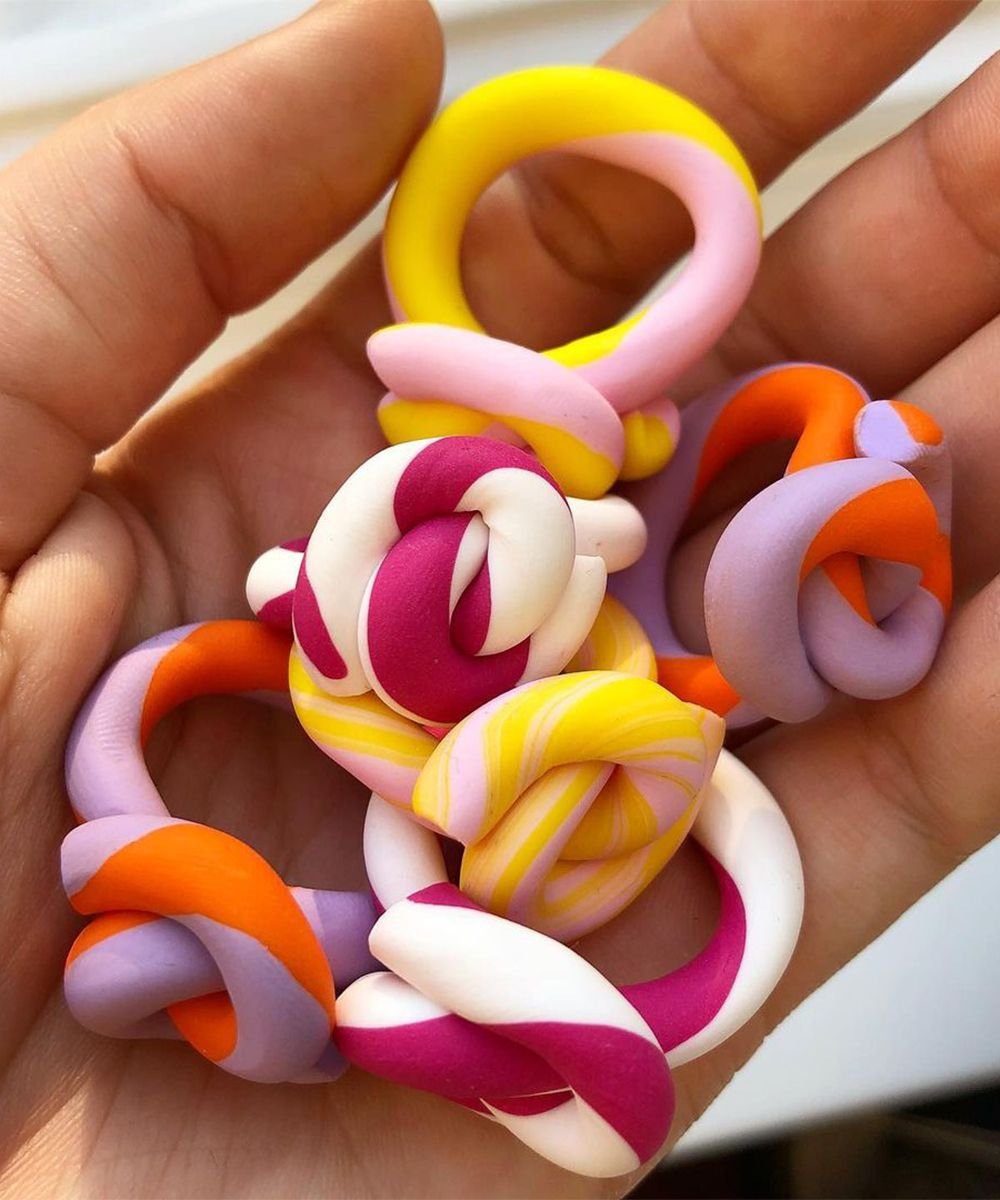
- Clay beads for necklaces
- Small clay figurines
- Basic clay bowls
These projects only need basic tools. You can shape the clay with your hands. Enjoy experimenting with different shapes and designs.
Inspiration For Advanced Users
Advanced users can try more complex creations. These projects require more skill and patience. They are great for showcasing your talents.
- Intricate clay sculptures
- Detailed clay masks
- Clay vases with patterns
These ideas allow for creative expression. Use tools to add details and textures. Experiment with different techniques to enhance your work.
Frequently Asked Questions
What Type Of Soil Is Best For Making Clay?
Clay soil with fine particles is best for making clay. Avoid sandy or loamy soil as they lack plasticity. Test soil by squeezing it; if it holds shape, it's suitable for clay.
How Do I Remove Impurities From Soil For Clay?
Remove stones, roots, and debris by sifting soil through a fine mesh. Wash the soil to eliminate dust and dirt before use. Clean soil ensures smoother, high-quality clay.
Can I Use Garden Soil To Make Clay At Home?
Yes, garden soil can be used if it contains enough clay particles. Check its texture; it should be sticky and moldable. Avoid soil with too much organic matter or sand.
How Much Water Should I Add To Soil For Clay?
Add water gradually until the soil reaches a dough-like consistency. The mixture should be moist but not too wet. Proper water balance ensures workable and durable clay.
Conclusion
Making clay from soil at home is simple and fun. You only need soil, water, and patience. Mixing well creates a smooth, moldable clay. This homemade clay works great for crafts and small projects. It saves money and uses natural materials.
Try different soils to see what works best. Keep your clay moist to avoid cracking. Enjoy creating with your own clay at home!