Have you ever wondered how you can create your own bentonite clay right at home? Imagine having a natural, powerful ingredient ready whenever you need it for your skin, hair, or detox routines.
Making bentonite clay yourself is easier than you think, and it lets you control exactly what goes into it. You’ll discover simple steps to make pure bentonite clay at home, saving money and avoiding unwanted additives. Keep reading, and you’ll unlock the secret to crafting this versatile clay with your own hands.
What Is Bentonite Clay
Bentonite clay is a natural substance made from volcanic ash. It forms when lava cools and weathers over time.
This clay is fine and soft, often used for cleaning and skin care. It can absorb toxins and impurities well.
Origin And Composition
Bentonite clay comes from areas with volcanic activity. It contains mainly montmorillonite, a type of clay mineral.
This clay holds water and swells up, which helps it trap dirt and oil.
Common Uses Of Bentonite Clay
- Facial masks to clean pores
- Body wraps for detoxification
- Natural deodorant ingredient
- Wound healing and soothing skin
- Water purification
Types Of Bentonite Clay
| Type | Main Use | Color |
| Calcium Bentonite | Skin care and healing | Grey or cream |
| Sodium Bentonite | Absorbs water, seals leaks | White or grey |
| Potassium Bentonite | Industrial uses | Light brown |
Benefits Of Bentonite Clay
Bentonite clay is a natural powder made from volcanic ash. It has many uses for skin and health care.
This clay can absorb toxins, dirt, and oil from your skin. It also helps with healing and inflammation.
Detoxifies Skin
Bentonite clay pulls out impurities from your skin. It helps clear pores and remove dirt and oil.
This makes your skin feel cleaner and look brighter after use.
Reduces Acne And Blemishes
The clay has natural properties that fight bacteria. It can reduce acne and prevent new breakouts.
It also helps soothe redness and swelling on the skin.
Soothes Skin Irritation
Bentonite clay can calm irritated or itchy skin. It is gentle and helps reduce inflammation.
This makes it useful for conditions like eczema or insect bites.
Improves Skin Texture
Using bentonite clay can make your skin smooth. It removes dead skin cells and tightens pores.
This leads to softer and healthier-looking skin over time.
Supports Digestive Health
When used carefully, bentonite clay can help with digestion. It may absorb toxins in the gut.
People sometimes use it to relieve bloating and gas.
Materials Needed
Bentonite clay is a natural product used for skincare and health. You can prepare it at home with simple items.
Gather the right materials before starting to make bentonite clay for best results.
Bentonite Clay Powder
Bentonite clay powder is the main ingredient. It comes from volcanic ash and is fine and soft.
Look for 100% pure bentonite clay without added chemicals or scents.
Distilled Water
Use distilled water to mix the clay. It is clean and free from minerals and impurities.
Tap water may affect the clay’s texture and quality.
Non-metal Bowl
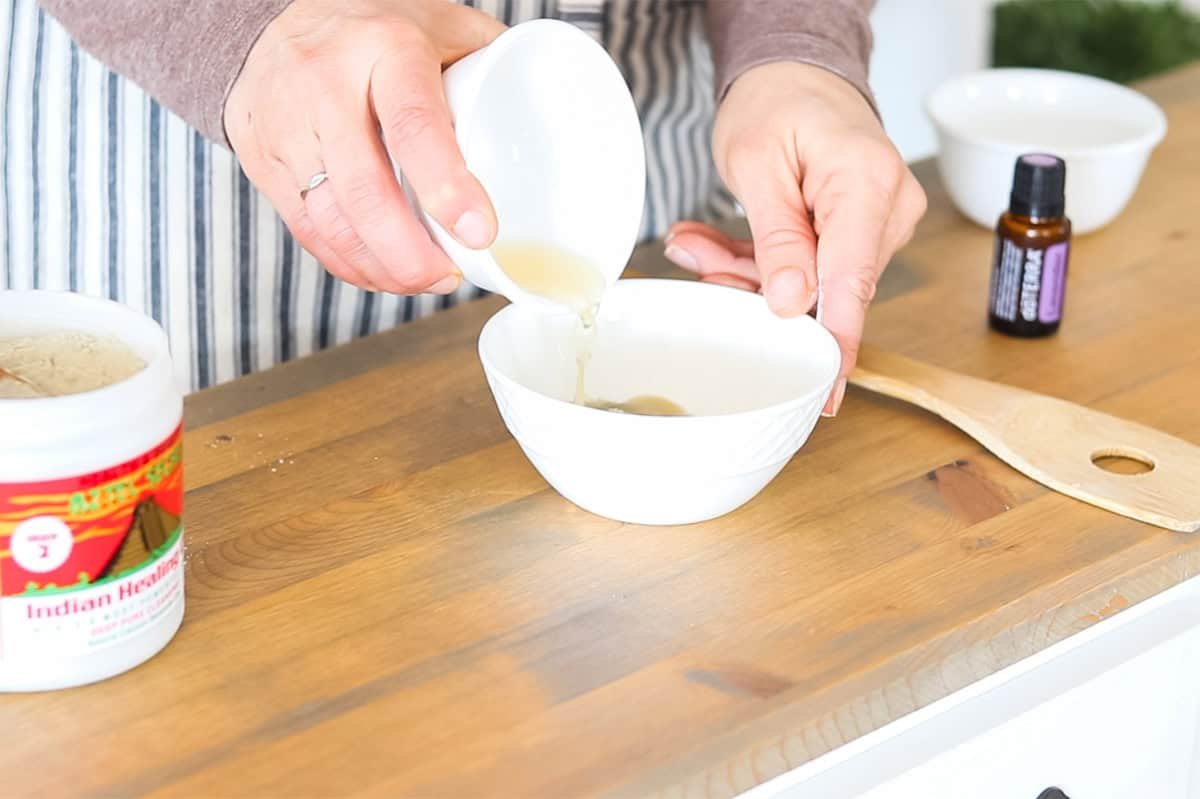
Mix the clay and water in a non-metal bowl. Glass, ceramic, or plastic bowls work well.
Metal can react with bentonite clay and reduce its effectiveness.
Non-metal Spoon Or Spatula
Use a wooden, plastic, or silicone spoon to stir the mixture. Avoid metal utensils.
Metal spoons can change the clay’s properties and cause clumping.
Measuring Spoons Or Scale
Measure the clay and water accurately for a smooth paste. Use measuring spoons or a kitchen scale.
Common ratios are two parts clay to one part water for a good consistency.
Selecting Raw Clay
Choosing the right raw clay is essential for making bentonite clay at home. It ensures the quality and effectiveness of the final product.
Before you begin, it's important to know what to look for in raw clay. This will help you select the best materials for your homemade bentonite clay.
Identify Suitable Clay Types
Not all clays are the same. Some are more suitable for making bentonite clay than others. Look for clays that are rich in minerals.
- Check for natural sodium content
- Ensure the clay is free from contaminants
- Choose a clay with high absorbency
Source Local Or Organic Clay
Locally sourced or organic clay can be a good choice. It often has fewer pollutants and a better mineral profile.
Evaluate Clay Quality
Evaluating the quality of clay is crucial. High-quality clay should have a fine texture and uniform color.
| Quality Indicator | What to Look For |
| Texture | Smooth and even |
| Color | Consistent throughout |
| Smell | Earthy without chemical odors |
Cleaning The Clay
Cleaning bentonite clay is a key step in making it safe and effective to use. Removing impurities ensures the clay works well for skin or other purposes.
This guide explains how to clean bentonite clay at home with simple tools and easy steps.
Gather Your Materials
Before you start, collect all the items you need to clean the clay. This helps the process go smoothly and keeps everything organized.
- Bentonite clay powder
- Large bowl
- Clean water (distilled or filtered)
- Fine mesh strainer or cheesecloth
- Glass jar or container
- Wooden or plastic spoon
Mixing The Clay With Water
Start by mixing the bentonite clay with clean water. This helps loosen dirt and particles stuck in the clay.
Use a ratio of about one part clay to two parts water. Stir gently until the clay is fully wet and smooth.
Settling And Removing Impurities
Let the clay mixture sit for several hours or overnight. The heavy clay particles will settle at the bottom, while lighter dirt floats or stays on top.
- Carefully pour off the clear water and floating debris on top.
- Use a spoon to remove any visible impurities.
- Leave the clean clay sediment at the bottom.
Straining The Clay
To get a finer clay, strain the wet clay through a fine mesh or cheesecloth. This removes larger clumps and leftover particles.
Tips for Straining Bentonite Clay:
- Use a new or clean strainer to avoid contamination.
- Press gently to extract as much clay as possible.
- Repeat if needed for extra smoothness.
Drying The Cleaned Clay
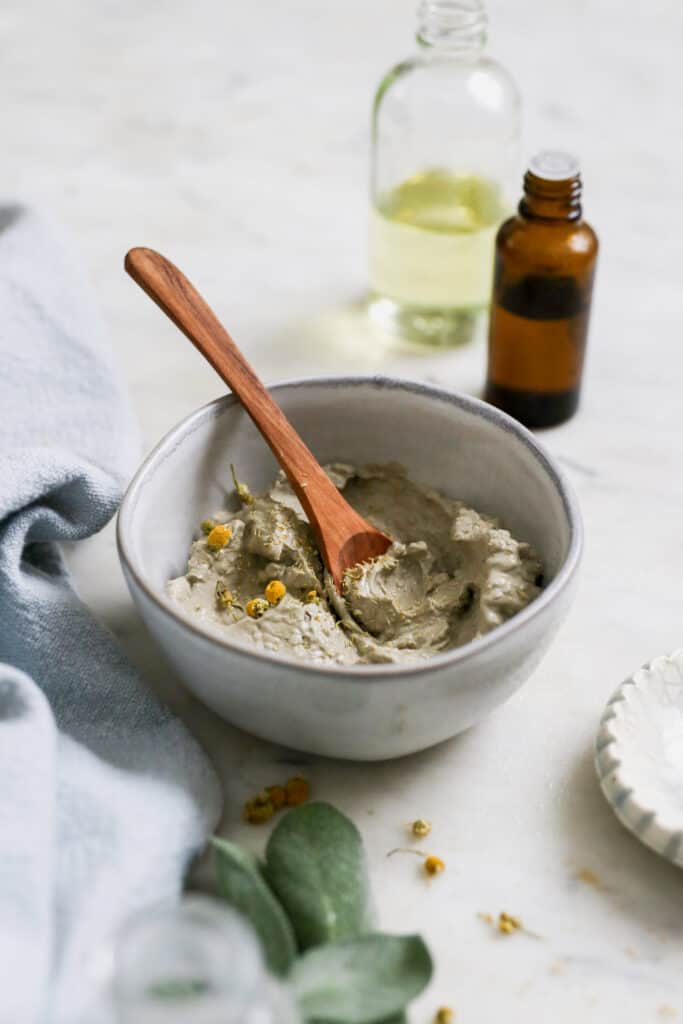
Spread the cleaned clay on a clean surface to dry. Air dry at room temperature away from direct sunlight. This keeps the clay fresh and ready for use.
| Drying Method | Recommended Time | Notes |
| Air Dry on Tray | 24 to 48 hours | Keep covered with a thin cloth to avoid dust |
| Oven Dry (Low Heat) | 2 to 3 hours | Set oven below 150°F (65°C), stir occasionally |
Credit: helloglow.co
Drying The Clay
Drying bentonite clay properly is an important step in making it at home. It helps remove moisture and prepare the clay for storage or use. This process takes time and patience.
There are different ways to dry bentonite clay. Choose the method that fits your environment and tools. Keep the clay clean and avoid contamination during drying.
Spread The Clay Thinly
Start by spreading the wet bentonite clay in a thin layer on a flat surface. Use a clean tray, plate, or sheet of glass. A thin layer helps the clay dry faster and more evenly.
Choose A Dry Location
Select a dry place with good air circulation for drying. Avoid humid rooms or direct sunlight that can crack the clay. A warm room or shaded outdoor space works well.
Use These Drying Tips
- Turn the clay occasionally to dry both sides
- Keep the drying area clean and dust-free
- Cover with a thin cloth to protect from insects
- Do not use heat sources like ovens or microwaves
- Allow several days for complete drying
Check Clay Moisture Level
| Moisture Level | Description | Action |
| Wet | Clay feels sticky and soft | Needs more drying time |
| Dry to Touch | Surface is dry but clay breaks easily | Good for grinding or storing |
| Too Dry | Clay cracks or crumbles | Use soon or moisten slightly before use |
Grinding Process
Grinding bentonite clay at home is a simple process. This helps to prepare the clay for various uses.
Follow these steps to ensure the clay is ground properly. This makes it easy to mix and use.
Gather Your Materials
Before you begin, gather all the necessary tools. You will need a grinder or mortar and pestle.
- Mortar and pestle for manual grinding
- Electric grinder for faster results
- Protective mask to avoid inhaling dust
Prepare The Clay
Ensure the clay is dry before grinding. Wet clay can clog the grinder and be difficult to work with.
- Spread clay out to dry completely
- Check for any moisture before grinding
- Break larger chunks into smaller pieces
Start Grinding
Place the dry clay into the grinder. Grind until you achieve a fine powder consistency.
- Use short bursts with an electric grinder
- For manual grinding, apply even pressure
- Check the texture regularly
Store The Ground Clay
Once ground, store the clay in a dry container. This keeps it ready for future use.
- Use airtight containers to prevent moisture
- Label the container with the date
- Store in a cool, dry place
Sifting For Fine Powder
Sifting bentonite clay helps you get a smooth, fine powder. This makes it easier to mix and use.
Removing lumps and large particles improves the clay's texture and quality for skin care or other uses.
Gather Your Materials
You need a fine mesh sieve or sifter and a clean bowl. A spoon or spatula helps push clay through the sieve.
- Fine mesh sieve (around 100 mesh)
- Clean mixing bowl
- Spoon or spatula
- Bentonite clay powder
Prepare The Clay
Break up any big chunks of clay with your fingers or a spoon. This makes sifting easier and faster.
If the clay feels damp, let it dry completely before sifting. Dry clay passes through the sieve better.
Sift The Clay
Place the sieve over the bowl and add a small amount of clay at a time. Use the spoon to press the clay through.
Shake the sieve gently to help finer particles pass through. Large pieces stay on top and can be discarded or reprocessed.
Collect And Store The Fine Powder
Once you sift all the clay, gather the fine powder in the bowl. Store it in an airtight container to keep it dry.
Label the container with the date and type of clay for easy use later.
Storing Your Bentonite Clay
After making bentonite clay at home, proper storage keeps it fresh and safe. Good storage stops moisture and dirt from spoiling your clay.
Storing your bentonite clay correctly helps keep its natural properties strong. It also makes it easy to use next time.
Use An Airtight Container
Put your bentonite clay in an airtight container to keep air and moisture out. This prevents the clay from clumping or drying out.
Choose containers made of glass or plastic with a tight seal. Avoid containers that can let air or water inside.
- Glass jars with screw lids work well
- Plastic containers with locking lids are good
- Keep the container clean before use
Store In A Cool, Dry Place
Keep the bentonite clay away from heat and moisture. A cool, dry spot helps the clay stay fresh and stops mold from growing.
Avoid storing clay near sinks, stoves, or windows where sunlight shines. These places can cause the clay to get wet or change texture.
- Use a kitchen cabinet or pantry shelf
- Avoid humid bathrooms or basements
- Keep away from direct sunlight
Label Your Container
Write the date on your container when you store bentonite clay. This helps you know how long you have kept it.
Labeling also helps you avoid using old clay that may lose its quality or effectiveness.
- Use a marker or label sticker
- Write the date you made or stored the clay
- Include any special notes about the batch
Keep Away From Contaminants
Do not store bentonite clay near strong smells or chemicals. The clay can absorb odors and lose its purity.
Keep the clay container clean and avoid touching the clay with dirty hands to stop contamination.
- Store away from cleaning products
- Keep container sealed after each use
- Use clean tools to scoop clay
Credit: scratchmommy.com
Common Uses At Home
Bentonite clay is a natural substance with many uses around the house. It can help with cleaning, personal care, and even gardening.
This clay is easy to use and safe for many purposes. Below are some common ways to use bentonite clay at home.
Skin Care
Bentonite clay works well for face masks and skin treatments. It helps remove dirt and oil from the skin. People use it to soothe irritation and reduce acne.
Detox Baths
Adding bentonite clay to bath water can help draw out toxins from the body. It also softens the skin and provides a relaxing experience.
Natural Deodorizer
You can use bentonite clay to reduce bad smells around the home. It absorbs moisture and neutralizes odors in places like refrigerators and trash cans.
- Sprinkle in trash bins to reduce smell
- Place a small bowl in the fridge to keep it fresh
- Use inside shoes to absorb sweat and odor
Gardening Aid
Bentonite clay improves soil quality by holding water and nutrients. It helps plants grow better and keeps the soil healthy.
| Benefit | Effect |
| Water retention | Keeps soil moist longer |
| Nutrient holding | Feeds plants more effectively |
| Soil texture | Improves soil structure for roots |
Safety Tips And Precautions
Making bentonite clay at home can be simple and safe. You need to follow safety tips to avoid risks.
These tips will help you handle the clay properly and protect your health.
Use Protective Gear
Wear gloves to protect your hands from irritation. Bentonite clay can dry out your skin.
Use a dust mask to avoid breathing fine clay powder. It can cause coughing or lung irritation.
- Wear rubber or latex gloves
- Use a dust mask or respirator
- Wear protective eyewear if needed
Work In A Well-ventilated Area
Mix bentonite clay in a place with good air flow. This reduces dust buildup and breathing risks.
Avoid working in small closed rooms without windows or fans.
Store Clay Properly
Keep bentonite clay in a dry, cool place. Moisture can cause it to clump or spoil.
Seal containers tightly to prevent dust from escaping and contaminating other areas.
Avoid Ingesting Or Inhaling
Do not eat bentonite clay unless it is food grade. Non-food grade clay can be harmful.
Keep clay away from your mouth and nose to avoid accidental swallowing or inhaling.
Keep Away From Children And Pets
Bentonite clay can be harmful if swallowed by children or pets. Store it out of reach.
Supervise children closely if they help with mixing or using clay.
Test For Allergic Reactions
Before using bentonite clay on skin, do a small patch test. Some people may have allergies.
Apply a little clay on your arm and wait 24 hours. Stop use if redness or itching occurs.

Credit: www.ouroilyhouse.com
Frequently Asked Questions
What Ingredients Are Needed To Make Bentonite Clay At Home?
You need natural bentonite clay powder and water. Optionally, add apple cider vinegar for enhanced texture. These are easy to find and safe for DIY use.
How Do You Mix Bentonite Clay For Skincare Use?
Combine bentonite clay powder with water or apple cider vinegar. Mix until it forms a smooth paste. Apply immediately for best skin benefits.
Can Bentonite Clay Be Made Without Special Equipment?
Yes, bentonite clay making requires no special tools. Simply mix clay powder with liquid in a clean bowl. Stir well using a spoon or spatula.
How Long Does Homemade Bentonite Clay Last?
Homemade bentonite clay lasts about 1-2 weeks. Store it in an airtight container in a cool, dry place to maintain freshness.
Conclusion
Making bentonite clay at home is simple and rewarding. You only need a few natural ingredients and some patience. This clay can help your skin feel clean and fresh. Using homemade clay saves money and avoids chemicals. Try it carefully and enjoy the natural benefits.
Keep your clay dry and store it well. Your skin will thank you for this gentle, natural care. Give it a try and see the difference yourself. Natural beauty is easy to achieve at home.