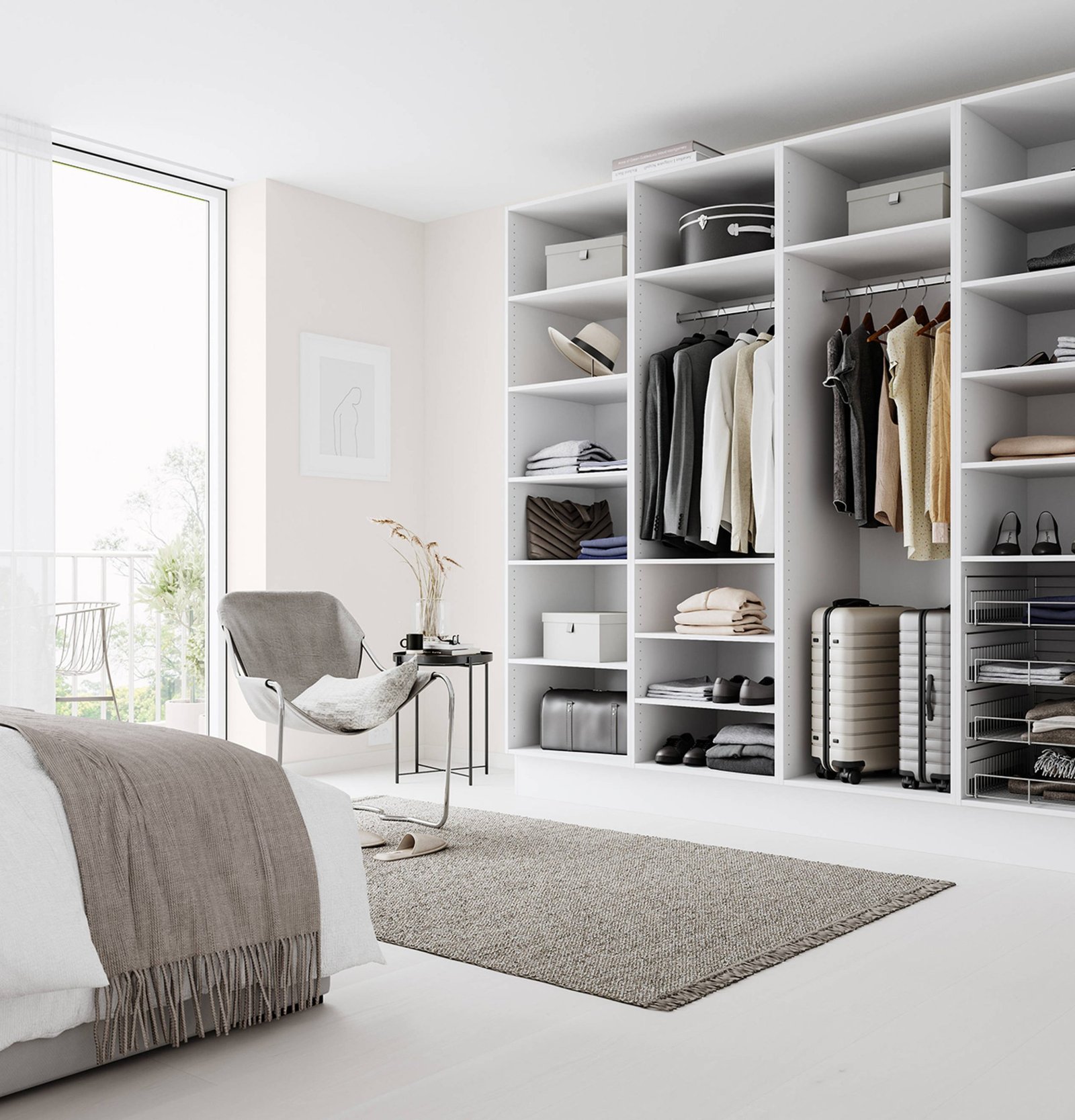
Are you tired of cluttered clothes and messy drawers in your bedroom? A well-made wardrobe can transform your space, making it neat and stylish.
But how do you create the perfect bedroom wardrobe that fits your needs and looks great? In this guide, you’ll discover simple steps to build a wardrobe that suits your style and keeps everything organized. By the end, you’ll have the confidence to design a wardrobe that makes your daily routine easier and your bedroom more inviting.
Ready to take control of your space? Let’s get started!
Choosing The Right Wardrobe Style
Choosing a wardrobe style shapes your bedroom’s look and function. It must fit your space and needs well.
This guide helps you find the right wardrobe style. Consider space, design, and materials carefully.
Assessing Bedroom Space
Measure your bedroom before picking a wardrobe. Note the wall length, ceiling height, and door locations.
- Check available floor space to avoid crowding.
- Think about opening space for doors or drawers.
- Consider natural light and ventilation paths.
- Plan for other furniture near the wardrobe.
Popular Wardrobe Designs
Wardrobes come in many designs. Choose one that fits your style and room size.
- Sliding door wardrobes save space and look modern.
- Hinged door wardrobes offer full access inside.
- Walk-in wardrobes are spacious but need a large room.
- Open wardrobes show clothes and create a casual look.
Materials And Finishes
Material affects wardrobe durability and appearance. Choose one that fits your budget and style.
| Material | Pros | Cons |
|---|---|---|
| Solid wood | Strong, classic look, lasts long | Expensive, can warp in humidity |
| MDF (Medium-Density Fiberboard) | Affordable, smooth finish, easy to paint | Less durable, can swell with water |
| Metal | Modern, sturdy, fire-resistant | Can rust, cold appearance |
| Laminate | Variety of colors, easy to clean | Can chip or peel over time |

Planning Your Wardrobe Layout
Planning your bedroom wardrobe layout is the first step to a useful storage space. It helps you fit everything you need neatly and keeps your room tidy.
A good plan saves time and money by avoiding mistakes. Think about what you want to store and how to arrange it.
Measuring Dimensions Accurately
Start by measuring the space where you want to place the wardrobe. Use a tape measure and write down the height, width, and depth.
Measure walls, floor, and ceiling carefully. Check for any obstacles like power outlets or vents that may affect the wardrobe size.
- Measure twice to avoid errors
- Note the exact dimensions on paper
- Consider door openings and walking space
- Account for wall unevenness or slants
Organizing Storage Zones
Divide your wardrobe into zones for different items. This keeps clothes and accessories easy to find and well arranged.
Think about daily use items and store them at eye level. Less used items can go higher or lower in the wardrobe.
- Zone for hanging clothes like shirts and dresses
- Zone for folded clothes like sweaters and pants
- Zone for shoes and bags
- Zone for small accessories like belts and scarves
Incorporating Shelves And Drawers
Shelves and drawers add flexibility to your wardrobe. Shelves hold folded clothes and boxes, while drawers keep small items tidy.
Plan shelves at different heights for various items. Drawers can store socks, underwear, or jewelry safely out of sight.
- Adjustable shelves fit different sized items
- Deep drawers work well for bulky clothes
- Shallow drawers are good for accessories
- Use shelf dividers to keep items neat
Gathering Tools And Materials
Building a bedroom wardrobe needs the right tools and materials. Good preparation saves time and effort.
This guide covers essential tools, choosing quality materials, and safety gear to protect yourself.
Essential Tools List
- Measuring tape for accurate dimensions
- Power drill with drill bits
- Screwdriver set (flathead and Phillips)
- Hand saw or circular saw for cutting wood
- Hammer and nails
- Level to ensure straight assembly
- Clamps to hold pieces in place
- Sandpaper or electric sander for smooth surfaces
Selecting Quality Materials
Strong materials make your wardrobe last longer. Choose wood types that suit your style and budget.
| Material | Description | Best Use |
| Plywood | Layered wood, stable and smooth | Cabinet sides and shelves |
| Solid Wood | Durable and natural grain | Frame and doors |
| MDF (Medium-Density Fiberboard) | Smooth and paint-friendly | Panels and decorative parts |
| Particleboard | Cost-effective but less strong | Back panels and low-stress parts |
Safety Gear And Precautions
Wear safety gear to protect yourself during building. Always follow safety rules.
- Safety glasses to protect your eyes
- Work gloves to guard your hands
- Ear protection when using loud tools
- Dust mask to avoid inhaling sawdust
- Keep your work area clean and organized
- Check tools before use for damage
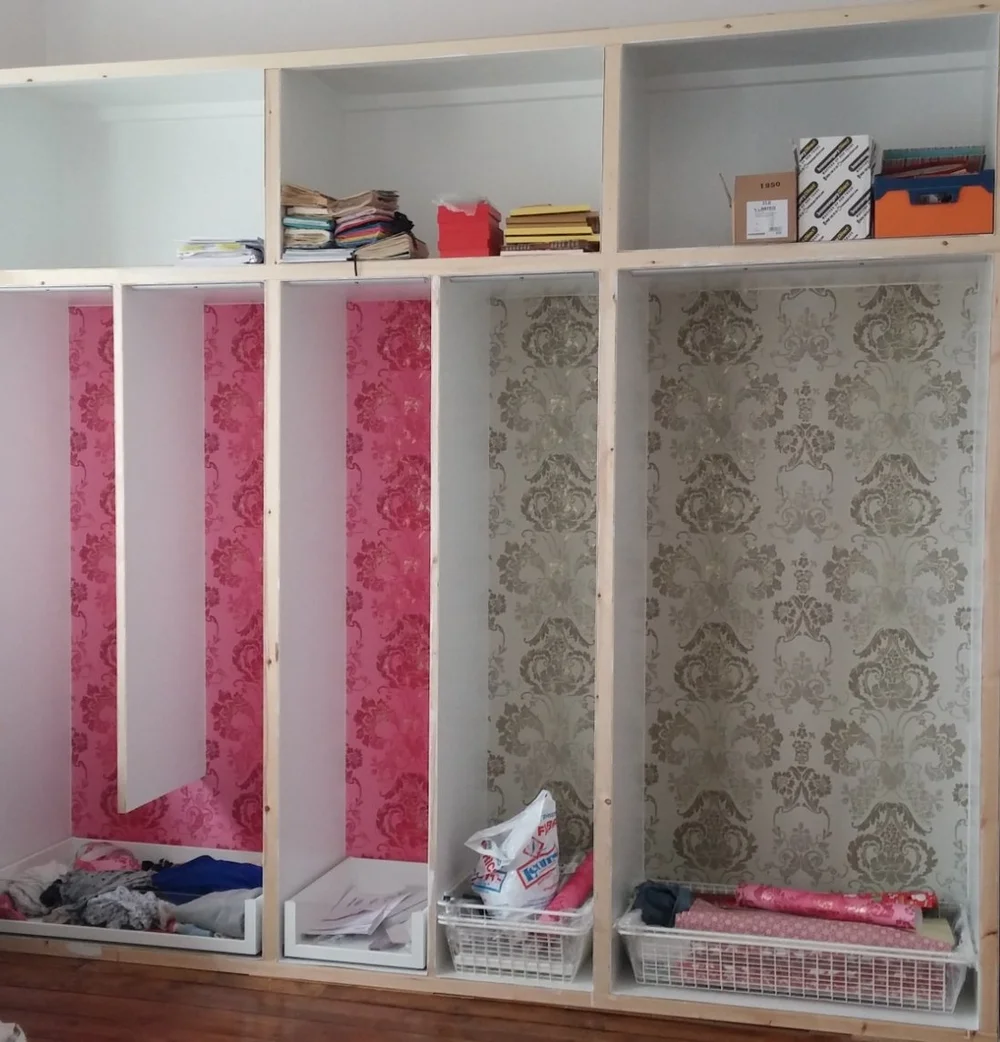
Step-by-step Assembly Guide
Building a bedroom wardrobe is a practical project you can complete yourself. This guide helps you assemble the wardrobe in clear steps.
Each step focuses on one part of the process, from preparing your space to adding storage inside.
Preparing The Workspace
Start by clearing a large, clean area to work. Make sure you have enough light and ventilation. Gather all tools and materials before you begin.
- Clear floor space of any obstacles
- Lay down a protective sheet to avoid scratches
- Have a screwdriver, hammer, level, and measuring tape ready
- Check all parts and hardware are included
- Wear comfortable clothing and safety gloves
Building The Frame
Begin assembling the wardrobe frame by joining the side panels, base, and top. Use screws and dowels for a strong structure.
- Attach the side panels to the base using screws
- Fix the top panel on the side panels securely
- Use a level to ensure the frame is square
- Tighten all screws firmly but avoid over-tightening
Installing Doors And Hardware
Attach the doors to the frame using hinges. Add handles and magnetic catches to keep doors closed smoothly.
| Item | Purpose | Installation Tip |
| Hinges | Attach doors to frame | Align carefully and use a drill guide |
| Handles | Open and close doors easily | Measure height evenly on both doors |
| Magnetic catches | Keep doors closed firmly | Place at top or bottom inside edge |
Adding Internal Storage Features
Inside the wardrobe, add shelves, rods, and drawers to organize clothes. Customize the layout to fit your needs.
Consider these storage options:
- Adjustable shelves for folded clothes
- Clothes rod for hanging garments
- Drawers for small items like socks or accessories
- Shoe racks at the bottom
Customizing For Style And Function
Making a bedroom wardrobe is about both style and function. You want it to look good and work well for your needs.
Customizing your wardrobe lets you create a space that fits your style and keeps your clothes organized.
Choosing Colors And Finishes
Pick colors that match your bedroom decor. Light colors make the room feel bigger. Dark colors add a cozy feel.
Choose finishes that suit your style. Matte finishes hide fingerprints. Glossy finishes reflect light and look modern.
- Neutral tones fit most rooms
- Wood finishes add warmth
- Bold colors make a statement
- Gloss or matte depends on your taste
Adding Mirrors And Lighting
Mirrors help you check your outfit and make the room look larger. Place mirrors on doors or inside panels.
Good lighting is important. Use LED strips or spotlights inside the wardrobe. This helps you see clothes clearly.
- Full-length mirrors on doors
- LED lights inside shelves
- Motion sensors for automatic lighting
- Soft light to avoid glare
Maximizing Accessibility
Make sure everything is easy to reach. Use pull-out drawers and adjustable shelves for better use of space.
Organize clothes by type. Keep daily wear at eye level. Store less used items higher or lower.
- Pull-out racks for pants and ties
- Adjustable shelves for shoes or bags
- Hooks for belts and scarves
- Clear bins for small items

Maintaining Your Wardrobe
Keeping your bedroom wardrobe in good shape helps you find clothes easily. Regular upkeep can extend the life of your wardrobe.
Let's explore ways to clean, repair, and upgrade your wardrobe over time.
Cleaning Tips
Dirt and dust can damage clothes and the wardrobe itself. Cleaning regularly keeps everything fresh.
- Dust shelves and corners weekly
- Use a mild cleaner for wooden surfaces
- Vacuum carpeted floors inside the wardrobe
Repairing Common Issues
Small repairs can save you from bigger problems later. Fixing issues early keeps your wardrobe in top shape.
| Issue | Solution |
| Loose hinges | Tighten screws or replace hinges |
| Stuck drawers | Lubricate tracks with wax |
| Scratches | Use a wood filler or polish |
Upgrading Storage Over Time
As your wardrobe needs change, consider upgrading your storage. This helps in making better use of space.
Invest in modular shelves for flexible space.
Consider hanging organizers for easy access.
Use labeled boxes for seasonal items.
Frequently Asked Questions
How Do I Start Making A Bedroom Wardrobe?
Begin by measuring your bedroom space accurately. Plan the wardrobe size and style based on your needs. Choose suitable materials and tools before starting construction.
What Materials Are Best For A Bedroom Wardrobe?
Wood, plywood, and MDF are popular choices. Wood offers durability, while plywood is cost-effective. MDF is smooth and ideal for painted finishes.
How Can I Maximize Storage In A Wardrobe?
Use adjustable shelves, hanging rods, and drawers. Incorporate vertical space and add hooks or organizers for smaller items. This keeps the wardrobe neat and efficient.
What Tools Do I Need To Build A Wardrobe?
Essential tools include a saw, drill, screwdriver, measuring tape, and level. Safety gear like gloves and goggles is also important for protection.
Conclusion
Creating a bedroom wardrobe can be simple and fun. Plan your space well to fit your needs. Choose materials that last and look good. Add shelves, rods, and drawers for easy organization. Personal touches make your wardrobe unique. This project saves money and gives pride.
Start small, and improve step by step. A well-made wardrobe keeps your room tidy. Enjoy the process and your new storage space.