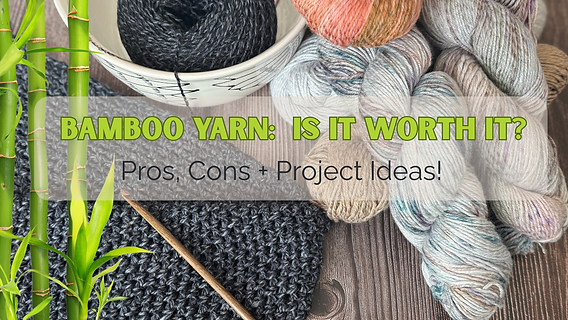
Are you looking for a unique and eco-friendly way to create your own yarn? Making bamboo yarn at home is easier than you think, and it opens up a world of possibilities for your crafting projects.
Imagine turning natural bamboo fibers into soft, smooth yarn that’s perfect for knitting, crocheting, or weaving. You’ll discover simple steps to transform bamboo into beautiful yarn right in your own space. Ready to learn how? Keep reading, and you’ll soon be crafting with your very own handmade bamboo yarn.
Materials Needed
Making bamboo yarn at home needs some basic materials. You will need bamboo stalks and a few tools. Preparing your workspace is also important for a smooth process.
Below, we explain what to select and what tools to gather before starting.
Selecting Bamboo Stalks
Choose healthy bamboo stalks that are mature and strong. Younger stalks may not give good fibers. Make sure the bamboo is free of cracks or damage.
Look for stalks that are about 3 to 5 years old. They have the best fiber quality for yarn making.
- Pick mature, strong bamboo stalks
- Avoid cracked or damaged stalks
- Use bamboo that is 3 to 5 years old
Essential Tools
You need some simple tools to make bamboo yarn. These tools help strip and spin the bamboo fibers into yarn.
- Sharp knife or blade for cutting
- Peeler or scraper to remove outer layers
- Large container for soaking bamboo strips
- Carding comb or brush to align fibers
- Spindle or spinning wheel to twist fibers
Having these tools ready will make the process easier and cleaner.
Preparing A Workspace
Set up a clean and well-lit area for your work. Bamboo processing can be messy, so choose a space you can clean easily.
Use a sturdy table or workbench. Keep your tools organized and within reach. Make sure you have access to water for soaking and cleaning.
- Choose a clean, well-lit workspace
- Use a sturdy table or bench
- Organize tools neatly
- Have water nearby for soaking
Preparing Bamboo Fibers
Making bamboo yarn at home starts with preparing the bamboo fibers. This process helps turn hard bamboo into soft threads.
Careful preparation makes the fibers easy to spin into yarn. It takes patience and some simple steps.
Harvesting Bamboo
Choose mature bamboo stalks for the best fibers. Bamboo that is at least three years old works well.
Cut the stalks close to the ground using a sharp tool. Avoid damaging the bamboo while harvesting.
- Pick healthy, strong bamboo stalks
- Cut stalks during dry weather
- Use sharp tools for clean cuts
Stripping The Outer Layer
Remove the hard outer layer of the bamboo stalk. This exposes the softer fibers inside.
Use a knife or peeler to carefully strip off the outer skin. Take care not to damage the inner fibers.
- Lay the bamboo on a flat surface
- Run the knife along the stalk lengthwise
- Peel off the outer green and brown skin
Soaking And Softening Fibers
Soak the stripped bamboo fibers in water for several days. This softens the fibers and makes them easier to work with.
Change the water daily to prevent bad smells. After soaking, the fibers become flexible and ready for spinning.
- Place fibers in a container with clean water
- Soak for 3 to 5 days
- Change water every day to keep fibers fresh
Extracting The Fiber
Making bamboo yarn starts with extracting the fibers from bamboo stalks. This process takes time and care. You need to prepare the bamboo well to get good fibers.
Below are the main steps to get the fibers ready for spinning into yarn. Each step helps separate and clean the bamboo fibers.
Breaking Down Bamboo Stalks
First, cut the bamboo stalks into small pieces. This makes them easier to handle. Then soak the pieces in water for several days. The soaking softens the bamboo and loosens the fibers inside.
After soaking, crush the bamboo pieces. You can use a hammer or a heavy tool. Crushing breaks the hard outer layer and opens the stalks for fiber removal.
Separating Fibers
After breaking down the stalks, separate the fibers by hand. Pull the soft fibers away from the woody parts slowly. This step requires patience to avoid breaking the fibers.
- Wear gloves to protect your hands.
- Work over a clean surface to collect fibers easily.
- Sort fibers by thickness to use them properly later.
- Remove any leftover wood pieces from the fibers.
Drying Process
After separating, dry the fibers well. Spread them in a thin layer under the sun. Turn them often to dry evenly and prevent mold.
| Drying Time | Condition | Result |
|---|---|---|
| 1-2 days | Sunny, dry weather | Fibers dry but soft |
| 3-4 days | Cloudy, humid weather | Fibers dry but may mold |
| 5+ days | Poor ventilation | Fibers risk rotting |

Credit: cottonclouds.com
Spinning Bamboo Yarn
Spinning bamboo yarn is a rewarding craft that turns soft bamboo fibers into thread. It requires patience and practice to get smooth, strong yarn.
This guide covers key spinning methods and tips to create beautiful bamboo yarn at home.
Twisting Techniques
Twisting fibers is the heart of spinning bamboo yarn. The twist binds fibers together, making yarn strong and elastic.
- Use a gentle, steady twist to avoid breaking fibers.
- Keep the tension even for uniform yarn thickness.
- Adjust twist tightness depending on yarn thickness and use.
- Practice both S-twist and Z-twist to find what feels best.
Using A Spindle Or Wheel
You can spin bamboo yarn using a hand spindle or a spinning wheel. Each tool offers a different experience and speed.
| Tool | Description | Best For |
| Hand Spindle | Simple, portable, manual spinning device. | Small batches, beginners, slow spinning. |
| Spinning Wheel | Mechanical device that spins yarn faster. | Larger projects, consistent yarn, experienced spinners. |
Creating Consistent Yarn
Consistency in yarn thickness and twist improves the look and feel of your finished product.
- Prepare fibers by combing or carding to align them.
- Maintain steady hand speed while drafting fibers.
- Control twist amount to avoid thick or thin spots.
- Check yarn regularly and adjust tension as needed.
- Wind spun yarn carefully to keep it even and smooth.
Finishing The Yarn
Finishing bamboo yarn is important for strength and softness. It makes the yarn ready for use in knitting or weaving.
This step includes washing, setting the twist, storing, and tips for durability. Each part helps keep your yarn in good condition.
Washing And Setting
After spinning, wash your bamboo yarn gently in cool water with mild soap. This removes oils and dirt.
Rinse well and squeeze out water without twisting. Hang the yarn to dry with a weight at the bottom to set the twist and keep it straight.
Storing Bamboo Yarn
- Keep the yarn in a cool, dry place away from sunlight.
- Store it in breathable bags to avoid moisture build-up.
- Use cedar blocks or lavender sachets to prevent pests.
- Do not compress the yarn tightly to keep its loft.
Tips For Durability
| Tip | Reason |
| Avoid harsh chemicals | Protects fiber strength |
| Dry flat or hang to dry | Prevents stretching or shrinking |
| Use gentle washing methods | Maintains softness and color |
| Store away from direct sun | Prevents fading and damage |

Credit: wovenfutures.com
Crafting Ideas With Bamboo Yarn
Bamboo yarn is soft and eco-friendly. It is perfect for many crafting projects. You can make beautiful items at home with bamboo yarn.
Here are some ideas to inspire your creativity. Enjoy crafting with this natural material.
Knitting And Crocheting Projects
Knitting and crocheting with bamboo yarn is enjoyable. The yarn is smooth and easy to use. You can create various items for yourself or loved ones.
- Make soft scarves for winter.
- Create cozy hats for friends.
- Design lightweight summer tops.
Weaving Patterns
Weaving with bamboo yarn adds texture to your projects. The yarn's strength makes it ideal for weaving. You can create many patterns with it.
- Weave colorful placemats for your table.
- Create unique wall hangings.
- Design stylish rugs for your home.
Eco-friendly Gift Options
Bamboo yarn gifts are thoughtful and green. Handmade items show you care. They are perfect for any occasion.
- Craft reusable shopping bags.
- Make washcloths for a spa gift set.
- Create personalized bookmarks.

Credit: simplyorganicbamboo.com
Frequently Asked Questions
What Materials Do I Need To Make Bamboo Yarn At Home?
You need bamboo fiber or bamboo fabric, a spinning wheel or spindle, water, and mild detergent. These basics help create soft, eco-friendly yarn.
How Long Does It Take To Make Bamboo Yarn?
Making bamboo yarn typically takes several hours, depending on fiber preparation and spinning skill. Patience ensures smooth, consistent yarn.
Is Homemade Bamboo Yarn Eco-friendly And Sustainable?
Yes, bamboo yarn is eco-friendly. Bamboo grows quickly and requires fewer chemicals. Homemade yarn reduces waste and supports sustainable crafting.
Can Bamboo Yarn Be Dyed Naturally At Home?
Yes, bamboo yarn accepts natural dyes well. Use plant-based dyes like turmeric or beetroot for vibrant, chemical-free colors.
Conclusion
Making bamboo yarn at home is a rewarding and eco-friendly skill. It takes patience and simple tools to start. Each step helps you create soft, natural yarn for your projects. Enjoy the process and learn from each try. Soon, you will have unique yarn made by your own hands.
Keep practicing and explore different techniques. Your creativity will grow with every skein you spin. This craft connects you with nature and tradition. Give it a chance and see how fun it can be.