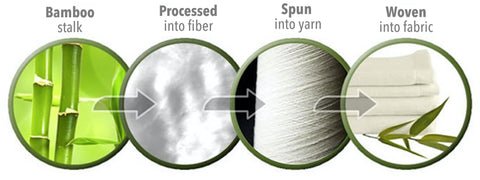
Have you ever wondered how to create your own bamboo fiber right at home? Imagine turning a simple, natural material into something soft, strong, and eco-friendly that you can use for crafts, clothing, or even home projects.
Making bamboo fiber yourself isn’t as complicated as it sounds, and once you learn the steps, you’ll feel proud knowing you crafted something unique and sustainable. In this guide, you’ll discover easy-to-follow methods that anyone can try. Ready to unlock the secrets of bamboo fiber and start your creative adventure?
Let’s dive in!
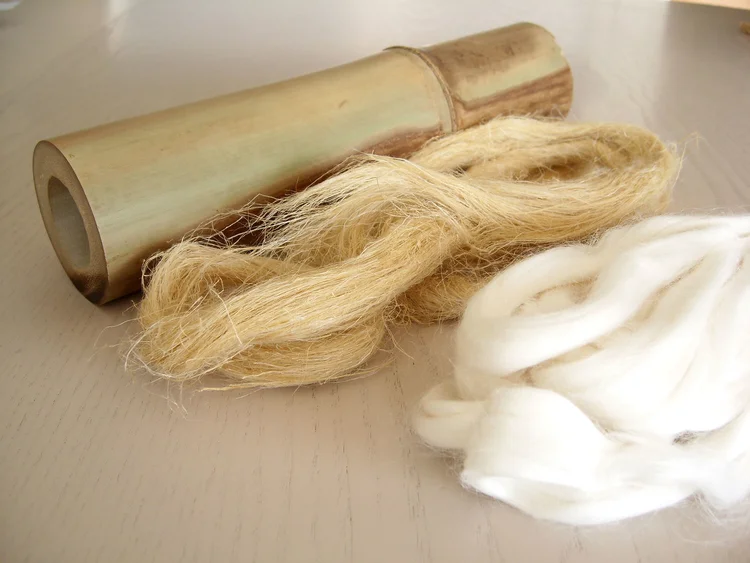
Credit: www.guaduabamboo.com
Materials Needed
Making bamboo fiber at home requires specific materials. Preparing well helps the process go smoothly.
Focus on selecting the right bamboo and gathering necessary tools. This guide covers both topics.
Selecting Bamboo Types
Choose bamboo that is mature and strong. Younger bamboo may not have enough fiber.
- Look for bamboo at least 3 to 5 years old
- Select bamboo with thick walls and few cracks
- Dry bamboo is better for fiber extraction
- Avoid bamboo with signs of rot or insect damage
Essential Tools
Gather tools to cut, split, and process bamboo. Some tools make the work easier and safer.
| Tool | Purpose |
| Machete or sharp knife | Cutting bamboo stalks |
| Hammer or mallet | Breaking bamboo into smaller parts |
| Peeler or scraper | Removing outer bamboo layer |
| Large container | Soaking bamboo fibers |
| Strainer or sieve | Separating fibers from water |
Preparing Bamboo
Making bamboo fiber at home starts with preparing the bamboo properly. This step is key to get clean and soft fibers.
Good preparation helps remove unwanted parts and makes the fiber easier to process later.
Harvesting Techniques
Choose mature bamboo stalks for fiber. These are usually 3 to 5 years old.
Cut the stalks close to the ground using a sharp knife or saw. This keeps the bamboo healthy.
- Select thick and strong stalks for better fiber quality
- Cut early in the morning to avoid sap loss
- Use clean tools to prevent damage
Cleaning And Cutting
Remove leaves and branches from the stalks before processing. Clean the bamboo with water to remove dirt.
Cut the bamboo into smaller pieces. This makes it easier to handle in the next steps.
- Wash bamboo pieces thoroughly to remove dust and bugs
- Cut into 1 to 2 feet sections for easier fiber extraction
- Dry the pieces in shade to avoid cracking
Extracting Bamboo Pulp
Making bamboo fiber at home starts with extracting the pulp. The pulp comes from breaking down bamboo stalks into soft fibers. This process requires soaking and mechanical breakdown.
Extracting pulp is an important step to get clean and smooth fibers. Below are key methods to prepare bamboo for fiber making.
Soaking Process
Soaking bamboo helps soften the stalks. It removes dirt and some tough parts. You need to soak bamboo in water for a long time to make it easier to break down.
- Cut bamboo into small pieces
- Place pieces in a large container
- Fill with water to cover the bamboo
- Let soak for 5 to 7 days
- Change water every 2 days to avoid bad smell
- Check softness by pressing the bamboo pieces
Mechanical Breakdown
After soaking, bamboo becomes soft and easier to break. Mechanical breakdown separates fibers from the stalk. You can use tools or machines to crush and grind the bamboo.
| Tool | Purpose | Notes |
| Hammer | Crush bamboo pieces | Use on soaked bamboo only |
| Mortar and pestle | Grind fibers finer | Good for small batches |
| Blender | Mix and break fibers | Use water to avoid damage |
| Rolling pin | Press and flatten fibers | Manual and simple method |
Processing The Fiber
After collecting bamboo, processing the fiber is the next step. This step makes the fiber clean and ready for use.
Proper processing improves the fiber's quality and strength. It involves washing, filtering, and drying the bamboo fibers.
Washing And Filtering
Start by soaking bamboo fibers in clean water. This removes dirt and unwanted materials.
After soaking, gently squeeze the fibers to remove excess water. Then, use a fine mesh or cloth to filter out small particles.
- Use fresh water for washing
- Soak fibers for several hours
- Filter using a fine mesh or cloth
- Repeat washing if fibers still feel rough
Drying Methods
Dry the bamboo fibers in a clean, dry place. Avoid direct sunlight to keep fibers soft.
You can dry fibers by hanging them or spreading them on a clean surface. Make sure air flows well to speed drying.
- Hang fibers on a clothesline indoors
- Spread fibers thinly on a dry cloth
- Keep fibers away from dust
- Turn fibers occasionally for even drying
Spinning Bamboo Fiber
Spinning bamboo fiber at home turns soft bamboo pulp into yarn. It is a fun way to make natural thread.
You can spin bamboo fiber by hand or use a spinning wheel. Both ways create strong, smooth yarn.
Hand Spinning Basics
Hand spinning uses simple tools like a drop spindle. It helps you twist bamboo fibers into thread.
Keep the fibers loose but aligned. Spin slowly to control the yarn thickness and strength.
- Prepare bamboo fiber by combing to remove knots
- Attach fiber to spindle hook or notch
- Spin the spindle to twist the fibers
- Pull fibers gently while spinning
- Wind spun yarn onto the spindle shaft
Using A Spinning Wheel
A spinning wheel speeds up the spinning process. It uses a foot pedal to turn the wheel.
Feed bamboo fiber slowly into the wheel’s flyer. The wheel twists the fibers into yarn automatically.
- Set up the spinning wheel and oil moving parts
- Attach fiber to leader yarn on the bobbin
- Use the treadle to start the wheel spinning
- Feed fibers evenly into the flyer
- Adjust tension for smooth yarn winding

Credit: www.youtube.com
Tips For Quality Fiber
Making bamboo fiber at home can be a rewarding experience. Understanding key tips ensures the fiber is of high quality.
Following guidelines helps in achieving the desired softness and durability in bamboo fiber.
Avoiding Common Mistakes
Avoiding errors is crucial for producing quality bamboo fiber. Here are some common mistakes and how to prevent them:
- Do not overprocess the bamboo. It weakens the fibers.
- Avoid using harsh chemicals. They damage the natural fiber.
- Ensure bamboo is not too dry before processing. Moisture helps in fiber extraction.
Enhancing Fiber Softness
Softness in bamboo fiber is desirable for many textile applications. Simple methods can enhance this softness.
| Method | Effect |
| Steam Treatment | Increases fiber flexibility |
| Natural Oils | Improves softness and sheen |
| Gentle Brushing | Enhances texture |
Uses For Handmade Bamboo Fiber
Bamboo fiber is a versatile material you can make at home. It has many uses, from crafts to textiles.
Making bamboo fiber can be a fun and eco-friendly activity. Once made, you can use it in various projects.
Craft Projects
Handmade bamboo fiber is great for crafts. It is soft and easy to work with. You can use it in several creative ways.
- Weave baskets using bamboo fiber strands.
- Create wall hangings for home decor.
- Make handmade paper for greeting cards.
Sustainable Textiles
Bamboo fiber is a sustainable choice for textiles. It is breathable and comfortable for clothing.
| Textile Type | Benefits |
| T-Shirts | Soft and absorbent |
| Scarves | Lightweight and stylish |
| Baby Blankets | Gentle on skin |

Credit: worldpapermill.com
Frequently Asked Questions
What Materials Are Needed To Make Bamboo Fiber At Home?
To make bamboo fiber at home, you need bamboo stalks, water, a sharp knife, blender, and fine mesh strainer. These materials help extract and process the fibers effectively for homemade use.
How Long Does It Take To Extract Bamboo Fiber?
Extracting bamboo fiber typically takes 2 to 3 days. This includes soaking, softening, and manually separating fibers from the bamboo stalks.
Is Homemade Bamboo Fiber Eco-friendly?
Yes, homemade bamboo fiber is eco-friendly. It uses natural bamboo and avoids chemical processing, reducing environmental impact significantly.
Can Bamboo Fiber Be Used For Fabric At Home?
Yes, homemade bamboo fiber can be spun into yarn and woven into fabric. However, it requires additional skills and tools for textile creation.
Conclusion
Making bamboo fiber at home takes patience and care. The process is simple and uses natural materials. You can create soft, eco-friendly fiber for many projects. This skill helps reduce waste and supports a greener lifestyle. Try small batches first to learn each step well.
Enjoy the satisfaction of crafting your own fiber. Keep practicing, and you will improve quickly. This homemade fiber can inspire creativity and sustainability in your daily life.