Are you ready to create a cozy spot that feels truly yours? Making a living room chair by yourself is easier than you think.
Imagine sinking into a chair you built with your own hands—designed just the way you want it. In this guide, you’ll discover simple steps, practical tips, and insider secrets that turn raw materials into a stylish, comfortable chair. Stick with me, and by the end, you’ll have all the know-how to craft a living room chair that not only looks great but feels like home.
Let’s get started!
Choosing The Right Chair Design
Picking the perfect chair for your living room is important. The right design adds comfort and style.
Consider the space, your taste, and how the chair fits with other furniture.
Popular Styles For Living Rooms
Living room chairs come in many styles. Each style creates a different look and feel.
- Modern chairs have clean lines and simple shapes.
- Traditional chairs often have carved wood and detailed fabric.
- Mid-century styles use wood and bright colors.
- Rustic chairs feature natural materials and a cozy vibe.
- Contemporary chairs mix different materials and bold designs.
Matching Your Decor
Your chair should blend well with your room’s colors and style. This keeps the space balanced.
| Room Style | Chair Features | Color Suggestions |
|---|---|---|
| Minimalist | Sleek shapes, no extra details | Black, white, neutral tones |
| Cozy | Soft cushions, warm fabrics | Earth tones, soft pastels |
| Elegant | Curved arms, rich fabric | Deep blues, gold, burgundy |
| Bohemian | Mix of patterns and textures | Bright colors, natural hues |
Selecting Materials
Material affects comfort, look, and durability. Choose what fits your needs and style.
- Leather is durable and easy to clean.
- Fabric offers many colors and soft feels.
- Wood adds warmth and natural beauty.
- Metal gives a modern and sleek appearance.
- Wicker works well in casual or rustic rooms.
Gathering Tools And Materials
Making a living room chair requires the right tools and materials. You need to prepare everything before starting the project.
Good preparation helps you work faster and get better results. This guide covers the essential tools, wood choices, and fabrics for upholstery.
Essential Tools List
Having the correct tools makes building a chair easier. You will need tools for measuring, cutting, shaping, and assembling.
- Measuring tape and ruler
- Handsaw or circular saw
- Chisels and carving tools
- Drill with bits
- Screwdrivers and hammer
- Clamps for holding parts
- Sandpaper or electric sander
- Staple gun for upholstery
Selecting Quality Wood
Choosing strong, durable wood is important for a sturdy chair. Different woods offer various looks and strengths.
| Wood Type | Strength | Appearance |
| Oak | High | Grainy, classic |
| Maple | High | Light color, smooth |
| Pine | Medium | Soft, knotty |
| Walnut | High | Dark, rich color |
Choosing Upholstery Fabrics
Select fabrics that feel comfortable and last long. Consider texture, color, and ease of cleaning.
- Cotton: Soft and breathable
- Linen: Durable and natural
- Leather: Strong and easy to clean
- Velvet: Plush and elegant
- Polyester blends: Stain-resistant
Preparing The Wood
Preparing the wood is the first step in making a living room chair. It ensures the wood is ready for building a strong frame.
Good preparation helps the chair look nice and last a long time. It also makes the assembly easier.
Measuring And Cutting
Measure the wood pieces carefully before cutting. Accurate measurements help all parts fit well together.
Use a saw to cut the wood according to your measurements. Cut slowly to avoid mistakes or splinters.
- Measure twice to avoid errors
- Mark the wood with a pencil
- Use a saw suitable for the wood type
- Cut on a stable surface
Sanding And Smoothing
Sanding removes rough spots and splinters from the wood. It makes the surface smooth and safe to touch.
Start with coarse sandpaper and finish with fine grit. Sand all edges and surfaces evenly for the best results.
- Wear a mask to avoid dust
- Sand along the wood grain
- Check for rough areas after sanding
- Wipe wood clean before assembly
Assembling The Frame
Put the wood pieces together to form the chair frame. Use nails or screws to hold the parts firmly.
Check that the frame is square and stable. Tighten all joints and make sure the chair stands evenly.
- Lay out all pieces before assembly
- Use clamps to hold parts in place
- Pre-drill holes to avoid splitting
- Double-check alignment after fastening

Credit: ca.style.yahoo.com
Adding Comfort With Cushioning
Making a living room chair comfortable starts with the right cushioning. Cushions provide softness and support. They make sitting enjoyable for long times.
Choosing the right foam and shaping it well are key steps. Secure cushions keep the chair neat and safe to use. These tips help you add comfort easily.
Choosing Foam Types
Foam type affects how soft or firm the cushion feels. High-density foam lasts longer and supports weight well. Low-density foam feels softer but wears out fast.
Memory foam molds to the body for comfort. Polyester foam is cheap but less durable. Pick foam that fits your comfort needs and budget.
- High-density foam: firm and durable
- Low-density foam: soft but less lasting
- Memory foam: molds to shape, very comfy
- Polyester foam: affordable, less durable
Cutting And Shaping Cushions
Cut foam with a sharp knife or electric cutter. Use a template to get the right size and shape. Keep edges smooth for a neat fit.
Trim foam slowly to avoid mistakes. Test the cushion in the chair before final trimming. This ensures the best fit and comfort.
- Use a sharp knife for clean cuts
- Make a paper or cardboard template
- Cut foam a bit bigger, then trim
- Check fit before finishing edges
Attaching Cushions Securely
Attach cushions to the chair with strong fabric or straps. Velcro strips work well for removable cushions. Glue or staples can fix cushions permanently.
Secure cushions prevent slipping and keep the chair tidy. Choose a method that matches your chair style and use needs.
- Velcro strips allow cushion removal
- Straps tie cushions firmly in place
- Staples fix cushions permanently
- Use fabric covers to protect foam
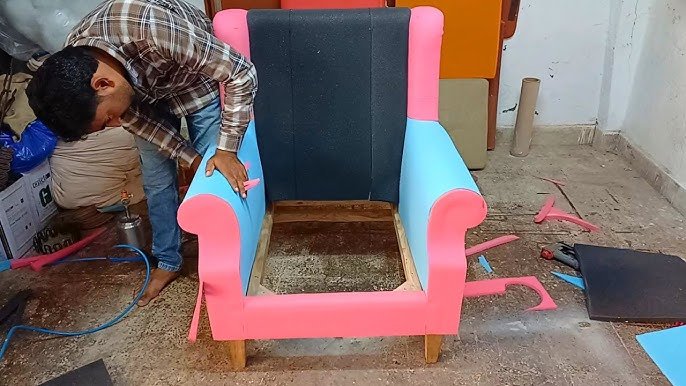
Upholstering The Chair
Upholstering a chair can breathe new life into your living room. It is a rewarding task that transforms a simple chair into a centerpiece.
This guide will walk you through the steps to upholster your chair with ease and precision.
Fabric Cutting Techniques
Cutting fabric accurately is crucial for a neat finish. Always measure twice before cutting to avoid mistakes.
- Measure the dimensions of each chair part.
- Mark the fabric with chalk or a fabric pen.
- Use sharp scissors for clean cuts.
Stapling And Securing Fabric
Securing the fabric properly ensures a smooth and professional look. A staple gun is your best tool here.
For tight corners, fold the fabric neatly and staple in place. This creates a polished appearance.
Finishing Touches
After securing the fabric, add the final details to complete the project. Trim any excess fabric and ensure all staples are secure.
| Task | Description |
| Trim Fabric | Cut away excess fabric for a clean edge. |
| Check Staples | Ensure all staples are flush and secure. |
| Final Adjustment | Smooth out any wrinkles or folds. |
Finishing And Protecting
Finishing your living room chair makes it look nice and helps it last longer. Protecting the wood from damage is very important.
Good finishing keeps the chair safe from water, dirt, and wear. It also gives the chair a smooth surface that feels comfortable.
Applying Paint Or Stain
Choose paint or stain based on the look you want. Stain shows the wood grain, while paint covers it with color.
Use a brush or cloth to apply paint or stain evenly. Let each coat dry fully before adding another layer.
- Sand the chair lightly before applying
- Apply thin coats to avoid drips
- Work in a well-ventilated area
- Follow the product instructions for drying time
Sealing For Durability
Sealing protects the paint or stain and the wood underneath. It stops water and dirt from causing damage.
Use a clear sealant like varnish or polyurethane. Apply it with a clean brush for the best finish.
- Choose a sealant that matches your finish (matte, satin, or glossy)
- Apply two or three thin coats
- Lightly sand between coats for smoothness
- Allow full drying time before use
Final Assembly Tips
After finishing, carefully put all parts of the chair together. Check that all screws and joints are tight.
Test the chair for stability and comfort. Fix any loose parts before using it in your living room.
- Use proper tools for assembly
- Tighten all screws but do not over-tighten
- Check for smooth edges and surfaces
- Add cushions or fabric if desired
Maintaining Your Chair
Keeping your living room chair in good condition extends its life. Simple maintenance can make a big difference.
Regular care ensures that your chair stays comfortable and looks great. Let's explore some essential tips.
Cleaning Tips
Cleaning your chair regularly prevents dirt build-up and stains. Use suitable products for the chair material.
- Dust wooden parts with a soft cloth weekly.
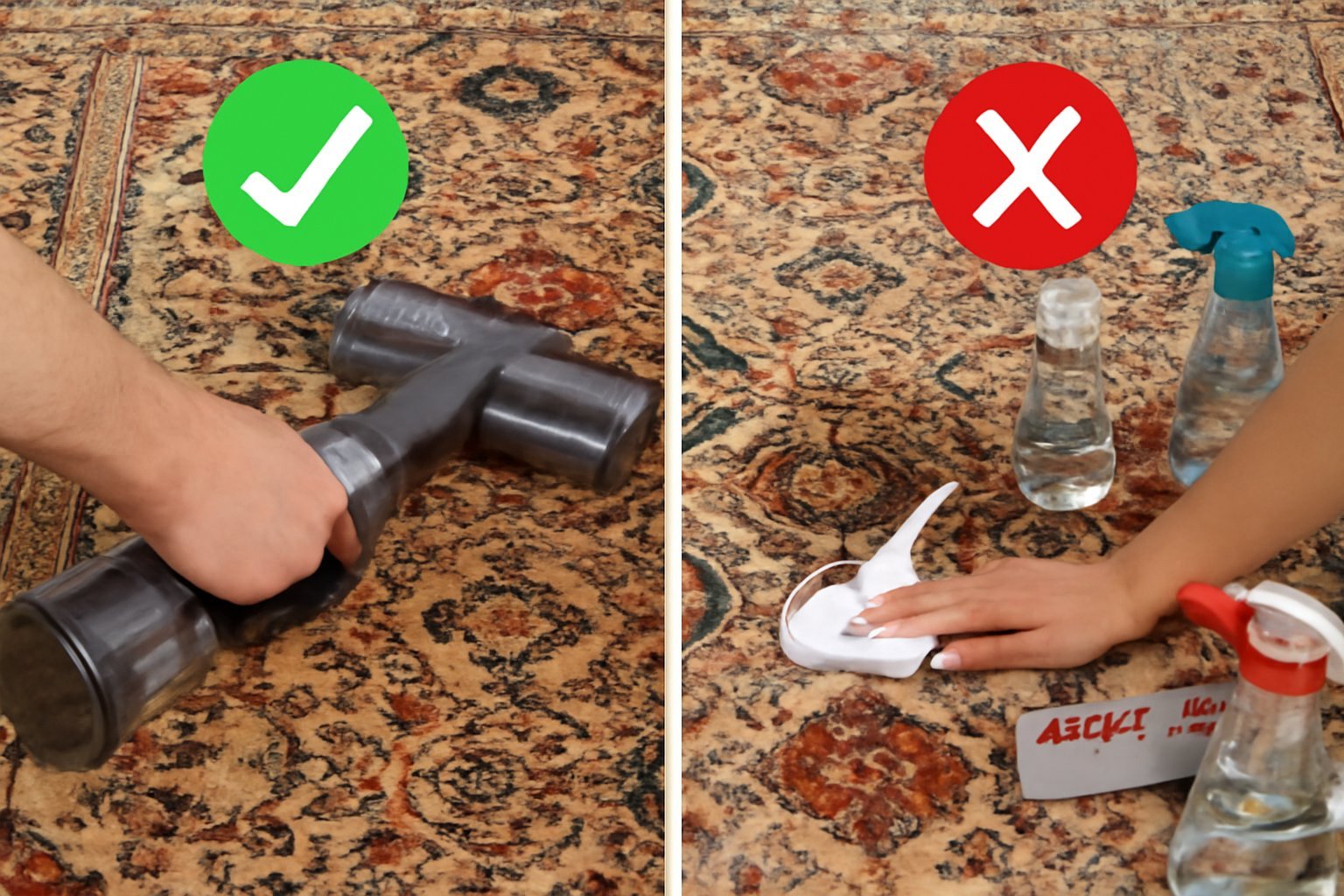
- Vacuum fabric cushions to remove debris.
- Use mild soap for spot cleaning spills.
Repairing Wear And Tear
Even well-maintained chairs need repairs sometimes. Address small issues before they become big problems.
Consider these steps for basic repairs:
- Tighten loose screws on the chair frame.
- Replace worn-out cushion covers.
- Fix squeaky parts with lubricant.
Extending Chair Lifespan
Prolong your chair's life by using it properly and ensuring regular upkeep. Simple actions can make your chair last longer.
| Action | Benefit |
| Rotate cushions | Even wear and tear |
| Avoid direct sunlight | Prevents fabric fading |
| Use armrest covers | Protects from stains |

Credit: www.brookfieldresidential.com
:max_bytes(150000):strip_icc()/CarinaSkrobeckiPhoto_JessicaNelsonDesign_252222ndAve_01-47bc103d13e34f8d89179a86e968e7eb-5b0a8608f5c64a999203309e3fd0af57.jpg)
Credit: www.thespruce.com
Frequently Asked Questions
What Materials Are Best For A Living Room Chair?
The best materials include hardwood for frames and durable fabrics like cotton or leather for upholstery. These ensure comfort, longevity, and style.
How Do I Choose The Right Chair Size?
Measure your living room space and consider chair dimensions. Ensure enough room for movement and complement existing furniture.
What Tools Are Needed To Make A Living Room Chair?
Essential tools include a saw, drill, screwdriver, measuring tape, and upholstery tools. These help build and finish the chair properly.
How Long Does It Take To Build A Living Room Chair?
Building a chair typically takes 1-3 days, depending on skill level and design complexity. Proper planning speeds up the process.
Conclusion
Making your own living room chair brings joy and pride. It saves money and lets you choose the style you want. The steps are simple: plan, gather materials, build, and finish. Each part you create adds to your skills and confidence.
Your chair will be unique, just like your home. Enjoy the process and the comfort of your handmade chair. Try this project and see how rewarding it feels.