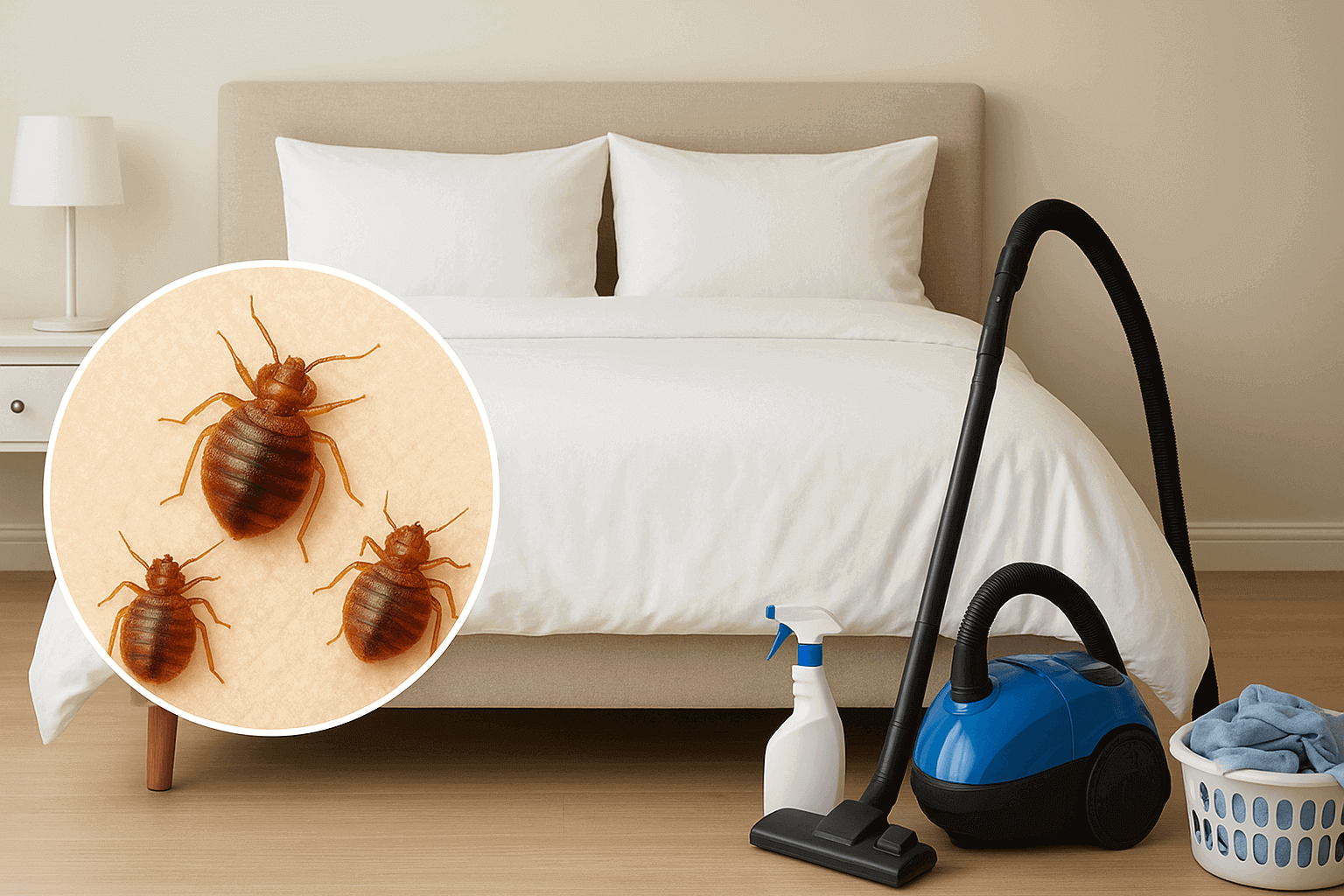
Are you tired of waking up with itchy bites and restless nights? Bed bugs in your bedroom can turn your safe space into a nightmare.
But don’t worry—you’re not alone, and you can take back control. You’ll discover simple, effective steps to kill bed bugs and keep them from coming back. Imagine sleeping peacefully again, knowing your bedroom is bug-free. Keep reading to learn exactly what you need to do to make that happen.
Identify Bed Bug Infestation
Bed bugs are tiny insects that hide in bedrooms. They feed on human blood at night. Knowing how to spot them helps stop their spread fast.
Finding signs early makes it easier to remove bed bugs. Look carefully in your bedroom for clues.
Common Signs Of Bed Bugs
Bed bugs leave marks and other signs that tell you they are there. Check your skin and bedding for these clues.
- Small red bites on your skin, often in lines or clusters
- Dark or rusty spots of bed bug waste on sheets and mattresses
- Thin, pale skins shed by bed bugs as they grow
- A sweet, musty smell near their hiding places
Where Bed Bugs Hide
Bed bugs hide in tight, dark spaces close to where people sleep. They stay hidden during the day and come out at night.
| Common Hiding Spot | Description |
|---|---|
| Mattress seams and folds | Bed bugs hide in the fabric folds and seams of mattresses and box springs. |
| Bed frames and headboards | Cracks and joints in bed frames and headboards are favorite hiding spots. |
| Behind wallpaper and picture frames | They squeeze into cracks behind wallpaper and frames on walls near the bed. |
| Electrical outlets and appliances | Bed bugs can hide inside outlets and behind plugged-in devices. |
| Furniture cracks and crevices | Look inside drawers, couches, and chairs for bed bug hiding places. |
Prepare Your Bedroom
Getting your bedroom ready is important to kill bed bugs. You must clear the space and clean well. This helps remove bugs and their eggs.
Follow these steps to prepare your bedroom for bed bug treatment. A clean room makes the process easier and more effective.
Declutter And Clean
Remove all clutter from your bedroom. Bed bugs hide in piles of clothes, books, and toys. Clearing clutter lets you clean every corner.
Vacuum floors, carpets, and furniture carefully. Pay special attention to seams and cracks. Dispose of vacuum bags outside to avoid spreading bugs.
- Pick up clothes, papers, and other items from the floor
- Use a vacuum with a hose to reach cracks and edges
- Wipe down furniture with a damp cloth
- Seal or throw away vacuum bags after cleaning
Launder Bedding And Clothing
Wash all bedding, curtains, and clothes in hot water. Heat kills bed bugs and their eggs. Dry items on high heat for at least 30 minutes.
Put clean items in sealed bags until the treatment finishes. This stops new bugs from getting on your things.
- Use the hottest water safe for each fabric
- Dry on the highest heat setting available
- Seal clean laundry in plastic bags
- Do not bring untreated items back into the room
Use Heat Treatment
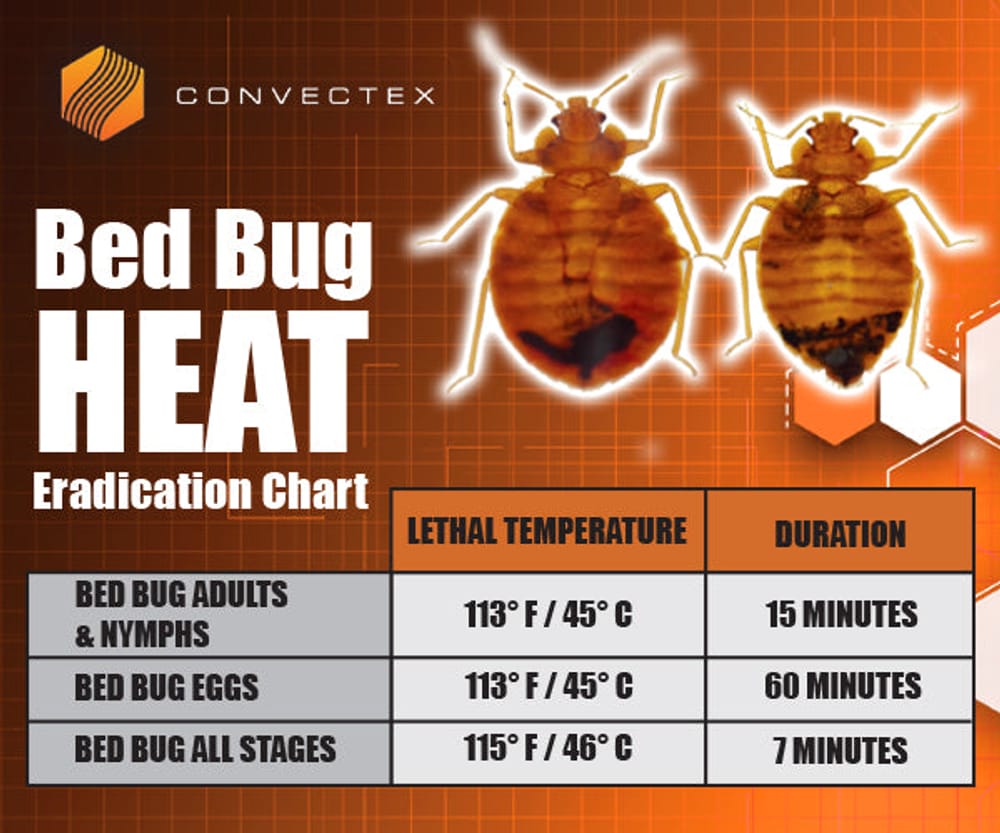
Heat treatment is a safe way to kill bed bugs in your bedroom. Bed bugs cannot survive high temperatures. Using heat can remove bugs and their eggs fast.
This method works without chemicals. It helps keep your home free from poisons. Heat treatment can reach hidden bugs in cracks and fabrics.
How Heat Kills Bed Bugs
Bed bugs die when exposed to heat above 120°F (49°C) for at least 20 minutes. Heat damages their bodies and eggs. This stops them from multiplying.
- Heat causes bed bugs to lose water and dry out.
- High temperatures destroy their nervous system.
- Eggs cannot hatch after being heated properly.
- Heat penetrates fabric and cracks where bugs hide.
- It works on all life stages of bed bugs.
Diy Heat Methods
You can use heat at home to kill bed bugs. Some tools and tricks help raise temperatures safely. Always watch the heat level to protect your items.
| Method | Description | Temperature Needed | Time Required |
| Clothes Dryer | Dry infested clothes and bedding on high heat | 130°F (54°C) | 30 minutes |
| Steam Cleaner | Use steam on mattresses, furniture, and cracks | Above 200°F (93°C) | Apply slowly over surfaces |
| Portable Heat Chamber | Place small items inside a heated box or bag | 120°F (49°C) or higher | At least 30 minutes |
| Room Heating | Use heaters to raise room temperature | 135°F (57°C) | Several hours |
These methods help you kill bed bugs without chemicals. Use a thermometer to check heat levels. Repeat treatments if you still see bugs.
Apply Chemical Treatments
Bed bugs can be stubborn and hard to eliminate. Chemical treatments are effective in removing them from your bedroom. It's crucial to use the right chemicals safely.
These treatments target bed bugs directly and can help manage infestations quickly. Proper application ensures safety for you and your family.
Choosing The Right Insecticides
Not all insecticides work on bed bugs. Choose products labeled specifically for bed bugs. They should have proven effectiveness.
Read labels carefully to understand their usage. Look for active ingredients like pyrethroids or neonicotinoids.
- Check for EPA registration
- Ensure product is suitable for indoor use
- Consider insecticide resistance in your area
Safe Application Tips
Safety is important when using chemicals. Always follow the instructions on the label. Wear protective gear like gloves and masks.
Ensure proper ventilation in the room during application. Keep children and pets away from treated areas until they are safe.
- Do not overuse insecticides
- Store chemicals out of reach
- Dispose of empty containers correctly
Natural Remedies To Try
Bed bugs can be hard to remove from your bedroom. Natural remedies offer safe ways to fight them. These options reduce chemicals in your home.
Using natural treatments regularly helps keep bed bugs away. You can try essential oils and diatomaceous earth. Both work well against these pests.
Essential Oils And Sprays
Essential oils like tea tree, lavender, and peppermint repel bed bugs. You can mix them with water to make a spray. Spray this on bed frames, mattresses, and cracks.
These oils have strong scents that bed bugs dislike. Using sprays regularly helps keep the bugs away. Make sure to test the spray on small areas first.
- Mix 10 drops of essential oil with one cup of water
- Pour into a spray bottle and shake well
- Spray on bed frames, furniture, and baseboards
- Repeat every few days for best results
Diatomaceous Earth Benefits
Diatomaceous earth is a natural powder made from fossilized algae. It kills bed bugs by damaging their outer layer. This causes them to dry out and die.
You can sprinkle diatomaceous earth around your bedroom. Focus on cracks, mattress seams, and under furniture. It is safe for humans but deadly for bed bugs.
- Use food-grade diatomaceous earth for safety
- Apply a thin layer in infested areas
- Leave it for a few days before vacuuming
- Repeat the process until bugs are gone
Seal And Protect Your Bedroom
Bed bugs can be a nuisance in your bedroom. To keep them away, it's important to seal and protect your sleeping area.
Follow these steps to ensure your bedroom is a safe haven, free from bed bugs.
Cover Mattresses And Pillows
Using mattress and pillow encasements can stop bed bugs from hiding in your bedding.
- Choose encasements that are bed bug proof.
- Ensure the covers are tightly zipped.
- Regularly inspect for any tears or holes.
Seal Cracks And Crevices
Bed bugs can hide in small cracks and crevices in your room. Sealing these openings is crucial to prevent infestations.
| Area | Sealing Material |
| Baseboards | Caulk |
| Window frames | Weather stripping |
| Door frames | Foam sealant |
Monitor And Repeat Treatments
Bed bugs are tough pests to remove completely. You need to check your bedroom regularly after treatment. Monitoring helps you catch any new bugs early.
Repeating treatments ensures all bed bugs and their eggs are gone. One treatment may not be enough to kill them all.
Regular Inspection
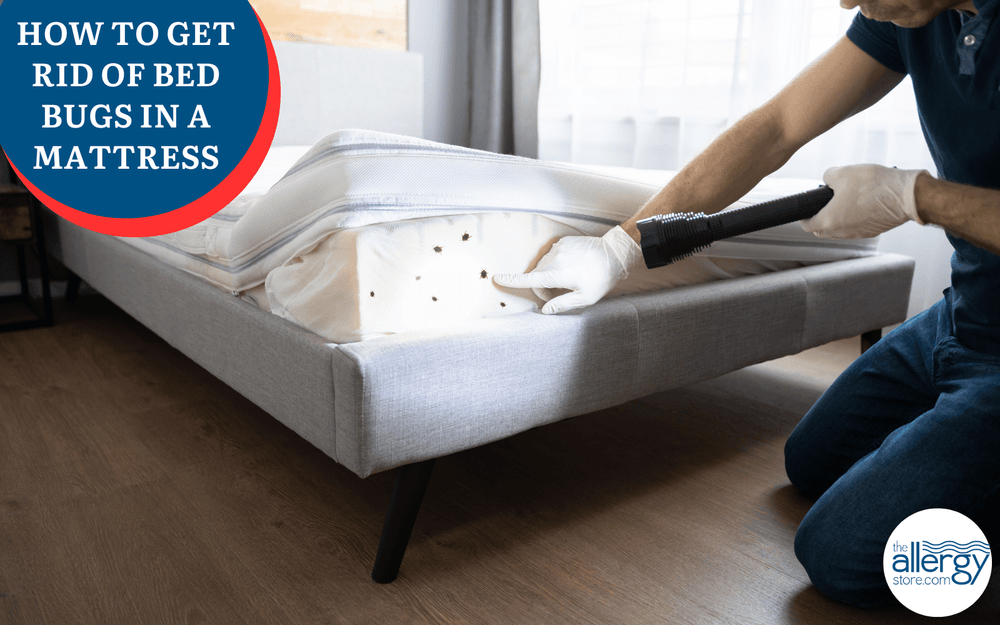
Inspect your bedroom every few days after treatment. Focus on mattress seams, bed frames, and furniture cracks. Use a flashlight to spot bugs or tiny dark spots.
- Check bedding and mattress edges closely
- Look behind headboards and baseboards
- Inspect furniture joints and cushions
- Use sticky traps to monitor bug activity
- Wash and dry bedding on high heat weekly
When To Call Professionals
If bed bugs keep coming back after several treatments, call a pest control expert. Professionals have stronger tools and knowledge to handle infestations.
| Signs to Call Professionals | Reason |
| Repeated bites and bug sightings | Infestation is not under control |
| Large bed bug population | Too many bugs for DIY methods |
| Allergy or skin reactions | Health risk from bed bug bites |
| Failed previous treatments | Need expert pest control methods |

Frequently Asked Questions
How Can I Identify Bed Bugs In My Bedroom?
Look for small, reddish-brown bugs about 4-5 mm long. Check mattress seams, bed frames, and furniture cracks. You might also find tiny dark spots, which are bed bug droppings or shed skins.
What Are The Most Effective Methods To Kill Bed Bugs?
Use a combination of heat treatment, insecticides, and thorough cleaning. Washing bedding in hot water and vacuuming regularly helps. Professional pest control services often provide the best results.
Can Bed Bugs Survive Without Feeding For Long?
Yes, bed bugs can survive several months without feeding. They hide in cracks and crevices during this time. This makes treatment challenging and requires persistent efforts.
Is It Safe To Use Diy Bed Bug Sprays In Bedrooms?
Some DIY sprays can help but may not eliminate all bed bugs. Use EPA-approved insecticides carefully and follow instructions. For severe infestations, professional treatment is safer and more effective.
Conclusion
Killing bed bugs in your bedroom takes patience and care. Start by cleaning and vacuuming all areas well. Use trusted treatments and follow instructions closely. Check your bed and furniture often for signs of bugs. Keep your room dry and clutter-free to stop them returning.
Act quickly to prevent a bigger problem. A clean, bug-free bedroom helps you sleep better. Stay consistent and don’t give up. Small steps make a big difference.