
Getting your kids to stay in their bedroom at bedtime can feel like a constant battle. You want them to rest well, but they keep wandering out, making bedtime longer and more stressful.
What if there was a simple way to make bedtime smoother for both you and your child? You’ll discover easy, practical tips that actually work to keep your kids in their bedroom when it’s time to sleep. Imagine peaceful nights and mornings when everyone wakes up feeling refreshed.
Keep reading, and you’ll find out how to turn that into your reality.
Create A Cozy Sleep Space
Helping kids stay in their bedroom at bedtime starts with making their space cozy. A calm and comfortable room invites them to relax and sleep.
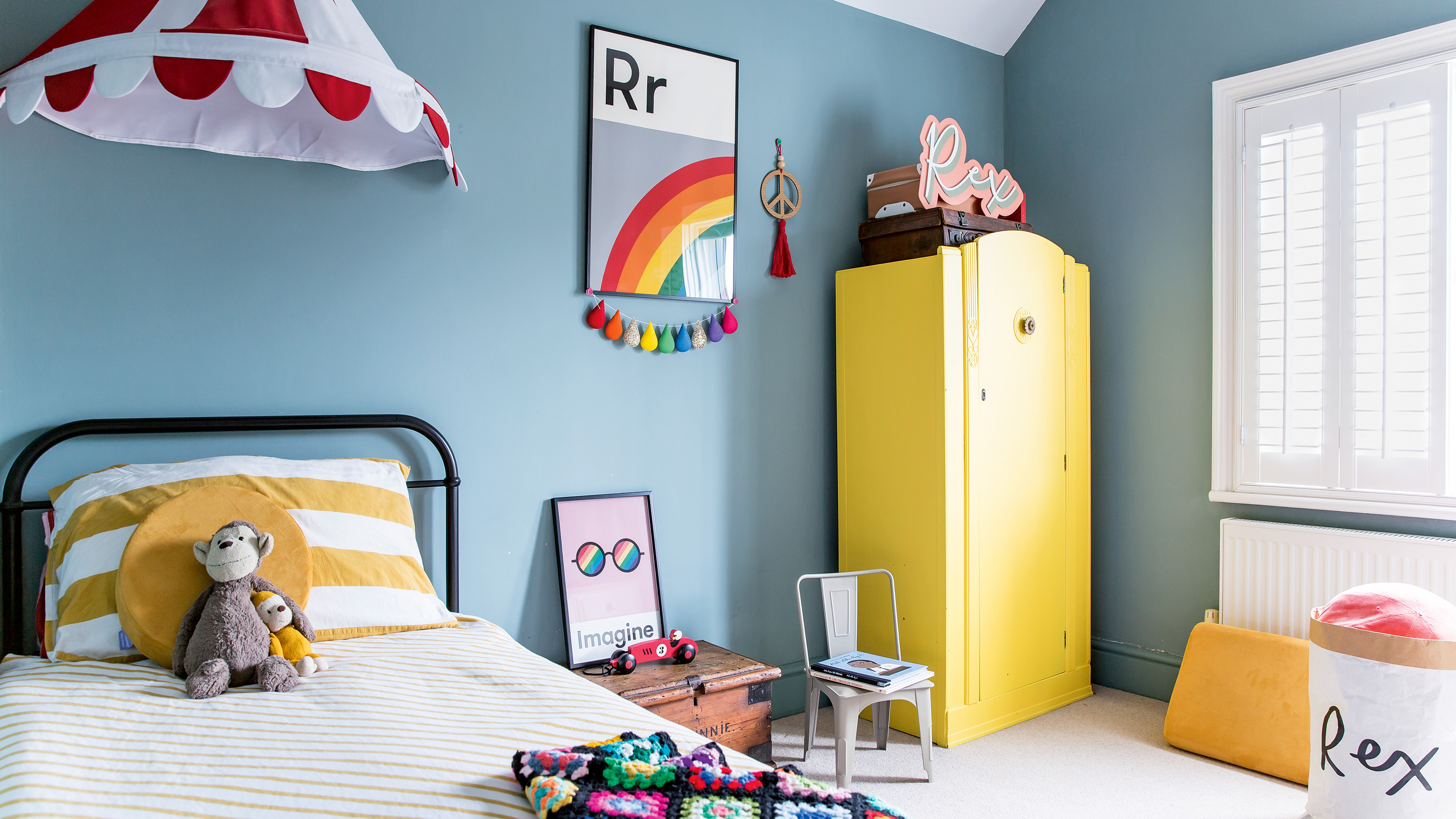
Simple changes in bedding, decor, and lighting can make a big difference. Focus on creating a place your child loves to be.
Choose Comfortable Bedding
Soft sheets and blankets make a bed feel welcoming. Pick bedding made from gentle fabrics like cotton that feel nice on the skin.
Use pillows that support your child’s head and body. A cozy bed helps kids feel safe and want to stay in their room.
Personalize With Favorite Items
Let children add their favorite toys or stuffed animals to their bed. These familiar items bring comfort and reduce fear or anxiety.
Use decorations or wall art that your child likes. Personal touches make the bedroom feel like a special, safe place.
Control Room Lighting And Noise
Keep the room dim or use a soft nightlight. Bright lights can make it hard for kids to relax and fall asleep.
Reduce noise by using a white noise machine or soft music. Quiet sounds help block out distractions and soothe your child.

Establish A Consistent Routine
Keeping kids in their bedroom at bedtime can be easier with a steady routine. A consistent schedule helps children feel safe and know what to expect.
Parents can create habits that make bedtime calm and predictable. This helps kids settle down and stay in their room until they fall asleep.
Set A Fixed Bedtime
Choose a bedtime that works every night. Going to bed at the same time helps kids’ bodies get used to sleeping.
Make bedtime early enough so kids get enough rest. Avoid changing the time often to keep their internal clock steady.
Include Calming Pre-bed Activities
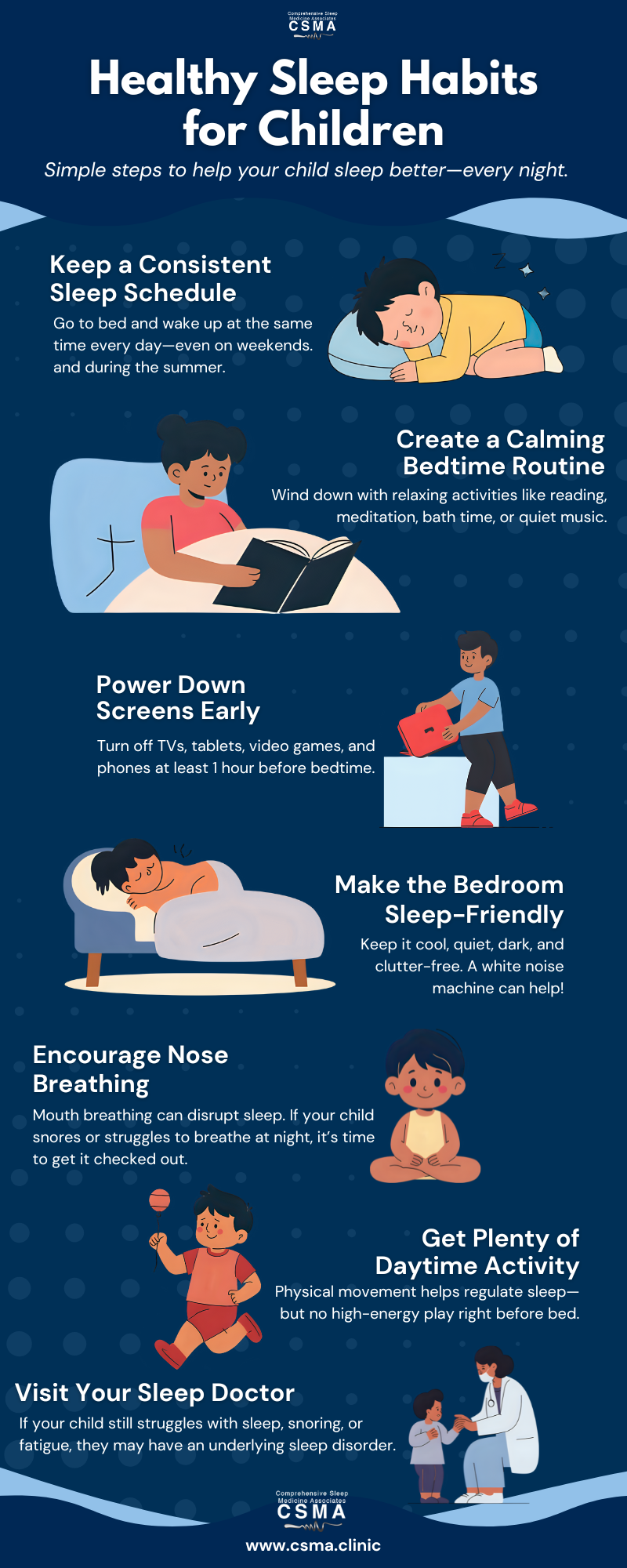
Do quiet activities before bed to help kids relax. Reading a book or listening to soft music can calm their minds.
Try to avoid active play right before bedtime. Gentle routines signal that it is time to sleep soon.
- Read a short story together
- Listen to soft lullabies
- Practice deep breathing or gentle stretches
Limit Screen Time Before Sleep
Turn off TVs, tablets, and phones at least 30 minutes before bed. Screens can keep kids awake by making their brains active.
Use this time to switch to calm activities. This helps children’s eyes rest and their minds prepare for sleep.
Set Clear Boundaries
Keeping kids in their bedroom at bedtime can be tough. Setting clear boundaries helps children understand rules.
Clear limits create a calm and safe space for kids to rest and sleep well.
Explain Bedtime Expectations
Tell your child what you expect at bedtime. Use simple words to explain when and why they must stay in their room.
Make sure they understand the rules before lights out. Repeat the rules often so they remember them.
- Stay in bed after lights out
- Use a quiet voice if you need help
- Sleep time is for rest and calm
Use Positive Reinforcement
Praise your child when they follow bedtime rules. Positive feedback encourages good habits and cooperation.
Give small rewards for staying in their room all night. This can be stickers or extra story time.
- Say “Great job staying in bed!”
- Offer a morning reward for good behavior
- Celebrate small successes to build routine
Handle Nighttime Requests Calmly
When your child asks for things at night, stay calm. Respond with a gentle and clear answer.
Set limits on requests like drinks or bathroom trips. Avoid long talks that wake them more.
- Answer with short, kind replies
- Encourage self-soothing and quiet
- Return your child to bed calmly and firmly
Address Common Sleep Disruptions
Many kids find it hard to stay in their bedroom at bedtime. Sleep disruptions make it tough for parents too.
Understanding the reasons behind these problems helps parents create better bedtime routines.
Manage Nightmares And Fears
Nightmares can scare children and wake them up at night. Talking about their fears calmly can help them feel safe.
- Use a nightlight to reduce darkness
- Read calming stories before bed
- Comfort your child if they wake up scared
- Explain that nightmares are not real
Deal With Bathroom Visits
Bathroom needs can cause kids to leave their bedroom. Prepare them to handle this without disrupting sleep.
| Tip | How it Helps |
| Limit fluids before bed | Reduces bathroom trips |
| Use a nightlight in the hallway | Keeps the path safe and less scary |
| Place a potty chair in the room | Makes bathroom visits quicker |
Handle Separation Anxiety
Separation anxiety causes kids to want parents nearby at night. This can stop them from staying in their bedroom.
Try these ways to ease separation anxiety:
- Set a clear bedtime routine with hugs and goodnight words.
- Give your child a special toy or blanket for comfort.
- Stay calm and patient if your child asks for you.
- Gradually spend less time in the room as they feel safe.
Involve Kids In The Process
Getting kids to stay in their bedroom at bedtime can be easier if they feel part of the routine. Involve them in small decisions about their night routine. This helps them feel responsible and more willing to follow bedtime rules.
Letting kids make choices can give them a sense of control. It also makes bedtime feel less like a chore and more like a fun activity they look forward to.
Let Them Choose Pajamas
Allow your child to pick their pajamas each night. This small choice can make bedtime more special. Kids enjoy wearing pajamas they like, which makes them eager to go to bed.
Create A Bedtime Chart Together
Make a bedtime chart with your child. This chart can show all the steps they need to do before sleeping. The chart helps kids understand what is expected of them.
- Put on pajamas
- Brush teeth
- Read a book
- Turn off lights
- Stay in bed
Encourage Responsibility For Sleep
Teach your child to take charge of their sleep habits. Use a simple table to track their bedtime and wake-up time. This helps them see their progress and builds good habits.
| Day | Bedtime | Wake-up Time |
| Monday | 8:00 PM | 7:00 AM |
| Tuesday | 8:00 PM | 7:00 AM |
| Wednesday | 8:00 PM | 7:00 AM |
| Thursday | 8:00 PM | 7:00 AM |
| Friday | 8:30 PM | 7:30 AM |
Use Gentle Sleep Training Techniques
Helping kids stay in their bedroom at bedtime can be challenging. Using gentle sleep training techniques can make this easier for both parents and children.
These methods focus on creating a calm and reassuring environment, making bedtime a peaceful experience.
Gradual Withdrawal Method
The gradual withdrawal method involves slowly reducing your presence in the child's bedroom over time. This helps them feel more comfortable and secure when falling asleep alone.
- Start by sitting next to their bed until they fall asleep.
- Move your chair further away each night.
- Eventually, sit outside the bedroom door.
Comfort And Reassurance Strategies
Providing comfort and reassurance helps children feel safe at bedtime. You can use these strategies to ease their anxiety.
- Read a short story to create a calming routine.
- Use a nightlight to keep the room softly lit.
- Offer a favorite stuffed animal for security.
Consistency In Approach
Consistency is key to successful sleep training. By keeping a regular routine, children know what to expect each night.
| Time | Activity |
| 7:00 PM | Bath time |
| 7:30 PM | Story reading |
| 8:00 PM | Lights out |
Monitor Daytime Habits
Keeping kids in their bedroom at bedtime can be challenging. Daytime habits impact nighttime routines. Let's explore how to manage these habits.
Focusing on physical activity, nutrition, and avoiding late caffeine or sugar can help. These habits help children settle down at bedtime.
Ensure Adequate Physical Activity
Kids need to be active during the day. Physical activity helps them use energy. This makes it easier for them to fall asleep at night.
Plan outdoor play or sports for your child. Aim for at least one hour of activity. This supports better sleep patterns.
Maintain Balanced Nutrition
A balanced diet helps kids sleep well. Meals should include fruits, vegetables, and whole grains. These foods provide energy and support growth.
Avoid heavy meals close to bedtime. Keep dinner light and healthy. This helps children feel comfortable and ready for sleep.
Avoid Late Caffeine And Sugar
Caffeine and sugar can keep kids awake. Avoid giving them these after mid-afternoon. Check labels on drinks and snacks for hidden caffeine.
Encourage water or milk instead. Healthy snacks like fruit or yogurt are better choices. These help kids wind down before bedtime.
- No soda or energy drinks after lunch
- Choose water or herbal tea
- Limit sugary snacks in the evening
Frequently Asked Questions
How Can I Make Bedtime More Appealing For Kids?
Create a calming bedtime routine with stories and soft lighting. Use a favorite blanket or toy to comfort your child. Consistency helps kids associate their bedroom with relaxation and sleep.
What Are Effective Ways To Prevent Kids From Leaving Their Room?
Set clear bedtime rules and consequences. Use positive reinforcement when they stay in bed. Consider a nightlight or white noise to make the room inviting and secure.
How Does A Bedtime Routine Help Keep Kids In Their Bedroom?
A routine signals it's time to sleep, reducing resistance. It creates a predictable environment, making kids feel safe. Regular schedules improve overall sleep quality and cooperation.
Can Technology Help In Keeping Kids In Their Bedroom?
Yes, using calming apps or white noise machines can soothe kids. Avoid screens before bedtime as they can disrupt sleep. Technology should support, not replace, a healthy bedtime routine.
Conclusion
Keeping kids in their bedroom at bedtime takes patience and clear rules. Set a calm routine and stick to it every night. Make their room cozy and inviting for sleep. Use gentle reminders and stay consistent with your approach. Remember, kids learn by example and routine.
This helps build good habits over time. Small steps lead to better sleep and happier mornings. A peaceful bedtime benefits the whole family. Keep trying, and soon bedtime will be easier for everyone.