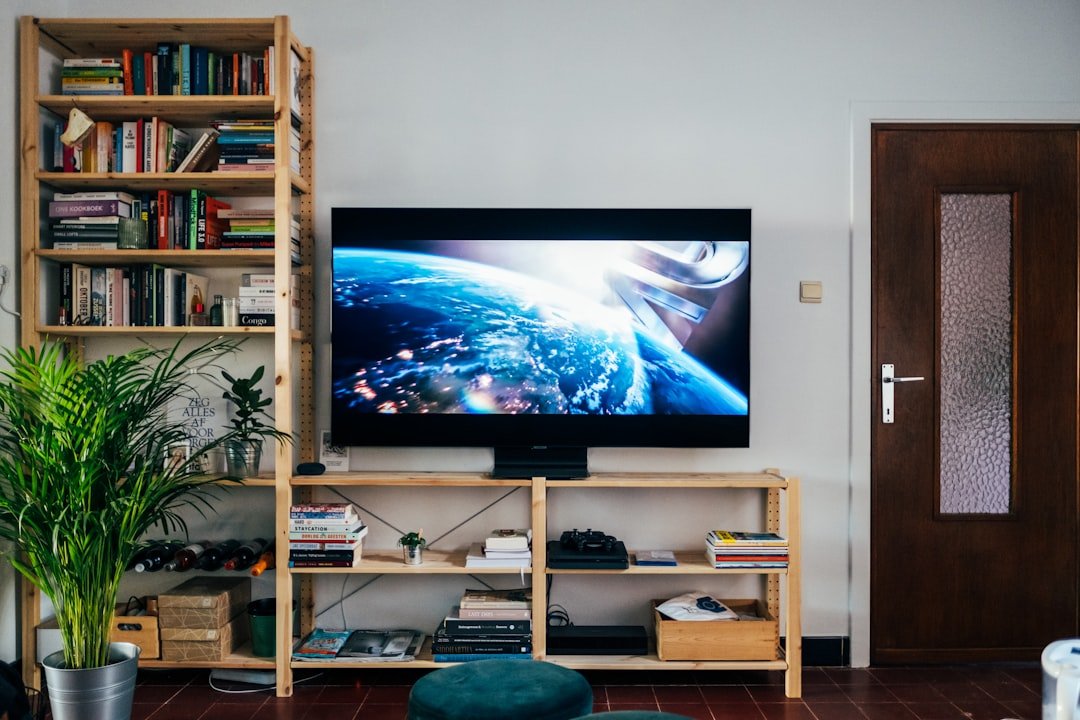
You love the clean look of your wall-mounted speakers, but those visible wires are driving you crazy. They spoil the sleek design and make your space look cluttered.
What if you could hide those wires easily and keep your room looking sharp? In this post, you’ll discover simple and effective ways to conceal your speaker wires without spending a fortune or hiring a pro. Ready to transform your setup and enjoy a neat, stylish space?
Keep reading—your eyes (and your guests) will thank you.

Credit: www.familyhandyman.com
Choosing The Right Speaker Wire
Hiding speaker wires on a wall mount looks cleaner and protects the wires. Picking the right speaker wire helps keep sound quality high. It also makes installation easier and safer.
Choosing good wire means understanding the types available and the right size for your setup. This guide explains the main points to consider.
Types Of Speaker Wire
Speaker wires come in different materials and designs. Copper is the most common because it carries sound signals well. Some wires have a coating that protects against damage.
There are also wires with thicker insulation for hiding inside walls. These wires meet safety rules to prevent fire risks. Choose wire made for your installation style.
- Copper wire: good conductor, most common
- Oxygen-free copper: higher purity, better sound
- Insulated wire: protects from damage and shorts
- CL2 or CL3 rated wire: safe for wall installation
Length And Gauge Considerations
Wire length affects sound quality and installation ease. Longer wires need thicker gauges to reduce signal loss. Measure the distance before buying wire.
Gauge means the thickness of the wire. Lower numbers mean thicker wire. Thicker wire carries signals better over long distances and supports more power.
| Distance | Recommended Wire Gauge |
|---|---|
| Up to 25 feet | 16 or 18 gauge |
| 25 to 50 feet | 14 or 16 gauge |
| 50 to 100 feet | 12 or 14 gauge |
Credit: www.ebay.ca
Planning Wire Routes
Hiding speaker wires on a wall mount starts with good planning. You need to decide where the wires will go before you begin.
Careful planning helps keep wires neat and out of sight. It also prevents damage to your walls and wires.
Assessing Wall Structure
Check what type of wall you have. Walls can be drywall, plaster, or concrete. Each type needs a different approach.
Look inside the wall if you can. Find studs, pipes, or electrical wires. Avoid these when running speaker wires.
- Use a stud finder to locate studs
- Be aware of electrical wiring locations
- Note any plumbing pipes in the wall
Measuring Distances
Measure the distance from the speaker to the wall mount point. Add extra length for bends and turns.
Accurate measurements help avoid too short or too long wires. This keeps your setup clean and safe.
- Measure from the speaker to the TV or receiver
- Include space for corners and turns
- Add about 10% extra length for safety
Avoiding Obstacles
Plan wire routes to avoid obstacles like vents, switches, and outlets. These can block your wires or cause damage.
Clear paths make installation easier and keep wires hidden. Use cable clips or channels if needed to guide wires safely.
- Check for vents and air ducts
- Avoid electrical outlets and switches
- Keep wires away from heat sources
Using Cable Management Channels
Hiding speaker wires on a wall mount keeps your space clean and safe. Cable management channels are an easy way to do this. They cover wires and blend with your wall.
This guide helps you select the right channels, install them well, and paint for a smooth look.
Selecting Cable Channels
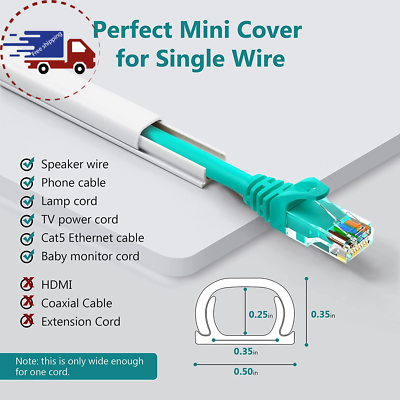
Choose cable channels that fit your wire size and wall type. Look for durable materials like plastic or metal. Make sure the channel is wide enough to hold all wires without crowding.
- Measure the total thickness of your speaker wires
- Pick channels with extra space for easy wire placement
- Check if channels can be painted to match your wall
- Consider channels with adhesive backing or screw mounts
Installation Tips
Prepare the wall by cleaning the surface. Use a level to keep channels straight. Attach the channels firmly so wires stay hidden and secure.
- Clean the wall with a damp cloth and let it dry
- Mark the path for the cable channel using a pencil
- Use a level to ensure the marks are straight
- Peel off adhesive backing or drill holes for screws
- Press the channel firmly against the wall or screw it in place
- Insert speaker wires inside the channel and snap the cover on
Painting For Seamless Look
Painting cable channels helps them blend into your wall. Use matching paint and apply carefully to avoid drips or uneven color.
| Painting Tip | Details |
|---|---|
| Use Primer | Apply primer if the channel surface is glossy or plastic |
| Choose Matching Paint | Use the same color and finish as your wall paint |
| Apply Thin Coats | Use thin layers of paint to prevent dripping |
| Dry Between Coats | Let each coat dry fully before applying the next |
Concealing Wires With Baseboards And Molding
Speaker wires can look messy and distract from your room’s style. Hiding them along baseboards and molding keeps your walls neat. This method protects wires and makes your setup look clean.
Using baseboards or molding to hide wires is simple and effective. You can choose different types of molding that fit your room’s design. This guide explains the best molding types and how to install them.
Types Of Molding Suitable For Wires
Not all molding works well to hide speaker wires. Some have enough space to hold wires safely, while others do not. Here are common molding types that fit speaker wires behind them.
- Baseboard Molding:Wide and thick, perfect for hiding wires along the floor.
- Crown Molding:Usually near the ceiling; some designs have hollow space for wires.
- Chair Rail Molding:Installed mid-wall, it can hide wires running horizontally.
- Wire Moldings:Specially designed for cables, they come with channels to hold wires.
- Picture Rail Molding:Narrow but can be modified to hide thin wires.
Installation Techniques
Hiding wires behind molding needs careful steps to keep wires safe and walls clean. Use these tips to install molding that hides wires well.
| Step | Action | Tip |
| 1 | Measure the wire path along the wall. | Make sure the molding length matches wire length. |
| 2 | Choose molding with enough space for wires. | Pick wire moldings or thick baseboards. |
| 3 | Cut channels or grooves if needed. | Use a router or saw carefully to avoid wall damage. |
| 4 | Attach molding to the wall using nails or adhesive. | Secure it tightly but without cracking the molding. |
| 5 | Place wires inside the molding channel. | Keep wires flat to avoid bulges. |
| 6 | Seal edges with paint or caulk for a smooth look. | Match paint color to the molding or wall. |
In-wall Wiring Solutions
Hiding speaker wires on a wall mount keeps your space clean. In-wall wiring hides cables inside the wall for a neat look.
This method protects wires and prevents tripping hazards. It also improves the room’s appearance by removing visible cables.
Safety Precautions
Turn off power before starting to avoid shocks. Use a voltage tester to check for live wires inside walls.
Wear safety goggles and gloves to protect your eyes and hands. Avoid cutting into pipes or electrical wiring when drilling.
Tools And Materials Needed
- Stud finder
- Voltage tester
- Drywall saw or keyhole saw
- Fish tape or wire puller
- In-wall rated speaker wire
- Wall plates with cable openings
- Screwdriver
- Measuring tape
- Level
- Protective gear (gloves and goggles)
Step-by-step Installation
- Locate wall studs using a stud finder and mark their edges.
- Turn off power and test for live wires inside the wall.
- Measure and mark where the wall plates will be installed.
- Cut holes in drywall at marked locations using a drywall saw.
- Use fish tape to pull speaker wires through the wall from one hole to another.
- Connect speaker wires to speakers and receiver outside the wall.
- Secure wall plates over the holes to cover the wiring.
- Check the speaker system to ensure proper connection and sound.
| Step | Tip |
| Locate studs | Mark edges, avoid drilling into studs |
| Cut drywall | Cut slowly to avoid damage |
| Pull wires | Use lubricant if wires get stuck |
| Install plates | Use wall plates designed for speaker cables |
Using Wire Clips And Adhesive Hooks
Hiding speaker wires can make your space look neat. Wire clips and adhesive hooks are useful tools. They help keep wires organized and out of sight.
By using these tools, you can achieve a clean and tidy look. This guide will help you choose and place wire clips and hooks effectively.
Choosing The Right Clips
Selecting the correct wire clips is important for a secure hold. Consider the wire size and the clip’s grip strength.
- Check the wire thickness before buying clips.
- Ensure clips can hold the weight of the wire.
- Look for clips with strong adhesive backing.
Placement Tips
Proper placement of clips and hooks is crucial. It ensures wires stay hidden and do not droop or pull away from the wall.
| Tip | Description |
| Spacing | Place clips every 12 inches for stability. |
| Angle | Position clips at slight angles to follow the wire path. |
| Alignment | Keep clips in a straight line for a tidy look. |
Maintaining Clean Lines
Maintaining clean lines helps in achieving a seamless appearance. Regularly check your setup to ensure wires remain hidden.
With these tips, you can keep your speaker wires neatly hidden using wire clips and adhesive hooks.
Hiding Wires Behind Furniture And Decor
Speaker wires can be unsightly when left exposed. Hiding them behind furniture and decor is a simple solution. It keeps your space tidy and stylish.
Using creative placement, you can balance looks and function. Let's explore some practical ways to achieve this.
Creative Placement Ideas
Furniture and decor can naturally conceal wires. This keeps them out of sight and mind.
- Place speakers near bookshelves. Run wires behind books or objects.
- Use large potted plants to hide wires along baseboards.
- Arrange furniture to cover wires along walls.
Balancing Aesthetics And Accessibility
Hiding wires shouldn't make them hard to access. Balance aesthetics with easy access for maintenance or changes.
| Method | Benefits |
| Bookshelves | Easy access and decorative |
| Potted Plants | Natural look, versatile placement |
| Furniture Arrangement | Simple, adjustable |
Wireless Alternatives
Hiding speaker wires can be hard when you mount speakers on the wall. Wireless alternatives help keep your space clean. They remove the need for cables running along the wall.
Wireless speakers use Bluetooth or Wi-Fi to connect to your devices. This means you can place speakers anywhere without worrying about wires.
Pros And Cons
Wireless speakers offer many benefits but also have some downsides. It is good to know both sides before choosing one.
- Pros:
- No visible wires for a cleaner look
- Easy to move and place anywhere
- Works well with smart home devices
- Simple setup with most devices
- Cons:
- Need to charge or replace batteries
- Sometimes lower sound quality than wired
- Possible connection interruptions
- More expensive than wired systems
Best Wireless Speaker Systems
Many wireless speaker systems work well for wall mounting. Choose one that fits your room size and sound needs.
- Sonos One: Great sound and easy to use
- Bose SoundLink Revolve: Portable and clear audio
- Amazon Echo Studio: Smart features and good bass
- JBL Flip 6: Durable and good for small rooms
- Google Nest Audio: Works well with Google Assistant
Maintenance And Troubleshooting
Hiding speaker wires on a wall mount keeps your space neat. Regular maintenance helps your system work well for a long time.
Troubleshooting common issues early stops bigger problems. Check wires and signals to keep sound clear and strong.
Checking Wire Integrity
Inspect wires often for damage or loose connections. Damaged wires can cause poor sound or no sound at all.
Look for cuts, frays, or exposed copper. Make sure wires stay firmly connected to the speaker and receiver.
- Turn off the system before checking wires
- Remove wires gently from terminals
- Replace any wire with visible damage
- Secure connections tightly to avoid signal loss
Dealing With Signal Interference
Signal interference can cause crackling or weak sound. Keep speaker wires away from power cables and wireless devices.
Use shielded cables to reduce noise. Check if the problem reduces when moving wires or devices apart.
- Separate speaker wires from power cords by several inches
- Avoid running wires near routers or microwaves
- Use cable clips to organize and separate wires
- Try shielded or twisted-pair speaker cables

Credit: www.amazon.ca
Frequently Asked Questions
How Can I Hide Speaker Wires On A Wall Mount?
Use cable raceways or cord covers to conceal wires along the wall. Paint them to match the wall color for a clean look. Alternatively, run wires inside the wall with in-wall cable kits for a seamless finish.
What Tools Are Needed To Hide Speaker Wires Properly?
You will need a stud finder, drill, cable raceways or in-wall kits, screws, and a screwdriver. Also, use a level to ensure straight wire routing and a measuring tape to plan the wire path accurately.
Is It Safe To Run Speaker Wires Inside The Wall?
Yes, if you use CL2 or CL3 rated speaker wires designed for in-wall installation. These wires meet fire safety standards and prevent electrical hazards. Always follow local building codes for safety compliance.
Can I Paint Over Cable Covers On The Wall?
Yes, cable covers are paintable and can blend with the wall color. Use latex or acrylic paint and apply thin coats for a smooth finish. This helps maintain the room’s aesthetic while hiding wires effectively.
Conclusion
Hiding speaker wires makes your space look neat and tidy. It also protects wires from damage and tripping hazards. Using simple tools and materials can help you hide wires easily. Choose the method that fits your wall type and style.
Keeping wires out of sight improves your room’s overall look. Try these tips to enjoy a cleaner, safer setup today.