If you’ve ever wanted to make your steel stronger, harder, or just more durable, heat treating is the secret skill you need. Imagine being able to improve your tools, knives, or metal projects right at home without expensive equipment or a professional shop.
This guide will show you exactly how to heat treat steel safely and effectively, using simple steps anyone can follow. Whether you’re a hobbyist or just curious, mastering this process will give you control over your metalwork like never before.
Ready to unlock the power of heat treating? Keep reading to learn how you can transform your steel today.
Choosing The Right Steel
Heat treating steel changes its hardness and strength. Choosing the right steel is important for good results. Some steels work better with heat treatment than others.
Knowing the type and grade of steel helps you prepare and treat it correctly. This guide explains how to pick the right steel at home.
Types Suitable For Heat Treating
Not all steel types react well to heat treatment. Carbon and alloy steels are best for this process. They change hardness and strength when heated and cooled properly.
- Low carbon steel (mild steel) – limited hardening ability
- Medium carbon steel – good for heat treating
- High carbon steel – best for hardening and tempering
- Alloy steel – contains other elements to improve properties
- Stainless steel – some types can be heat treated
Identifying Steel Grades At Home
Finding the steel grade helps you decide the right heat treatment method. You can identify steel by appearance, markings, or simple tests at home.
| Method | Description | What to Look For |
| Visual Inspection | Check surface and color | Bright, shiny surface; markings with numbers or letters |
| Spark Test | Grind steel and observe sparks | Long sparks with forked ends indicate high carbon |
| Magnet Test | Use a magnet on steel | Most steels are magnetic; stainless may not be |
| Hardness Test | Use file or hardness tester | Hard steels resist file scratching |
Essential Tools And Materials
Heat treating steel at home requires the right tools and materials. These help you control temperature and keep safe.
Knowing what to prepare before you start makes the process easier and safer.
Heat Sources You Can Use
You need a heat source that can reach high temperatures for steel. Common options include a propane torch, a charcoal forge, or an electric kiln.
- Propane torch: easy to use and portable
- Charcoal forge: traditional and affordable
- Electric kiln: precise temperature control
- Wood-fired forge: requires skill to maintain heat
Protective Gear And Safety Supplies
Safety is very important. Always wear the right gear to protect yourself from heat and sparks.
| Gear | Purpose |
| Heat-resistant gloves | Protect hands from burns |
| Safety goggles | Shield eyes from sparks and debris |
| Long-sleeve shirt and pants | Protect skin from heat and sparks |
| Closed-toe shoes | Protect feet from hot materials |
| Fire extinguisher | Handle any accidental fires |
Preparing Steel For Heat Treatment
Heat treating steel at home requires proper preparation. This ensures the steel achieves the desired properties. Follow these steps to prepare your steel efficiently.
Begin by cleaning and shaping the steel. Then, mark the zones for heat treatment. This guide will help you with these essential steps.
Cleaning And Shaping
Cleaning the steel removes impurities that can affect the heat treatment. Shaping is crucial for achieving the desired final product.
- Use a wire brush to remove rust and dirt.
- Wash the steel with soapy water to clean the surface.
- Dry it completely to prevent moisture during heating.
- Shape the steel using a grinder or file.
- Smooth edges to avoid stress points.
Marking Heat Treatment Zones
Marking the heat treatment zones helps you focus on specific areas. This ensures an even treatment and avoids unnecessary heating.
Draw lines with a chalk or marker to indicate zones.
Ensure marks are visible during the heating process.
Consider using a template for complex shapes.

Credit: www.reliance-foundry.com
Heating Process Explained
Heat treating steel at home needs careful control of temperature. It changes the metal's hardness and strength.
Understanding the heating process helps get the best results. You need to heat steel evenly and reach the right temperature.
Achieving The Right Temperature
Steel must reach a specific temperature for heat treatment. This temperature depends on the type of steel.
- Use a reliable thermometer or temperature gauge.
- Heat the steel slowly to avoid cracks.
- Keep the steel at the target temperature for the needed time.
- Avoid overheating, which can damage the steel.
Heating Techniques For Even Results
Even heating prevents weak spots in the steel. Use methods that spread heat uniformly.
| Technique | Description | Tip |
|---|---|---|
| Oven Heating | Use a kiln or heat-treating oven for steady heat. | Preheat oven to avoid sudden temperature changes. |
| Forge Heating | Heat steel in a forge or charcoal fire. | Move steel often to heat all sides evenly. |
| Salt Bath | Dip steel in hot molten salt for uniform heat. | Use protective gear and proper containers. |
Quenching Methods At Home
Quenching is a key step in heat treating steel. It cools the metal quickly to harden it. Doing this at home needs care and the right tools.
Choosing the right quenching method affects the steel's strength and toughness. This guide covers how to pick your quenching medium and how to do it properly.
Choosing The Quenching Medium
The quenching medium is the liquid or material used to cool the hot steel. Different media cool steel at different speeds. This changes the metal's hardness and risk of cracking.
- Water:Cools very fast. Use if you want very hard steel but risk warping.
- Oil:Slower than water. It reduces cracking and is good for most steels.
- Brine (salt water):Cools faster than water. Use with caution due to corrosion risk.
- Air:Slowest cooling. Good for steels that need less hardness and less stress.
Proper Quenching Techniques
Use the right steps to quench steel safely and well. Poor technique can damage your metal or cause injury.
| Technique | How to Do It | Why It Matters |
| Heat Steel Evenly | Use a consistent heat source. Avoid hot spots. | Prevents uneven hardening and cracking. |
| Use Proper Safety Gear | Wear gloves and goggles. | Protects you from burns and splashes. |
| Fully Submerge Steel | Put the entire piece into the quenching medium quickly. | Ensures even cooling and proper hardness. |
| Avoid Stirring Immediately | Let the steel cool without moving it too soon. | Prevents stress and cracking. |
| Clean Steel After Quenching | Wipe off residue and dry the steel. | Stops rust and keeps the metal strong. |
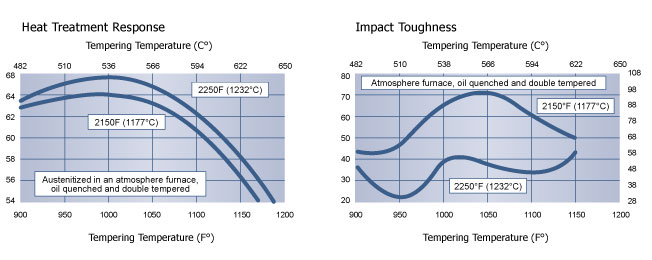
Tempering Steel After Quenching
Tempering steel after quenching is key to making it strong and less brittle. It helps improve the steel's toughness and durability.
This process involves heating the steel to a lower temperature after it cools quickly from quenching. It changes the steel's internal structure to reduce stress.
Why Tempering Matters
Quenched steel is very hard but also very brittle. Tempering reduces this brittleness while keeping much of the hardness. It balances strength and flexibility.
- Relieves internal stresses caused by rapid cooling
- Improves toughness and impact resistance
- Prevents cracks and breaks during use
- Enhances the steel’s ability to hold an edge
- Controls the final hardness level
Simple Tempering Methods
You can temper steel at home with basic tools. The key is controlling the temperature and heating time carefully.
| Temperature | Effect on Steel |
| 200°C (390°F) | Hard but less brittle |
| 300°C (570°F) | Better toughness, less hardness |
| 400°C (750°F) | More flexible, softer edge |
| 500°C (930°F) | Soft and very tough |
Common tempering tools include an oven, a heat gun, or a simple metal container with hot sand. Use a timer to avoid overheating.
Testing And Inspecting Your Steel
After heat treating steel at home, testing and inspection are crucial. These steps ensure the steel has the right hardness and no hidden problems.
Proper testing helps you know if the steel is ready for your project. It also prevents future failures or damage.
Checking Hardness
Hardness shows how strong and wear-resistant your steel is. You can test it with simple tools at home.
- Use a file to scratch the steel surface.
- If the file slides easily, the steel is soft.
- If the file skids or only leaves marks, the steel is harder.
- Try a Rockwell or Brinell hardness tester for precise results.
- Compare results to the steel type and desired hardness.
Identifying Common Issues
Look for signs of problems after heat treatment. These issues affect steel quality and performance.
| Issue | Cause | Effect |
| Cracks | Too fast cooling or uneven heat | Steel breaks easily |
| Warping | Uneven heating or cooling | Shape changes and fits poorly |
| Soft spots | Insufficient heating or quenching | Weak areas prone to wear |
| Brittleness | Overheating or too fast cooling | Steel becomes fragile and breaks |

Credit: www.reliance-foundry.com
Troubleshooting Heat Treatment Problems
Heat treating steel at home can be challenging. Problems like cracks or warping may occur. Understanding common issues helps improve results.
This guide covers key problems and solutions. Learn how to avoid and fix common mistakes during heat treatment.
Avoiding Cracks And Warping
Cracks and warping affect steel quality. To prevent them, follow these guidelines.
- Ensure even heating to avoid thermal shock.
- Use gradual cooling to reduce stress on the steel.
- Check steel composition for compatibility with heat treatment.
Fixing Common Mistakes
Common mistakes can ruin heat treatment. Identifying errors early helps correct them.
| Mistake | Solution |
| Uneven heating | Use a controlled environment like a kiln. |
| Overheating | Monitor temperature with a reliable thermometer. |
| Incorrect cooling | Follow recommended cooling rates for your steel type. |
Credit: hudsontoolsteel.com
Frequently Asked Questions
What Tools Do I Need To Heat Treat Steel At Home?
You need a heat source like a propane torch or kiln, a metal container, and safety gear. A temperature gauge helps control heat precisely. Proper tools ensure even heating and safe handling during the heat treatment process.
How Hot Should Steel Be For Heat Treatment?
Steel typically needs to reach between 1,450°F and 1,650°F for heat treatment. The exact temperature depends on the steel type and desired hardness. Accurate temperature control prevents overheating or underheating, ensuring optimal steel properties.
How Long Does Heat Treating Steel Take?
Heat treatment duration varies from 30 minutes to several hours. It depends on steel size, type, and desired hardness. Longer heating allows thorough temperature penetration, improving steel strength and durability.
Can I Heat Treat Any Type Of Steel At Home?
Most carbon and alloy steels can be heat treated at home. However, stainless steel and tool steels may require professional equipment. Research your steel type to ensure safe and effective heat treatment.
Conclusion
Heat treating steel at home takes practice and care. Follow safety steps to avoid accidents. Use the right tools for best results. Watch your steel closely during the process. Each step changes steel’s strength and hardness. Small mistakes can affect the final outcome.
Keep learning and experimenting to improve skills. Enjoy creating stronger, better steel pieces yourself.