Hanging paintings on your wall might seem simple, but getting it just right can change the entire look of your room. You want your art to stand out, but also blend perfectly with your space.
If you’ve ever worried about crooked frames, holes in the wrong spots, or damaging your walls, you’re not alone. This guide will give you easy, step-by-step tips to hang your paintings confidently and beautifully. By the end, you’ll know exactly how to make your walls come alive with art—without the stress or guesswork.
Keep reading to discover the secrets that make your paintings shine.
Choosing The Right Spot
Hanging paintings in the right place makes your room look better. It also helps you enjoy the art more.
Think about the space, lighting, and where people will see the painting best.
Consider Wall Space And Lighting
Look for a wall that has enough space for your painting. The wall should not be too crowded with other items.
Good lighting helps show the colors and details of the painting. Natural light or soft room lighting works well.
- Choose a wall with enough empty space
- Avoid walls with too many decorations
- Use natural or soft light to highlight the painting
- Check for shadows that may hide the art
Find Eye-level Placement
Hang the painting at eye level for most people. This usually means the center of the painting is about 57 to 60 inches from the floor.
This height lets viewers see the painting comfortably without looking up or down too much.
- Measure about 57 to 60 inches from the floor
- Place the middle of the painting at this height
- Adjust if your room has low or high ceilings
Avoid Direct Sunlight And Humidity
Direct sunlight can fade colors and damage the painting over time. Avoid hanging art where sun hits it all day.
Humidity can cause paint and frames to warp or peel. Keep paintings away from bathrooms, kitchens, or damp areas.
- Do not hang paintings in direct sunlight
- Avoid walls near showers, sinks, or kitchens
- Use a dehumidifier if the room is damp
- Consider UV-protective glass for extra protection

Credit: thecopperwolf.com
Gathering Necessary Tools
Hanging paintings on your wall is easier when you have the right tools. Getting them ready first saves time and effort.
This guide covers the essential tools you need before starting to hang your artwork.
Select Appropriate Hooks And Nails
Choose hooks and nails that can hold the weight of your painting. Using the wrong size can cause damage to your wall or art.
- Light paintings need small hooks and nails.
- Heavy paintings require strong, large hooks.
- Consider wall type—drywall or brick—when picking nails.
Use Measuring Tape And Level
Measuring tape helps place your painting in the right spot. A level ensures it hangs straight and looks good.
| Tool | Purpose |
| Measuring Tape | Measure wall space and painting size |
| Level | Check if painting is horizontal |
Prepare Hammer And Pencil
A hammer helps you fix nails into the wall. Use a pencil to mark where to place hooks before nailing.
- Check that hammer handle feels comfortable.
- Use a sharp pencil for clear marks.
- Mark lightly to avoid visible spots on wall.
Preparing The Painting
Before you hang a painting, you need to get it ready. Proper preparation helps the painting stay safe and hang well.
Check the painting’s hardware and add any needed parts. This makes sure it will hang straight and strong on the wall.
Check The Hanging Hardware
Look at the back of your painting. See if it already has hooks, wires, or rings for hanging.
If the hardware is old, loose, or missing, it can cause the painting to fall. Make sure everything is tight and secure.
- Check if nails or screws hold the hardware firmly
- Look for rust or damage on hooks or rings
- Make sure the hardware is strong enough for the painting’s weight
Add D-rings Or Wire If Needed
If your painting has no hardware or it is not strong, add D-rings or hanging wire. These tools help hang the painting safely.
D-rings attach to the sides of the frame. Hanging wire connects between two D-rings. Wire allows easy adjustment when hanging.
- Use screws to attach D-rings about one-third from top of frame
- Cut a piece of wire longer than frame width
- Thread wire through D-rings and twist ends tightly
- Make sure wire is taut but not too tight
Measuring And Marking
Hanging paintings requires precise measurement and marking on the wall. This helps in achieving a balanced and aesthetic display.
Follow these simple steps to ensure your artwork is displayed perfectly.
Determine Center Point
Finding the center point of your wall is essential. It ensures your painting is placed right at the focal point.
- Measure the width of the wall.
- Divide the width by two to find the center.
- Use a pencil to lightly mark this spot.
Mark Wall For Hooks
Once you know where the center is, marking for hooks becomes easier. Proper placement of hooks is vital for balance.
| Painting Width | Hook Distance from Center |
| 24 inches | 12 inches |
| 36 inches | 18 inches |
| 48 inches | 24 inches |
Double-check Measurements
Before you start drilling, it's important to double-check your measurements. This avoids mistakes and ensures precision.
Installing Hooks Or Nails
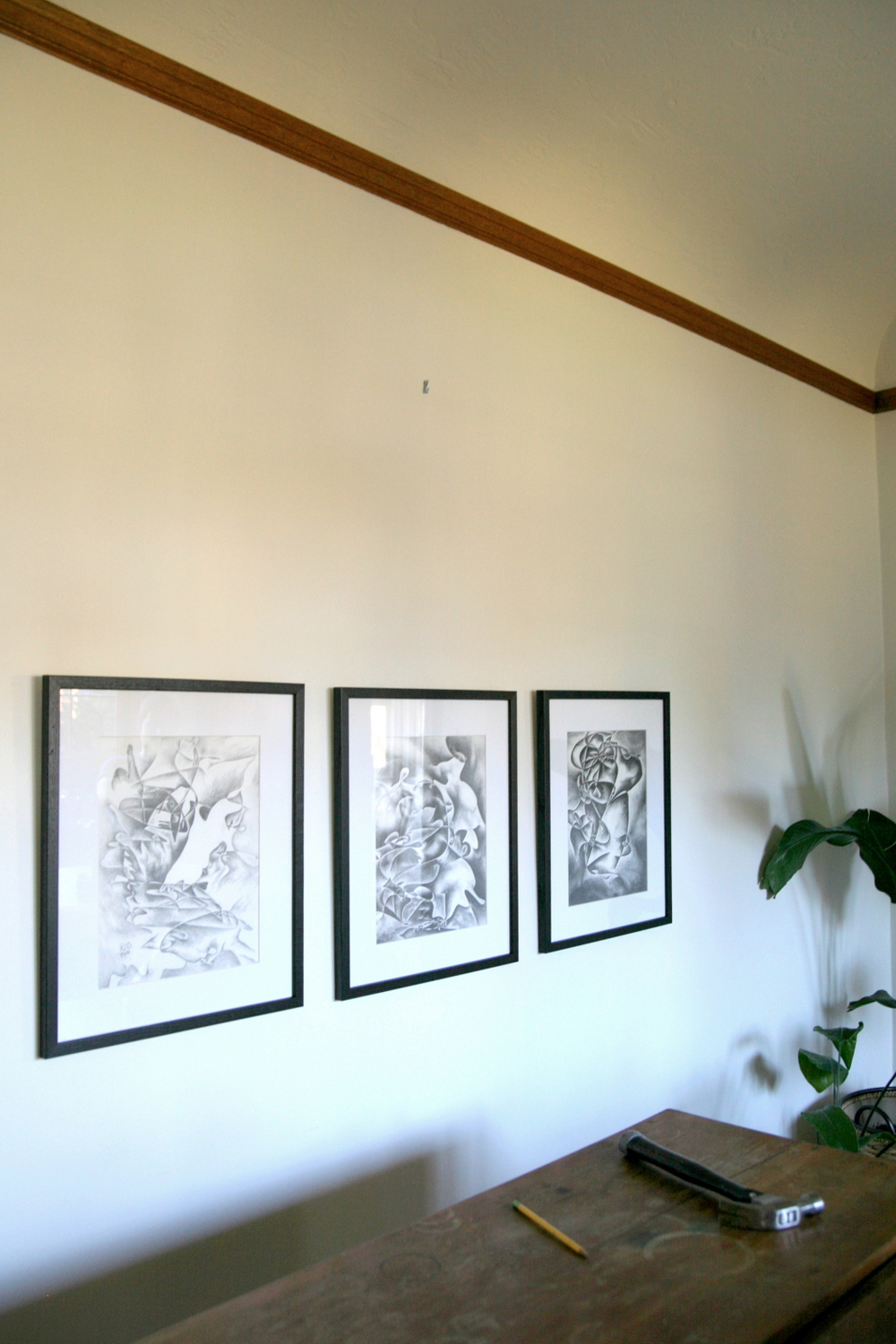
Hanging paintings needs the right tools and techniques. Hooks and nails hold your art safely on walls.
Choosing the right method depends on the painting's weight and wall type. Use hooks or nails carefully for best results.
Use Wall Anchors For Heavy Pieces
Heavy paintings need strong support to avoid falling. Wall anchors help hold the weight securely in drywall or plaster.
- Choose anchors rated for your painting's weight
- Drill a hole matching the anchor size
- Insert the anchor firmly into the wall
- Place the hook or screw into the anchor
- Hang the painting carefully and check stability
Insert Hooks At Correct Angle
Insert hooks or nails at an angle to hold paintings better. This angle prevents slipping and ensures stability.
| Angle | Reason |
| 45 degrees upward | Hooks hold weight firmly |
| Straight in | Less secure, may slip |
| 45 degrees downward | Can loosen under weight |
Credit: www.create-enjoy.com
Hanging The Painting
Hanging a painting correctly helps it look great and stay safe. You need to place it carefully and check its position.
This guide shows how to lift and place paintings on hooks and adjust them for levelness.
Lift And Place On Hooks
Hold the painting firmly with both hands. Lift it up to the wall and align the hooks on the back with the wall hooks. Gently place the painting so the hooks catch securely.
- Check that the hooks on the wall are strong and fixed well.
- Keep the painting close to the wall while lifting.
- Use a step stool if needed to reach higher hooks safely.
- Ensure the painting hangs evenly on both hooks before letting go.
Adjust For Levelness
After hanging, use a level tool to check if the painting is straight. Small shifts can fix any tilt.
| Adjustment Action | How to Do It |
| Tilt to the Left | Lift the right side slightly and move it up |
| Tilt to the Right | Lift the left side slightly and move it up |
| Lower on One Side | Adjust the hook on that side or add a wall pad |
| Level | Confirm with level tool and make small changes |
Arranging Multiple Paintings
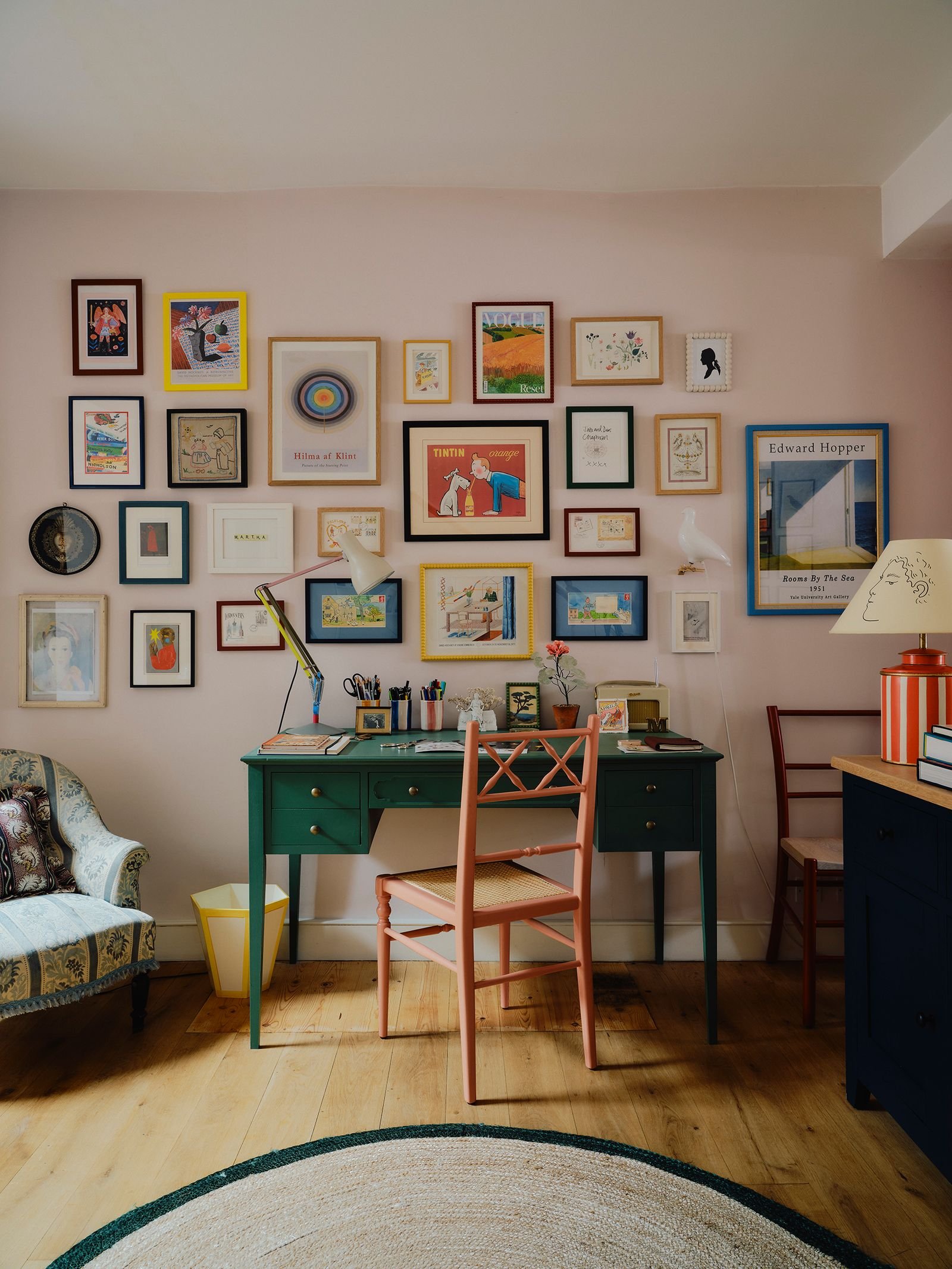
Hanging multiple paintings can transform a room. It adds personality and style to your space.
With the right arrangement, your artwork can become a focal point. Let's explore some tips to get it right.
Create A Balanced Layout
A balanced layout helps your paintings look harmonious. You want each piece to complement the others.
- Choose a central piece to anchor your arrangement.
- Place larger paintings in the middle or at the bottom.
- Balance colors and frames for visual cohesion.
Maintain Consistent Spacing
Consistent spacing between paintings keeps the display neat. It avoids a cluttered appearance.
| Painting Size | Recommended Spacing |
| Small | 2 inches |
| Medium | 3 inches |
| Large | 4 inches |
Use a ruler or measuring tape to ensure even spacing. This attention to detail makes a big difference.

Credit: thecopperwolf.com
Tips For Damage-free Hanging
Hanging paintings can add style and personality to any room. It is important to hang them without damaging your walls.
Use the right tools and methods to protect your walls and keep your paintings secure. These tips help you do it safely and easily.
Use Removable Hooks
Removable hooks are a great choice for hanging paintings without leaving marks. They stick to the wall and can be taken off cleanly.
- Choose hooks that hold the weight of your painting.
- Clean the wall surface before applying the hook.
- Press the hook firmly to ensure it sticks well.
- Remove hooks slowly to avoid peeling paint.
Protect Walls With Felt Pads
Felt pads prevent scratches and dents on your walls from the painting frame. Place them where the frame touches the wall.
| Type of Felt Pad | Use |
| Round Felt Pads | For corners and edges of the frame |
| Strip Felt Pads | Along the sides of the frame |
| Heavy-Duty Felt Pads | For large or heavy paintings |
Frequently Asked Questions
How Do I Choose The Right Wall For Hanging Paintings?
Select a wall with good visibility and enough space. Avoid direct sunlight to prevent fading. Consider the wall’s texture and color for contrast.
What Tools Do I Need To Hang Paintings Properly?
You’ll need a hammer, nails or screws, a level, measuring tape, and picture hangers. Use a stud finder for heavy pieces.
How High Should I Hang Paintings On A Wall?
Hang paintings at eye level, typically 57-60 inches from the floor to the center. This creates a balanced and natural viewing experience.
Can I Hang Paintings On Drywall Without Studs?
Yes, use drywall anchors or picture hangers designed for drywall. They provide strong support without damaging the wall.
Conclusion
Hanging paintings on your wall can change a room’s feel instantly. Choose the right spot and tools for the best result. Measure carefully and use strong hooks to keep artwork safe. Take your time to align and balance the pieces nicely.
Enjoy the personal touch that art brings to your home. Small efforts can make your space look warm and inviting. Try different layouts until you find what fits you best. Art on walls tells your story without words.