Are you looking to add a touch of green to your space without much hassle? Growing lucky bamboo at home is easier than you think, and it brings a fresh, calming vibe to any room.
Imagine having a plant that not only looks great but is also said to bring good fortune and positive energy. In this guide, you’ll discover simple steps to help your lucky bamboo thrive, whether you’re a seasoned plant lover or just starting out.
Keep reading, and soon you’ll enjoy the beauty and benefits of your very own lucky bamboo.
Choosing The Right Lucky Bamboo
Growing lucky bamboo at home starts with picking the right plant. Choosing healthy stalks and good varieties helps your bamboo thrive indoors.
Knowing what to look for makes caring for your lucky bamboo easier and more successful.
Selecting Healthy Stalks
Look for stalks that are bright green and firm. Avoid stalks with yellow or brown spots. Healthy leaves should be vibrant and free of damage.
Choose stalks with thick bases and no signs of mold or rot. This ensures strong growth and a long life for your plant.
- Bright green, firm stalks
- Vibrant, undamaged leaves
- Thick, sturdy stalk bases
- No yellowing or browning spots
- Free from mold or rot signs
Ideal Varieties For Home
Some varieties of lucky bamboo grow better indoors. Choose types that stay small and adapt well to low light.
Popular varieties include the straight stalk, spiral, and braided types. Each adds a unique look to your space.
- Straight stalk:Classic and easy to care for
- Spiral stalk:Twisted shape adds style
- Braided stalk:Multiple stalks woven together
- Fan-shaped stalk:Leaves spread like a fan
Best Containers For Growth
Lucky bamboo grows well in many types of containers. The right container helps the plant stay healthy. It affects water, roots, and light.
Choosing the best container for lucky bamboo is important. It keeps the plant happy and growing strong.
Types Of Containers
Lucky bamboo can grow in glass, ceramic, or plastic containers. Each type has its benefits for growth and care.
- Glass containers:Clear and stylish. They show the roots and water level. Good for water growth.
- Ceramic pots:Heavy and stable. They keep roots cool but need drainage holes.
- Plastic pots:Lightweight and affordable. They hold soil well and often come with drainage.
- Vases:Tall and narrow. Perfect for water growth and easy to clean.
Drainage And Water Levels
Good drainage stops root rot in lucky bamboo. Containers should let excess water escape or allow water growth with regular changes.
Water levels must stay right. Too much water can drown roots. Too little water will dry them out.
- For soil containers, use pots with drainage holes.
- Water containers need clean water changed every 1-2 weeks.
- Keep water level high enough to cover roots but not stems.
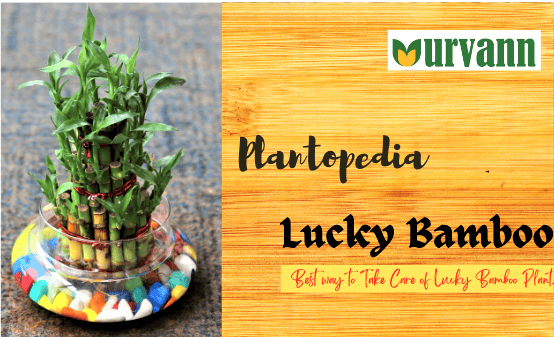
- Use pebbles or marbles in water containers to support stems.
Watering Techniques
Growing lucky bamboo at home needs careful watering. Proper water care helps it stay healthy and green.
This guide explains how to use the right water and keep water levels correct for your plant.
Using Tap Vs. Filtered Water
Tap water often contains chemicals like chlorine and fluoride. These can harm lucky bamboo over time.
Filtered water removes many chemicals and is safer for your plant. It helps lucky bamboo grow well.
- Use filtered or distilled water when possible.
- If using tap water, let it sit for 24 hours before use to reduce chlorine.
- Check water temperature; lukewarm water is best for the plant.
Maintaining Proper Water Levels
Lucky bamboo needs the right amount of water to avoid root rot or dryness. Keep the water level steady.
| Water Level | Effect on Plant |
| Too Low | Roots dry out, plant wilts |
| Just Right | Roots stay moist, plant thrives |
| Too High | Roots rot, plant suffers |
Change water every two weeks. Clean the container to stop algae growth. Always keep the roots covered with water.
Lighting Conditions
Growing lucky bamboo at home is easy with the right light. This plant thrives in specific lighting conditions.
Understanding the best light for your lucky bamboo is key for its healthy growth.
Preferred Light Intensity
Lucky bamboo prefers bright, indirect light. This mimics its natural environment.
- Place it near a window with filtered light.
- Avoid placing it in complete darkness.
- Rotate the plant for even light exposure.
Avoiding Direct Sunlight
Direct sunlight can harm lucky bamboo leaves. It can cause them to turn yellow and dry out.
Consider using sheer curtains to diffuse harsh sunlight. This simple setup can protect your plant.
| Light Condition | Effect on Plant |
| Bright, Indirect Light | Healthy Growth |
| Direct Sunlight | Leaf Burn |
| Low Light | Slow Growth |
Soil And Fertilizing Tips
Lucky bamboo is easy to grow at home. It can thrive with simple care and attention. You can use soil or pebbles as a base.
Fertilizing is also key to healthy growth. Let's explore the best methods for each.
When To Use Soil Or Pebbles
Lucky bamboo can grow in soil or pebbles. Each option has benefits. Choose based on your preference and environment.
Soil provides more nutrients. Pebbles are great for decorative purposes. Think about your plant's needs.
- Use soil for more nutrients and stability.
- Choose pebbles for a modern look.
- Both options need regular watering.
Fertilizer Types And Schedules
Fertilizing lucky bamboo is simple. Use a liquid fertilizer designed for houseplants. Apply it sparingly to avoid damage.
Fertilize every two to three months. This schedule keeps your plant healthy and green. Less is more with lucky bamboo.
- Use liquid fertilizer for best results.
- Apply every two to three months.
- Avoid over-fertilizing to prevent harm.

Temperature And Humidity Needs
Lucky bamboo thrives best in certain temperature and humidity conditions. Keeping these in balance helps the plant grow healthy and strong.
Pay attention to your indoor environment. This will keep your lucky bamboo happy and prevent stress on the plant.
Ideal Temperature Range
Lucky bamboo prefers a warm temperature. It grows well between 65°F and 90°F (18°C to 32°C). Avoid placing it where temperatures drop below 50°F (10°C).
- Keep the plant away from cold drafts and air conditioners.
- Avoid direct sunlight that can raise temperature too much.
- Maintain stable room temperature for best growth.
Managing Indoor Humidity
Lucky bamboo needs moderate to high humidity to stay healthy. Dry air can cause the leaves to brown and wilt.
| Humidity Level | Effect on Lucky Bamboo |
| Below 40% | Leaves may dry and turn brown |
| 40% to 60% | Good for steady growth |
| Above 60% | Best for lush, green leaves |
Use a humidifier or place the plant on a tray with water and pebbles to raise humidity. Mist the leaves with water regularly but avoid soaking the stems.
Pruning And Shaping
Pruning and shaping lucky bamboo helps keep it healthy and attractive. Regular trimming controls its size and form. It also encourages new growth and prevents crowding.
Understanding how to trim and shape your lucky bamboo will improve its look and lifespan. Use clean tools and follow simple steps for best results.
Trimming Techniques
Trim lucky bamboo using sharp scissors or pruning shears. Cut just above a node, the joint where leaves grow. This helps the plant grow new shoots from that point.
- Remove yellow or dead leaves to keep the plant healthy.
- Cut tall stalks to control height and encourage side growth.
- Trim roots if they become too long or crowded in water.
- Sanitize cutting tools before each use to prevent disease.
Encouraging Desired Growth Patterns
Shaping lucky bamboo guides its growth into attractive forms like spirals or braids. Use soft ties to bend stalks gently over time. Change tie positions as the plant grows.
| Shape | Method | Care Tips |
| Spiral | Rotate stalk slowly and tie to a frame | Move ties weekly to avoid damage |
| Braid | Weave three stalks while they are young | Secure with soft ties; avoid tight knots |
| Single Straight | Trim side shoots and keep main stalk upright | Stake if needed for support |

Common Issues And Fixes
Growing lucky bamboo at home is easy but some problems can happen. Knowing common issues helps you keep your plant healthy.
This guide covers yellow leaves and root rot problems. Learn how to spot and fix these issues.
Yellow Leaves Causes
Yellow leaves are a sign that lucky bamboo is stressed. It can mean too much sunlight or poor water quality.
Other causes include over-fertilizing or not enough nutrients. Check your plant’s environment carefully.
- Direct sunlight can burn leaves and cause yellowing
- Using tap water with chlorine harms the plant
- Too much fertilizer can burn roots and leaves
- Not enough nutrients can cause leaf discoloration
Dealing With Root Rot
Root rot happens when lucky bamboo sits in water too long. It causes roots to decay and the plant to weaken.
You can save the plant by removing rotten roots and changing the water often.
- Remove the plant from water and check roots
- Cut off any soft, brown roots with clean scissors
- Wash the container to remove bacteria
- Refill with clean, fresh water
- Change water every week to prevent rot
Frequently Asked Questions
How Often Should I Water Lucky Bamboo At Home?
Water lucky bamboo once a week with fresh, filtered water. Avoid tap water with chlorine. Keep roots submerged but avoid overwatering to prevent root rot.
What Is The Best Lighting For Lucky Bamboo Indoors?
Lucky bamboo thrives in indirect, bright light. Avoid direct sunlight as it can scorch leaves. Low light is tolerable but slows growth.
Can Lucky Bamboo Grow In Soil Instead Of Water?
Yes, lucky bamboo can grow in well-draining soil. Use a light, sandy mix and keep soil moist but not soggy for best results.
How Do I Prevent Yellow Leaves On Lucky Bamboo?
Yellow leaves often indicate overwatering or too much direct sunlight. Adjust watering frequency and move plant away from harsh light.
Conclusion
Growing lucky bamboo at home is simple and rewarding. Keep the water clean and change it regularly. Place your plant where it gets indirect sunlight. Use the right container and add some pebbles for support. Watch your bamboo grow strong and healthy with little effort.
Enjoy the beauty and positive energy it brings to your space. With just a bit of care, lucky bamboo thrives indoors easily. Give it time, and your plant will brighten your home for years.