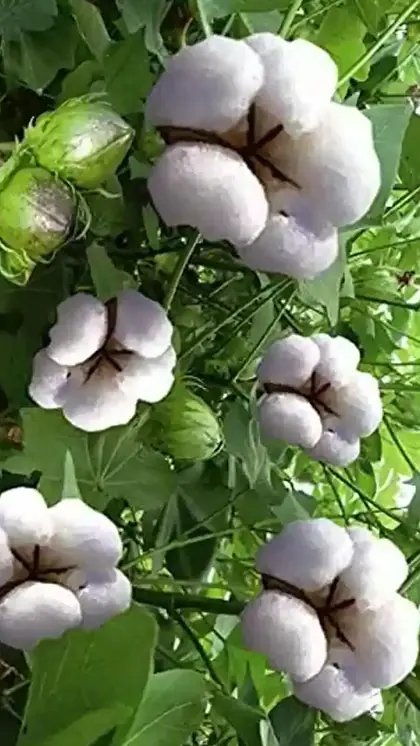
Are you curious about growing your own cotton plant right at home? Imagine watching fluffy white cotton bolls form on a plant you nurtured yourself.
It’s easier than you might think, and with just a little care, you can enjoy this unique and rewarding gardening experience. Whether you have a small balcony or a backyard, this guide will show you simple steps to grow healthy cotton plants.
Ready to add a touch of nature’s magic to your space? Let’s dive in and make your cotton-growing dream come true!

Choosing The Right Cotton Variety
Growing cotton at home needs the right plant variety. The variety affects growth speed and fiber quality.
Choosing a cotton type that fits your home garden helps you get better results.
Best Varieties For Home Gardening
Some cotton types grow well in small gardens. They stay small and produce good cotton.
- Upland Cotton: Easy to grow and common in home gardens.
- Egyptian Cotton: Known for soft fibers but needs warm weather.
- Acala Cotton: Compact plant, good for limited space.
- Pima Cotton: Produces strong fibers, needs a long growing season.
Where To Buy Quality Seeds
Buy seeds from trusted sellers to get healthy plants. Good seeds grow better cotton.
| Seller Type | Advantages |
| Local Nurseries | Seeds suited to your local climate |
| Online Seed Stores | Wide variety and easy ordering |
| Agricultural Suppliers | Certified seeds with quality guarantee |
Preparing The Planting Area
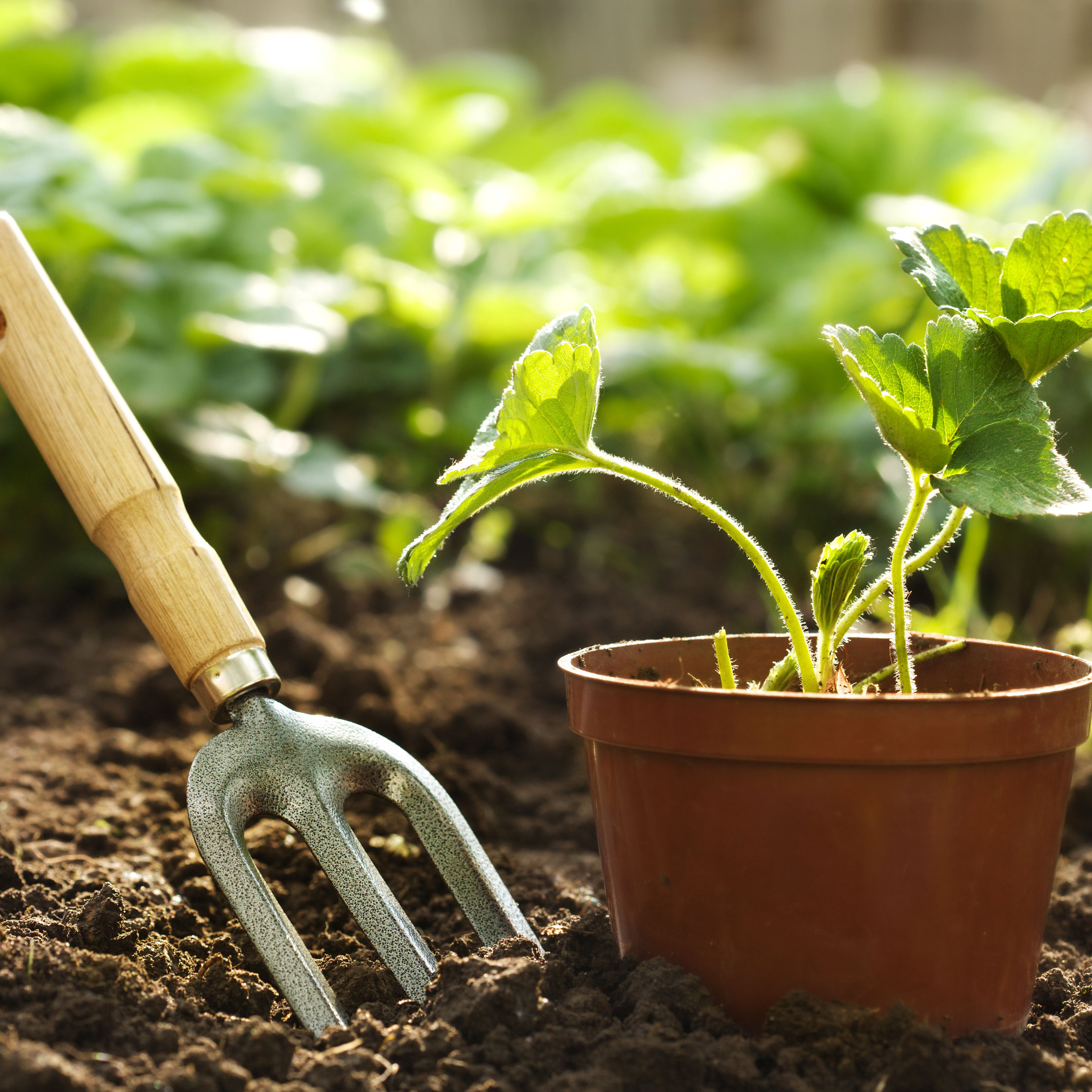
Growing cotton at home needs a good planting area. Preparing this area well helps the cotton plants grow strong.
Two main things to focus on are soil and location. These factors give the plants the best start.
Soil Requirements
Cotton plants grow best in soil that drains well and is rich in nutrients. The soil should be loose and sandy loam is ideal.
- Soil pH should be between 5.5 and 7.5
- Ensure good drainage to avoid waterlogging
- Add compost or organic matter to enrich the soil
- Remove stones and debris before planting
Ideal Location And Sunlight
Choose a spot that gets plenty of sunlight. Cotton needs at least 6 hours of direct sun daily to grow well.
| Sunlight Hours | Effect on Cotton Growth |
| Less than 4 hours | Weak growth, poor yield |
| 4 to 6 hours | Moderate growth |
| 6 hours or more | Strong growth, good yield |
Planting Cotton Seeds
Growing cotton plants at home starts with planting seeds correctly. Proper seed care helps plants grow strong.
Good planting techniques improve germination and plant health for a better cotton harvest.
Seed Soaking And Germination
Soaking cotton seeds before planting helps soften the seed coat. This speeds up germination.
Place seeds in warm water for 12 to 24 hours. Avoid soaking longer to prevent seed damage.
- Use clean, room-temperature water
- Change water if it gets cloudy
- Plant seeds immediately after soaking
Proper Planting Depth And Spacing
Plant cotton seeds about 1 inch deep in loose soil. This protects seeds and helps roots grow.
Space seeds 12 to 18 inches apart. This gives plants room to grow and access sunlight.
- Use well-drained soil
- Keep soil moist but not waterlogged
- Thin seedlings if they grow too close
Watering And Fertilizing
Growing cotton plants at home needs careful watering and fertilizing. These steps help your plants grow strong and healthy.
Good care with water and nutrients gives cotton plants the best chance to produce good cotton bolls.
Watering Schedule
Cotton plants need regular watering to stay healthy. Keep the soil moist but not too wet.
Water the plants deeply once or twice a week. Increase watering in hot, dry weather.
- Check soil moisture before watering
- Water early in the morning or late in the afternoon
- Avoid water on leaves to prevent diseases
Choosing The Right Fertilizer
Cotton plants need nutrients like nitrogen, phosphorus, and potassium. Choose a balanced fertilizer for best growth.
Use fertilizer that matches the soil’s needs. Too much fertilizer can harm the plant.
- Nitrogen helps leaves grow green and strong
- Phosphorus supports root and flower development
- Potassium improves overall plant health
Managing Pests And Diseases
Growing cotton at home requires keeping pests and diseases under control. Healthy plants produce better cotton fibers. You can manage pests with simple methods that are safe and effective.
Understanding common pests and using natural pest control helps protect your cotton plants. It also keeps your garden environment healthy.
Common Cotton Pests
Cotton plants attract several pests that can damage leaves, buds, and bolls. Watch for signs of these pests to act early.
- Aphids:Small, soft insects that suck sap from leaves.
- Spider Mites:Tiny pests that cause yellow spots on leaves.
- Whiteflies:Small white insects that feed on plant sap.
- Bollworms:Caterpillars that bore into cotton bolls.
- Thrips:Tiny insects that feed on flowers and leaves.
Natural Pest Control Methods
Use natural ways to control pests without chemicals. These methods keep your plants safe and encourage good insects.
| Method | Description | How to Use |
| Neem Oil | Natural oil that repels many pests. | Spray diluted neem oil on cotton leaves every 7 days. |
| Ladybugs | Predators that eat aphids and mites. | Release ladybugs near cotton plants to reduce pests. |
| Soap Spray | Soapy water kills soft-bodied insects. | Mix mild soap with water and spray on affected areas. |
| Companion Planting | Plant pest-repelling herbs nearby. | Grow marigolds or basil next to cotton plants. |
| Handpicking | Remove pests by hand. | Check leaves and bolls daily and remove insects manually. |
Pruning And Supporting Plants
Growing cotton at home can be a rewarding experience. Pruning and supporting your cotton plants are key steps to ensure healthy growth and abundant cotton production.
With proper care and attention, your cotton plants will flourish. Let's explore how to prune and support them effectively.
When And How To Prune
Pruning helps your cotton plants grow stronger. It removes unwanted parts and allows better air circulation.
The best time to prune is when plants are young. Use clean, sharp scissors or pruning shears to cut away dead or crowded branches.
- Check for dead leaves and branches weekly
- Cut back to a healthy bud or branch
- Do not prune more than one-third at a time
Using Supports For Better Growth
Supporting your cotton plants helps them grow upright. This prevents damage and increases sunlight exposure.
Use stakes or trellises to support your plants. Tie the stems gently with soft ties to avoid injury.
- Place stakes in the soil next to the plant
- Use soft ties to attach the plant to the stake
- Check and adjust ties as the plant grows
Harvesting Cotton
Growing cotton at home can be a rewarding experience. Knowing when and how to harvest is crucial for the best yield.
Harvesting cotton involves recognizing the right time to pick and using the correct techniques to ensure quality. Here’s what you need to know.
Signs Cotton Is Ready To Harvest
Identifying the right time to harvest cotton is important. Look for these signs to know when your cotton is ready.
- The cotton bolls have fully opened.
- The fibers appear fluffy and white.
- The plant has started to dry out.
Harvesting Techniques
Once your cotton is ready, use these techniques to harvest it effectively. Proper harvesting ensures the best quality cotton.
Be gentle with the cotton bolls to avoid damaging the fibers. This will keep the cotton clean and usable.
- Use your hands to gently pull the cotton from the bolls.
- Avoid pulling too hard to prevent tearing the fibers.
- Collect the cotton in a dry and clean container.
Post-harvest Care
Taking care of cotton plants after harvest helps keep the seeds and plants healthy. Proper post-harvest steps prepare your cotton for the next growing season.
This guide covers seed collection and storage, plus how to prepare plants for future growth.
Seed Collection And Storage
Collect seeds from fully opened cotton bolls. Only choose healthy and mature seeds for planting next season.
- Pick cotton bolls that are dry and brown.
- Remove seeds carefully from the cotton fibers.
- Clean seeds by removing any dirt or debris.
- Dry seeds in a shaded, well-ventilated area for several days.
- Store seeds in airtight containers to prevent moisture.
- Keep containers in a cool, dry place away from direct sunlight.
Preparing Plants For Next Season
After harvesting, prepare your cotton plants and soil for the next planting season. This helps improve growth and yield.
| Task | Action | Reason |
| Remove Old Plant Debris | Clear leftover cotton stalks and leaves | Prevents pests and diseases |
| Soil Tilling | Loosen soil and mix in organic matter | Improves soil aeration and nutrients |
| Apply Fertilizer | Add balanced fertilizer based on soil test | Supports healthy plant growth |
| Watering | Keep soil moist but not waterlogged | Prepares soil for seed sowing |
Frequently Asked Questions
How Long Does Cotton Take To Grow At Home?
Cotton plants typically take 5 to 6 months to mature at home. The growth depends on climate, soil, and care. Warm temperatures and consistent watering speed up the process. Harvest is usually ready when cotton bolls burst open.
What Soil Is Best For Growing Cotton Plants?
Cotton thrives in well-drained, sandy loam soil rich in organic matter. The soil pH should range between 5. 8 and 7. 0. Proper drainage prevents root rot, while fertile soil ensures healthy growth and good yield.
How Often Should I Water My Cotton Plant?
Water cotton plants deeply once or twice a week. Maintain moist but not waterlogged soil. During hot or dry spells, increase watering frequency. Consistent moisture supports strong roots and healthy cotton boll development.
Can Cotton Plants Grow Indoors Successfully?
Cotton can grow indoors if given enough sunlight and warmth. Place the plant near a south-facing window or use grow lights. Maintain temperatures above 70°F (21°C) and ensure good air circulation for best results.
Conclusion
Growing cotton at home is a rewarding and simple process. Start with good soil and plenty of sunlight. Water your plants regularly but avoid overwatering. Watch for pests and remove them gently. Patience is key; cotton takes time to grow.
Enjoy the experience of seeing your plants bloom. Homegrown cotton adds beauty and interest to your garden. Keep learning and caring for your plants each day. Small steps lead to a healthy cotton harvest. Give it a try and enjoy the natural touch at home.