Are you looking to add a touch of green to your home with a plant that’s both beautiful and easy to care for? Growing bamboo at home might be just what you need.
Bamboo is not only visually appealing but also brings a sense of calm and freshness to any space. Imagine having a vibrant, low-maintenance plant that can thrive indoors or outdoors, improving your air quality and boosting your mood. In this guide, you’ll discover simple, step-by-step tips to grow healthy bamboo plants right in your own home.
Keep reading to unlock the secrets that will help your bamboo flourish and transform your living space.
Choosing The Right Bamboo
Growing bamboo at home starts with picking the right type. The right bamboo fits your space and needs.
Different bamboo types grow indoors or outdoors. They vary in size and like different climates.
Indoor Vs Outdoor Varieties
Indoor bamboos stay small and need less sunlight. Outdoor bamboos grow bigger and need more space.
Choose indoor bamboo if you have limited space or live in a cold place. Outdoor bamboo suits gardens and large yards.
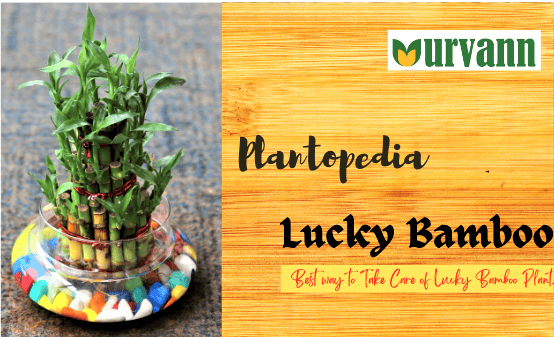
- Indoor varieties: Lucky bamboo, Dwarf Buddha belly
- Outdoor varieties: Giant timber bamboo, Golden bamboo
Size And Growth Rate
Bamboo size varies from a few feet to over 50 feet tall. Growth speed also differs by species.
Fast-growing bamboo needs more care to control spread. Slow growers are easier to manage in small spaces.
- Fast growers: Moso bamboo, Giant timber bamboo
- Slow growers: Dwarf bamboo, Lucky bamboo
Climate Compatibility
Bamboo plants prefer specific climates. Some like warm, humid weather, others can handle cold winters.
Check your local climate before choosing bamboo. Pick species that will survive and grow well near you.
- Tropical bamboo: Needs warm temperatures and high humidity
- Temperate bamboo: Grows well in mild to cold climates
- Cold-hardy bamboo: Survives freezing winters

Credit: www.amazon.com
Preparing The Planting Area
Growing bamboo at home needs a good planting area. This helps the plant grow healthy and strong.
Getting the right space and soil ready is important. You should also think about how water drains.
Selecting Suitable Pots Or Ground Space
Choose a pot or ground space that gives bamboo room to grow. Bamboo roots spread wide and deep.
If you use a pot, pick one that is big and strong. For ground planting, pick a spot with enough space.
- Use pots at least 18 inches wide and deep
- Pick ground areas away from buildings and pipes
- Make sure the spot gets sunlight most of the day
Soil Requirements
Bamboo grows best in rich, loamy soil. The soil should hold moisture but not stay soggy.
Add organic matter like compost to improve soil quality. This helps bamboo get nutrients easily.
- Use soil with good texture and nutrients
- Mix compost or peat moss for better growth
- Avoid heavy clay or very sandy soils
Drainage Essentials
Good drainage stops water from pooling around bamboo roots. Standing water can cause root rot.
Check that water flows away quickly. Use pots with drainage holes or raise ground beds if needed.
- Ensure pots have several drainage holes
- Add a layer of gravel at the pot bottom
- For ground planting, create slight slopes
- Test drainage by watering and watching flow
Planting Your Bamboo
Growing bamboo at home is simple with the right steps. Proper planting helps your bamboo grow strong and healthy.
This guide will show you how to plant bamboo correctly for the best results.
Step-by-step Planting Guide
First, choose a healthy bamboo plant or rhizome. Pick a spot with good sunlight and well-drained soil.
Dig a hole twice as wide as the root ball. Place the bamboo carefully and fill the hole with soil.
- Water the bamboo deeply after planting.
- Add mulch around the base to keep moisture.
- Check the soil weekly and water when dry.
Spacing And Depth Tips
Space bamboo plants about 3 to 5 feet apart. This gives them room to grow wide and tall.
Plant bamboo at the same depth it grew in its pot. Do not bury the stem too deep or leave roots exposed.
- Keep spacing wide for running bamboo to prevent crowding.
- Clumping bamboo can be planted closer, about 3 feet apart.
- Planting too deep can cause root rot and poor growth.
Credit: www.urvann.com
Watering And Feeding
Growing bamboo at home can be a rewarding experience. Proper watering and feeding are crucial for healthy bamboo growth. Let's explore how to care for your bamboo plant.
Understanding the right watering frequency and choosing the correct fertilizers will ensure your bamboo thrives. Pay attention to these key aspects to keep your plant flourishing.
Watering Frequency
Bamboo needs regular watering to stay healthy. The soil should be moist, not soggy. Check the soil before watering to avoid overwatering.
- Water bamboo once a week in cooler seasons
- In hot weather, water twice a week
- Ensure good drainage to prevent root rot
Fertilizer Types And Schedule
Fertilizers help bamboo grow strong and healthy. Choose a balanced fertilizer to provide essential nutrients. Apply it regularly for the best results.
Organic fertilizers are a great choice for bamboo. They improve soil quality and promote growth.
- Use a balanced fertilizer every 4-6 weeks
- In spring, apply organic compost
- Avoid fertilizers with high nitrogen content
Light And Temperature Needs
Growing bamboo at home requires understanding its light and temperature needs. These conditions help bamboo thrive indoors.
By providing the right light and temperature, you ensure healthy growth and vibrant bamboo plants.
Ideal Light Conditions
Bamboo plants prefer bright, indirect sunlight. Direct sunlight can scorch the leaves.
- Place bamboo near a window with filtered light.
- Avoid placing in direct midday sun.
- Rotate the plant regularly for even light exposure.
Temperature Range For Growth
Bamboo thrives in warm temperatures. Keeping the right temperature range is crucial for its health.
| Temperature | Condition |
| 65°F to 75°F (18°C to 24°C) | Optimal for growth |
| Above 80°F (27°C) | May lead to drying out |
| Below 50°F (10°C) | Can damage the plant |
Keep bamboo away from drafts and extreme temperature changes to maintain its vitality.
Pruning And Maintenance
Taking care of a bamboo plant means regular pruning and maintenance. This helps keep the plant healthy and looking good. Proper care also controls how fast the bamboo grows.
Pruning removes old or dead parts of the bamboo. Maintenance prevents the plant from spreading too much. Both steps are important for a tidy home garden.
Trimming Techniques
Trim bamboo by cutting the older canes near the base. This allows new shoots to grow stronger. Use sharp tools to make clean cuts. Avoid cutting green shoots as they are still growing.
- Remove yellow or dead leaves regularly
- Cut old canes at ground level in early spring
- Thin out crowded areas to improve air flow
- Use clean, sharp pruning shears for all cuts
Controlling Growth And Spread
Bamboo can spread quickly if not controlled. You can limit its growth by setting barriers or pruning roots. Regularly check the plant’s edges to stop unwanted spreading.
| Method | Description | When to Use |
| Root Barrier | Install a plastic or metal barrier around the bamboo | At planting or when spread starts |
| Root Pruning | Cut roots that grow beyond the desired area | Every 6 to 12 months |
| Regular Cutting | Trim new shoots before they grow tall | Throughout growing season |
Common Problems And Solutions
Growing bamboo at home is easy but some problems can happen. These issues affect the plant’s health and growth.
This guide covers common problems and ways to fix them. You will learn about pests, leaf issues, and root care.
Pests And Diseases
Bamboo plants can get pests like mites, aphids, and mealybugs. These insects damage leaves and stems. Fungal diseases may also appear as spots or mold.
- Check leaves regularly for bugs and webs.
- Spray with insecticidal soap or neem oil.
- Remove affected leaves to stop spread.
- Keep the area clean and dry.
- Use fungicides if you see mold or spots.
Yellow Leaves And Wilting
Yellow leaves and wilting show that bamboo is stressed. This can happen from too much sun, not enough water, or poor soil.
| Cause | Solution |
| Too much direct sunlight | Move plant to a shaded spot |
| Underwatering | Water deeply and often |
| Overwatering | Let soil dry before watering again |
| Poor soil drainage | Use well-draining soil mix |
Root Rot Prevention
Root rot happens when bamboo roots stay wet too long. It causes roots to decay and plant to die. Good care stops root rot.
- Plant bamboo in pots with drainage holes.
- Use light, well-draining soil.
- Do not water if soil feels wet.
- Remove dead or soft roots if repotting.
- Keep plants in airy places to dry soil faster.
Propagating Bamboo At Home
Growing bamboo at home is easy with the right methods. Propagation helps you create new bamboo plants from existing ones.
Two common ways to propagate bamboo are division and cutting. Each method works well if done carefully.
Division Method
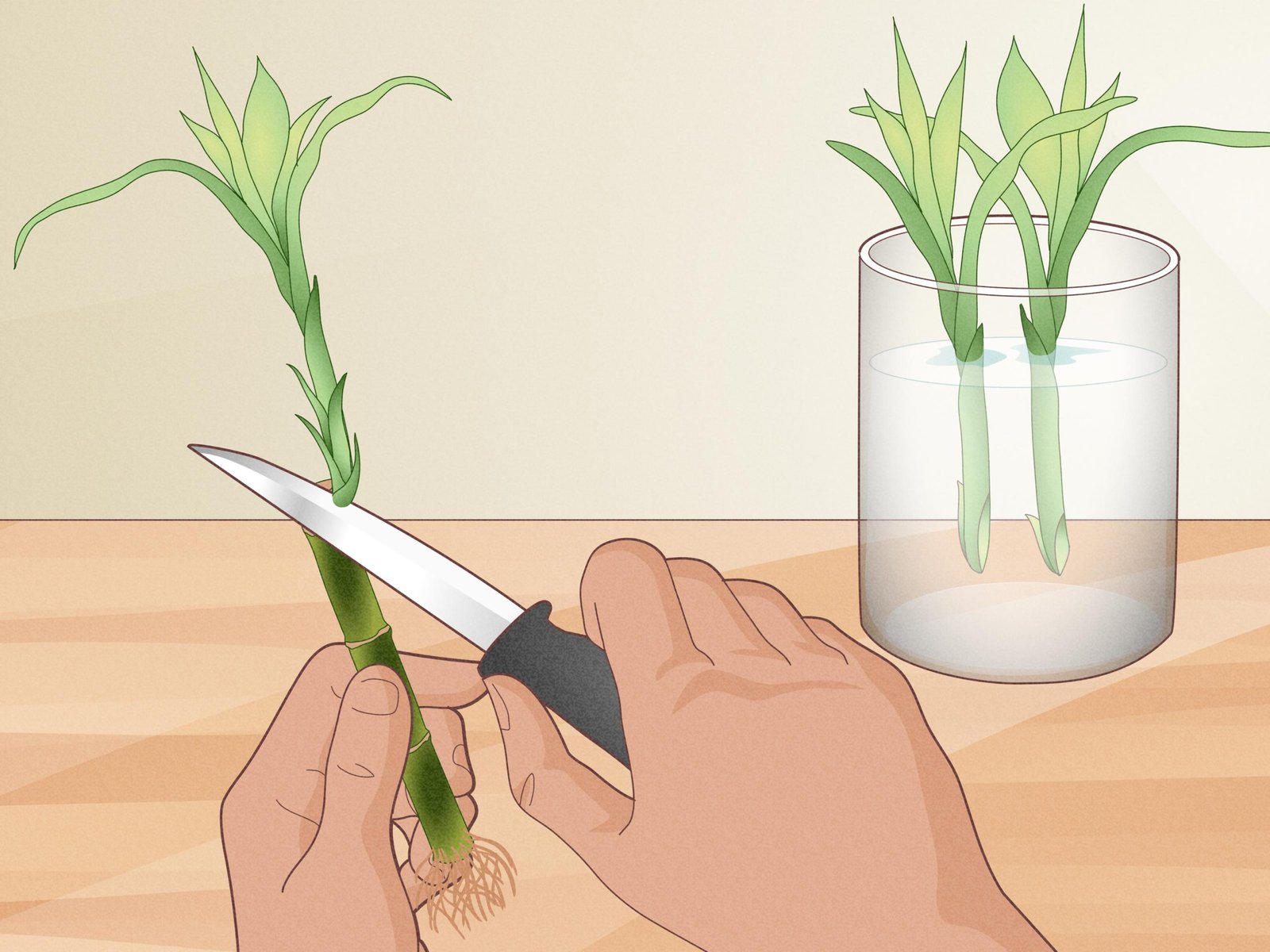
Division involves separating a bamboo clump into smaller sections. This method gives new plants a strong start with roots and shoots.
- Choose a healthy bamboo clump with several stems.
- Dig around the clump carefully to avoid root damage.
- Use a sharp spade to cut sections with roots and shoots.
- Plant each section in well-drained soil at the same depth as before.
- Water the new plants well and keep the soil moist.
Cutting And Rooting Tips
Propagation by cutting needs healthy bamboo stems and proper care to grow roots.
| Tip | Description |
| Choose Stem | Pick a young, green stem about one year old. |
| Cut Length | Cut a 6 to 12 inch section with at least two nodes. |
| Prepare Cutting | Remove leaves from the lower node to encourage root growth. |
| Rooting Medium | Use moist soil or water to start roots. |
| Environment | Keep cuttings in a warm, shaded area with high humidity. |
| Watering | Keep soil moist but not soggy to avoid rot. |
Decorating With Bamboo
Bamboo plants add a fresh and natural look to any home. They bring calm and a touch of green indoors.
Using bamboo in your decor can create a peaceful and stylish space. It fits well in many room styles.
Indoor Placement Ideas
Place bamboo where it gets bright, indirect light. Avoid direct sunlight to keep leaves healthy.
Use corners or near windows to make the space feel lively and fresh. Bamboo can brighten dark areas.
- Near east or west-facing windows
- On shelves with enough light
- In a decorative pot on the floor
- As a room divider with tall bamboo
Combining With Other Plants
Bamboo looks great with other green plants. Mix different shapes and sizes for interest.
Pair bamboo with ferns, succulents, or small flowering plants. This adds color and texture to your decor.
- Ferns add soft, feathery leaves
- Succulents bring unique shapes
- Flowering plants add color pops
- Use pots of matching colors for a neat look

Credit: www.youtube.com
Frequently Asked Questions
How Often Should I Water My Bamboo Plant?
Water your bamboo plant every 2-3 days. Keep the soil moist but not soggy. Adjust watering based on climate and pot size.
What Type Of Soil Is Best For Bamboo?
Use well-draining, loamy soil rich in organic matter. Bamboo prefers slightly acidic to neutral pH soil for healthy growth.
How Much Sunlight Does Bamboo Need Indoors?
Place bamboo in bright, indirect sunlight. Avoid direct sunlight, which can scorch the leaves. Bamboo thrives in moderate light.
Can Bamboo Grow In A Pot At Home?
Yes, bamboo grows well in pots. Use a large container with drainage holes and regularly check soil moisture.
Conclusion
Growing bamboo at home is simple and rewarding. Choose a good spot with enough light. Water your plant regularly but avoid overwatering. Use well-draining soil to keep roots healthy. Trim yellow leaves to keep it neat. Watch your bamboo grow tall and strong.
Enjoy the calm and green space it creates. With care, your bamboo will thrive for years. Start today and bring nature closer to you.