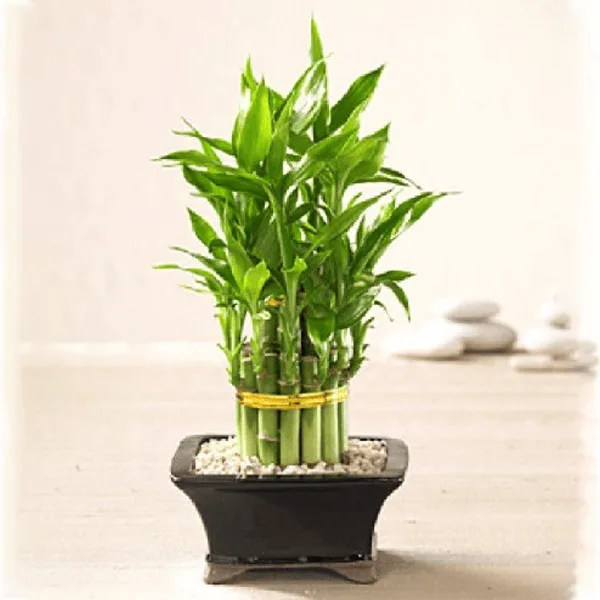
Are you looking to add a touch of green to your living space without the hassle of outdoor gardening? Growing bamboo inside your home might be the perfect solution.
Bamboo is not only beautiful and calming but also easy to care for, making it a great choice for anyone—even if you’re new to indoor plants. You’ll discover simple, step-by-step tips that will help you grow healthy bamboo right in your own space.
Ready to transform your home with this elegant plant? Keep reading, and you’ll learn everything you need to know to get started today.
Choosing Bamboo Varieties
Growing bamboo inside your home can add a fresh and natural touch. Picking the right bamboo variety is key to success.
Some types of bamboo do better indoors. It is important to know which kinds stay small and grow well inside.
Best Types For Indoors
Indoor bamboo plants need to be smaller and easy to manage. Some bamboo types fit well inside homes.
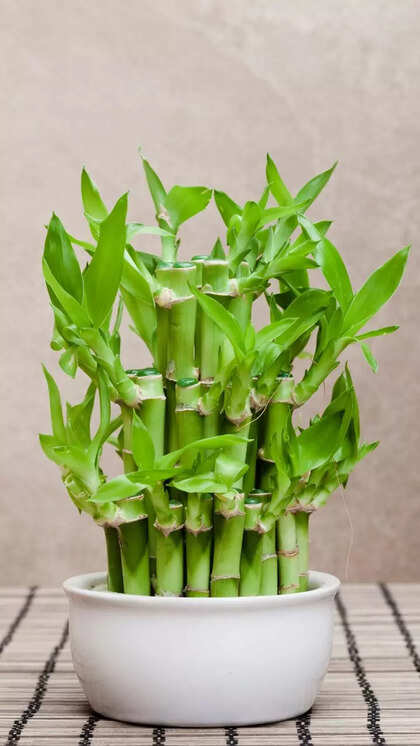
- Lucky Bamboo (Dracaena sanderiana) – Not a true bamboo but popular indoors
- Dwarf Buddha Bamboo (Bambusa multiplex) – Compact and slow growing
- Green Stripe Bamboo (Bambusa vulgaris 'Striata') – Striped leaves and small size
- Hedge Bamboo (Bambusa multiplex ‘Alphonse Karr’) – Decorative and grows well in containers
Size And Growth Patterns
Indoor bamboo should stay small and not spread too fast. Look for types with slow growth.
Some bamboos grow tall but stay narrow. Others grow wider but stay short. Choose based on your space.
- Dwarf varieties usually grow up to 3-5 feet tall.
- Running bamboos spread quickly and need more space.
- Clumping bamboos grow slowly and stay in one place.
- Container planting helps control growth size.
Ideal Light Conditions
Growing bamboo inside your home needs the right light for healthy growth. Light helps bamboo make food through photosynthesis.
Too little or too much light can hurt your bamboo plant. Learning the light needs helps it thrive indoors.
Natural Light Needs
Bamboo prefers bright, indirect sunlight. Direct sunlight can burn the leaves.
- Place bamboo near a window with filtered light.
- Avoid windows that get strong afternoon sun.
- East or north-facing windows work well.
- If leaves turn yellow, move the plant to less light.
- If bamboo grows slowly, it may need more light.
Using Artificial Lighting
If natural light is weak, use artificial lights to help bamboo grow. Use full-spectrum grow lights for best results.
| Light Type | Distance from Plant | Daily Duration |
| LED Grow Light | 12-18 inches | 12-14 hours |
| Fluorescent Light | 6-12 inches | 12-14 hours |
| Incandescent Light | Not recommended | N/A |
Proper Soil And Potting
Growing bamboo indoors needs the right soil and pot. Good soil and pot help the bamboo stay healthy. This guide shows how to pick soil and pots for indoor bamboo.
Choosing the best soil and pot will make your bamboo grow strong and green inside your home.
Soil Mix Recommendations
Bamboo likes soil that drains water well but stays moist. The soil should have good air flow to the roots. Avoid heavy soil that holds too much water.
A good soil mix for indoor bamboo includes parts that keep water and parts that let air in. This mix helps roots grow healthy.
- Use potting soil as a base
- Add sand or perlite for drainage
- Mix in some peat moss for moisture
- Include compost for nutrients
Pot Selection Tips
Pick a pot with enough space for bamboo roots to grow. A pot that is too small will stop growth. Make sure the pot has holes to drain extra water.
Choose pots made from materials like plastic, ceramic, or clay. Each type has good drainage and fits different home styles.
- Use pots at least 12 inches deep
- Check for drainage holes at the bottom
- Choose wide pots for spreading roots
- Clay pots dry faster, plastic holds moisture
Watering Techniques
Growing bamboo inside your home requires careful watering. Proper watering keeps the plant healthy and vibrant.
Understanding how often and how much to water helps prevent problems like root rot or dryness.
Frequency And Amount
Water bamboo regularly but avoid letting the soil stay soggy. The frequency depends on the season and indoor climate.
- Water bamboo once or twice a week during spring and summer.
- Reduce watering to once every two weeks in fall and winter.
- Give enough water to moisten the soil about 2 to 3 inches deep.
- Check the top inch of soil before watering; water only if it feels dry.
Avoiding Overwatering
Too much water can harm bamboo roots and cause yellow leaves. Watch for signs of overwatering to keep your plant safe.
| Signs of Overwatering | How to Fix |
| Yellowing leaves | Reduce watering and let soil dry out |
| Soft or rotting roots | Repot in fresh soil with better drainage |
| Foul smell from soil | Stop watering and improve air circulation |
| Wilting despite wet soil | Check drainage and avoid water pooling |
Humidity And Temperature
Bamboo is a popular indoor plant that needs the right humidity and temperature to thrive. Keeping these factors in balance helps the bamboo stay healthy and grow well inside your home.
Understanding how to maintain moisture levels and control temperature will make your indoor bamboo grow strong and green.
Maintaining Moisture Levels
Bamboo prefers a humid environment to keep its leaves fresh and prevent drying out. Indoor air can often be dry, especially in winter or with heating systems.
- Use a spray bottle to mist bamboo leaves daily.
- Place a water tray near the plant to increase humidity.
- Group bamboo with other plants to create a moist area.
- A humidifier can help keep the air moist, especially in dry rooms.
- Avoid letting the soil dry completely; keep it moist but not soggy.
Optimal Temperature Range
Bamboo grows best in a stable temperature. Too cold or too hot can stress the plant and slow growth.
| Temperature Condition | Effect on Bamboo |
| 60°F to 80°F (15°C to 27°C) | Ideal for healthy growth |
| Below 50°F (10°C) | Risk of damage and slow growth |
| Above 85°F (29°C) | May cause leaf burn and drying |
Credit: timesofindia.indiatimes.com
Fertilizing Bamboo
Growing bamboo indoors is exciting and rewarding. Proper fertilizing keeps your bamboo healthy and vibrant.
Choosing the right fertilizer and following a good feeding schedule is key. Let's explore how to do it.
Best Fertilizer Types
Bamboo thrives with specific fertilizers. These fertilizers provide essential nutrients. Using the right type ensures strong growth.
- Nitrogen-rich fertilizers boost leaf growth.
- Balanced fertilizers support overall plant health.
- Organic fertilizers improve soil quality.
Feeding Schedule
Feeding schedule is crucial for bamboo care. Consistent feeding leads to lush, green plants.
| Season | Feeding Frequency |
| Spring | Every 4 weeks |
| Summer | Every 4 weeks |
| Fall | Every 6 weeks |
| Winter | Every 8 weeks |
Pruning And Maintenance
Bamboo is a beautiful plant that can grow indoors. To keep it healthy, pruning and maintenance are important.
These tasks help bamboo stay in shape and remove dead parts. This guide will help you understand how to do it.
Shaping Your Bamboo
Shaping bamboo is like giving it a haircut. You trim the stalks to control their size and shape.
Use sharp scissors to cut the tops of the stalks. Cut just above a node, where the leaves grow.
- Trim regularly to keep desired height
- Remove any stalks that grow too tall
- Always use clean, sharp tools
Removing Dead Leaves
Dead leaves can make your bamboo look messy. Removing them keeps the plant healthy and neat.
Gently pull off brown or yellow leaves. Do this regularly to prevent pests and disease.
| Action | Frequency |
| Check for dead leaves | Once a week |
| Remove dead leaves | As needed |

Credit: www.amazon.ca
Common Problems
Growing bamboo inside your home can be rewarding. Yet, some problems might affect its health and growth.
Knowing these issues helps you keep your bamboo strong and beautiful.
Pests To Watch For
Bamboo can attract pests that damage leaves and stems. These bugs weaken the plant and slow its growth.
Common pests include spider mites, aphids, and mealybugs. They suck the plant’s sap and leave sticky residue.
- Spider mites cause tiny yellow spots on leaves.
- Aphids cluster on new shoots and leaves.
- Mealybugs look like small white cotton balls.
Check your bamboo often for these pests. Early action stops bigger damage.
Disease Prevention
Bamboo plants can get diseases from fungi and bacteria. These cause spots, rotting, or wilting.
Keep your bamboo healthy by using clean pots and fresh soil. Avoid overwatering to stop root rot.
- Water only when the top soil is dry.
- Use pots with good drainage holes.
- Remove dead or yellow leaves quickly.
- Keep air moving around the plant.
Healthy bamboo resists diseases better and grows well inside your home.
Propagation Methods
Growing bamboo inside your home can be fun and rewarding. Knowing how to propagate bamboo helps you grow more plants.
There are two common ways to grow bamboo indoors. These are growing from cuttings and using division techniques.
Growing From Cuttings
You can grow bamboo by planting cuttings from a healthy bamboo stalk. This method works well for many bamboo types.
Choose a stem that is about 12 inches long and has at least two nodes. Nodes are the bumps where leaves grow.
- Cut the stem just below a node
- Remove leaves from the lower half
- Place the cutting in water or moist soil
- Keep it in a warm, bright spot but out of direct sunlight
- Change water every few days if using water
- Roots will start to form in a few weeks
Division Techniques
Division means splitting a mature bamboo clump into smaller parts. This method creates new plants quickly.
Dig up the bamboo clump carefully. Use a sharp tool to cut the root ball into sections.
- Each section should have roots and at least one stem
- Plant each division in a pot with fresh soil
- Water well and keep soil moist
- Place in indirect sunlight until new growth appears
Decorating With Indoor Bamboo
Indoor bamboo adds a fresh, natural look to your home. It brings calm and beauty to any room.
Bamboo grows well inside with the right care. You can use it to decorate many spaces.
Placement Ideas
Place bamboo where it gets bright, indirect light. Avoid direct sunlight that can burn the leaves.
Good spots include near windows or in well-lit corners. Bamboo also works well in bathrooms.
- Near east or north-facing windows
- On shelves or side tables
- In large decorative pots on the floor
- In bathrooms with natural light
Combining With Other Plants
Bamboo pairs nicely with many indoor plants. Combine it with plants that like similar light and water.
Mix plants with different shapes and leaf sizes to add interest. Use pots that match or contrast well.
- Pair bamboo with ferns for a lush look
- Combine with succulents for texture contrast
- Use broad-leaf plants to balance bamboo’s thin leaves
- Choose pots in natural materials like clay or wood

Credit: english.punjabkesari.com
Frequently Asked Questions
How Much Sunlight Does Indoor Bamboo Need?
Indoor bamboo thrives in bright, indirect sunlight. Avoid direct sunlight as it can scorch the leaves. Place your bamboo near a window with filtered light for optimal growth. Insufficient light may cause slow growth and yellowing leaves.
What Is The Best Soil For Indoor Bamboo?
Use well-draining, loamy soil rich in organic matter. A mix of potting soil with sand or perlite works well. Proper drainage prevents waterlogging and root rot, ensuring healthy bamboo growth indoors.
How Often Should I Water Indoor Bamboo?
Water indoor bamboo once the top inch of soil feels dry. Maintain consistently moist soil but avoid overwatering. Proper watering keeps the plant hydrated and prevents root rot, supporting steady growth.
Can Indoor Bamboo Survive In Low Humidity?
Indoor bamboo prefers moderate to high humidity but tolerates low levels. Increase humidity by misting leaves or using a humidifier. Adequate humidity keeps bamboo leaves healthy and reduces browning tips.
Conclusion
Growing bamboo inside your home brings calm and beauty. Choose the right pot and soil for healthy growth. Water your bamboo regularly but avoid overwatering. Place it where light is bright but not direct. Watch your plant closely to catch any issues early.
With care, bamboo adds green charm to your space. Enjoy the peaceful vibe it creates every day. Keep your bamboo happy, and it will thrive indoors. Simple steps lead to a lovely indoor bamboo garden.