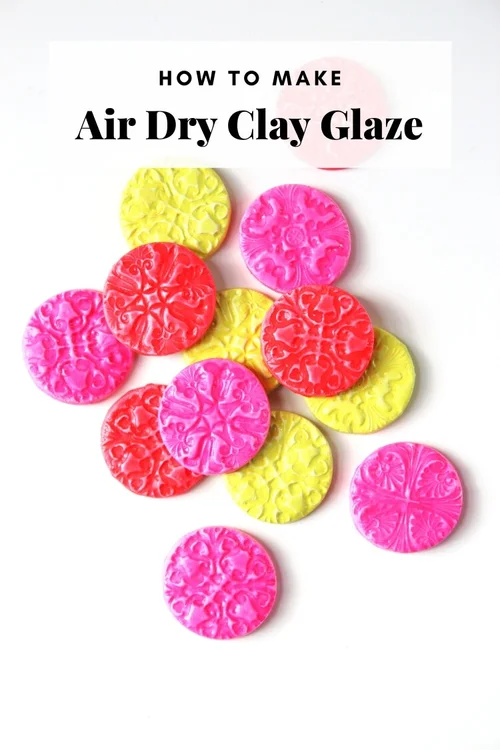
If you’ve ever made something beautiful with polymer clay, you know how important that perfect shine can be. Glazing your creations at home isn’t as hard as you might think.
In fact, with the right steps, you can give your pieces a smooth, glossy finish that makes them look professional and lasts longer. Whether you want to protect your work or add extra sparkle, this guide will show you exactly how to glaze polymer clay easily and effectively.
Keep reading, and you’ll learn simple tips that anyone can follow to make your art truly stand out.

Credit: www.youtube.com
Choosing The Right Polymer Clay
Picking the right polymer clay is key for successful glazing. The clay type affects how the glaze sticks and looks.
Some clays work better with certain glazes. Knowing the differences helps you get the best results.
Types Of Polymer Clay
Polymer clay comes in many types. Each has unique features that affect glazing and durability.
- Standard Clay:Most common type, good for beginners and general projects.
- Translucent Clay:Allows light to pass through, ideal for glowing effects.
- Premo Clay:Softer and easier to condition, holds detail well.
- Original Sculpey:Firm texture, best for sculpting but can be brittle after baking.
- Super Sculpey:Used for fine art, blends well but less flexible.
Best Brands For Glazing
Some brands offer clays that glaze better due to their formula and finish. Choosing the right brand makes a difference.
| Brand | Glazing Quality | Notes |
|---|---|---|
| Polyform (Sculpey) | Good | Wide color range, smooth finish |
| Fimo | Excellent | Hard after baking, holds glaze well |
| Premo | Very Good | Flexible and strong, ideal for detailed work |
| Cernit | Good | Glossy finish, blends easily |
Preparing Your Clay Surface
Glazing polymer clay creates a shiny, protective finish. To get the best glaze results, prepare your clay surface well. This step helps the glaze stick better and look smooth.
Start by making sure your clay is completely cooled and baked. Then, you can work on sanding and cleaning it. These steps remove bumps and dust for a neat finish.
Sanding Techniques
Sanding smooths the surface of your clay before glazing. Use fine-grit sandpaper to avoid deep scratches. Sand gently and evenly to keep the shape of your piece.
Wet sanding helps reduce dust and gives a smoother finish. Dip the sandpaper in water and sand the clay carefully. Let the piece dry completely before moving on.
- Use 400 to 600 grit sandpaper for the first sanding
- Try 800 to 1200 grit for a smoother finish
- Sand in small circular motions
- Keep the surface wet if wet sanding
- Dry the clay fully after sanding
Cleaning Before Glazing
Cleaning removes dust and oils from sanding and handling. Use a soft cloth or brush to wipe off dust. Avoid using harsh chemicals that can harm the clay or glaze.
You can also use a damp cloth with plain water or rubbing alcohol. Make sure the clay dries fully before applying glaze. A clean surface helps the glaze stick and shine evenly.
- Brush off loose dust with a soft paintbrush
- Wipe gently with a damp microfiber cloth
- Use rubbing alcohol for oily fingerprints
- Allow the clay to dry completely
Selecting The Best Glaze
Glazing polymer clay gives your project a nice finish. It protects the surface and adds shine or matte effects.
Choosing the right glaze depends on your look and use. Some glazes are shiny, others are flat. Some dry fast, others take longer.
Glossy Vs Matte Finishes
Glossy glaze gives a shiny, wet look to your clay. It makes colors pop and looks bright. It also highlights details well.
Matte glaze offers a flat, soft look. It reduces shine and gives a smooth feel. It works well for a natural or muted style.
- Glossy finish is great for vibrant, bold pieces.
- Matte finish suits subtle, understated designs.
- Glossy can show fingerprints or dust more easily.
- Matte hides small scratches and fingerprints better.
Water-based Vs Resin Glazes
Water-based glazes are easy to use and clean up with water. They dry quickly and are less sticky. They work well for light use.
Resin glazes create a thick, hard coating. They take longer to dry and need careful handling. Resin gives a very durable and shiny finish.
- Water-based glazes are less toxic and simpler to apply.
- Resin glazes offer stronger protection for heavy use.
- Water-based is better for small crafts and beginners.
- Resin is ideal for jewelry and items that get touched often.

Credit: www.youtube.com
Applying Glaze At Home
Glazing polymer clay adds shine and protects your creations. You can glaze your clay art at home with simple tools.
This guide shows you how to apply glaze step-by-step for a smooth finish.
Tools You Need
Gathering the right tools helps you glaze polymer clay easily. You need clean and dry materials for best results.
- Polymer clay piece baked and cooled
- Glossy or matte glaze suitable for polymer clay
- Soft paintbrush or foam brush
- Disposable gloves to keep hands clean
- Clean water and paper towels
- Work surface covered with paper or plastic
Step-by-step Glazing Process
Follow these steps to glaze your polymer clay piece carefully. Take your time to get a smooth coat.
- Make sure the clay is fully baked and cooled.
- Clean your piece gently to remove dust or oil.
- Put on disposable gloves to avoid fingerprints.
- Dip the brush into the glaze and remove excess.
- Apply a thin, even layer of glaze on the clay.
- Let the glaze dry completely (check drying time on label).
- Apply a second coat if you want more shine or protection.
- Allow the final coat to dry fully before handling.
Drying And Curing Tips
Glazing polymer clay makes it shiny and protects it. Proper drying and curing are key for a good finish.
Let's explore how to dry and cure your glazed polymer clay at home effectively.
Air Drying Vs Baking
Air drying is simple. Leave your glazed piece in a dust-free area. It takes time, usually 24 hours.
Baking is faster. Use your oven at a low temperature. Follow the glaze instructions for best results.
- Air drying is slower but requires no special tools.
- Baking needs careful monitoring to avoid burns.
- Check the glaze label for temperature guidelines.
Avoiding Common Mistakes
Make sure your clay is cool before glazing. Heat can cause bubbles in the glaze.
Avoid thick glaze layers. Too much glaze can cause drips and uneven drying.
- Let the clay cool completely before applying glaze.
- Apply thin layers for even coverage.
- Use a soft brush for smooth application.

Credit: www.youtube.com
Troubleshooting Shine Issues
Getting a perfect shine on polymer clay can be tricky. Sometimes the glaze looks cloudy or sticky. This guide helps you fix common problems.
Follow these tips to improve the shine and smooth finish of your glazed polymer clay pieces.
Fixing Cloudy Or Sticky Surfaces
Cloudy or sticky surfaces usually mean the glaze did not dry properly or there was too much glaze applied. Clean the surface gently to start fresh.
- Wipe the surface with a soft cloth and rubbing alcohol to remove residue.
- Let the piece dry completely before applying more glaze.
- Use thin layers of glaze to avoid cloudiness.
- Avoid touching the glaze while it dries to prevent stickiness.
- Work in a dust-free area to keep the surface clean.
Reapplying Glaze Correctly
Reapplying glaze needs care to keep your clay shiny and smooth. Follow these steps to do it right.
| Action | Details |
| Clean | Remove old glaze with rubbing alcohol and dry fully |
| Apply Thin Layer | Use a soft brush to spread glaze evenly |
| Dry Time | Let the glaze dry in a dust-free place for 24 hours |
| Repeat if Needed | Apply another thin coat only after first coat is dry |
| Avoid Overuse | Too much glaze causes stickiness and dullness |
Maintaining Your Glazed Clay Pieces
Glazing polymer clay adds a beautiful finish. It enhances the look and feel of your creations. Proper care ensures they last long.
This guide helps you maintain your glazed clay pieces. Learn how to clean and store them effectively.
Cleaning Without Damage
Cleaning your glazed clay pieces is important. It keeps them looking fresh and new.
- Use a soft cloth or brush for dusting.
- Avoid harsh chemicals; use mild soap and water.
- Dry with a soft towel to prevent water spots.
Storing For Longevity
Proper storage prevents damage and keeps your pieces safe. Follow these tips to store them well.
Store in a cool, dry place. Avoid direct sunlight and high humidity.
Use a padded box or case for extra protection.
| Storage Tip | Reason |
| Keep away from sunlight | Prevents fading |
| Avoid humidity | Prevents mold |
| Use padding | Prevents scratches |
Frequently Asked Questions
What Is The Best Glaze For Polymer Clay?
The best glaze for polymer clay is a non-yellowing, water-based gloss or satin varnish. It protects and enhances shine. Avoid solvent-based glazes that can damage the clay. Always test on a small piece first to ensure compatibility and desired finish.
How Do You Apply Glaze To Polymer Clay?
Apply glaze using a soft brush or sponge for even coverage. Use thin, light coats and let each layer dry fully. Multiple layers improve durability and shine. Avoid over-brushing to prevent streaks or bubbles on the polymer clay surface.
Can I Use Nail Polish As Polymer Clay Glaze?
Nail polish can work as a quick glaze but may yellow or crack over time. It’s not ideal for long-lasting protection. Use it only for small projects or temporary finishes. For durable results, opt for polymer clay-specific glazes or varnishes.
How Long Does Polymer Clay Glaze Take To Dry?
Polymer clay glaze typically dries within 15 to 30 minutes per coat. Full curing time varies by product, often up to 24 hours. Dry in a dust-free, well-ventilated area for best results. Follow manufacturer instructions for precise drying times.
Conclusion
Glazing polymer clay at home is simple and rewarding. Choose the right glaze for your project. Apply it carefully to avoid bubbles or streaks. Let the glaze dry fully for a smooth finish. This step protects your clay and makes it shine.
Practice often to improve your technique and results. Enjoy creating beautiful, lasting pieces with ease. Keep experimenting and have fun with your craft!