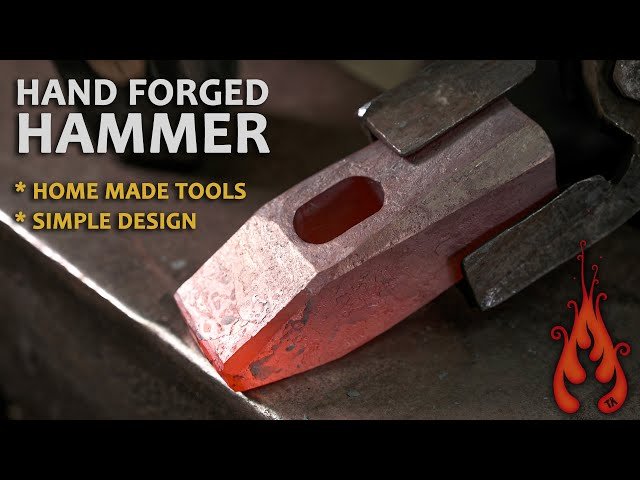
Have you ever wanted to create something strong and lasting with your own hands? Forging steel at home might sound like a big challenge, but it’s more doable than you think.
Imagine turning a simple piece of metal into a tool, a knife, or even a piece of art—all by yourself. In this guide, you’ll discover easy steps to start forging steel safely and effectively. Whether you’re a beginner or just curious, this article will give you the confidence and know-how to bring your ideas to life.
Ready to unlock the power of steel? Let’s dive in.
Choosing The Right Steel
Forging steel at home needs careful steel choice. The steel type affects your project's success and safety.
You must know steel kinds and where to find good steel before you start forging.
Types Of Steel For Forging
Steel for forging comes in many types. Each type has its uses and properties. Pick steel that fits your project.
- Carbon Steel: Easy to shape and heat. Good for beginners.
- Tool Steel: Hard and holds shape well. Used for tools and knives.
- Alloy Steel: Mixed with other metals. Strong and tough.
- Stainless Steel: Resists rust but can be hard to forge.
- Spring Steel: Flexible and durable. Used for springs and blades.
Where To Source Steel
You can buy steel from many places. Choose a trusted source to get good quality steel.
| Source | Details |
| Local Metal Shops | Sell various steel types in small amounts |
| Scrap Yards | Cheap steel but check quality carefully |
| Online Suppliers | Wide selection and delivery options |
| Industrial Suppliers | High-quality steel for larger projects |
| Hardware Stores | Basic steel pieces for simple forging |
Credit: www.steelmasterusa.com
Setting Up Your Workspace
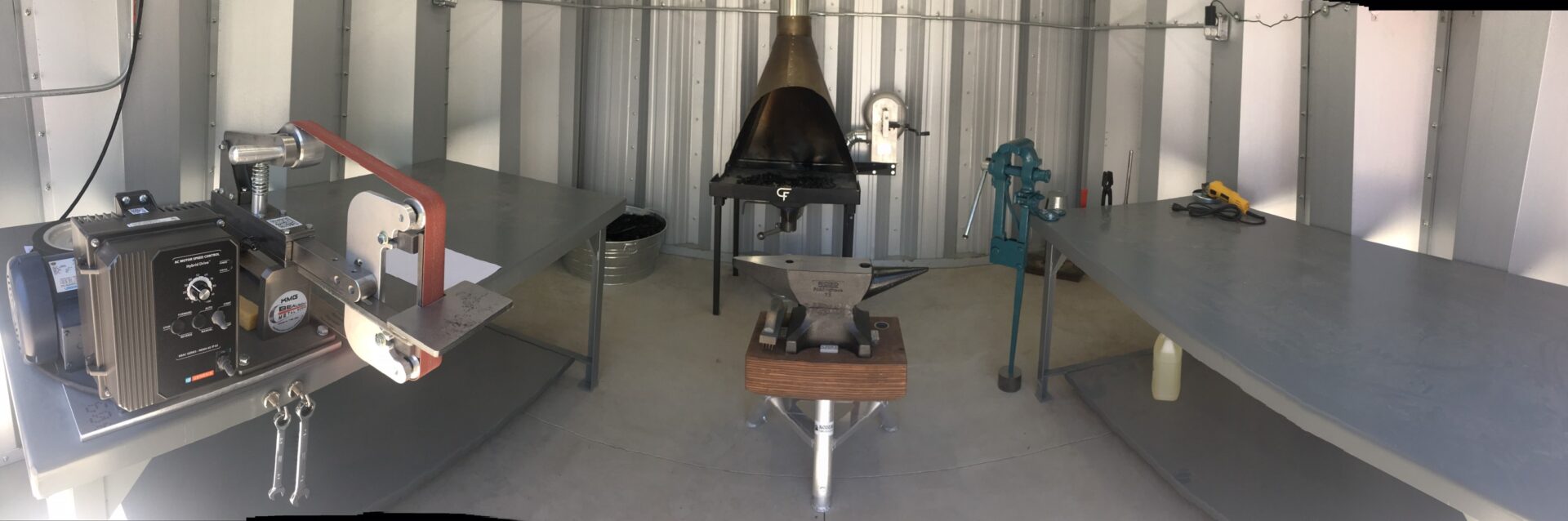
Forging steel at home needs a safe and organized workspace. You need enough room to work and keep tools.
A good workspace helps you focus and avoid accidents. It also protects your home from heat and sparks.
Safety Gear And Precautions
Safety gear is very important when forging steel. It protects your body from burns, sparks, and sharp edges.
Always wear the right clothes and gear before you start working with hot metal.
- Wear heat-resistant gloves to protect your hands.
- Use safety glasses or a face shield to protect your eyes.
- Wear a leather apron or thick clothing to protect your body.
- Use sturdy closed-toe shoes to protect your feet.
- Keep a fire extinguisher nearby in case of emergencies.
- Work in a well-ventilated area to avoid smoke buildup.
Essential Tools And Equipment
You need the right tools to forge steel safely and well. These tools help shape and heat the metal.
Setting up your forge and tools correctly makes forging easier and safer.
- Forge or a heat source to heat the steel.
- Anvil or a sturdy surface to shape the metal.
- Hammers of different sizes for shaping and finishing.
- Tongs to hold hot metal safely.
- Quenching bucket with water or oil to cool the steel.
- Wire brush to clean the metal surface.
Building A Simple Forge
Forging steel at home is a rewarding skill. A simple forge lets you heat steel to shape it.
This guide shows how to build a basic forge with easy materials. You can start with little experience.
Materials Needed
Gather these materials before building your forge. They are affordable and easy to find.
- Steel bucket or old brake drum
- Firebricks or refractory bricks
- Charcoal or coal
- Metal pipe for air intake
- Hair dryer or small blower
- Steel rods or angle iron for frame
- High-temperature gloves
- Safety glasses
Step-by-step Construction
Follow these steps to build your forge. Each step is simple and clear to help you work safely.
- Place firebricks inside the steel bucket to line it. This holds heat well.
- Cut a hole near the bucket’s bottom for the metal pipe.
- Insert the pipe and seal edges with clay or high-heat cement.
- Attach the hair dryer or blower to the pipe’s other end.
- Build a sturdy frame from steel rods to hold the bucket.
- Fill the bucket with charcoal or coal after setup.
- Wear gloves and glasses before lighting the fuel.
- Turn on the blower to increase airflow and heat.
- Watch the fire until it glows bright and ready for forging.
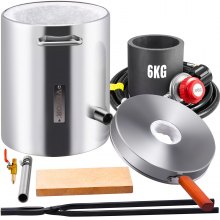
Credit: www.vevor.ca
Heating Steel Properly
Heating steel is a key step in forging at home. Proper heat makes the steel soft enough to shape.
Too little heat and the steel will crack. Too much heat can ruin the metal’s strength.
Achieving The Right Temperature
The right temperature depends on the steel type. Most steels soften around 1,500°F (815°C).
- Use a forge or a high-temperature heat source.
- Heat the steel evenly to avoid hot spots.
- Check the temperature with an infrared thermometer or color guide.
- Keep the steel in the heat until it glows bright orange or yellow.
Signs The Steel Is Ready
Knowing when steel is ready helps avoid mistakes. The right heat shows clear signs.
| Visual Sign | Color Range | Meaning |
| Dull Red | 900°F - 1,100°F (480°C - 600°C) | Steel is warm but too hard to shape |
| Bright Orange | 1,500°F - 1,800°F (815°C - 980°C) | Steel is soft and ready for forging |
| Yellow White | 1,900°F+ (1,040°C+) | Steel is too hot, risk of damage |
Basic Forging Techniques
Forging steel at home is a hands-on skill that shapes metal using heat and force. Learning basic techniques helps you create useful and artistic items.
Start with simple tools and practice careful movements. Safety gear is important to protect yourself from heat and sparks.
Hammering And Shaping
Hammering changes the shape of hot steel by striking it with a hammer. Different hammer strokes create different results.
- Use light taps for fine shaping and details.
- Strike firmly for bending or flattening thick metal.
- Keep the hammer face flat to avoid uneven marks.
- Work the metal evenly to prevent weak spots.
- Heat the steel again if it cools down too much.
Using Anvils And Tongs
Anvils provide a solid surface to hammer against. Use different parts of the anvil for shaping curves or straight edges.
| Tool | Purpose |
| Anvil Horn | Shaping curves and rounded bends |
| Anvil Face | Flattening and general hammering |
| Tongs | Holding hot steel securely |
| Hardy Hole | Holding tools for cutting or bending |
Cooling And Hardening
Forging steel at home requires careful cooling and hardening. These steps ensure the metal becomes strong and durable. Understanding the methods involved is crucial for effective steel forging.
Cooling and hardening are key processes in steel forging. They determine the final properties of the steel, such as strength and flexibility.
Quenching Methods
Quenching involves cooling the hot steel quickly. This process hardens the steel. Different methods can be used for quenching.
- Water Quenching: This method cools steel rapidly but can cause cracks.
- Oil Quenching: Slower than water, it reduces the risk of cracking.
- Air Quenching: Suitable for certain steel types and involves cooling in still air.
Tempering For Durability
Tempering follows quenching and enhances steel's durability. It reduces brittleness while maintaining hardness.
| Tempering Temperature | Effect on Steel |
| 200°C | Increases toughness |
| 400°C | Improves flexibility |
| 600°C | Maintains hardness |
Choosing the right tempering temperature affects the final properties of the steel. It's important to select the temperature based on the desired outcome.
Common Mistakes To Avoid
Forging steel at home is a rewarding hobby. Avoid common mistakes to ensure success and safety.
Steel forging requires attention to detail. Here are common pitfalls and how to avoid them.
Overheating Or Underheating
Temperature control is crucial in steel forging. Overheating can weaken the steel. Underheating makes it hard to shape.
Use a thermometer to monitor the temperature. Aim for a bright orange glow in the steel.
- Overheating leads to burnt steel.
- Underheating results in brittle steel.
- Proper heating ensures the best quality.
Improper Hammering
Hammering steel requires skill and patience. Incorrect technique can cause damage.
Hit the steel with controlled, even strikes. Avoid striking too hard or too soft.
- Uneven hammering bends the steel.
- Proper technique shapes the steel evenly.
- Practice makes perfect in hammering.
Tips For Improving Skills
Forging steel at home takes time and effort. Practicing regularly helps you get better. Learning new ideas can improve your work.
Focus on simple steps first. Build your skills bit by bit. Keep your workspace safe and organized.
Practice Routines
Set a schedule for forging practice. Short daily sessions work better than long, rare ones. This keeps your hands and mind sharp.
Start with basic shapes like hooks or simple knives. Repeat these until you feel confident. Gradually try harder projects.
- Heat the steel evenly every time
- Use consistent hammer strikes
- Focus on shaping and smoothing
- Keep tools clean and sharp
- Practice safety with gloves and eye protection
Learning From Experts
Watch videos from experienced blacksmiths. See their techniques and tools. This helps you understand the process better.
Join local forging groups or workshops if possible. Ask questions and get feedback. Learning directly from others speeds up skill growth.
- Observe how they hold tools
- Note their heating and cooling methods
- Ask about common mistakes to avoid
- Learn about different steel types
- Practice tips they share during sessions

Credit: www.reddit.com
Frequently Asked Questions
What Tools Do I Need To Forge Steel At Home?
You need a forge, anvil, hammer, tongs, and safety gear. A propane forge is beginner-friendly. Proper tools ensure safe, effective forging.
How Do I Heat Steel For Forging?
Heat steel in a forge until it glows bright orange or yellow. This indicates it is malleable and ready for shaping.
What Safety Precautions Are Essential When Forging Steel?
Wear heat-resistant gloves, eye protection, and long sleeves. Work in a ventilated area and keep a fire extinguisher nearby.
Can Beginners Forge Steel Without Professional Training?
Yes, beginners can learn with practice and safety measures. Start with small projects and follow tutorials to build skills gradually.
Conclusion
Forging steel at home takes patience and care. Start small and practice often to improve skills. Always use safety gear to protect yourself. Keep your tools clean and well-maintained. Enjoy the process of shaping metal with your hands. Each piece you make teaches something new.
This craft offers a rewarding hands-on experience. Stay curious and keep experimenting with techniques. Your efforts will lead to stronger, better steel creations.