Have you ever wanted to add a personal touch to your steel items? Whether it’s a gift, a tool, or a keepsake, engraving steel at home can turn ordinary objects into something truly special.
You might think it’s complicated or requires expensive tools, but it’s easier than you expect. You’ll discover simple, step-by-step methods to engrave steel yourself. By the end, you’ll have the confidence and know-how to create your own unique designs right from your workspace.
Ready to start? Let’s dive in!
Tools For Steel Engraving
Engraving steel at home needs the right tools. Choosing good tools helps you create clean designs.
This guide covers hand tools, power tools, and safety gear needed for steel engraving.
Essential Hand Tools
Hand tools are the basics for steel engraving. They let you control the design with care.
- Engraving burins or gravers for detailed cuts
- Chisels to carve deeper lines
- Hammers to tap chisels gently
- Scrapers to smooth the surface
- Magnifying glass to see fine details
Power Tools For Precision
Power tools help you work faster and with more precision on steel.
| Tool | Use | Tip |
| Rotary tool with engraving bits | Carving detailed designs | Use low speed to avoid overheating |
| Electric engraver pen | Fine line engraving | Hold steady for smooth lines |
| Mini drill | Drilling small holes | Use sharp drill bits for clean holes |
Safety Gear
Protect yourself while engraving steel. Safety gear prevents injuries and dust inhalation.
- Safety glasses to protect your eyes
- Gloves to shield your hands
- Dust mask to avoid breathing metal dust
- Hearing protection if using loud power tools
- Work apron to keep clothes safe

Credit: algolaser.com
Preparing Steel For Engraving
Engraving steel at home needs careful preparation. Clean and smooth steel helps the design show clearly.
Proper surface prep makes engraving easier and improves the final look.
Cleaning And Polishing
Start by removing dirt, oils, and rust from the steel surface. Use a soft cloth and mild cleaner to wipe it down well.
- Wash steel with warm water and dish soap.
- Rinse thoroughly to remove soap residue.
- Dry completely with a clean cloth.
- Use fine steel wool or sandpaper to polish the surface.
- Remove all polishing dust with a microfiber cloth.
Marking Your Design
Next, transfer your design onto the steel before engraving. Marking helps guide your work and keeps lines accurate.
| Method | Description |
|---|---|
| Stencil | Use adhesive stencils to outline your design. |
| Permanent Marker | Draw freehand with a fine-tip marker. |
| Transfer Paper | Trace your design and press it onto steel. |
Basic Engraving Techniques
Engraving steel at home can be fun and creative. It lets you add designs or messages to metal objects.
You can use different tools and methods to engrave steel. Each way has its own style and steps.
Hand Engraving Methods
Hand engraving uses small sharp tools called gravers. You push or press them to carve lines into steel.
This method needs steady hands and patience. It works well for simple designs or fine details.
- Use a bench block or vise to hold the steel steady.
- Sketch your design with a marker before engraving.
- Hold the graver firmly and carve slowly along your lines.
- Keep the tool sharp for clean cuts.
Using A Rotary Tool
A rotary tool spins small bits fast to remove metal. It is good for deeper cuts and faster work.
Choose bits made for metal. Use a light touch to avoid slipping or damaging your steel.
- Wear safety glasses to protect your eyes.
- Start with a small bit for outlines, then use larger bits for filling.
- Work in a well-lit area to see details clearly.
- Practice on scrap metal before working on your final piece.
Chemical Etching
Chemical etching uses acid to eat away steel where you want the design. It creates sharp, clean lines.
You need to apply a resist to protect parts you do not want etched. The acid removes the exposed metal.
- Clean the steel surface before starting.
- Apply a resist like wax or nail polish on the design area.
- Use a sharp tool to scratch the resist where you want the acid to etch.
- Immerse the steel in acid for a short time, then rinse carefully.
- Remove the resist to reveal your etched design.
Advanced Diy Techniques
Engraving steel at home is possible with some advanced DIY methods. These techniques let you add designs or text to steel surfaces.
Two popular methods are electrochemical engraving and laser engraving. Both need special tools but give great results.
Electrochemical Engraving
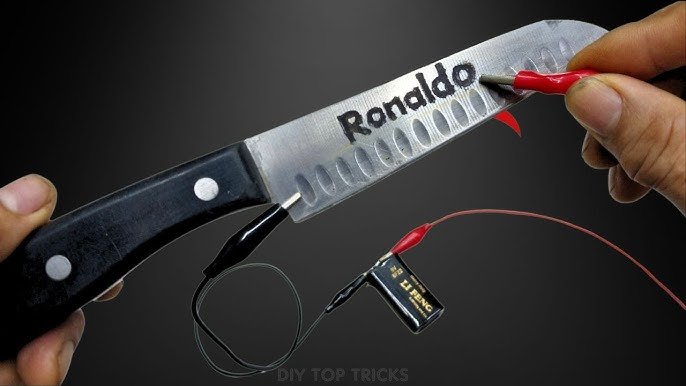
Electrochemical engraving uses electricity to remove metal from the steel surface. This creates a clean and precise mark.
You will need a power source, an electrolyte solution, and a stencil to guide the design. The stencil blocks parts of the steel to keep them unetched.
- Clean the steel surface well before starting
- Place the stencil on the steel firmly
- Apply the electrolyte solution over the stencil
- Connect the power source to the steel and a metal electrode
- Run electricity for a few minutes to etch the design
- Remove the stencil and rinse the steel with water
Laser Engraving At Home
Laser engraving uses a focused laser beam to burn or vaporize the steel surface. This method allows very detailed and fast engraving.
Home laser engravers come in various sizes and power levels. Choose one that fits the size of your steel pieces and your budget.
- Secure the steel piece on the laser bed
- Create or import the design on the laser software
- Set the laser power and speed for steel engraving
- Start the engraving process and watch carefully
- Clean the steel surface after engraving
Tips For Best Results
Engraving steel at home can be a fun and rewarding project. To get great results, you need to be careful and patient.
Using the right tools and techniques helps you create clean and clear designs on steel surfaces.
Maintaining Consistent Pressure
Keep steady pressure on your engraving tool. Pressing too hard can damage the steel or the tool.
Light and even pressure creates smooth lines and avoids slipping. Take your time for the best control.
- Hold the tool firmly but not too tight
- Move slowly and steadily across the surface
- Practice on scrap steel before starting your project
Avoiding Common Mistakes
Many beginners make small errors that affect the engraving quality. Avoid rushing or using dull tools.
Make sure your steel is clean and dry before you start. Dirt or oil can cause uneven engraving.
- Don’t press too hard and damage the steel surface
- Keep your design simple at first
- Use proper safety gear like gloves and goggles
- Test your design on scrap metal to check depth and style
Finishing Touches
After engraving, clean the steel to remove dust and metal bits. This makes your design clearer and sharper.
You can polish the steel with a soft cloth or use a metal polish to make it shine.
- Use a brush to remove engraving debris
- Apply metal polish for a smooth finish
- Wipe with a soft cloth to avoid scratches
- Store engraved steel in a dry place to prevent rust

Credit: www.reddit.com
Caring For Engraved Steel
Engraving steel at home requires proper care to keep it looking its best. Regular maintenance helps preserve the beauty and durability of your engraved pieces.
This guide will cover cleaning and protecting engraved steel to maintain its quality over time.
Cleaning Engraved Surfaces
Regular cleaning prevents dirt from settling into the engraved areas. It helps maintain the shine and clarity of your designs.
- Use a soft cloth to wipe away dust.
- Mild soap and water are best for regular cleaning.
- Avoid abrasive materials that can scratch the surface.
- Dry the surface thoroughly to prevent water spots.
Protecting Against Rust
Rust can damage the integrity of engraved steel. Protecting it from moisture is essential to prevent rust formation.
Consider applying a thin layer of protective oil. This oil creates a barrier against moisture and environmental damage. Ensure the steel is clean and dry before applying.

Credit: www.leahdesign.sg
Frequently Asked Questions
What Tools Are Needed To Engrave Steel At Home?
To engrave steel at home, you need a rotary tool or Dremel, engraving bits, safety goggles, and a steady hand. Additional items include a clamp to hold the steel and a marker to outline your design.
How Can I Prepare Steel For Engraving?
Clean the steel surface thoroughly to remove dirt and oils. Use fine sandpaper to smooth the area and apply a clear marker to trace your design before engraving.
Is Engraving Steel At Home Safe For Beginners?
Yes, engraving steel is safe if you follow safety precautions. Wear goggles, work in a well-ventilated area, and use proper tools carefully to avoid injury.
What Techniques Work Best For Home Steel Engraving?
Rotary tool engraving with steady, light pressure works best. You can also use hand engraving tools for fine details but it requires practice and patience.
Conclusion
Engraving steel at home is simple with the right tools and steps. Practice makes your work cleaner and more precise. Always keep safety in mind during the process. Enjoy personalizing your items with your own designs. Start small, and build your skills over time.
This craft offers a fun way to create unique gifts. Keep trying, and your results will improve quickly.