Have you ever wanted to give your old cotton clothes a fresh, vibrant look without spending a lot? Dyeing cotton fabric at home is easier than you think, and it lets you create colors that match your style perfectly.
Whether you're revamping a plain shirt or crafting something unique, this simple process puts the power of color right in your hands. Keep reading, and you’ll discover step-by-step how to transform your cotton fabric into something truly eye-catching—no special skills required.
Your next favorite outfit could start here.
Choosing The Right Cotton Fabric
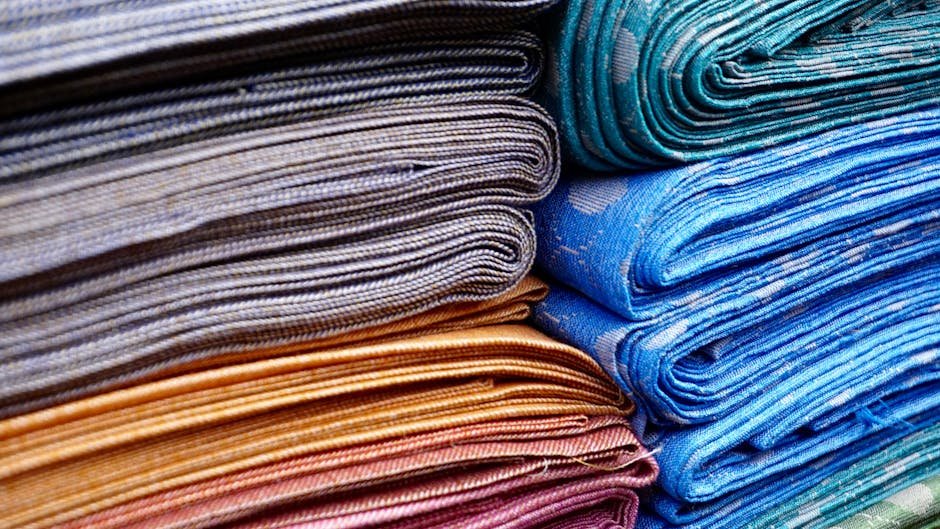
Choosing the right cotton fabric is key for good dye results. Different cotton types absorb dye in different ways.
Picking the best cotton fabric helps your project look bright and last long.
Types Of Cotton Suitable For Dyeing
Not all cotton fabrics dye the same. Natural, untreated cotton works best for dyeing at home.
Look for fabrics labeled 100% cotton. Avoid blends, as they may not take dye evenly.
- Combed cotton: soft and smooth, dyes evenly
- Organic cotton: grown without chemicals, dyes well
- Muslin cotton: loosely woven, easy to dye
- Broadcloth cotton: tightly woven, bright dye results
- Canvas cotton: thick, may need longer dye time
Preparing Fabric For Dyeing
Cleaning the fabric before dyeing removes oils and dirt. This helps the dye stick better.
Wash the cotton fabric with mild detergent. Avoid fabric softeners or bleach.
- Rinse thoroughly to remove detergent
- Dry the fabric completely before dyeing
- Cut or shape the fabric as needed for your project
- Wear gloves to protect your hands
Selecting The Best Dye
Dyeing cotton fabric at home can be fun and creative. Picking the right dye helps you get bright, lasting colors.
Choosing between natural and synthetic dyes changes how your fabric looks and feels. Let's learn about the options.
Natural Vs Synthetic Dyes
Natural dyes come from plants, insects, or minerals. They give soft, earthy colors and are eco-friendly.
Synthetic dyes are made in factories. They offer bright colors and strong colorfastness on cotton.
- Natural dyes: gentle on the environment, less color options
- Synthetic dyes: wide color range, longer-lasting colors
- Natural dyes may fade faster in sunlight
- Synthetic dyes often need less dyeing time
Color Choices And Effects
Choose colors that suit your style and fabric use. Some dyes work better with certain shades.
Light colors show fabric texture well. Dark colors hide stains and wear better.
| Color Type | Effect on Cotton | Use |
|---|---|---|
| Bright Colors | Stand out, bold look | Fashion and decoration |
| Pastel Colors | Soft, gentle look | Home textiles and kids’ clothes |
| Earth Tones | Natural, warm feel | Casual wear and crafts |
Gathering Supplies
Dyeing cotton fabric at home needs some tools and materials. Getting everything ready helps the process go smoothly.
Use the right supplies to make sure your fabric colors well and safely.
Essential Tools And Materials
Gather these items before you start dyeing your cotton fabric at home.
- Cotton fabric, clean and pre-washed
- Fiber-reactive dye suitable for cotton
- Large plastic or stainless steel container for dyeing
- Measuring cups and spoons
- Rubber gloves to protect your hands
- Stirring stick or spoon
- Water source for rinsing and mixing
- Soda ash fixer to help dye bond with fabric
- Plastic table cover or newspapers to protect surfaces
- Old clothes or apron to avoid stains on your clothing
Safety Precautions
Follow safety tips to protect yourself and your home during the dyeing process.
| Precaution | Details |
| Wear gloves | Prevent skin contact with dye and chemicals. |
| Work in a ventilated area | Avoid breathing in fumes from dye powders or liquids. |
| Protect surfaces | Cover tables and floors to stop stains. |
| Keep children and pets away | Prevent accidents and exposure to chemicals. |
| Follow instructions | Read dye product labels carefully before use. |
Preparing The Dye Bath
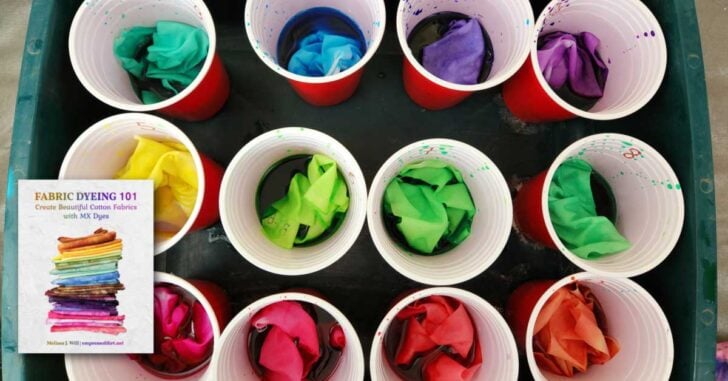
Preparing the dye bath is the first step to dye cotton fabric at home. It helps the fabric absorb the color evenly.
In this guide, you will learn how to mix dye correctly and set the right temperature for the best results.
Mixing Dye Correctly
Mixing dye properly ensures strong, even color on your cotton fabric. Use warm water to dissolve the dye powder completely.
- Fill a large container with the recommended amount of warm water.
- Slowly add dye powder to the water while stirring constantly.
- Stir until all the dye particles dissolve and no lumps remain.
- Add salt or fixatives if your dye instructions suggest it.
- Keep stirring before placing your fabric into the dye bath.
Setting The Right Temperature
The dye bath temperature affects how well the cotton fabric takes the color. Too cold or too hot water can cause uneven dyeing.
| Fabric Type | Recommended Temperature | Notes |
|---|---|---|
| 100% Cotton | 104°F - 140°F (40°C - 60°C) | Warm water helps fix the dye better |
| Cotton Blend | 90°F - 120°F (32°C - 49°C) | Lower temperature prevents damage to mixed fibers |
| Pre-washed Cotton | 104°F - 130°F (40°C - 54°C) | Pre-washing removes impurities for better dyeing |
Dyeing Techniques
Dyeing cotton fabric at home can be a fun and creative activity. You can use different dyeing techniques to get unique colors and patterns.
Each method changes the way dye looks on the fabric. Some techniques are simple, while others need more time and skill.
Immersion Dyeing
Immersion dyeing is the most common way to color cotton. You soak the fabric in a dye bath until it reaches the color you want.
This method works well for solid colors. You need to mix the dye in water and stir the fabric evenly for good results.
Tie-dye And Patterns
Tie-dye lets you create fun shapes and patterns by folding and tying the fabric. The dye colors only parts of the fabric.
- Twist or fold the fabric in different ways
- Use rubber bands to hold the folds tightly
- Apply dye in sections or with different colors
- Let the dye set before removing ties
- Wash the fabric to reveal the pattern
Ombre Effects
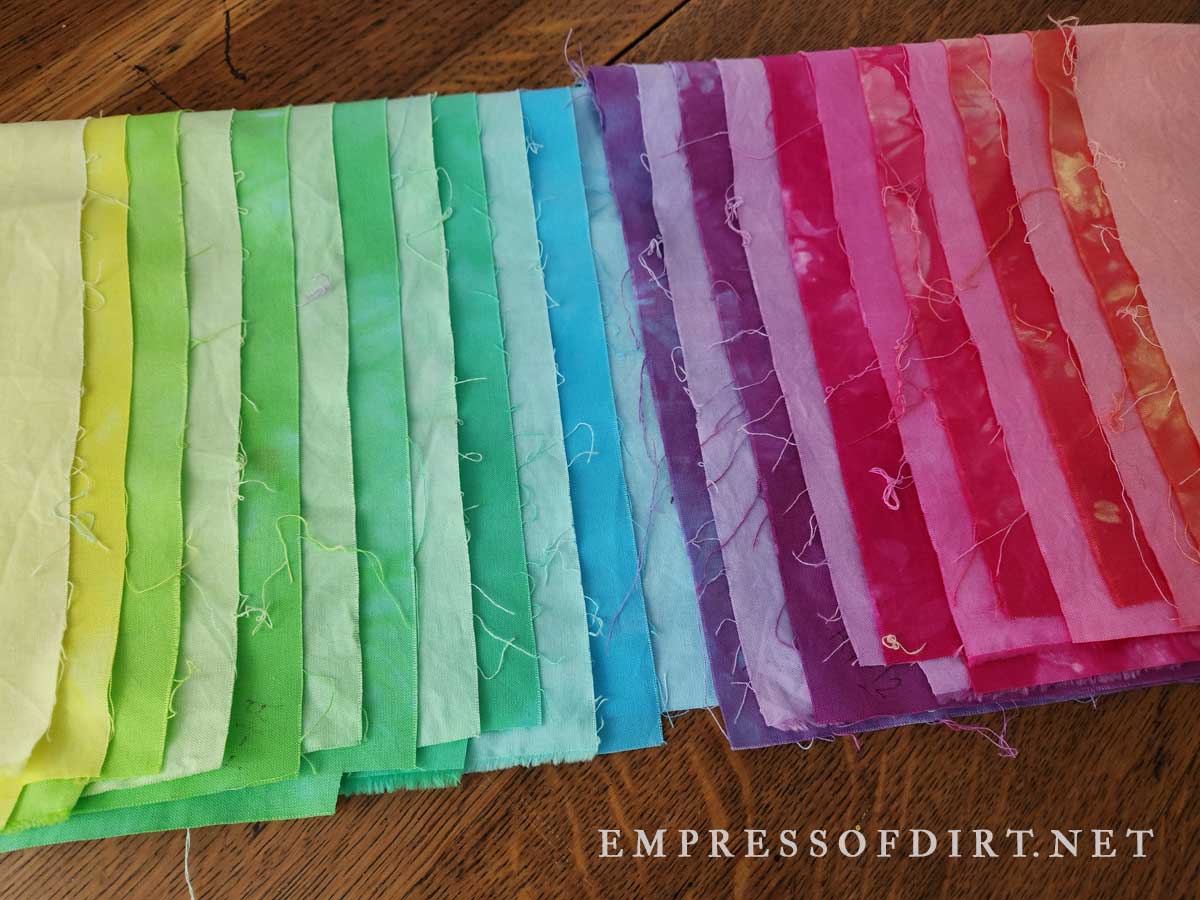
Ombre dyeing creates a gradual color change from light to dark. It gives fabric a soft, fading look.
| Ombre Dyeing Step | Description |
|---|---|
| Dip the fabric | Immerse one end of the fabric in dye |
| Hold and soak | Keep fabric in dye for a short time |
| Lift slowly | Raise fabric slowly to create a fade |
| Dry | Hang the fabric to dry evenly |
Fixing The Color
Dyeing cotton fabric at home can be fun and rewarding. Fixing the color ensures that your fabric retains its vibrant hues over time.
Without proper color fixing, dyed fabrics may fade quickly. Let's explore how to keep your colors bright and lasting.
Using Fixatives
Fixatives help lock in the dye on your cotton fabric. They prevent colors from bleeding and fading with washes.
Common fixatives include salt, vinegar, and soda ash. Each serves a unique purpose and enhances color retention.
- Salt: Use with direct dyes for better absorption.
- Vinegar: Works well with acid dyes on cotton.
- Soda Ash: Ideal for fiber-reactive dyes.
Rinsing And Washing Tips
Proper rinsing is crucial after dyeing. It removes excess dye and prevents future bleeding.
Wash the fabric in cold water to lock in the color. Use a gentle detergent designed for colored fabrics.
- Rinse until water runs clear.
- Avoid mixing dyed fabrics with other clothes.
- Air dry to maintain fabric integrity.
Drying And Caring For Dyed Fabric
After dyeing cotton fabric, drying and caring for it is crucial. Proper methods ensure vibrant colors and fabric longevity.
Follow these tips to dry your fabric safely and keep colors bright over time.
Proper Drying Methods
Drying dyed fabric correctly prevents color bleeding and fading. Here are some methods to consider.
- Air dry fabric in a shaded area to prevent sun damage.
- Use a drying rack to allow air circulation around the fabric.
- Avoid using a tumble dryer, as high heat can fade colors.
Maintaining Color Vibrancy
Maintaining vibrant colors requires careful washing and handling. Here are some tips to help.
| Action | Benefit |
| Use mild detergent | Prevents color stripping |
| Avoid bleach | Preserves fabric integrity |
| Line dry | Maintains color depth |
Troubleshooting Common Issues
Dyeing cotton fabric at home can sometimes lead to problems. Understanding common issues helps fix mistakes quickly.
This guide covers uneven color, fading and bleeding, and stains or spots on your fabric.
Uneven Color
Uneven color happens when dye does not spread evenly on fabric. It may look blotchy or patchy.
To fix this, make sure the fabric is wet before dyeing. Stir the fabric often in the dye bath.
- Pre-wet fabric to help dye absorb evenly
- Stir fabric gently during dyeing
- Use enough dye to cover all fabric
- Remove fabric slowly and evenly
Fading And Bleeding
Fading happens when dye fades after washing or sunlight. Bleeding is when dye runs onto other fabrics.
Use cold water to wash dyed fabric and avoid strong detergents. Dry fabric away from direct sun.
- Rinse fabric in cold water after dyeing
- Wash separately for the first few washes
- Use gentle detergent to protect color
- Air dry fabric in shade to prevent fading
Stains And Spots
Stains or spots appear if dye splashes or does not mix well. They create unwanted marks on fabric.
Protect work areas and handle dye carefully. If spots appear, soak fabric quickly in water to dilute them.
- Cover surfaces before dyeing
- Wear gloves to avoid stains on skin
- Blot spots immediately with cold water
- Use mild soap to clean stains gently
Frequently Asked Questions
How Do I Prepare Cotton Fabric For Dyeing?
Wash cotton fabric thoroughly to remove dirt and oils. Avoid fabric softeners. Damp fabric absorbs dye better, so keep it moist before dyeing.
Which Dyes Work Best For Cotton Fabric?
Fiber reactive dyes are ideal for cotton. They bond chemically, producing vibrant, long-lasting colors. Avoid acid dyes, as they suit protein fibers instead.
How Long Should I Soak Cotton Fabric In Dye?
Soak cotton fabric in dye for 30 to 60 minutes. Stir occasionally to ensure even color absorption and prevent blotches.
Can I Use Household Items To Dye Cotton Fabric?
Yes, natural dyes from items like turmeric, onion skins, and coffee can color cotton. Results vary, but they provide eco-friendly, unique shades.
Conclusion
Dyeing cotton fabric at home is simple and fun. You only need basic materials and a little patience. Follow the steps carefully for the best color results. Experiment with different shades to create unique designs. Remember to wash the fabric well after dyeing to keep colors bright.
This process lets you refresh old clothes or make custom pieces. Enjoy the creative process and the vibrant look of your dyed cotton fabric. Try it today and see how easy it can be!