Have you ever looked at your favorite cotton clothes and wished they had a fresh, new color? Dyeing your cotton clothes at home is easier than you think—and it’s a great way to breathe new life into your wardrobe without spending a lot of money.
Imagine turning a faded shirt into a vibrant statement piece, all with simple steps you can do yourself. In this guide, you’ll discover how to pick the right dye, prepare your clothes, and get the perfect color every time. Ready to transform your clothes and express your style in a whole new way?
Let’s get started!
Materials Needed
Dyeing cotton clothes at home is simple with the right materials. You will need fabric dyes, tools, and suitable cotton garments.
This guide lists the types of dyes, essential tools, and how to pick the best cotton clothes for dyeing.
Types Of Fabric Dyes
Choose a dye that works well with cotton fabric. Fiber reactive dyes are best for cotton because they bond strongly and last long.
- Fiber reactive dyes: Bright colors, permanent on cotton
- All-purpose dyes: Easy to use, good for beginners
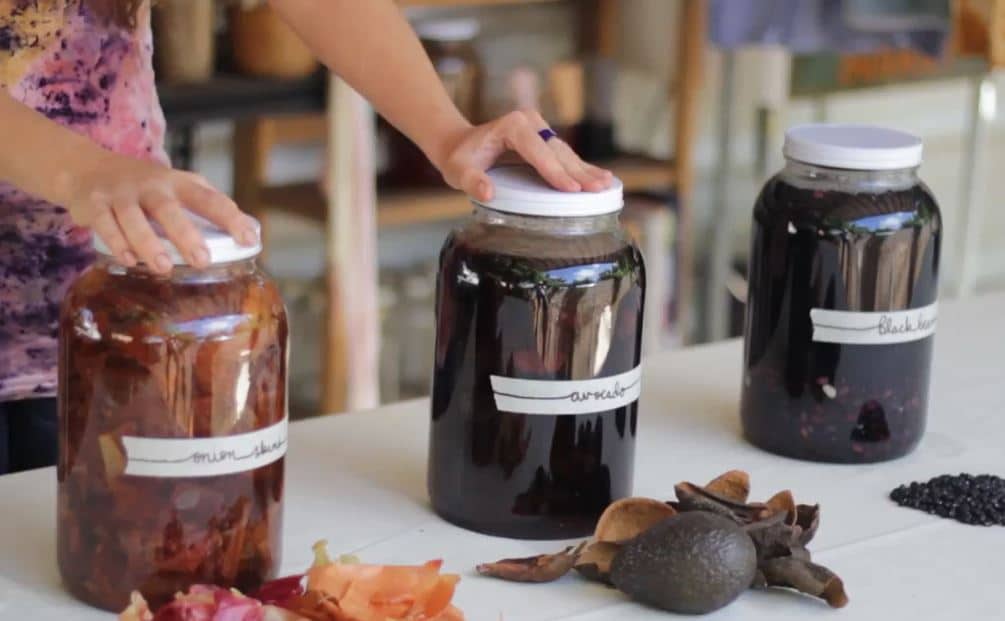
- Natural dyes: Made from plants, eco-friendly
Essential Tools
| Tool | Purpose |
|---|---|
| Plastic gloves | Protect hands from dye stains |
| Measuring cups | Measure dye and water accurately |
| Plastic buckets or tubs | Mix dye and soak clothes |
| Stirring sticks | Mix dye solution evenly |
| Old clothes or apron | Protect your clothing during dyeing |
| Rubber bands | Create tie-dye patterns |
| Water source | Rinse and wash dyed clothes |
Choosing The Right Cotton Clothes
Select 100% cotton clothes for the best dye results. Mixed fabrics may not hold dye evenly.
- Look for plain cotton t-shirts, dresses, or fabric scraps
- Avoid clothes with polyester or synthetic blends
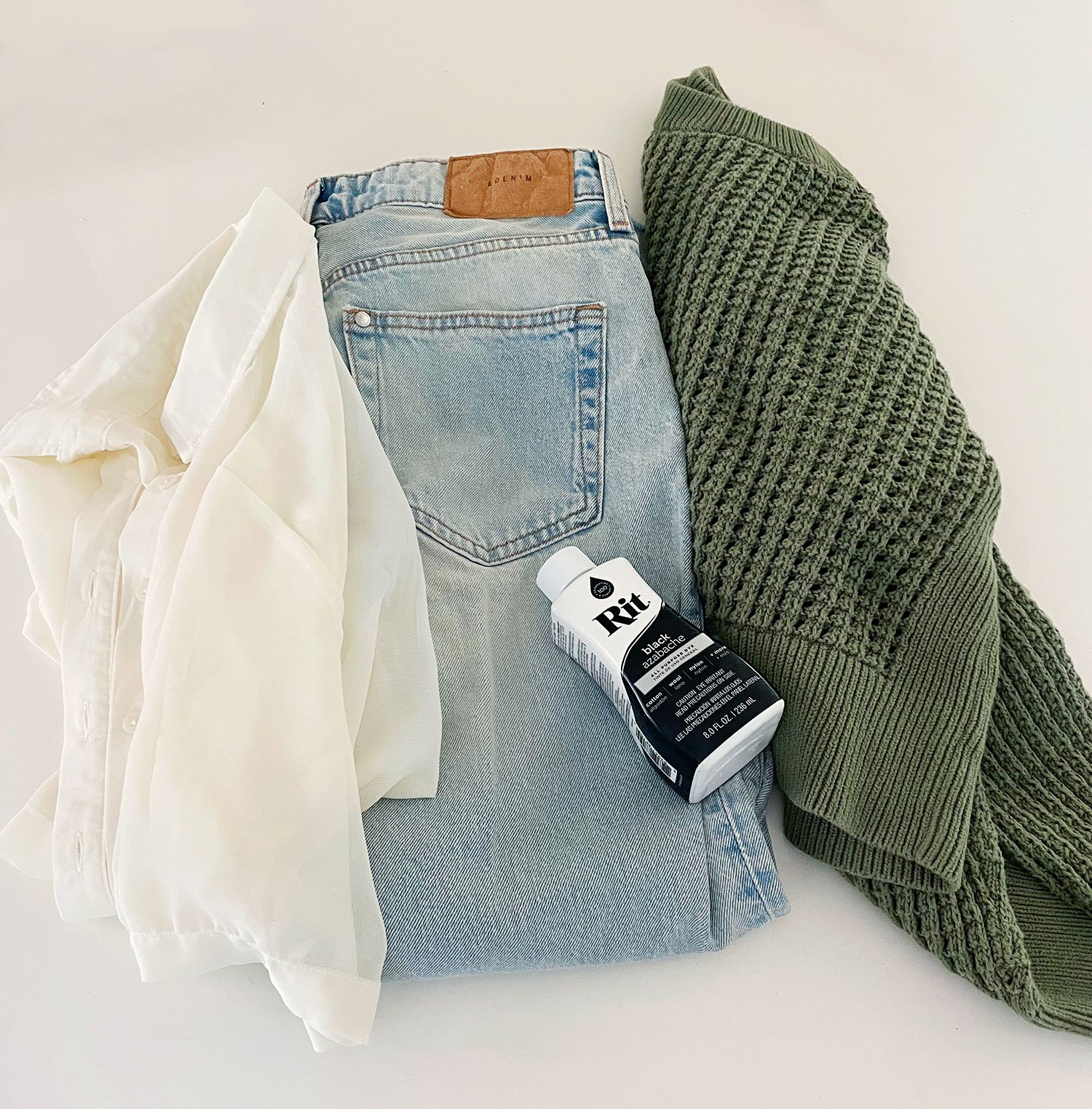
- Choose light-colored or white clothes for brighter colors
- Check the fabric label for 100% cotton content
Credit: www.skillshare.com
Preparing Clothes For Dyeing
Preparing your cotton clothes is important before dyeing them. Clean clothes help the dye stick better and last longer.
This guide covers how to wash clothes and handle stains before dyeing cotton fabrics at home.
Washing And Cleaning
Wash your cotton clothes with warm water and mild detergent. This removes dirt and oils that block the dye.
Do not use fabric softener because it can coat the fibers and reduce dye absorption.
- Use warm water and mild detergent
- Rinse clothes thoroughly to remove soap
- Skip fabric softeners and bleach
- Dry clothes completely before dyeing
Handling Stains And Residues
Check for stains or residues on the clothes. Stains can block dye and cause uneven color.
Treat stains with a stain remover or a small amount of detergent. Gently rub the spot and rinse well.
- Identify any stains or marks
- Apply stain remover or detergent
- Rub gently to avoid damage
- Rinse and repeat if necessary
- Ensure the fabric is clean and dry
Dyeing Techniques
Dyeing cotton clothes at home is a fun way to change your wardrobe. You can use different dye types for many effects.
This guide explains three common dyeing techniques. Each uses a different kind of dye for cotton fabric.
Using Powdered Dye
Powdered dye is dry and easy to store. It gives bright, even colors when mixed correctly with water.
Mix the powder in hot water until it dissolves. Soak the cotton clothes for 30 to 60 minutes for best results.
- Wear gloves to protect your skin.
- Use a large container to avoid stains.
- Stir clothes often for even color.
Using Liquid Dye
Liquid dye is ready to use and easy to measure. It works well for small projects or quick color changes.
Mix the liquid dye with water as the instructions say. Dip the cotton fabric and move it gently for even coverage.
- Test dye on a small cloth piece first.
- Use warm water to help the dye set.
- Rinse clothes until water runs clear.
Natural Dye Alternatives
Natural dyes come from plants, fruits, and vegetables. They are safe and eco-friendly but may give lighter colors.
Boil the plant material to make a dye bath. Soak the cotton clothes in the dye for one hour or more.
- Use onion skins for yellow or orange shades.
- Red cabbage can give blue or purple colors.
- Beets create pink or red tones.
- Use salt or vinegar as fixatives to keep color.

Credit: www.ritdye.com
Step-by-step Dyeing Process
Dyeing cotton clothes at home is fun and easy. You can give old clothes a fresh look.
Follow simple steps to mix, apply, and set the dye. This guide helps you get good results.
Mixing The Dye
Start by choosing the right dye for cotton fabric. Fiber-reactive dyes work best for cotton.
Mix the dye powder with warm water in a plastic bucket or bowl. Stir well until the dye dissolves.
- Wear gloves to protect your hands.
- Use the amount of dye recommended on the package.
- Mix enough dye solution for your fabric size.
Applying The Dye
Wet your cotton clothes with clean water before dyeing. This helps the dye spread evenly.
Submerge the clothes fully into the dye bath. Stir gently to avoid uneven color.
- Let the fabric soak for 30 to 60 minutes.
- Stir every 10 minutes to prevent spots.
- Use a spoon or stick to move the fabric.
Setting The Color
After dyeing, rinse the clothes in cold water until the water runs clear. This removes excess dye.
Use a fixative or salt soak to set the color. Follow the dye package instructions for best results.
- Soak clothes in a salt-water solution for 15 minutes.
- Wash clothes separately in cold water.
- Dry clothes away from direct sunlight.
Drying And Aftercare
After dyeing cotton clothes at home, drying and caring for them is very important. Proper care helps keep the color bright and the fabric strong.
Follow simple steps to rinse, dry, and maintain your dyed cotton clothes. This will make your clothes last longer and look good.
Rinsing The Fabric
Rinse the dyed cotton fabric with cold water to remove extra dye. Keep rinsing until the water runs clear. This stops the color from bleeding later.
Use gentle movements to avoid damaging the fabric. Do not wring the cloth hard as it may cause wrinkles or damage.
Drying Methods
Dry your cotton clothes in a shaded, well-ventilated area. Avoid direct sunlight to prevent colors from fading. Hang clothes on a line or lay flat on a clean surface.
- Use a hanger to keep the shape
- Turn clothes inside out while drying
- Avoid using a dryer to keep colors bright
Maintaining Vibrant Colors
Wash dyed cotton clothes in cold water to keep colors bright. Use mild detergent made for colored fabrics. Avoid bleach and strong chemicals.
Store clothes away from direct sunlight and heat. This helps prevent fading and keeps the fabric soft for longer.
Credit: www.younghouselove.com
Common Mistakes To Avoid
Dyeing cotton clothes at home is fun but can lead to mistakes. Learn about common errors to get the best results.
Proper technique helps to achieve even color and preserve fabric quality.
Uneven Coloring
Uneven coloring can ruin your fabric's look. It often happens when dye is not mixed well or the fabric is not soaked evenly.
- Stir dye thoroughly before use
- Ensure fabric is fully submerged
- Avoid folding fabric tightly
Fading Issues
Fading is a common problem after dyeing. It occurs if the dye is not set properly or if washed too soon.
Fabric Damage
Fabric damage can be costly. This happens if harsh chemicals are used or if the fabric is left in dye for too long.
| Error | Solution |
| Overexposure to dye | Limit dye time to recommended duration |
| Use of harsh chemicals | Opt for gentle, fabric-safe dyes |
Creative Dyeing Ideas
Dyeing cotton clothes at home is fun and easy. You can create unique designs using simple techniques.
Let’s explore some creative dyeing ideas that you can try at home. These methods will help you add color and style to your wardrobe.
Tie-dye Patterns
Tie-dye patterns are popular and colorful. You can make swirls, circles, and stripes with this method.
To create tie-dye patterns, you need rubber bands and different dyes. Twist and bind your fabric, then apply colors for beautiful designs.
- Spiral: Twist the fabric from the center.
- Bullseye: Bind the fabric in concentric circles.
- Stripes: Fold the fabric in straight lines.
Ombre Effects
Ombre effects create a gradient look. This technique blends colors from light to dark.
Dip the fabric in the dye, starting with the lightest shade. Gradually add more dye for a deeper color at the bottom.
- Choose two or three shades of the same color.
- Start dyeing from the top or bottom.
- Blend the colors smoothly for a seamless effect.
Color Blocking
Color blocking uses solid blocks of color. This style is bold and modern.
Divide your fabric into sections with tape or strings. Dye each section a different color for a striking look.
- Use tape to create straight lines.
- Select contrasting colors for a vivid effect.
- Experiment with different shapes and sizes.
Frequently Asked Questions
How To Prepare Cotton Clothes For Dyeing?
Wash cotton clothes to remove dirt and oils. Avoid fabric softeners. Keep them damp before dyeing for even color absorption.
What Type Of Dye Works Best For Cotton?
Fiber reactive dyes are ideal for cotton. They bond well, offer vibrant colors, and are long-lasting. Choose quality dyes for best results.
How Long Should Cotton Fabric Stay In Dye?
Cotton fabric should soak for 30 to 60 minutes. Stir occasionally for even color. Follow dye package instructions for specific timing.
Can I Dye Cotton Clothes Multiple Times?
Yes, you can dye cotton multiple times. Each dyeing may alter the shade. Use fiber-reactive dyes for consistent results and fabric care.
Conclusion
Dyeing cotton clothes at home is fun and simple. You only need a few materials and patience. Follow the steps carefully to get good color results. Experiment with different shades to find what you like best. Wash your dyed clothes gently to keep colors bright.
This small project can refresh your wardrobe and save money. Enjoy the process and wear your new creations proudly. Try it today and see how easy it can be.