Drilling spring steel at home can feel like a tough challenge. You might worry about breaking your drill bit or ruining the steel.
But what if you had simple, clear steps to make the process easy and safe? In this guide, you’ll discover exactly how to drill through spring steel without stress. Whether you’re fixing something or starting a new project, these tips will save you time and frustration.
Keep reading to learn the best tools, techniques, and secrets that professionals use—right from your own workspace. Your next successful drill is just a few steps away.

Credit: www.youtube.com
Choosing The Right Tools
Drilling spring steel at home needs the right tools. Using proper tools makes drilling easier and safer.
Spring steel is very tough. Picking the correct drill and bits helps you avoid damage and get clean holes.
Best Drill Types For Spring Steel
Choose a drill that can handle hard materials. Corded drills have more power and constant speed.
Cordless drills work too but pick one with a strong battery and high torque. Variable speed control is useful.
- Corded drill with at least 6 amps
- Cordless drill with 18 volts or more
- Drill with variable speed settings
- Hammer drills are not needed for spring steel
Selecting Drill Bits
Use drill bits made for metal. High-speed steel (HSS) bits work well for spring steel.
Cobalt drill bits last longer and stay sharp when drilling tough steel. Titanium-coated bits reduce friction.
- High-speed steel (HSS) bits
- Cobalt drill bits for durability
- Titanium-coated bits for less heat
- Use smaller pilot holes before larger bits
Necessary Safety Equipment
Drilling metal creates sharp chips and dust. Wear safety gear to protect yourself.
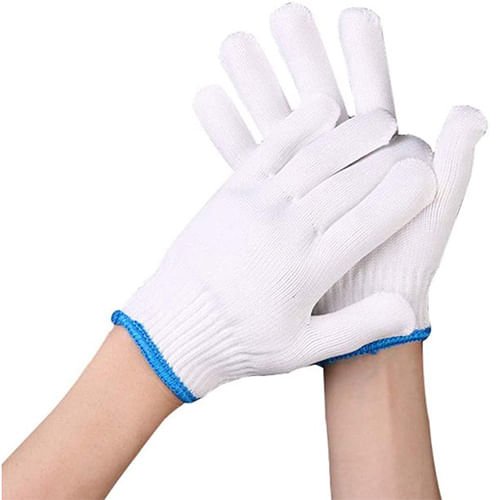
Eye protection is very important. Gloves help protect hands from sharp edges and hot bits.
- Safety glasses or goggles
- Protective gloves
- Long sleeves to protect arms
- Hearing protection if drill is loud
- Work in a well-ventilated area
Preparing The Work Area
Drilling spring steel at home needs careful preparation. Setting up your workspace is key to safety and success.
This guide covers how to prepare your area before you start drilling spring steel.
Setting Up A Stable Workspace
Find a strong, flat surface to work on. A sturdy table or workbench is best to keep the steel steady.
Clear the area of clutter. Make sure there is enough light and room to move safely around your tools.
Marking Drill Points
Use a marker or scribe to mark the exact spots where you want to drill. This helps prevent mistakes.
Here is a simple table to keep your marks clear and organized:
| Mark Type | Tool to Use | Purpose |
|---|---|---|
| Center Punch | Center Punch Tool | Creates a small dent to guide the drill bit |
| Permanent Marker | Fine Tip Marker | Shows drill locations clearly |
| Scribe | Metal Scribe | Marks precise lines and points |
Clamping The Steel Securely
Hold the spring steel firmly to stop it from moving. Use clamps or a vise to secure it well.
- Place the steel on a non-slip mat for extra grip.
- Use adjustable clamps to fit the steel’s thickness.
- Check that the steel does not shift before drilling.
- Wear safety gear to protect your hands and eyes.
Drilling Techniques
Drilling spring steel at home requires care and the right techniques. This metal is tough and can be tricky to drill through.
Using proper drilling methods helps avoid damage to your tools and the steel. It also makes the job safer and easier.
Using Proper Drill Speed
Choose a low drill speed when working with spring steel. High speeds cause heat and can ruin the drill bit.
Slow and steady drill speed helps keep the bit sharp and prevents the steel from getting too hot.
- Use 500 to 1000 RPM depending on drill size
- Lower speed for larger drill bits
- Check drill speed settings before starting
Applying Steady Pressure
Press the drill gently but firmly. Too much pressure can break the bit or damage the metal.
Keep the pressure even to avoid slipping or misalignment of the hole.
- Let the drill do the work
- Apply firm, constant force
- Stop if the drill bit stalls
Cooling Methods To Prevent Overheating
Drilling spring steel generates heat. Use cooling methods to stop overheating and protect your drill bit.
Cool the drill bit often by pausing or adding a cooling liquid.
- Use cutting oil or machine oil
- Stop drilling every few seconds to cool
- Spray water carefully if oil is not available
Troubleshooting Common Issues
Drilling spring steel at home can be tricky. You may face problems like drill bit slipping, breaking, or rough holes. Fixing these issues improves your work and saves time.
Read the tips below to solve common problems. They help you get clean, accurate holes without damaging your tools or material.
Avoiding Drill Bit Slippage
Drill bit slippage happens when the bit moves on the steel surface. This can ruin the hole and damage the bit. Use the right method to stop slipping.
- Mark the spot clearly with a center punch before drilling.
- Use a clamp to hold the steel piece steady.
- Start drilling at low speed to keep control.
- Use sharp drill bits made for metal.
- Apply steady pressure without pushing too hard.
Handling Drill Bit Breakage
Drill bits can break if they get too hot or are forced too much. Breaking bits waste time and money. Avoid breakage by following these tips.
| Cause | Solution |
| Excessive pressure | Use gentle, steady force |
| Overheating | Cool the bit with oil or water |
| Dull drill bit | Sharpen or replace the bit |
| Wrong drill bit type | Use high-speed steel or cobalt bits |
Fixing Rough Or Inaccurate Holes
Rough or off-center holes weaken your project and look bad. Accuracy improves with correct setup and technique.
Try these tips for better holes:
- Use a drill press or guide for straight drilling.
- Drill a small pilot hole before the final size.
- Keep the drill bit perpendicular to the steel surface.
- Remove metal shavings often to avoid clogging.
- Slow the drill speed for a cleaner cut.
Finishing Touches
Drilling spring steel at home needs careful finishing to get good results. Finishing touches improve safety and part quality.
These steps help remove sharp edges and keep your tools working well for a long time.
Deburring The Holes
Drilled holes often have sharp edges called burrs. Burrs can cause injury or stop parts from fitting.
Use a deburring tool or fine sandpaper to smooth the edges. Turn the tool gently around the hole.
- Hold the steel firmly while deburring
- Check edges for sharp points
- Remove all rough spots for safety
Cleaning And Inspecting
After drilling and deburring, clean the steel to remove metal dust and oil. Use a soft cloth and mild cleaner.
Look closely at the holes and surface. Check for cracks, uneven holes, or damage to the steel.
- Wipe the steel with a clean cloth
- Use a magnifier to inspect holes
- Ensure holes are the right size and shape
Maintaining Tools For Longevity
Good tool care keeps your drill bits sharp and safe. Clean bits after use to remove metal shavings and oil.
Store bits in a dry place. Sharpen or replace them when they become dull to avoid damaging the steel.
- Clean drill bits with a brush after each use
- Oil bits lightly to stop rust
- Keep bits in a protective case
- Sharpen bits before they get too dull

Credit: www.bobvila.com

Credit: www.ttp-hard-drills.net
Frequently Asked Questions
What Tools Are Best For Drilling Spring Steel At Home?
Use a high-speed drill with a cobalt or titanium bit. These bits handle spring steel's hardness well. Ensure the drill has variable speed control for precision and safety.
How Do I Prevent Spring Steel From Overheating While Drilling?
Apply cutting oil or lubricant continuously. Drill at a slow speed and avoid excessive pressure. Frequent breaks help cool both the bit and steel, preventing damage.
Can I Drill Spring Steel Without Professional Equipment?
Yes, but use a quality drill and sharp cobalt or titanium bits. Proper lubrication and slow drilling speed are crucial to avoid bit damage and material warping.
What Safety Measures Should I Take When Drilling Spring Steel?
Wear safety goggles and gloves to protect from metal shards. Secure the steel firmly with a clamp. Work in a well-ventilated area and keep the workspace clean.
Conclusion
Drilling spring steel at home takes care and the right tools. Use sharp drill bits and steady pressure for best results. Cool the metal often to avoid overheating. Take your time and stay safe during the process. With patience, you can achieve clean, precise holes.
Practice helps improve your technique and confidence. Keep these tips in mind for your next project. Now, you are ready to handle spring steel drilling at home.